Your search Roman cemetery of St. Matthias gave 2751 results.
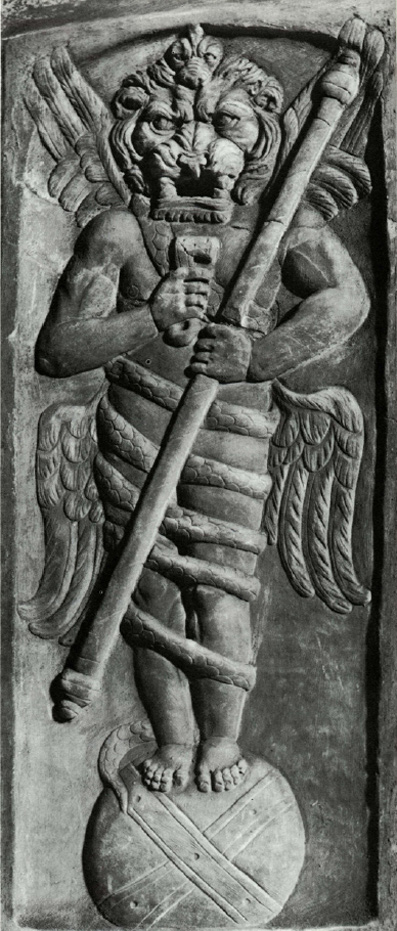
The lion-headed god is standing on a globe encicled by two crossed bands on which five pearls.

This remarkable marble relief from the end of the 3rd century was discovered in the most remote room of the Mithraeum in the Circo Massimo.
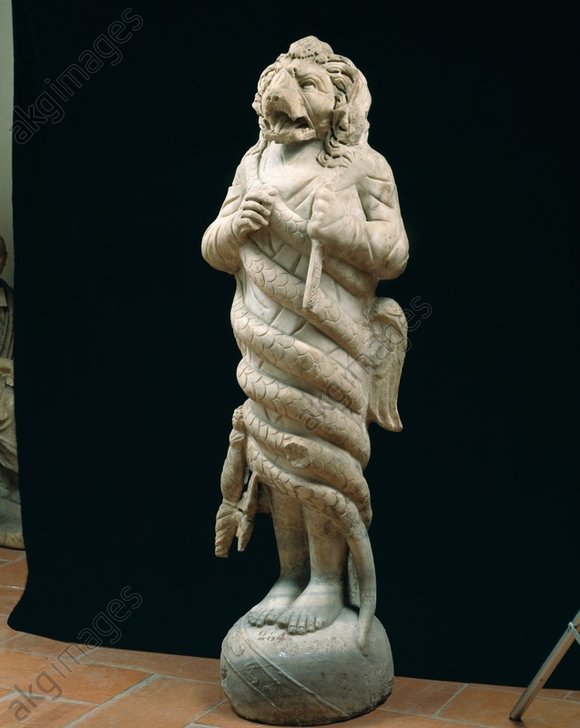
The sculpture of Aion from Florence, Italy, has the usual serpent, coiled six times on its body, whose head rests on that of the god of eternal time.
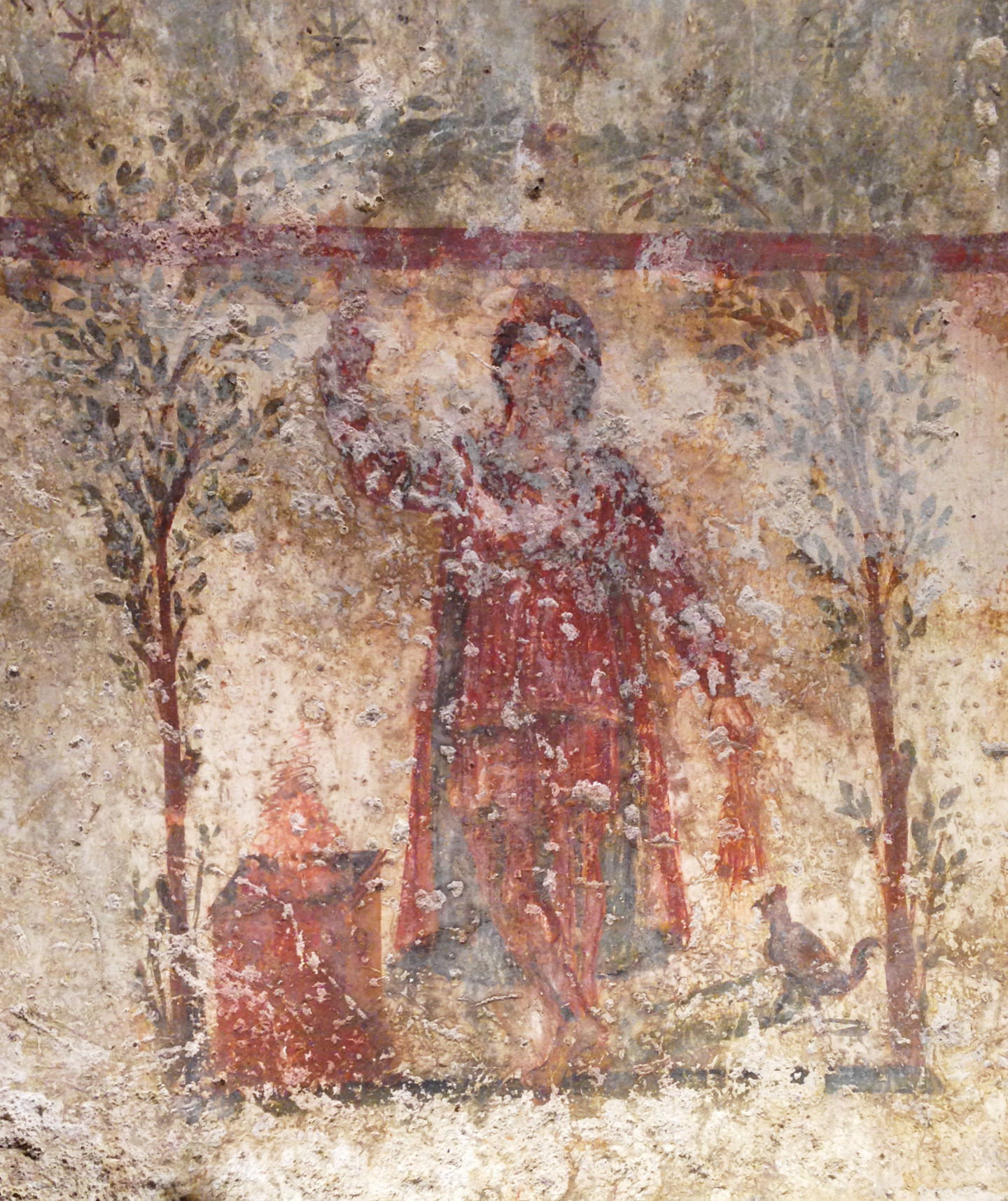
In the Mithraeum of S. Capua Veteres, Cautes stands between two laurel trees.
.jpeg)
Except for the serpent, the sculpture of the taurcotony found on the Esquiline Hill lacks the usual animals that accompany Mithras in sacrifice.
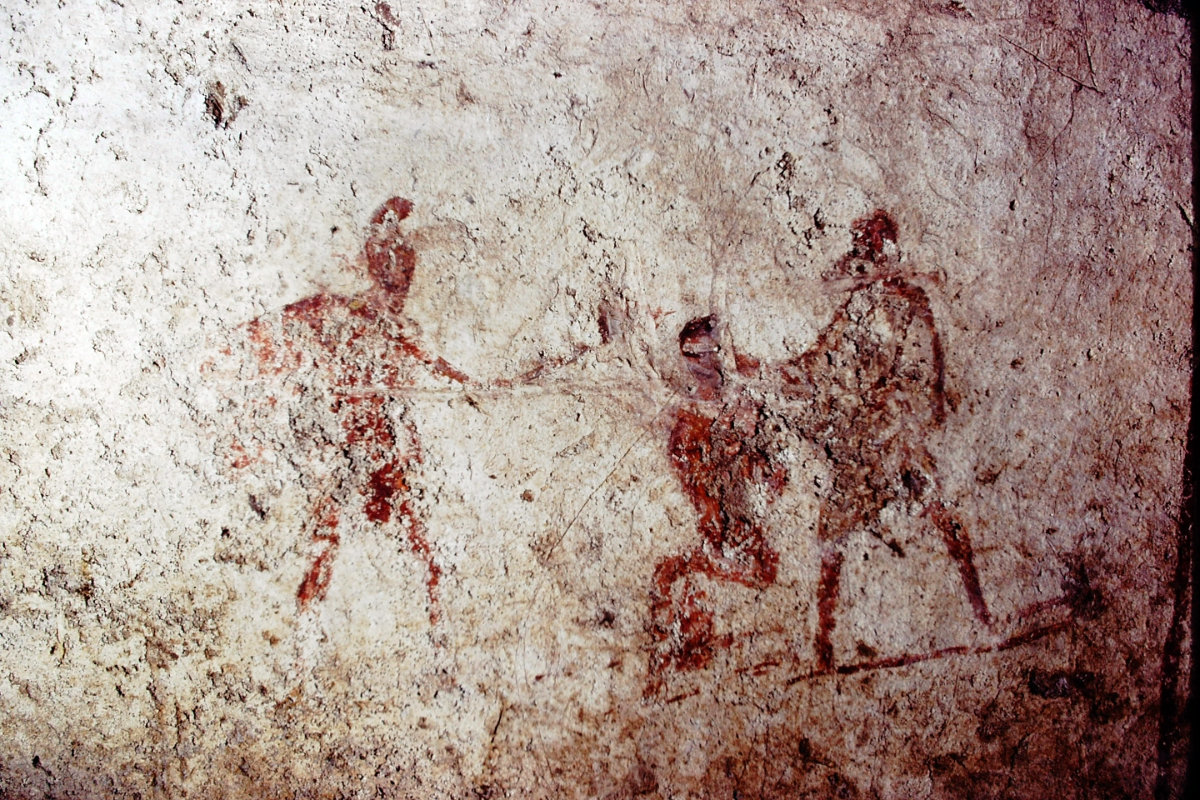
Fresco showing a scene of initiation into the mysteries of Mithras in the Mithraeum of Santa Maria Capua Vetere.
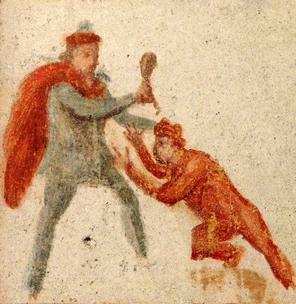
This scene of the main fresco of the Mithraeum Barberini seems to depict part of the initiation into the Mithraic Mysteries.
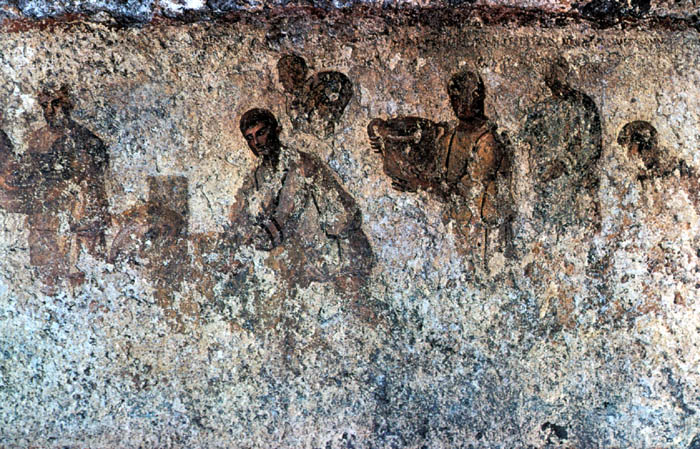
Procession of Leones carrying animals, bread, a krater, and other objects in preparation for a feast.

Continuation of the frescoes depicting an initiation into the Mithras cult, where two attendants present a repast to Mithras and Sol.

An inscription by a certain Aurelius Rufinus reveals the existence of a Mithraeum on the island of Andros, but it has not yet been found.
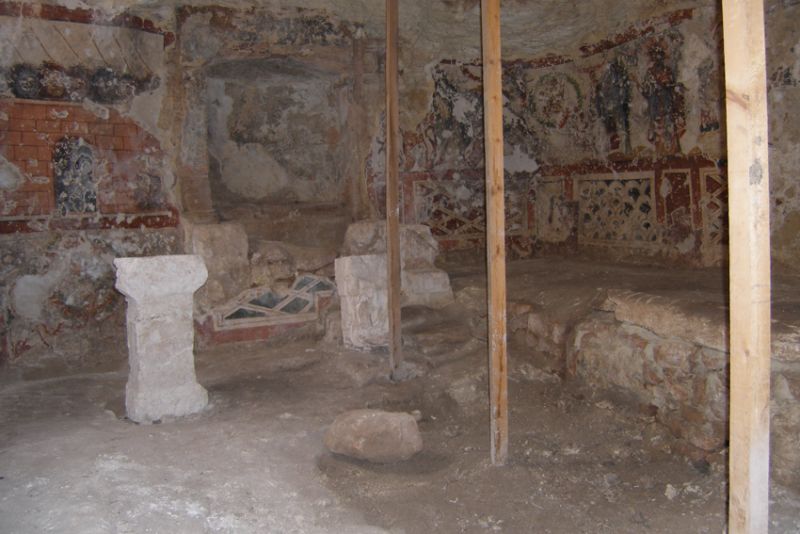
The Mithraeum of Hauarte or Hawarte, which preserves colourful frescoes, it’s the latest know and used.
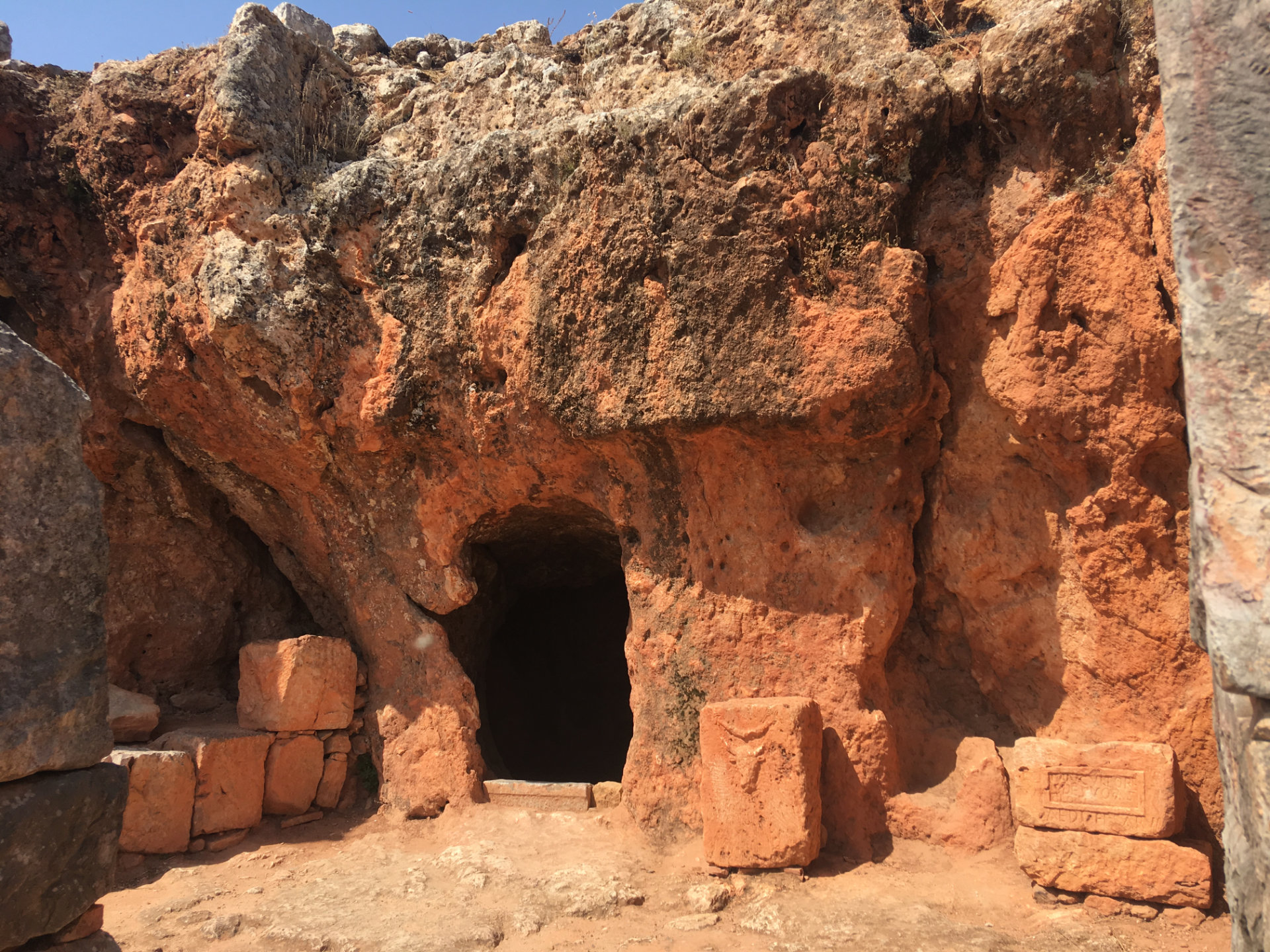
The Mithraeum was housed in a cave. The vault is almost dome-shaped and in front of the cave there is enough space for a possible adjacent temple.

Lenni is the author of The Rites of Hekate and has written and been published extensively on Hekatean practice exploring the goddess’s many faces. She also writes and works with what she calls “dark botanicals”, cultivating two distinct moon gardens
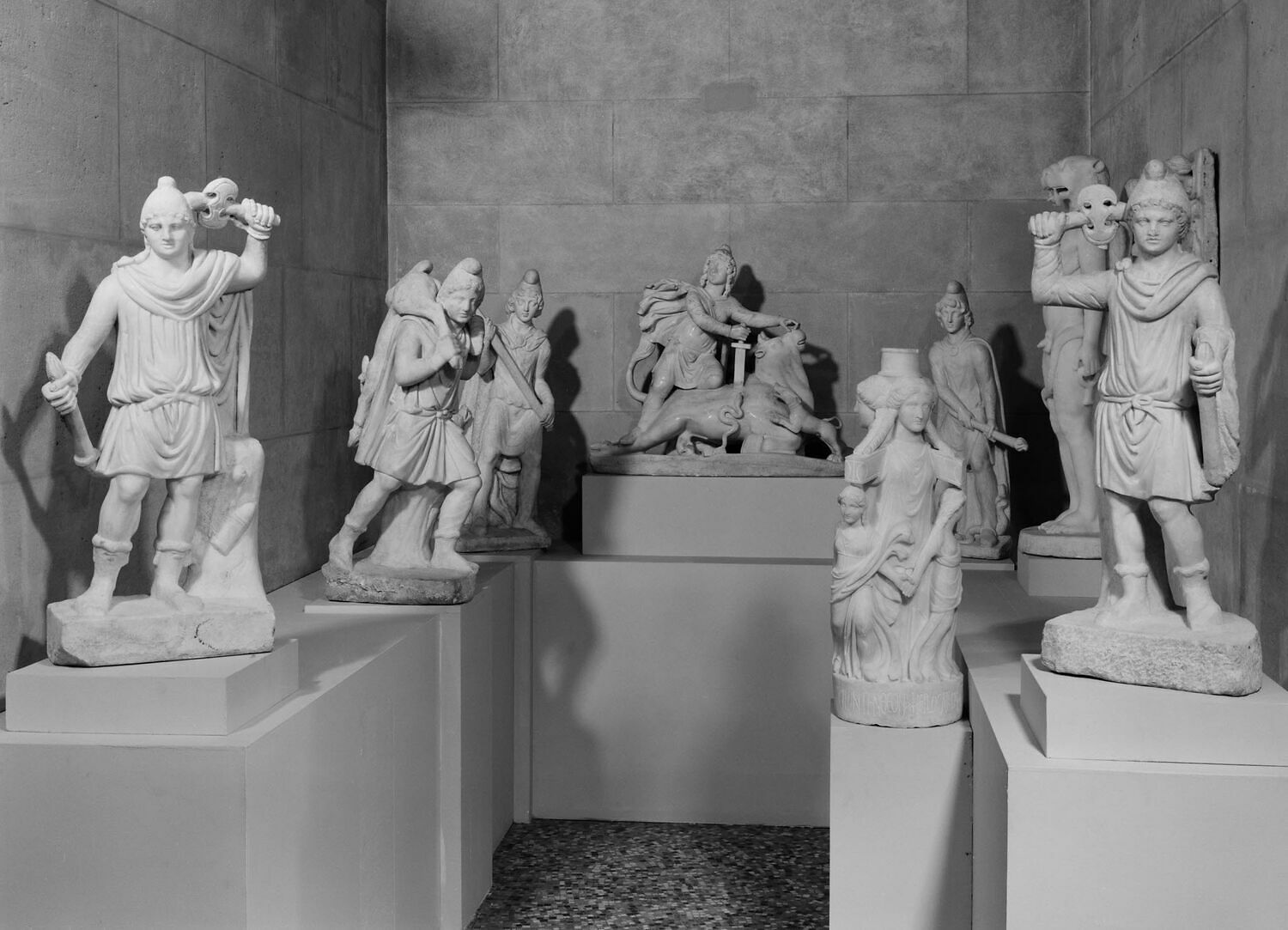
The Mithraeum of Sidon may have escaped destruction because the Mithras worshippers walled up the entrance to the underground sanctuary.
This rock-cut Mithraeum occupies the north-eastern slope of the Grand-Rebberg at Saarburg, featuring a stepped entrance, a sloping central aisle, lateral benches, and a spring-fed water conduit.
Historian, Platonist, and practicing Mithraist writing on tradition, transcendence, and the soul’s ascent through history, myth, and metaphysics.
This altar dedicated to Sol Invictus Mithras by a certain Septimius Zosimus was found in the Basilica of San Martino ai Monti in Rome.
