Your search San Giovanni al Timavo gave 3161 results.

Roman settlement of Dacia superior located in the area of present-day Sibiu in Romania. The site became an important urban and military centre, later developed into the medieval city known as Hermannstadt in German and Nagyszeben in Hungarian.
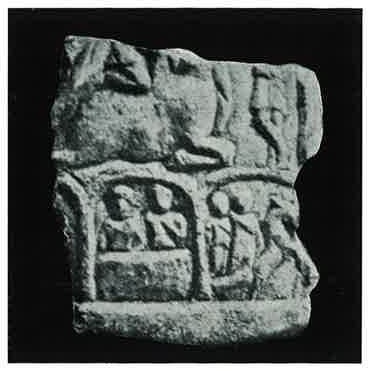
Right lower corner of a marble tauroctony relief from Oltenia, Dacia, preserving the lower portion of Mithras killing the bull.
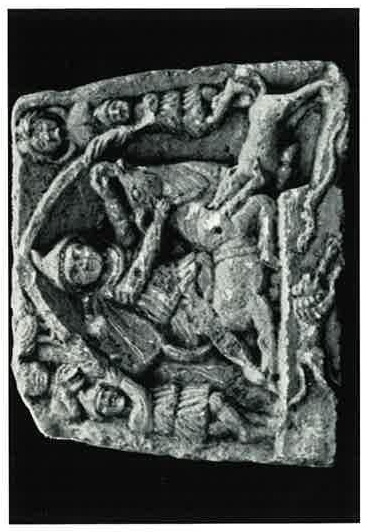
Limestone tauroctony relief from Oltenia, Dacia, of unknown exact provenance, depicting the standard bull-slaying with the full iconographic programme.

To date, there is no evidence that the so-called Mithraeum of Burham was ever used to worship the sun god.
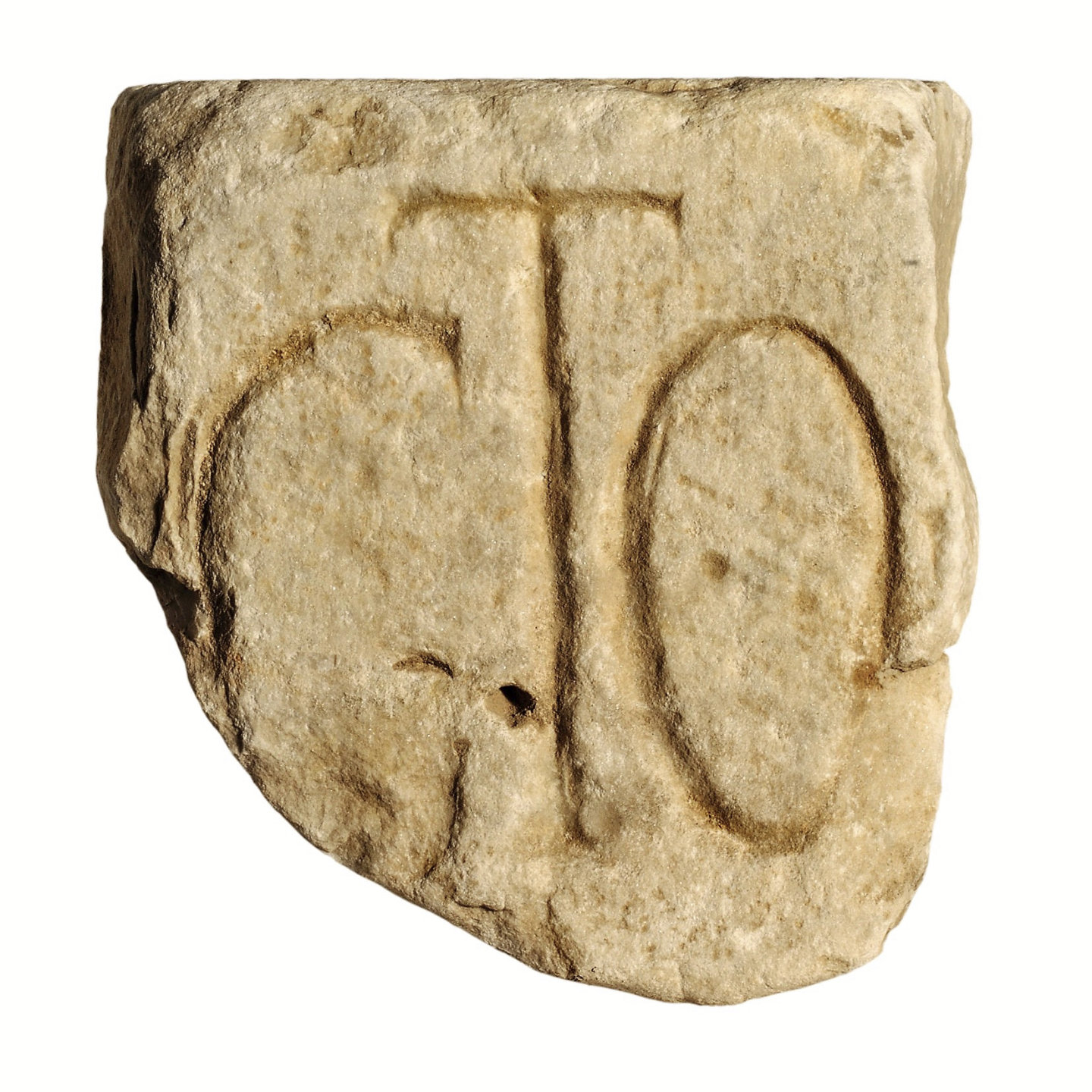
This fragment of the base of a statue from Tarragona, Spain, bears an inscription which appears to be dedicated to the invincible Mithras.
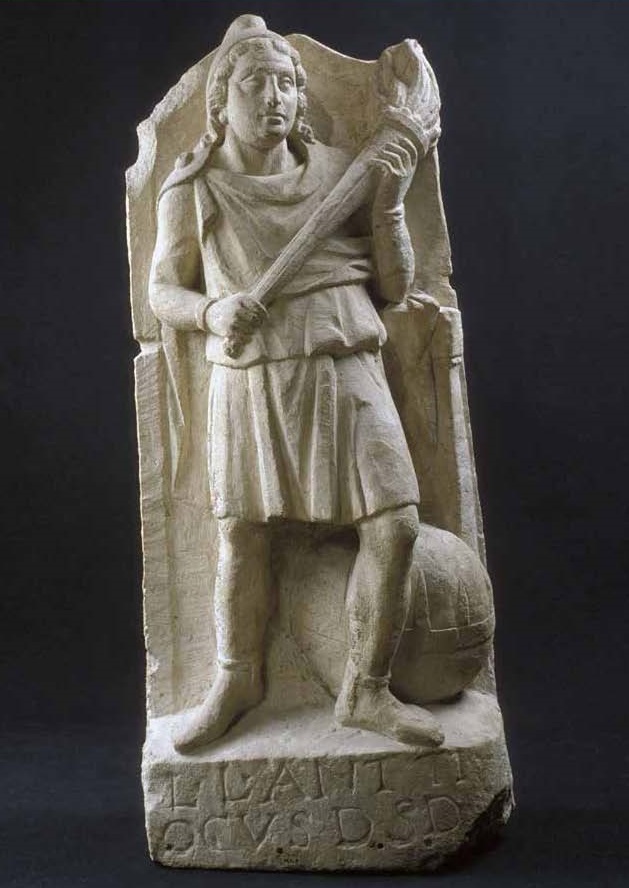
This monument representing Cautes with uncrossed legs was consecrated by a certain Anttiocus.
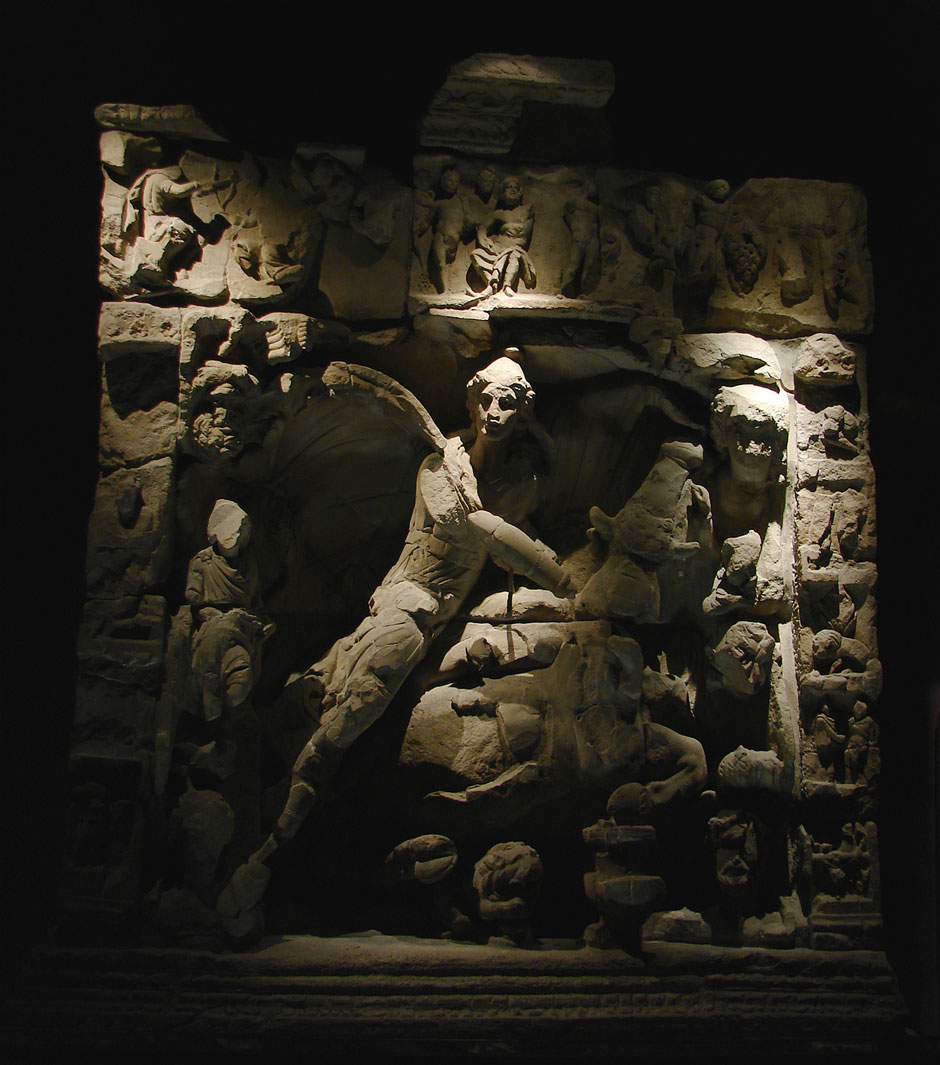
The Tauroctony of Saarbourg (Sarrebourg, ancient Pons Sarravi), France, contains most of Mithras deeds known in a single relief.
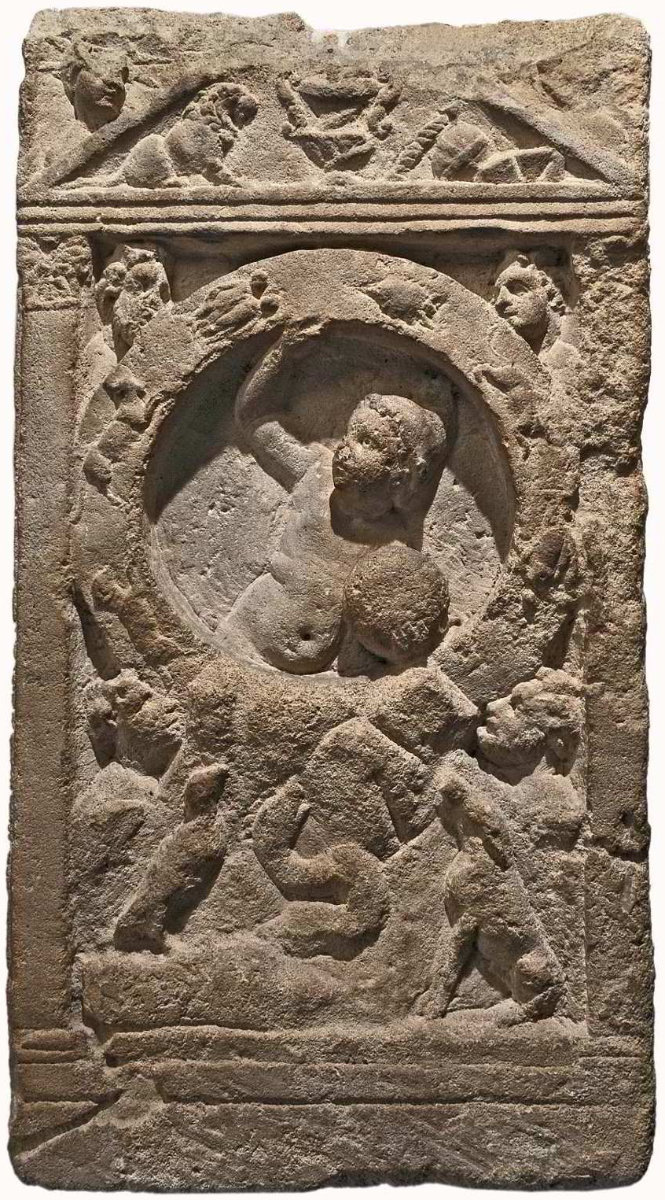
The relief depicts the birth of Mithras, holding a globe, surrounded by the zodiac.
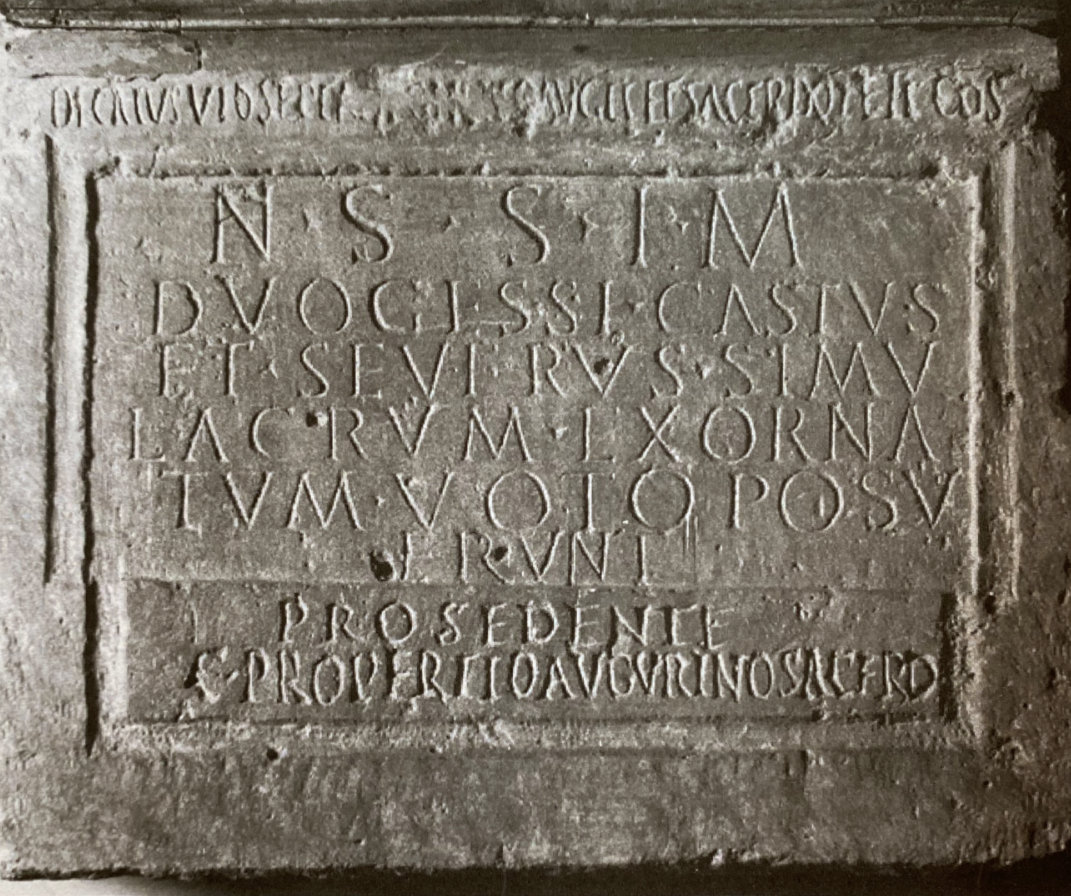
Gessius Castus and Gessius Severus have placed a decorated stutue and left testimony on this inscription below.

A subterranean room with a stucco depiction of Mithras slaying the bull, probably from the fourth century, discovered at Agurzano near Ponte Mammolo on the Via Tiburtina outside Rome.
An inscription to Sol Invictus Mithras found in the Vigna Patritii outside the Porta Pia in Rome, dedicated by Aelius Victorinus, a veteran of the emperors honourably discharged, with M. Aurelius Romulus as antistes and sacerdos of the cult.
A tauroctony relief from Rome, formerly in the Hoffmann Collection, showing Mithras slaying the bull with dog, serpent and scorpion, with the god's pupils fashioned from white enamel and the whole piece heavily restored.
Flat marble base from Rome, with fragments of statue feet still resting on it, bearing a dedication to the Lord Sol in fulfilment of a vow by Claudius Amerimnus, a lictor curiatus.
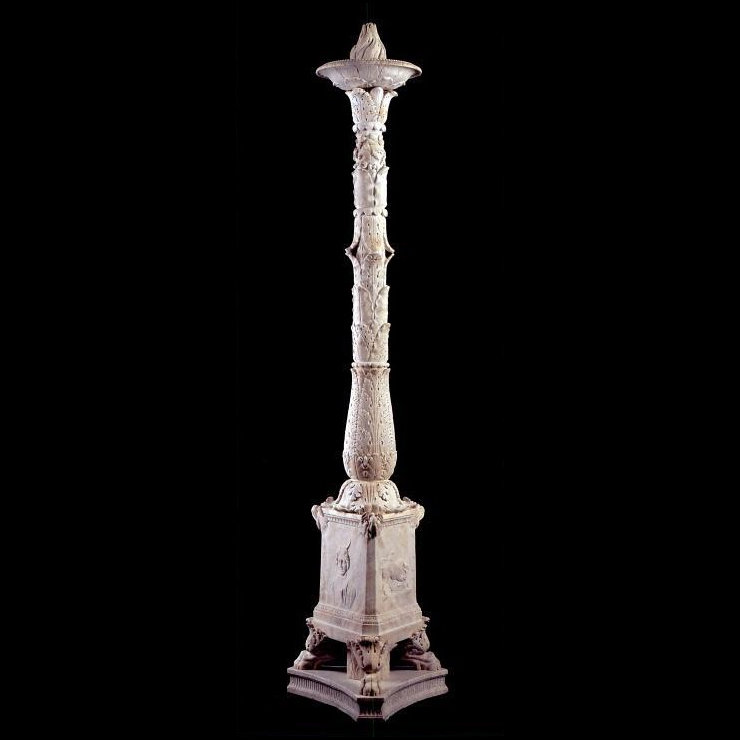
This magnificent candelabrum was found in Rome in 1803, in the Syrian Temple of Janicule.
Mithraic object or evidence from Rome reported as no longer preserved.
Marble base found in 1764 on the Aventine with a dedication to Sol by C. Rufus Volusianus, vir clarissimus, who held the offices of pater, hierophant, prophet of Isis and pontifex of the Sun, dated to the 4th century A.D.

This remarkable Greek marble relief of Mithras killing the bull was discovered in 1705 and remained in private collections until it was bought by the Louvre.
Large marble slab found in 1648 near S. Silvestro in Capite, inscribed with a Latin dedicatory poem forming a cypher-acrostic for TAMESIUS and AUGENTIUS, with records of leontica and chrysos initiations, dated to 362 A.D.

This white marble relief of Mithras killing the bull was found on the Esquilino near the Church of Saint Lucy in Selci in Rome.
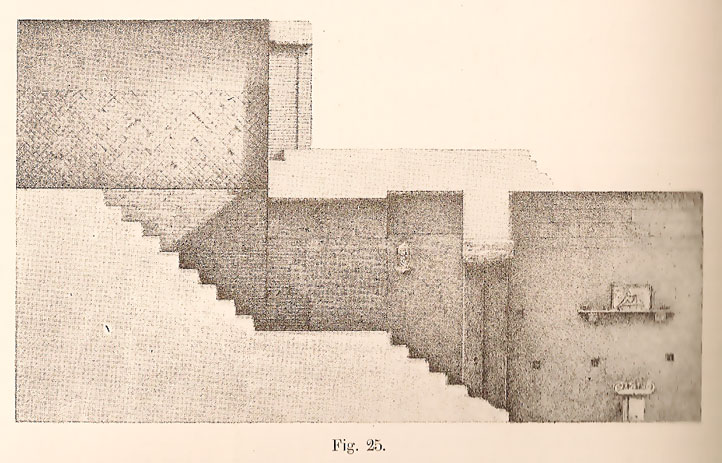
In a house from the time of Constantine, a Lararium was found with a statue of Isis-Fortuna. The Mithraeum was a door next to it, on a lower room.
