Your search San Giovanni al Timavo gave 3159 results.

Sandstone relief fragment from Rückingen showing the upper part of an undressed male figure in a niche, head and left arm lost
Small sandstone relief fragment from Rückingen preserving only the upper part of a head wearing a Phrygian cap
Tall sandstone column base from Mithraeum I at Heddernheim, ancient Nida, with an inscription set between two columns, possibly naming Mithras
Pair of sandstone bases with small columns on the front, carved with a staircase on the reverse, from Mithraeum I at Heddernheim, ancient Nida
Ritual coin deposits beneath sanctuary bases helping date the Mithraeum to the late second century A.D.
Subterranean Mithraic sanctuary near Dormagen with painted walls and a cult relief at the rear.
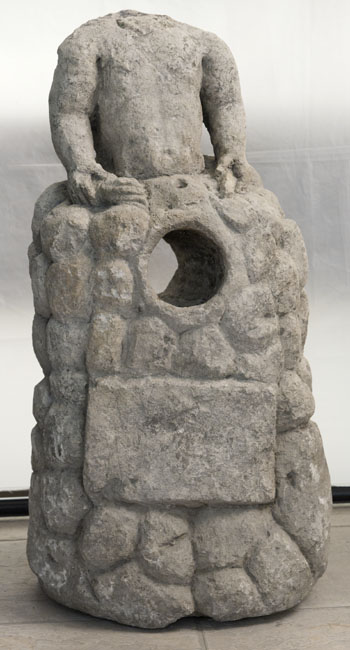
This sculpture from Dobrosloveni, Romania, depicts the petrogenesis of Mithras, with a hole through the generative rock from which water flowed.
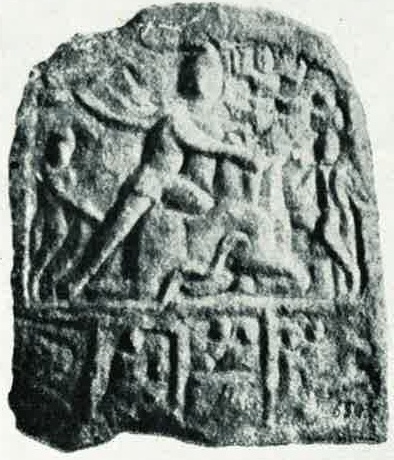
Small arched marble tauroctony relief from Philippovtsi near Sofia, Thracia, divided into two parts by a horizontal rim.
Commagenean sanctuary preserving relief fragments of Mithras greeting royal figures at the hierothesion of Mithridates Kallinikos.
Altar inscription from Sahin invoking the most high heavenly god and Mithras in the Alawite Mountains.

Painted Parthian inscription on a ceramic sherd possibly referring to Mithras as a bull-slayer.

Large apsidal hall with podium discovered at Uruk-Warka, once interpreted as a possible Mithraic sanctuary.
Fragmentary Greek graffito from Dura-Europos recording the prices of everyday goods such as wine, meat, wood and lamp wicks.
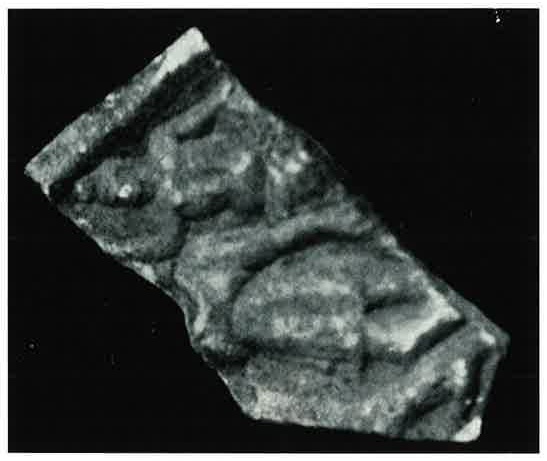
Tauroctony relief fragment with torchbearer and scene of Mithras’ rockbirth from Romula, Romania.
A probable Mithraic sanctuary near Santa Maria in Domnica on the Caelian Hill, known from a group of dispersed reliefs formerly owned by Ottaviano Zeno.

In this relief of Mithras as bull slayer, recorded in 1562 in the collection of A. Magarozzi, Cautes and Cautopates have been replaced by trees still bearing the torches.

The Pontiae islands, including modern Ponza, formed part of the Roman maritime landscape of Latium and preserve one of the most remarkable Mithraic sanctuaries of Roman Italy, renowned for its rare stucco zodiac and astral symbolism.
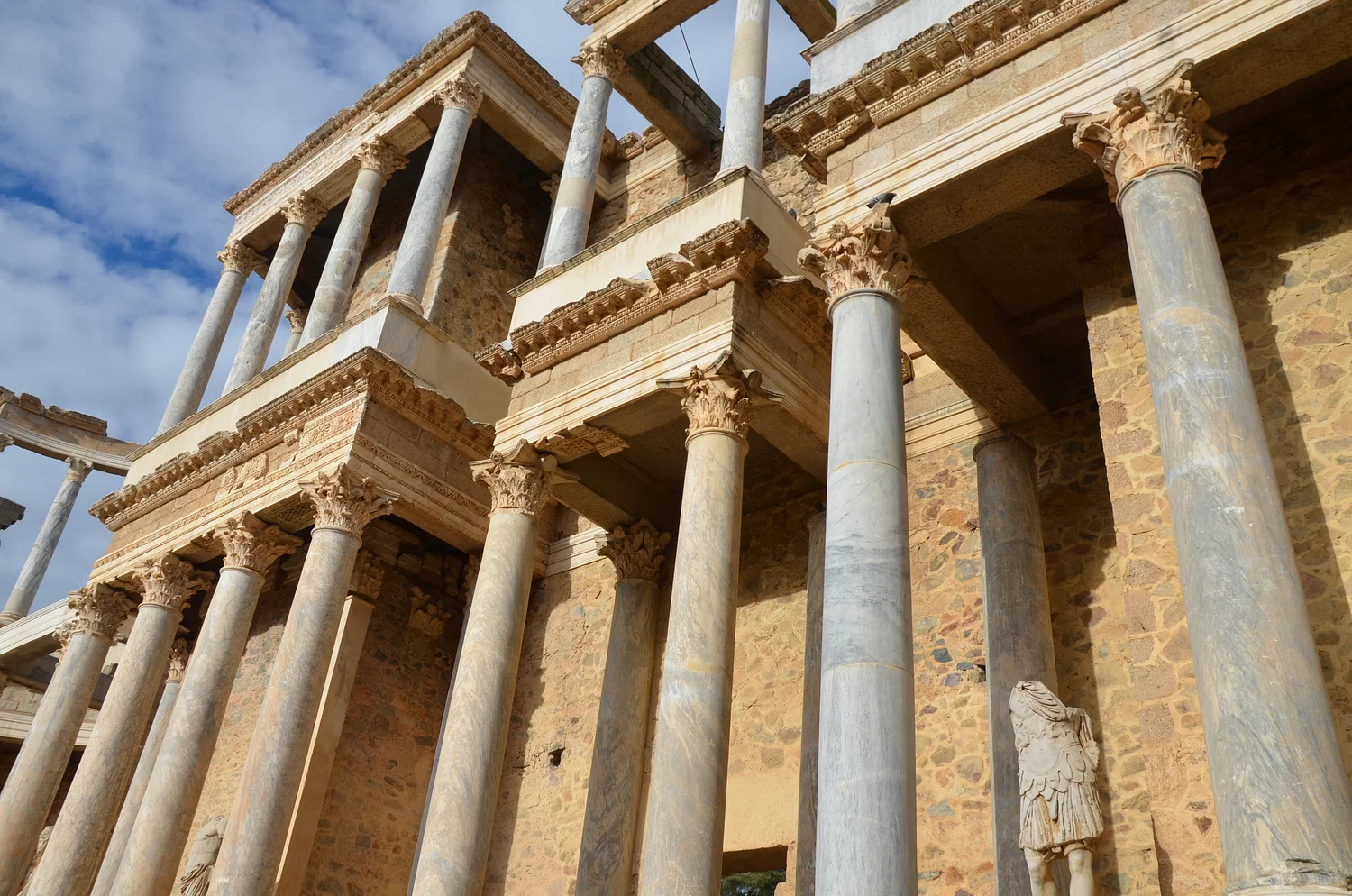
Roman Hispania preserves a relatively modest but strongly urban body of Mithraic evidence, centred above all on Mérida.
Arabia connected the Roman Near East to caravan routes, desert frontiers and the commercial networks of the southern Levant.
Peltuinum was a Roman town of the Vestini on the Via Claudia Nova, founded in the mid-1st century BC. It developed into a regional centre with city walls, a sanctuary, a theatre and an amphitheatre, and was monumentalised in the early Imperial period
