Your search Sankt Johann im Pongau gave 1046 results.

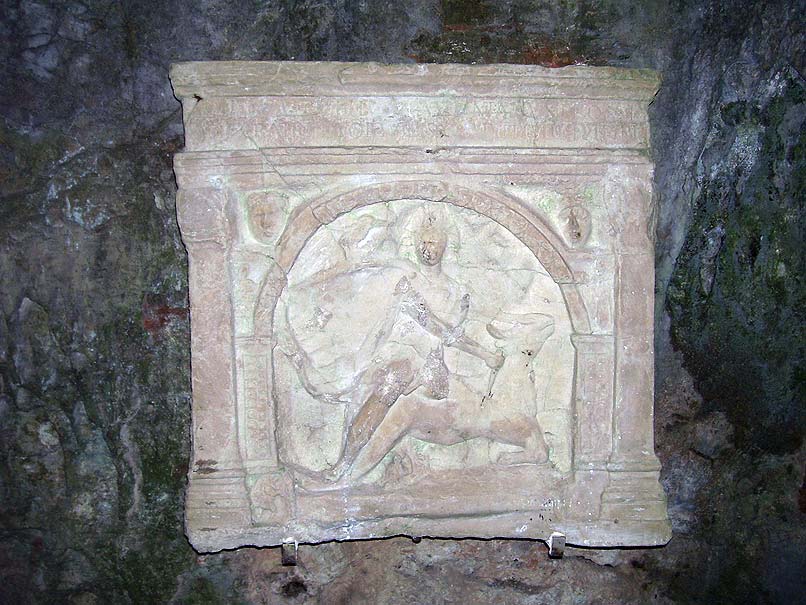
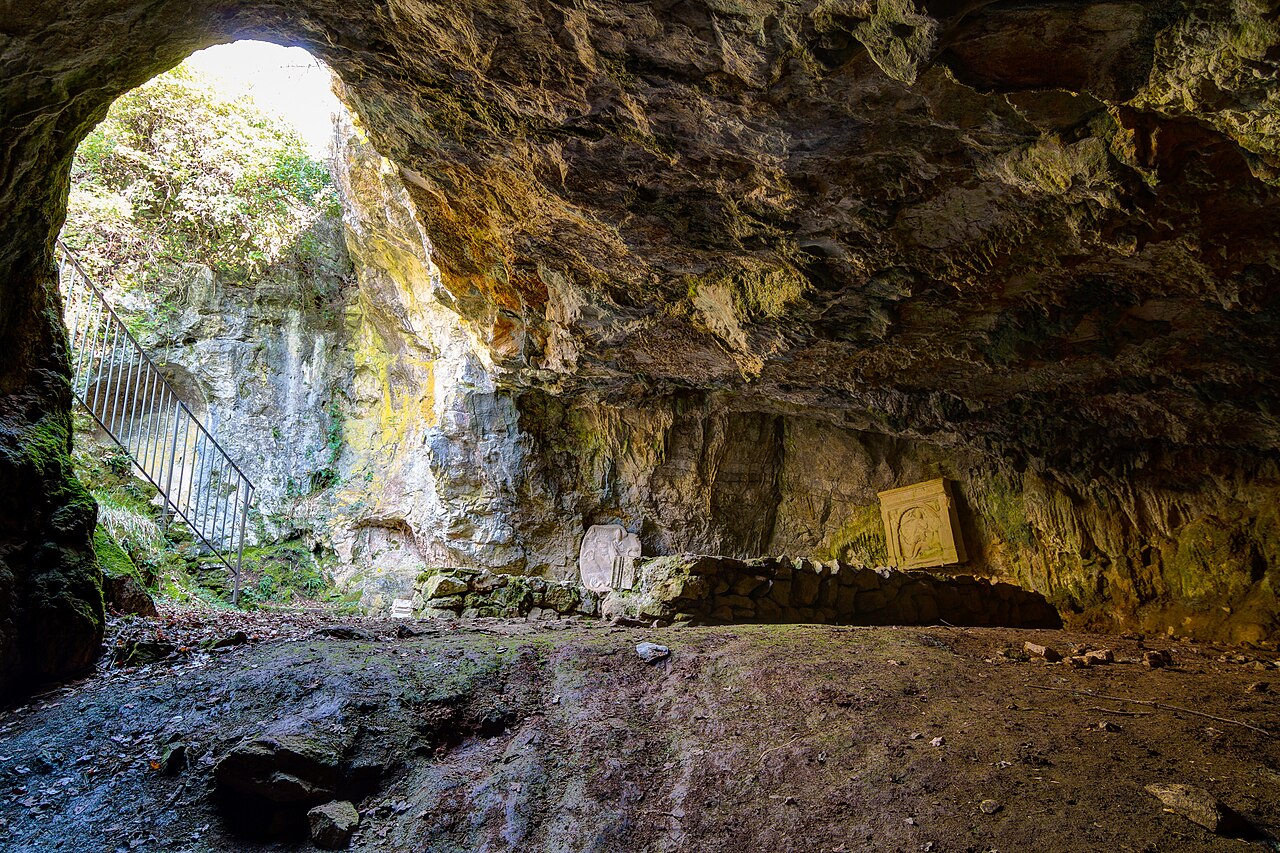
The site was destroyed in the 5th century but some elements, including the benches, can still been seen.

An inscription from Asturica (modern Astorga) recording a dedication to Jupiter Optimus Maximus, Sol Invictus and Liber Pater by Q. Mamilius Capitolinus, juridical legate and later prefect of the Treasury of Saturn, for the welfare of himself and his family…

Sextus Pompeius Maximus was an Ostian pater, later honoured as pater patrum, whose benefactions transformed the Aldobrandini Mithraeum and linked him to the city’s ferry guilds.
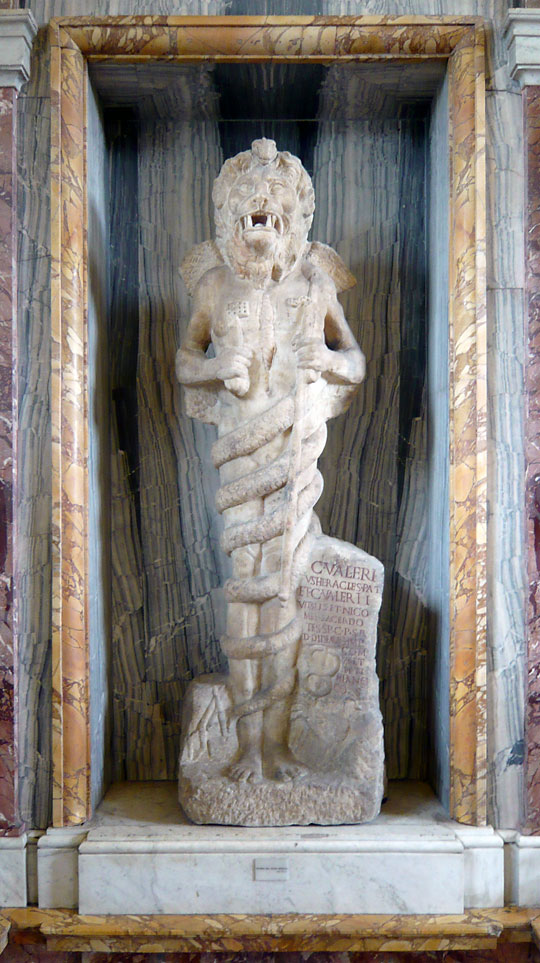
Marble leontocephalic Aion/Arimanus from the now-lost Fagan Mithraeum at Ostia, dedicated in AD 190 by three members of the local Mithraic priesthood.

Marble cap mentioned by Visconti, subsequently identified as certainly belonging to the finds of the Mitreo degli Animali rather than the Mitreo del Palazzo Imperiale, Ostia.
Junia Zosime is known from an inscription discovered at Ostia recording the donation of a silver statue of the Virtus of the dendrophori.
Marble head of Helios-Mithras with curly hair and seven holes for fastening rays, from the Mitreo degli Animali at Ostia, Lateran Museum.
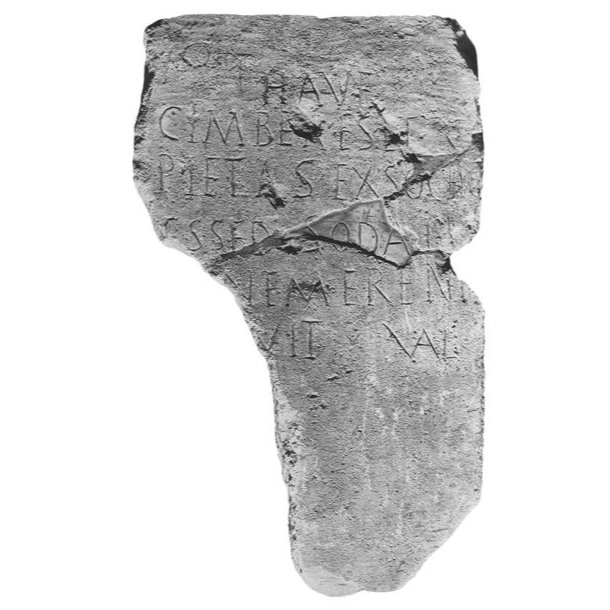
This monument with an inscription by two individuals was found in the first mithraeum of Cologne, Germany.
Limestone slab dedicated to the invincible Sun by the governor Marcus Aurelius Decimus near the temple of Aesculapius.
Fragment of a sandstone relief from Nida-Heddernheim depicting the torchbearer Cautopates.
Dedication from the Mithraeum of Rudchester recording the restoration of a temple dedicated to Sol Invictus.
A small limestone votive altar from Pola (modern Pula) bearing on its front face a damaged relief head of a youthful Sol with long curly hair, above which is carved the inscription Soli and below the dedicatory text by Atticus (No. 757).

A large inscription from Olisipo (modern Lisbon), recording a dedication to the Eternal Sol and Luna for the perpetuity of the empire and the welfare of Septimius Severus, Caracalla and Geta, executed under the supervision of Drusus Valerius Coelianus and others, dated to the Severan period…
A double-sided limestone relief found near Meclo in Val di Non in 1895, now in the Museo Nazionale at Trento, with a raven and altar scene on the obverse and scenes on the reverse showing a figure attacking a kneeling Phrygian-capped person and Mithras as a bull-carrier…
A limestone low-relief tauroctony fragment found in 1869 near the entrance of the valley of San Zeno di Romedio in the Trentino, now in the Museum at Trento, showing a primitive Mithras bullkiller with Cautes upraised, the bust of Luna and an inscription on the lower border…
