Your search Stein am Rhein gave 1059 results.
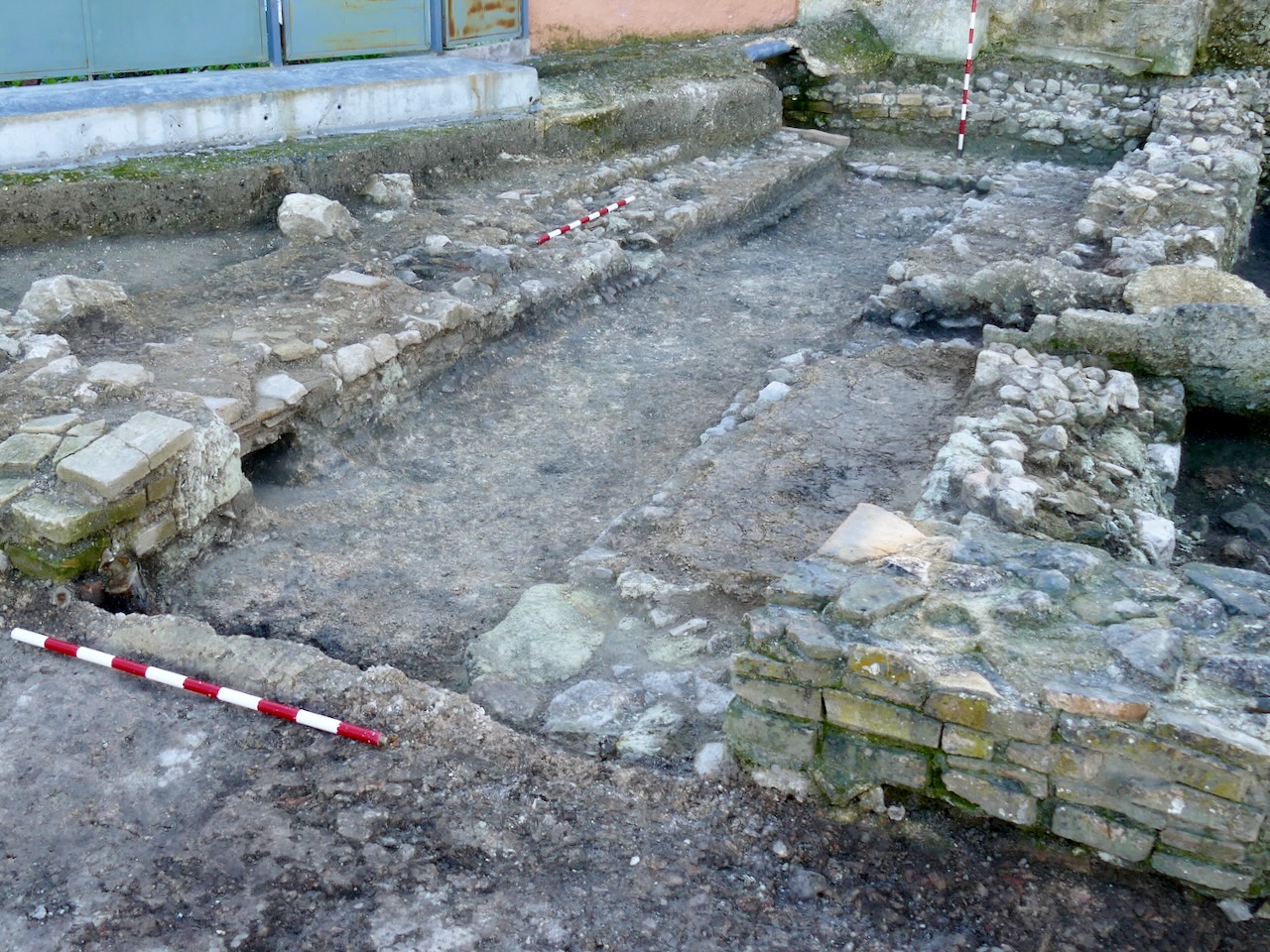
The Mithraeum of Cabra is located in the Villa del Mitra, which owes its name to the discovery in 1951 of a Mithras tauroctonus in the remains of the Roman villa.
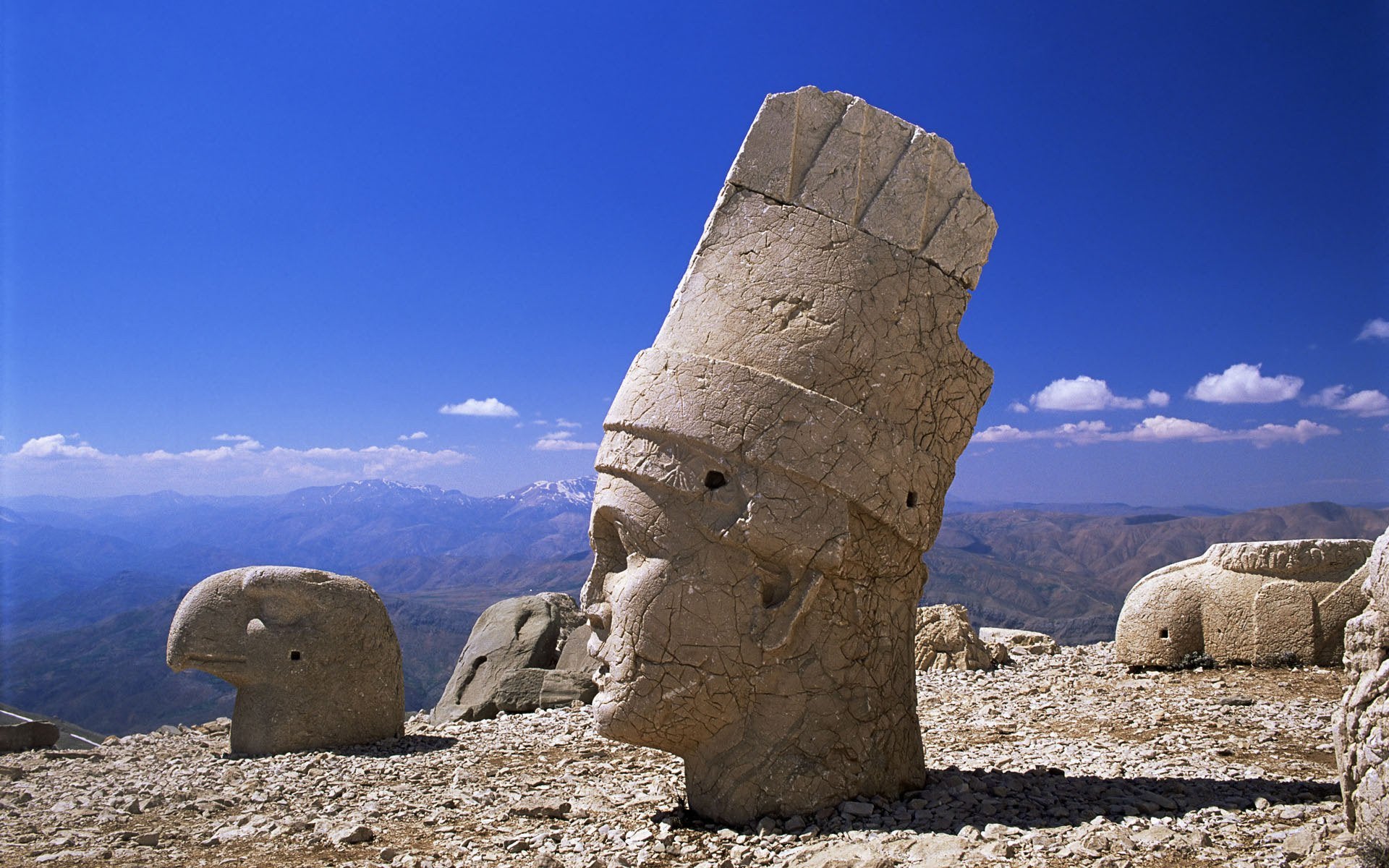
The colossal head has been identified as a solar god, Apollo-Mihr-Mithras-Helios-Hermes.
Painted Parthian inscription on a ceramic sherd possibly referring to Mithras as a bull-slayer.
Large apsidal hall with podium discovered at Uruk-Warka, once interpreted as a possible Mithraic sanctuary.
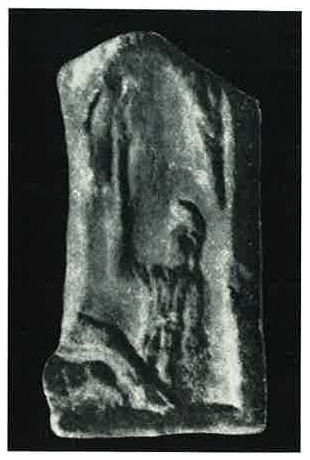
The site of Ay-Todor in Crimea revealed a Roman camp, a temple with votive offerings, and a Mithraeum.

Sassanian-period frescoes discovered at Susa whose possible Mithraic interpretation remains uncertain.

Ancient region of the Crimean Peninsula associated with the Greek colonies and Roman presence in Taurica.
Fragmentary Greek graffito from Dura-Europos recording the prices of everyday goods such as wine, meat, wood and lamp wicks.
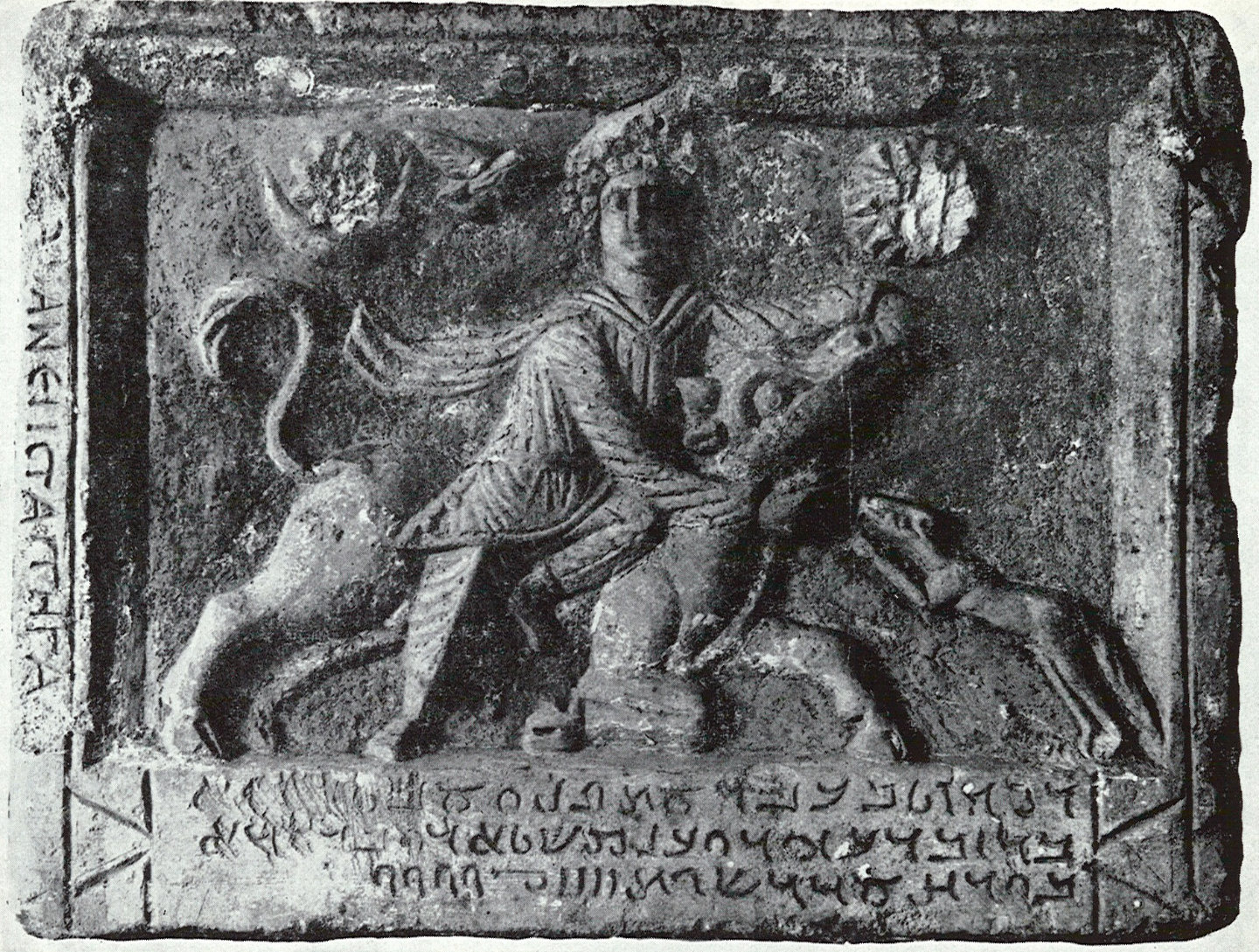
One of the reliefs of the Dura Europos tauroctonies includes several characters with their respective names.
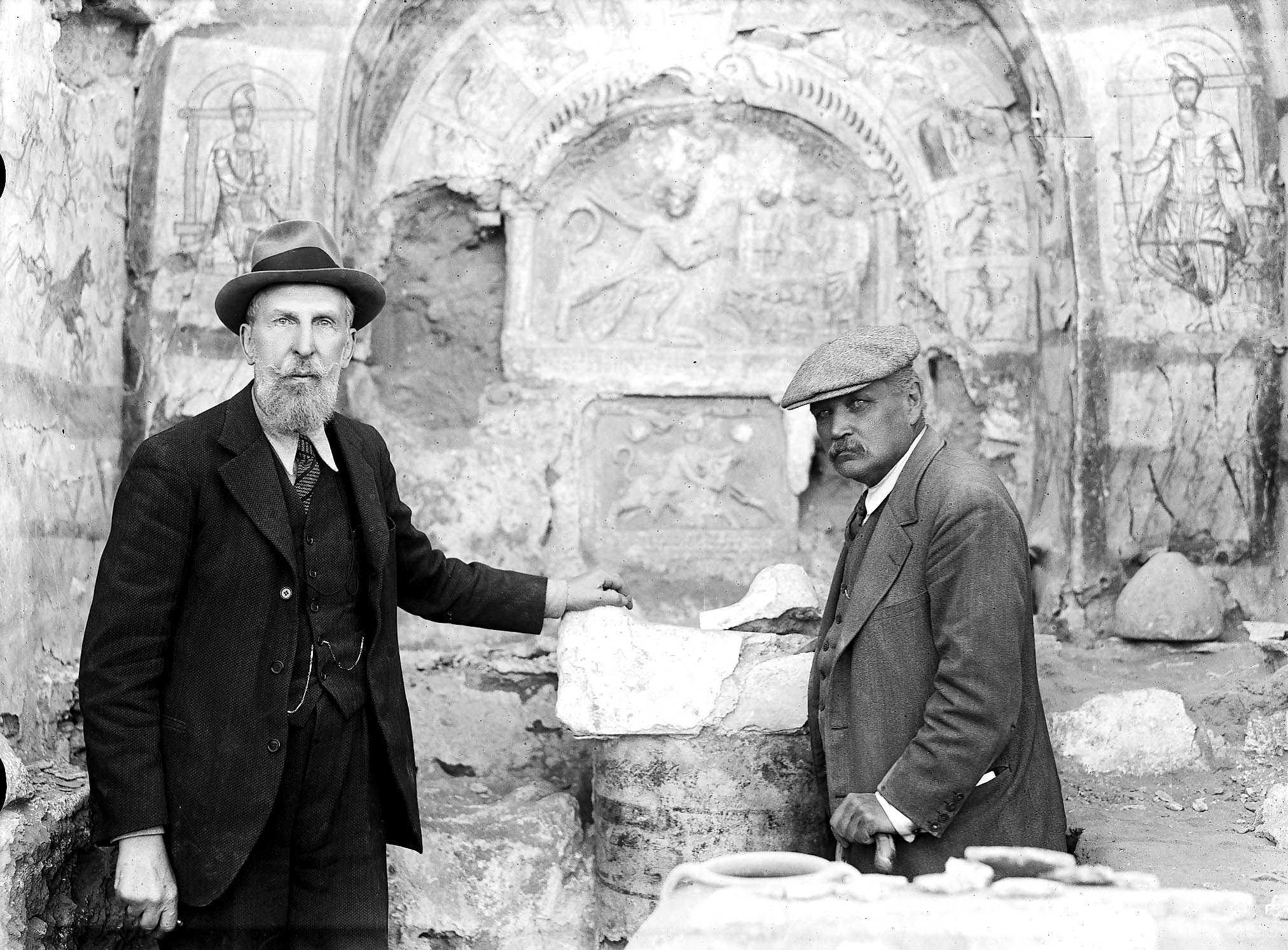
The most emblematic of the Syrian Mithraea was discovered in 1933 by a team led by the Russian historian Mikhaïl Rostovtzeff.
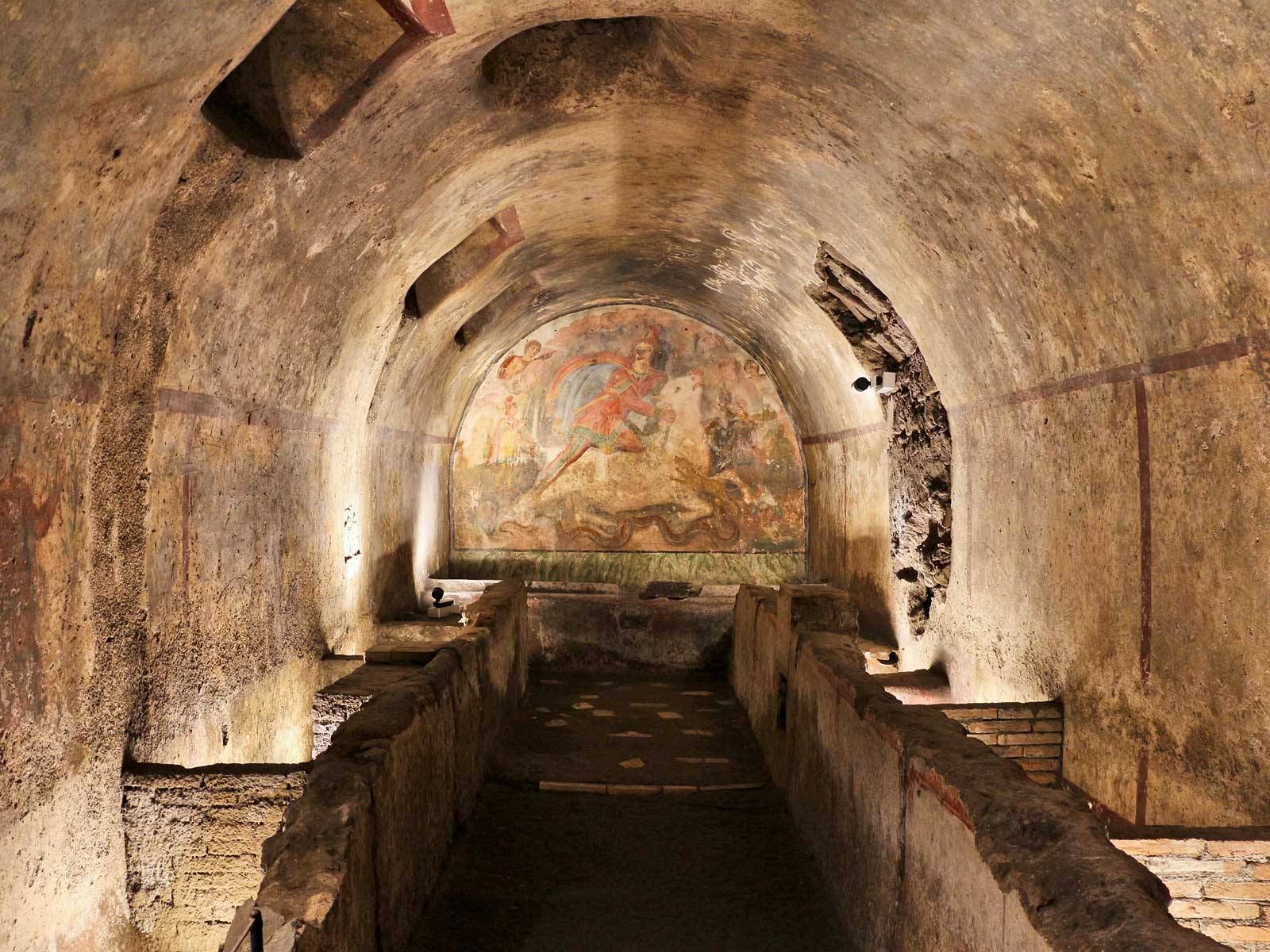
One of Roman Italy’s most important Mithraic sanctuaries, the Mithraeum at S. Maria Capua Vetere preserves a remarkable painted cycle of initiation scenes, offering rare visual evidence for the ritual life of Roman Mithaism.
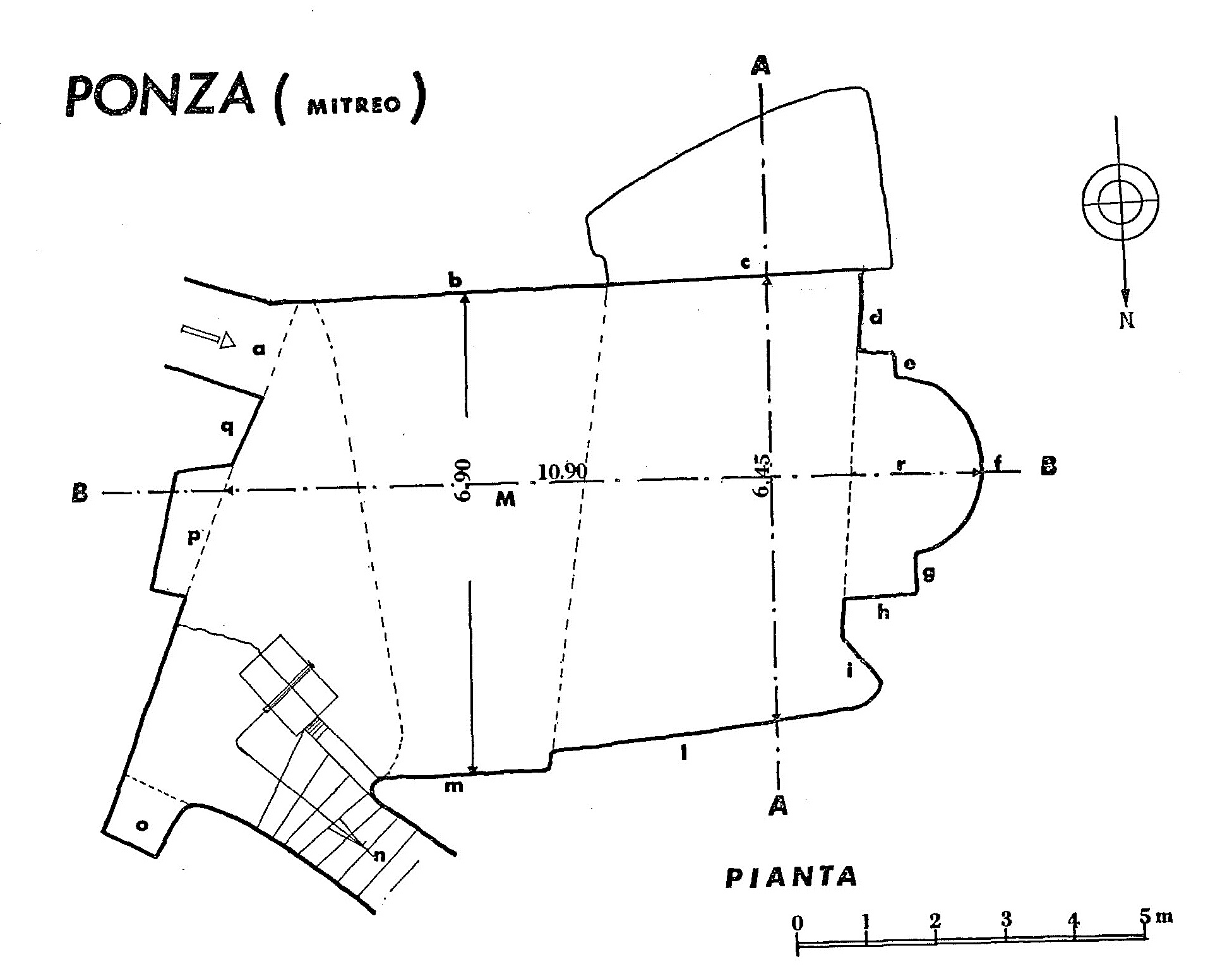
This Mithraic shrine on the island of Ponza is renowned for its exceptional stucco zodiac and astral symbolism linked to Roman Mithaism.

Emperor Caracalla ordered one of Rome’s largest temples to the god Mithras to be built in the baths bearing his name.
Alexandria was founded by Alexander the Great in April 331 BC as one of his many city foundations. After he captured the Egyptian Satrapy from the Persians, Alexander wanted to build a large Greek city on Egypt’s coast that would bear his name.
Al-Ankawi is a Syrian town located in the Ziyarah Subdistrict of the al-Suqaylabiyah District in Hama Governorate.
Syracuse is a city and municipality, capital of the free municipal consortium of the same name, located in the autonomous region of Sicily in Southern Italy.
Viminacium was a major city, military camp, and the capital of the Roman province of Moesia.
Wiesbaden is the capital of the German state of Hesse, and the second-largest Hessian city after Frankfurt am Main.
Vetera was the name of the location of two successive Roman legionary camps in the province of Germania Inferior near present-day Xanten on the Lower Rhine.
Founded on the site of ancient Byzantium and refounded in 330 CE, Constantinopolis became an imperial residence in the eastern Roman Empire. In the 4th century, it was a key setting for interaction between traditional cults and Christian authority.
