Your search Tal hal Hariri / Es-Sâlihiyeh / As Salhiyah gave 3730 results.

Two basalt altars set into the corners of the west podium at Mithraeum III, Heddernheim, ancient Nida, one now lost
Two stone relief heads of torchbearers in Phrygian caps, from Mithraeum II at Heddernheim, ancient Nida, with traces of Mithras's mantle
Assemblage of cult refuse from shaft M at Mithraeum I, Heddernheim, ancient Nida, including pottery, bones, a boar's tooth, and a bronze ring with Mercury
Basalt relief from Mithraeum I at Heddernheim, ancient Nida, featuring a depiction of the goddess Epona, found in a Mithraic context
Sandstone relief preserving parts of Mithras, the dog and Cautopates from a lost third Mithraeum at Friedberg.
Ritual coin deposits beneath sanctuary bases helping date the Mithraeum to the late second century A.D.
Sandstone altar decorated with ritual vessels and the hooked staff associated with Roman beneficiarii.
Sandstone altar from the cella decorated with a knife and axe and originally placed on one of the sanctuary bases.

The lion-headed statue of Hedderneheim is a reconstruction from fragments of two different sculptures.
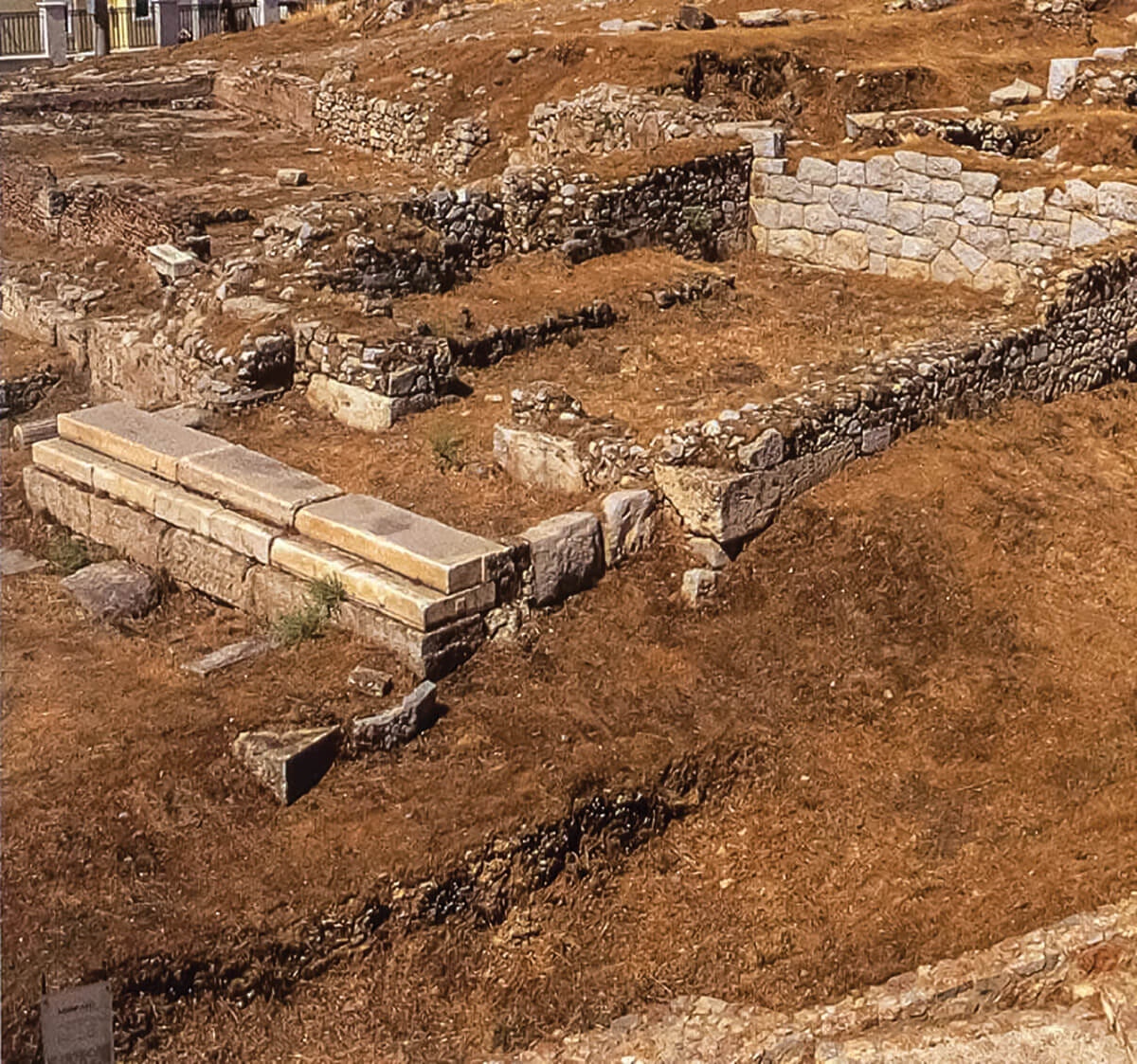
A Mithraeum has been identified in Eleusis where the last Hierophant form thespia had the rank of Father in the Mithraic Mysteries.

Subterranean sanctuary at ancient Atchana tentatively interpreted by Woolley as an early precursor to later Mithraic temples.
Many of the inscriptions and sculptures of the site were kept in a museum which has been destroyed.
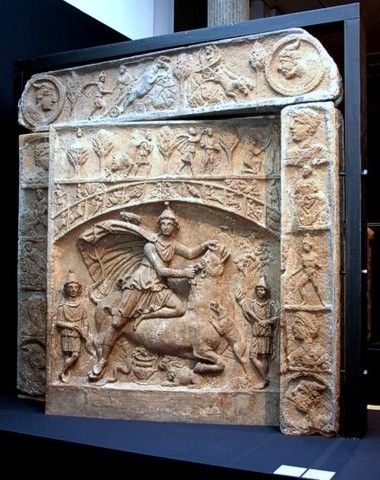
This relief is so well-known that it has been reproduced in nearly every handbook of archaeology and of history of religions.
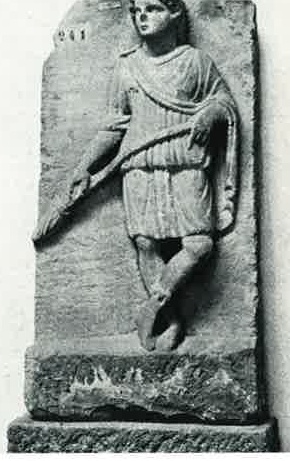
Relief in red sandstone originally standing on a base in Mithraeum I at Heddernheim, ancient Nida, featuring the bull-slaying scene.
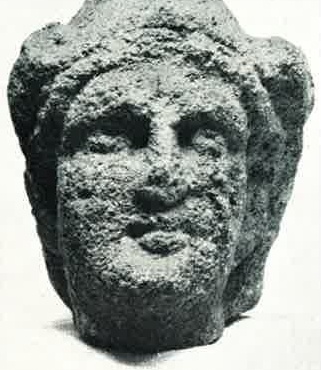
Sandstone fragment from Mithraeum I at Heddernheim, ancient Nida, probably the damaged head of a torchbearer, often misidentified as Mercury.

Nida was an ancient Roman town in the area today occupied by the northwestern suburbs of Frankfurt am Main, Germany, specifically Frankfurt-Heddernheim, on the edge of the Wetterau region.
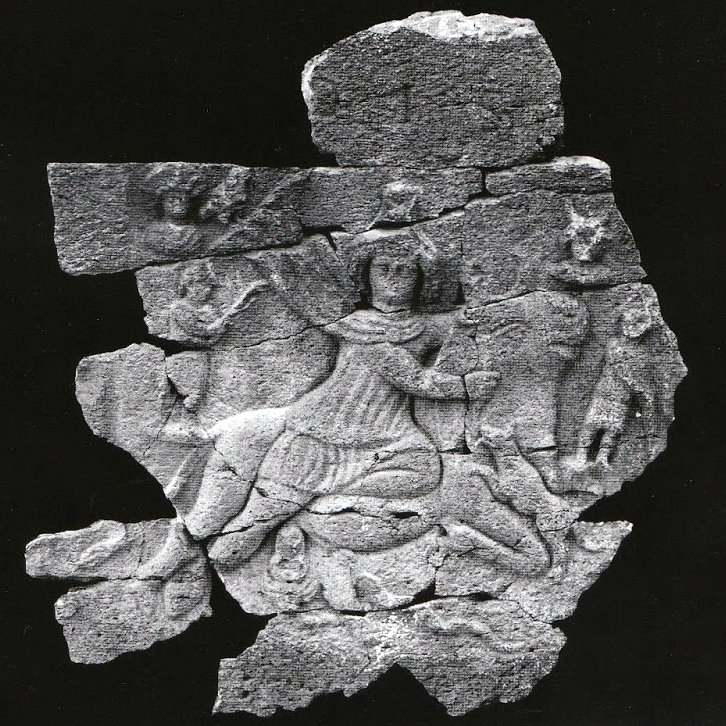
The second tauroctony of Jabal al-Druze seems to have be made by the same sculptor.
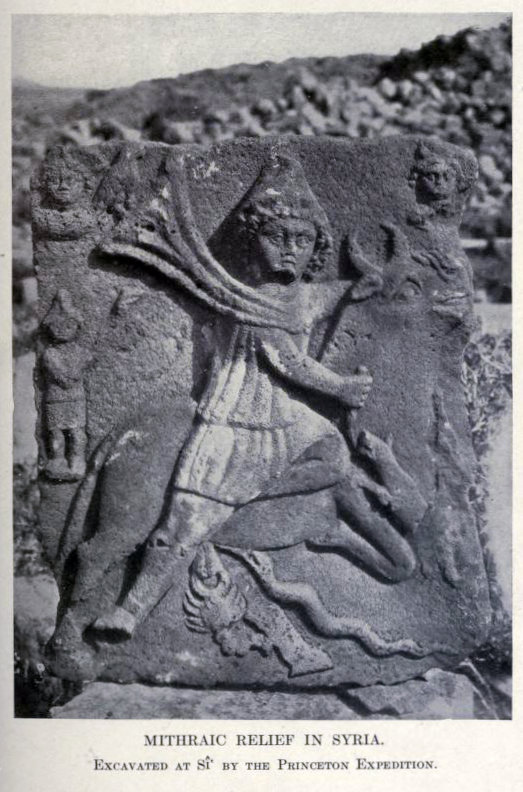
In the tauroctony of Jabal al-Druze in Syria, the snake appears to be licking the head of the bull's penis.
Uruk, the archeological site known today as Warka, was an ancient city in the Near-East or West-Asia, located east of the current bed of the Euphrates River, on an ancient, now-dried channel of the river in Muthanna Governorate, Iraq.
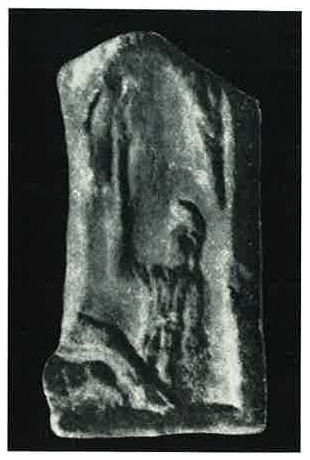
The site of Ay-Todor in Crimea revealed a Roman camp, a temple with votive offerings, and a Mithraeum.
