This site uses cookies to offer you a better browsing experience.
Find out more on how we use cookies in our privacy policy.

 
Quaere

The New Mithraeum Database

Find news, articles, monuments, persons, books and videos related to the Cult of Mithras

Your search Tal hal Hariri / Es-Sâlihiyeh / As Salhiyah gave 2480 results.

 
Monumentum

Altar of Vettius Agrorius Praetextatus

The marble altar mentions Vettius Agrorius Praetextatus as Pater Sacrorum and Patrum and his wife Aconia Fabia Paulina.

Syndexios

Thrasyllus of Mendes

Thrasyllus was an Egyptian of Greek descent grammarian, astrologer and a friend of the Roman emperor Tiberius.

 
Liber

The “Mithras Liturgy”. Text, Translation, and Commentary

A critical edition of the Mithras Liturgy (PGM IV.475–834), providing the Greek text, English translation, commentary, and an updated discussion of its interpretation since Albrecht Dieterich’s 1903 edition.

 
Liber

Découvertes archéologiques sur le site de Parunis. De Mithra aux Carmes

Catalogue de l'exposition tenue au Musée d'Aquitaine du 15 février 1988 au 16 mai 1988 sur le site de Parunis.

 
Monumentum

Tauroctony of Strasbourg

These fragments of a monumental relief of Mithras killing the bull from Koenigshoffen were reassembled and are now on display at the Musée Archéologique de Strasbourg.

 
Monumentum

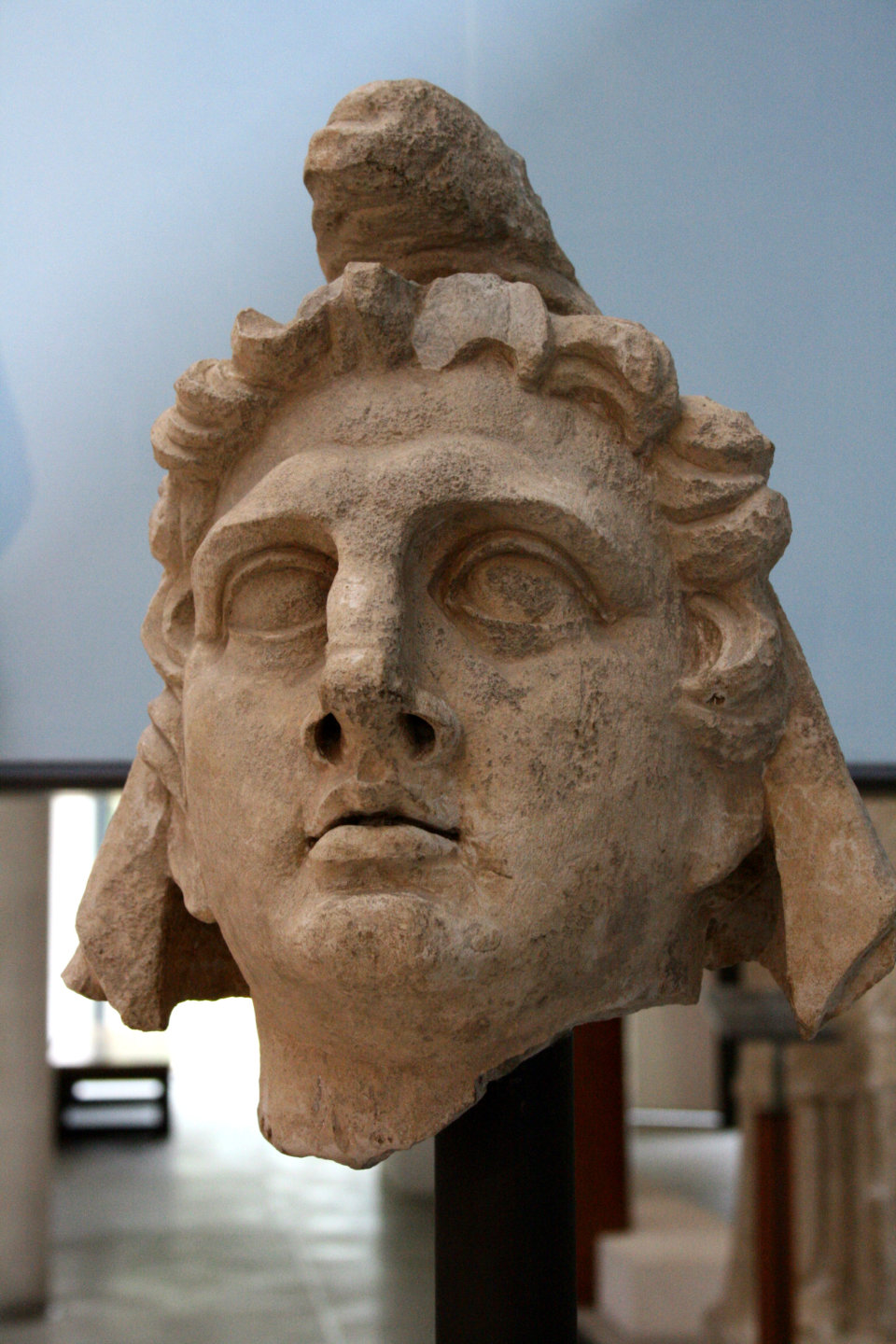
Mithras head of Arles

This head of Italian marble, found at Arles, probably belongs to a sculpure of Mithras.
 
Monumentum

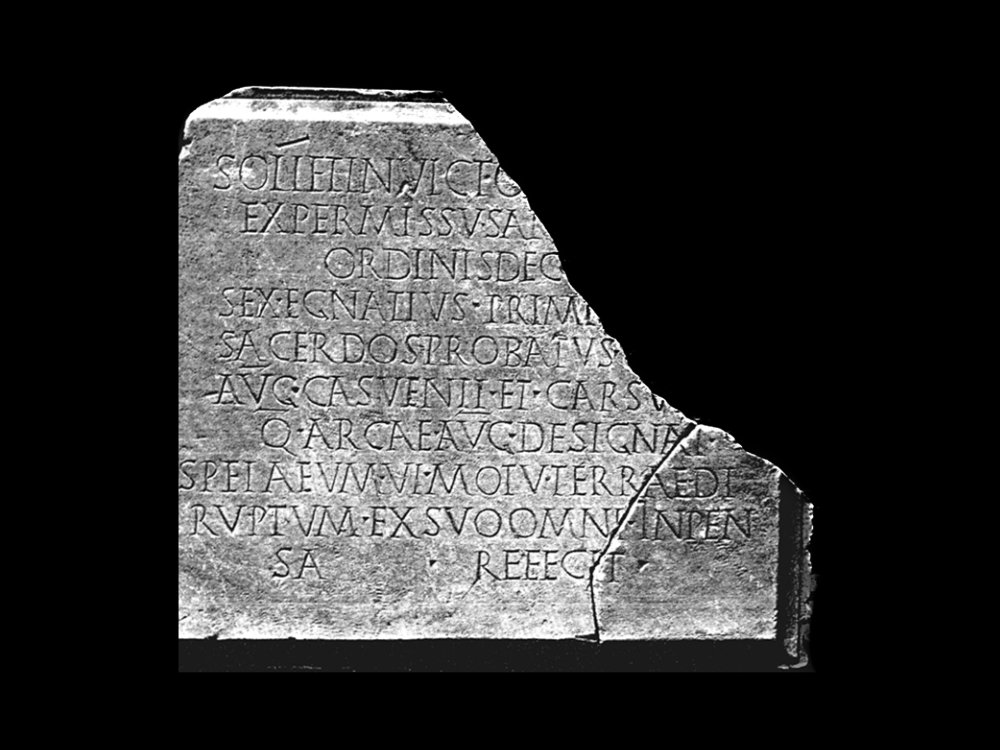
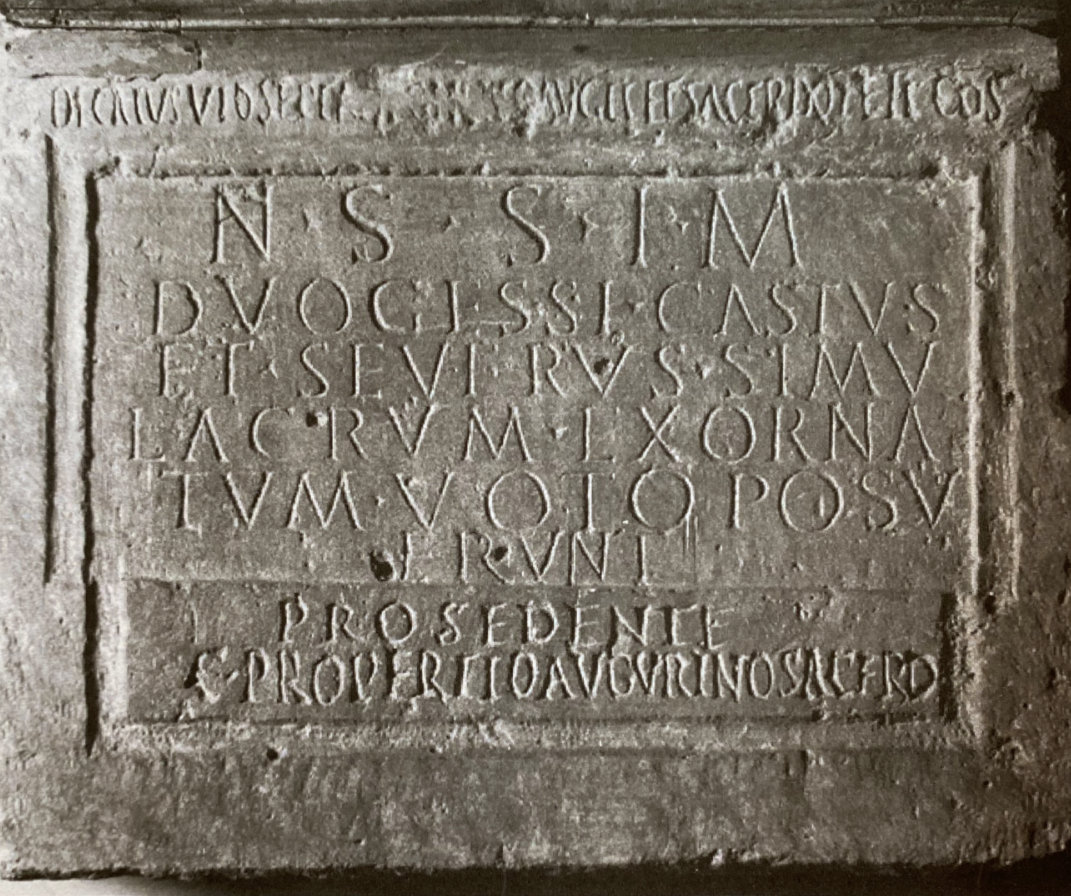
Tauroctony of Aelius Hylas from Doştat

This monument bears an inscription by a certain Lucius Aelius Hylas, in which he associates Sol Invictus with Jupiter.

 
Notitia

The Golden Ass: Book XI

The concluding book of Apuleius’ Golden Ass (or Metamorphoses), where Lucius, the story’s protagonist, undergoes initiation into the mysteries of Isis and Osiris.

 
Notitia

Mithras in Hispania

On the occasion of the discovery of a Mithraeum in Cabra, Spain, we talk to Jaime Alvar, a leading figure in the field of Mithraism. With him, we examine the testimonies known to date and the peculiarities of the cult of Mithras in Hispania.

 
Monumentum

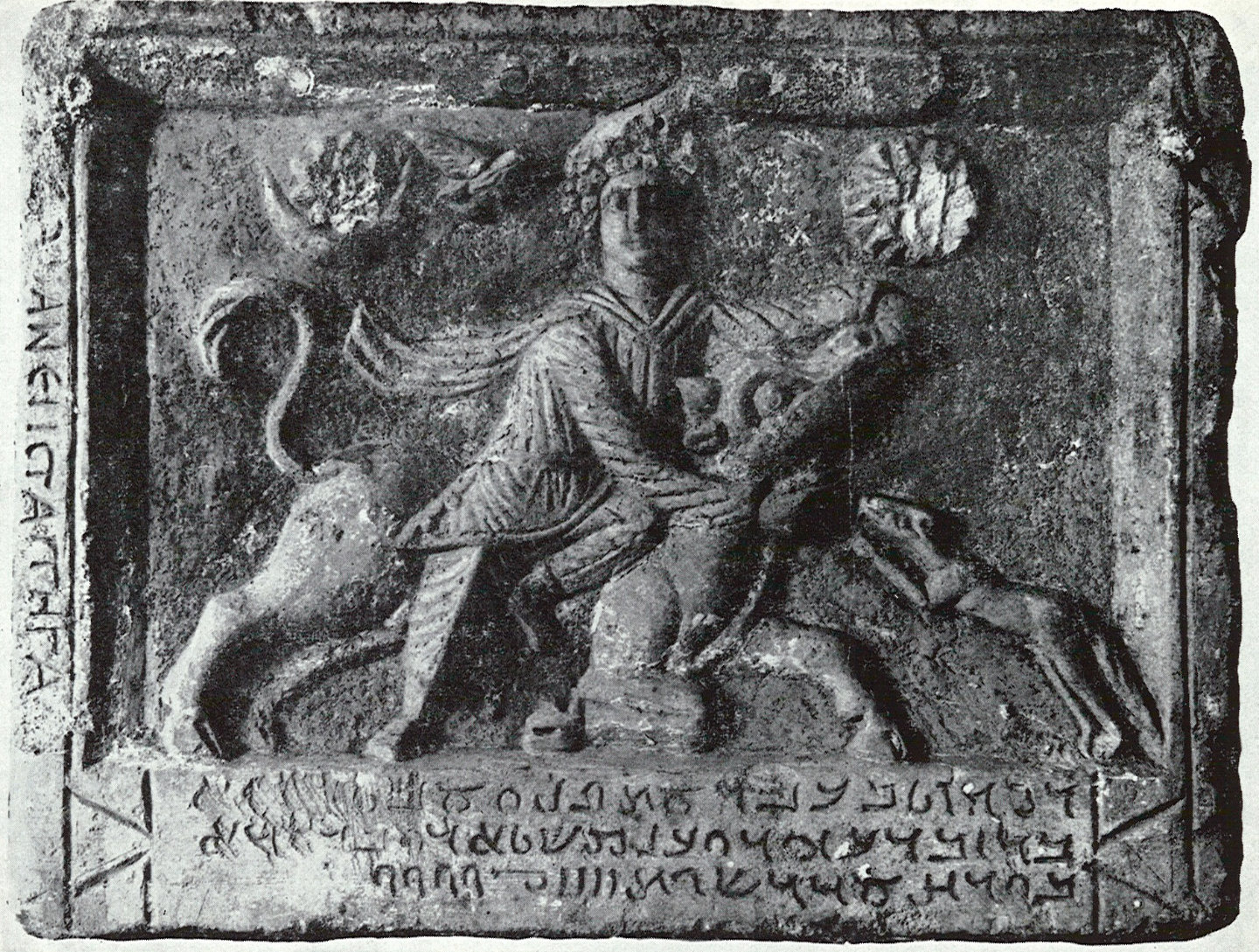
CIMRM 42

Around the relief with Mithras as a bullkiller, a number of scenes from the Mithras Iegend have been painted in the Mithraeum of Dura Europos.

 
Monumentum

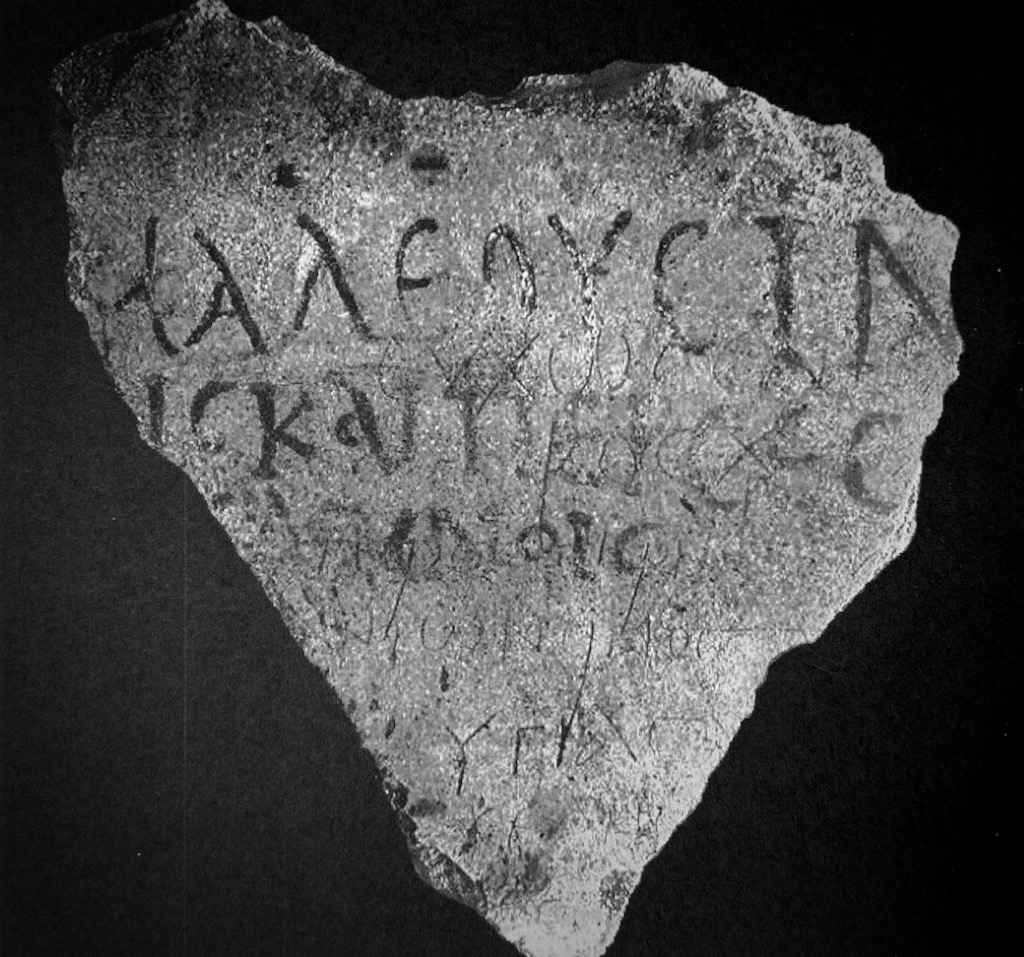
Inscription to Tourmasgade of Dura Europos

This inscription by a certain Ioulianos, found at the entrance to the Dolichenum at Dura Europos, bears an inscription to Zeus Helios Mithras et Tourmasgade.

 
Monumentum

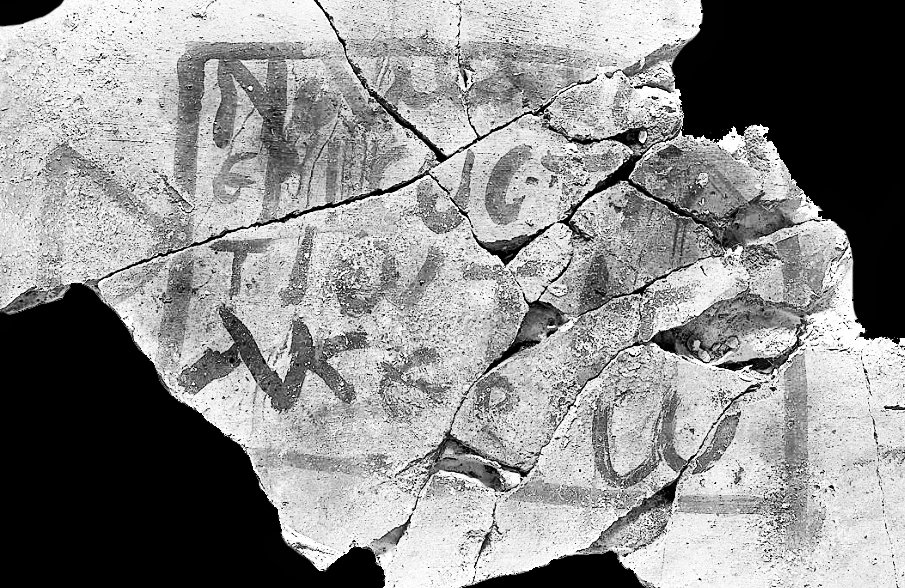
Graffiti to Kamerios from Dura Europos Mithraeum

The text mentions a certain Kamerios, described as immaculate miles.

 
Monumentum

Frescoes of 'Magis' from Dura Europos

Some scholars have speculated that the scrolls both figures hold in their hands represent Eastern doctrines brought to the Western world.

 
Liber

Mithriaca IV. Le Monument d'Ottaviano Zeno et le culte de Mithra sur le Célius

Ce 4e fascicule de Mithriaca concerne un très curieux monument exhumé au XVIe siècle sur le site d'un Mithraeum qu'on localise tout près de l'église S. Maria in Domnica, non loin de S. Stefano Rotondo où un autre spelaeum fut mis au jour en 1973…

 
Monumentum

Inscription on the base of a statue from Stabiae

This inscription on white marble by Lucius Gavidius uses the term ther cultores to refer to his Mithraic community in Stabiae, Italy.

 
Monumentum

Album of Sentinum

This inscription reveals the names of 36 cultori of Sentinum, one of whom bears the title of pater leonum.

 
Monumentum

Altar of Klechovtse

The limestone altar at Klechovtse in North Macedonia bears an inscription to the invincible Mithras.

 
Liber

Soma. Divine Mushroom of Immortality

Wasson has aroused considerable attention by advancing and documenting the thesis that Soma was a hallucinogenic mushroom – none other than the Amanita muscaria, the fly-agaric that until recent times was the center of shamanic rites among the Siberian and Uralic tribesmen…

 
Liber

En los oscuros lugares del saber

Peter Kingsley interpreta el poema de Parménides a la luz de inscripciones del sur de Italia y lo sitúa en un trasfondo religioso ligado a los ritos de incubación y a los sacerdotes de Apolo.

Back to Top