The New Mithraeum
22 Oct 2023
Updated on May 2026
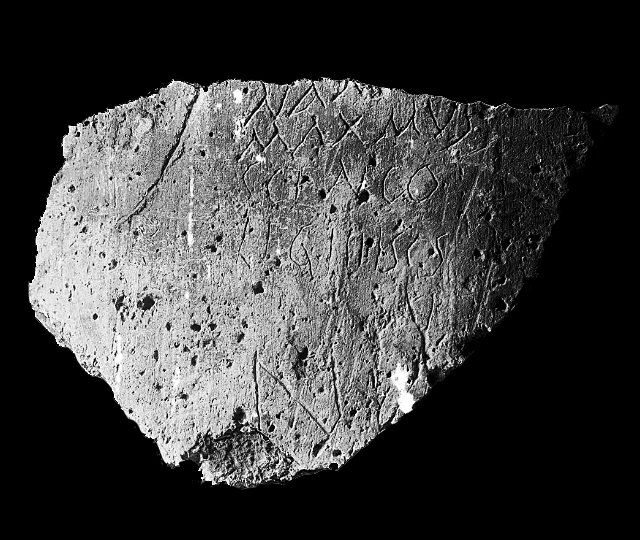
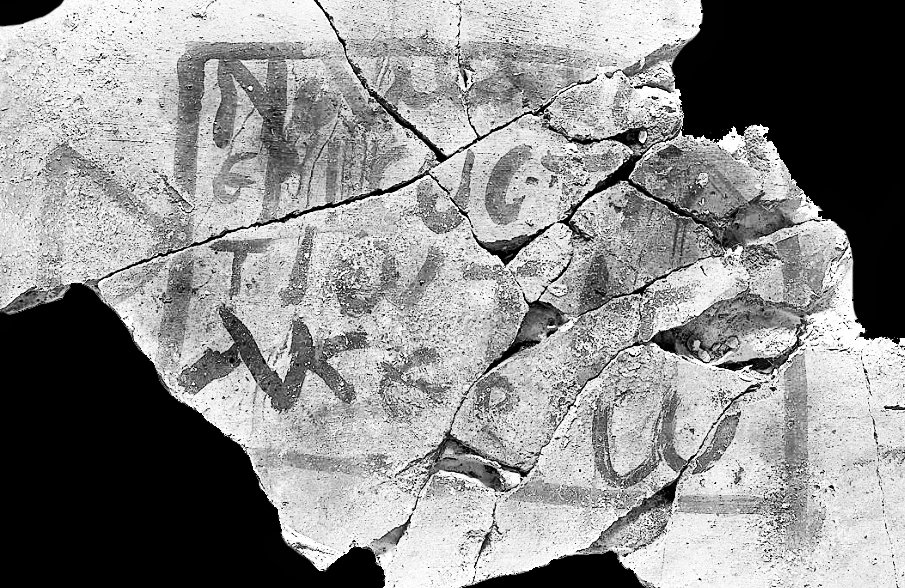
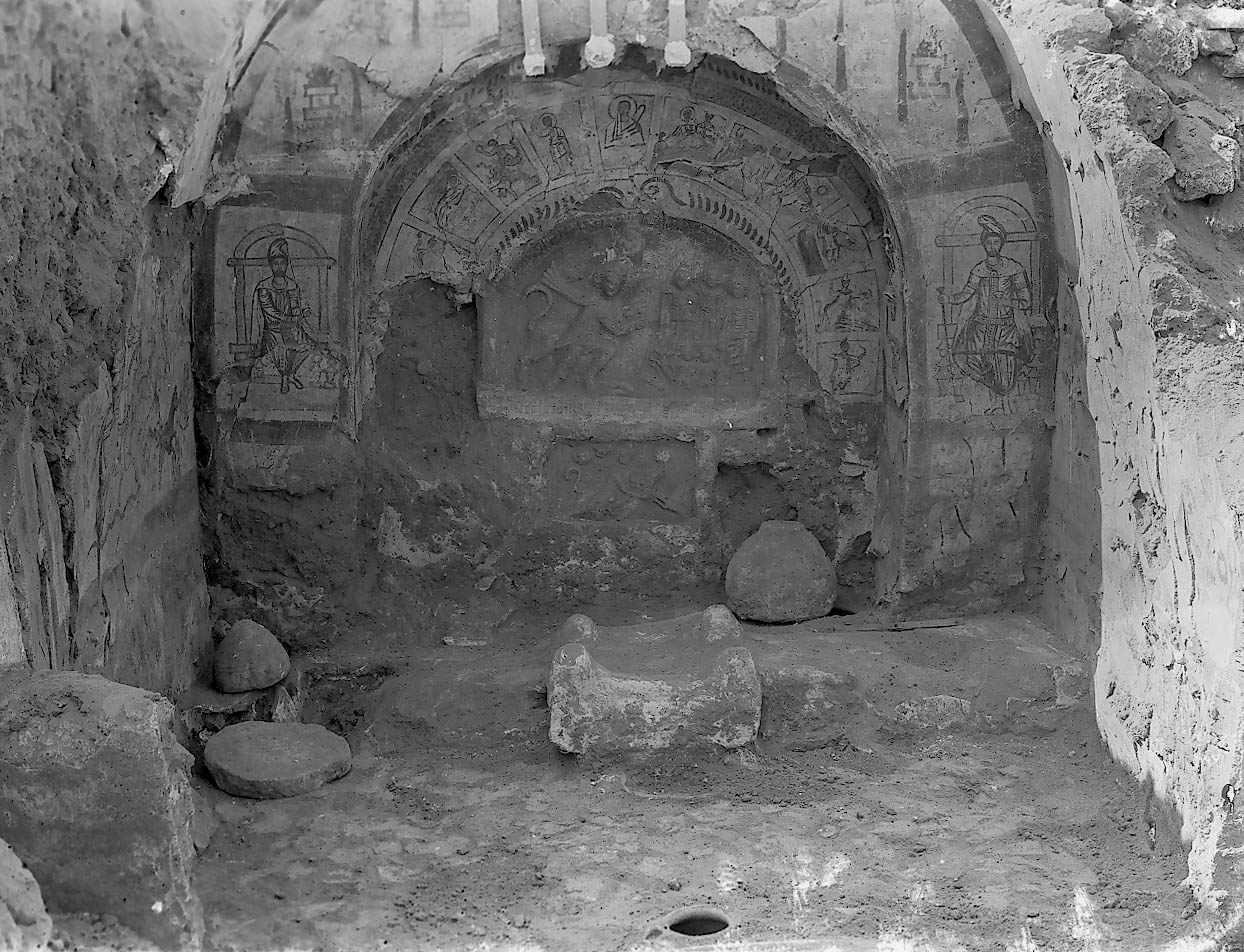
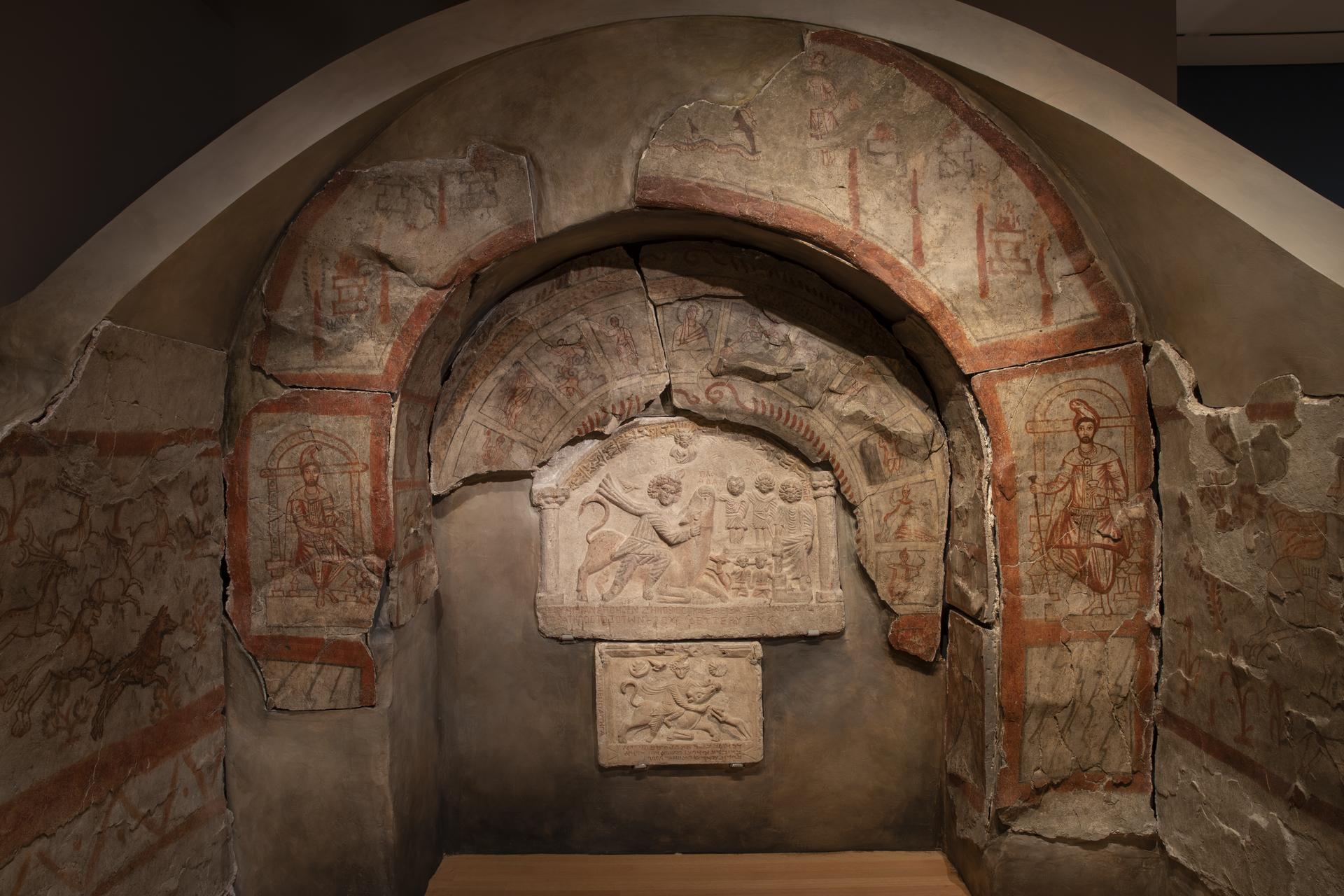
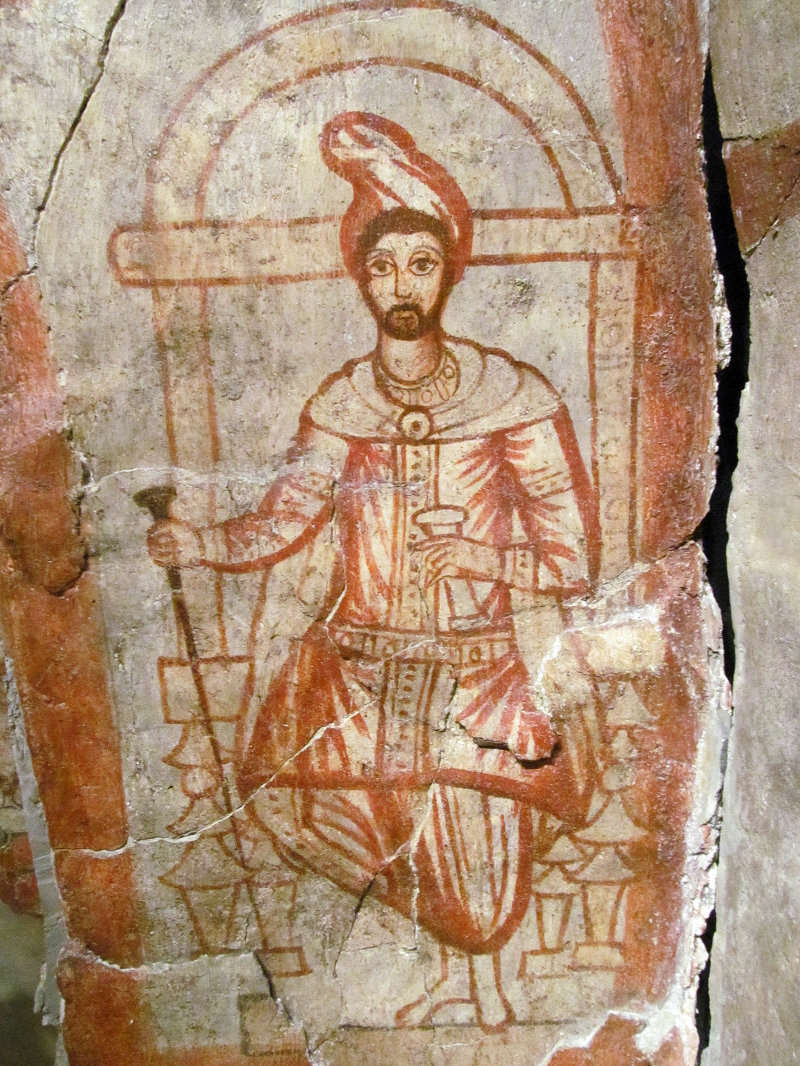
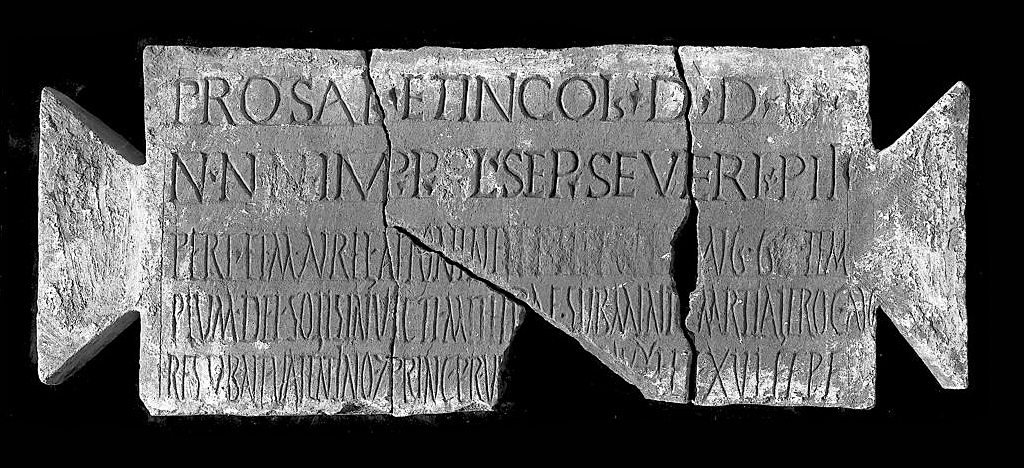
Inscription found in the cella of Turmasgade in the Dolicheneum. ’Cut on the lowest slab of the east jamb of the court door after it was in place. An iron dowel was later set in its face’.
Ann Perkins The Excavations at Dura-Europos. The Dolicheneum Harvard 1952 115f No. 974 and PI. XX 1; P.Merlat in RA XLIII 1954 194 n. 3. L.H.0.35.
Διὶ Ἡλίῳ / Μίθρᾳ άγί/ῳ ὑψίστῳ / ἐπηκόῳ / Τουρμασγά/δη [---] Ἰου/[λιαν-] ὸς στρα(τιώτης) / [λε]γ(εῶνος) ις´ Φ(λαουίας) Φ(ίρμης) / [Ἀν]τωνινια/νῆς.
First…
Ann Perkins The Excavations at Dura-Europos. The Dolicheneum Harvard 1952 115f No. 974 and PI. XX 1; P.Merlat in RA XLIII 1954 194 n. 3. L.H.0.35.
Διὶ Ἡλίῳ / Μίθρᾳ άγί/ῳ ὑψίστῳ / ἐπηκόῳ / Τουρμασγά/δη [---] Ἰου/[λιαν-] ὸς στρα(τιώτης) / [λε]γ(εῶνος) ις´ Φ(λαουίας) Φ(ίρμης) / [Ἀν]τωνινια/νῆς.
First…
The full article is reserved for our members.
Log in or create a free account to access the entire site.