Your search Tal hal Hariri / Es-Sâlihiyeh / As Salhiyah gave 3730 results.

Two greyish marble fragments from the Mithraeum at Sarmizegetusa, Dacia, preserving the torso of Mithras in tunic and cloak killing the bull with his right hand.

Three greyish marble tauroctony fragments from the Mithraeum at Sarmizegetusa, Dacia, preserving the head of Mithras and the bull and parts of the subsidiary scenes.
Fragment of a bluish marble tauroctony from the Mithraeum at Sarmizegetusa, Dacia, preserving the border of Mithras's tunic, the sheath of the dagger, and his right foot.
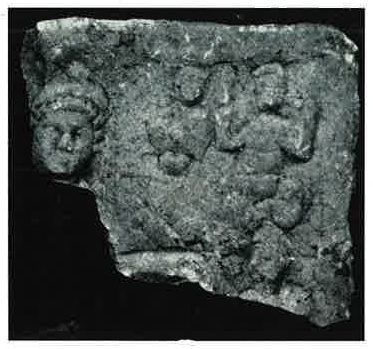
Two fragments of a bluish marble tauroctony from the Mithraeum at Sarmizegetusa, Dacia, preserving the torso of Mithras in the bull-killing posture.
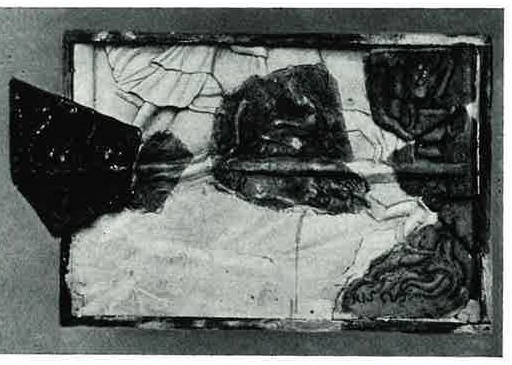
Seven fragments of a marble tauroctony relief from the Mithraeum at Sarmizegetusa, Dacia, preserving Mithras's breast, parts of the bull, and subsidiary scenes.
Inscription from Apulum, Dacia, dedicated to Bono Puero by Aurelius Chrestus — one of several dedications to the Bonus Puer from Apulum with Mithraic associations.
Small Mithras relief from Apulum, Dacia, mentioned by Buday but not published; a design shows the bust of Sol with one ray pointing towards Mithras.
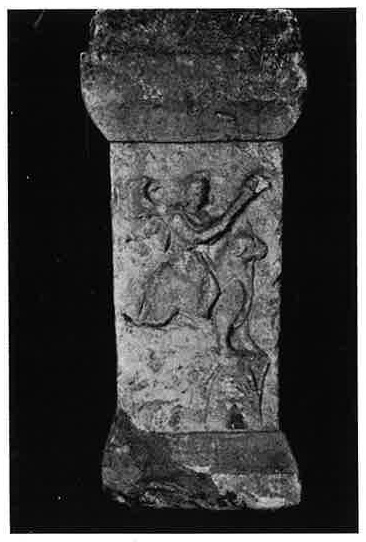
Limestone base from Apulum, Dacia, decorated on the front with Mithras riding the bull to the right while holding an upraised torch — the tauriphoros riding type, distinct from the tauroctony.
Limestone base from near the Kutyamál vineyard south of the fortress at Apulum, Dacia, decorated with Bacchic vine scrolls and grapes at the top.
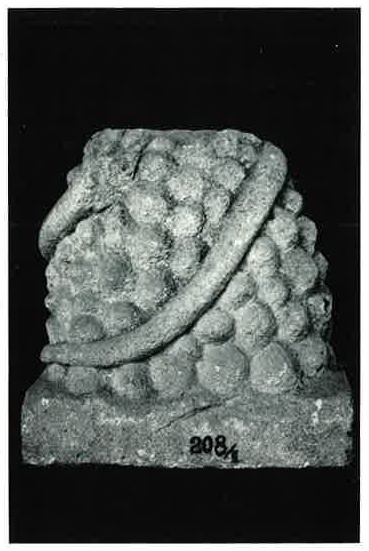
Dark sandstone statue from Mureș Port, Dacia, depicting Mithras's rock-birth with the rock encircled by a serpent; the statue's attribution to Mureș Port rather than Apulum is uncertain.
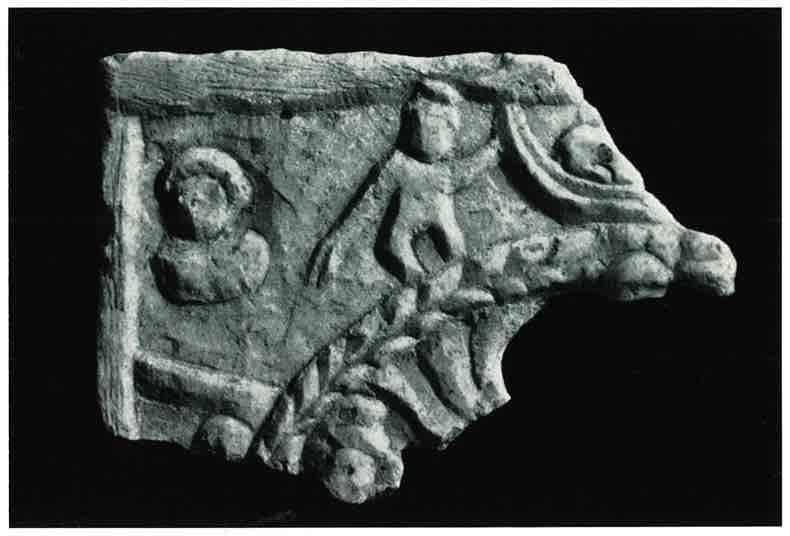
Marble relief fragment found in the Turda castrum in 1954, Dacia, preserving the bust of Sol in the upper left corner and Mithras grasping the bull; remnants of a wreath are visible in the upper right.
Inscription from a house staircase at Salona, Dalmatia, dedicated to Deo Mithrae invicto and all the other immortal gods by a dedicant whose name ends in -elius.
Large tauroctony plate with pediment from Vadas, Pannonia Inferior, formerly in the hunting lodge of the Jankovich estate, demolished in 1907; now lost.
Marble statue from Intercisa, Pannonia Inferior, depicting Cautopates in Oriental dress and a high Phrygian cap, walking.
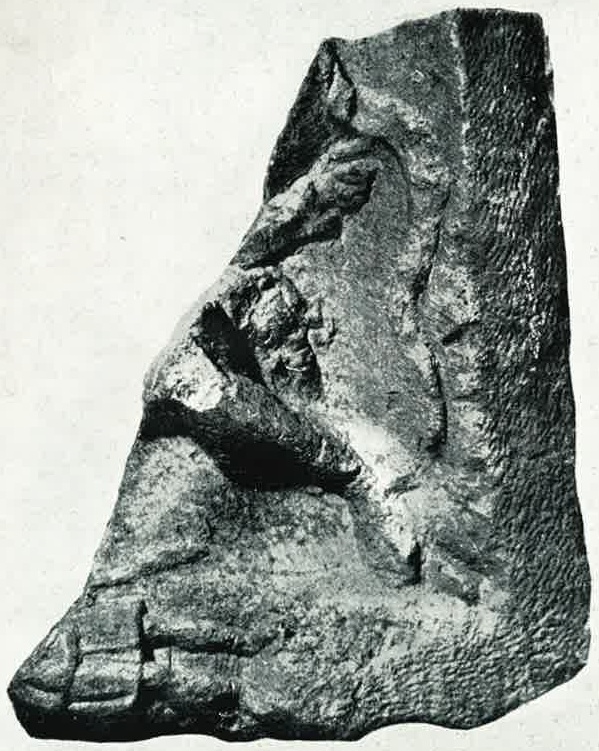
Right upper corner of a white marble tauroctony relief from Budapest, ancient Aquincum or its vicinity, in the National Museum since 1868, preserving part of the grotto border and divine busts.
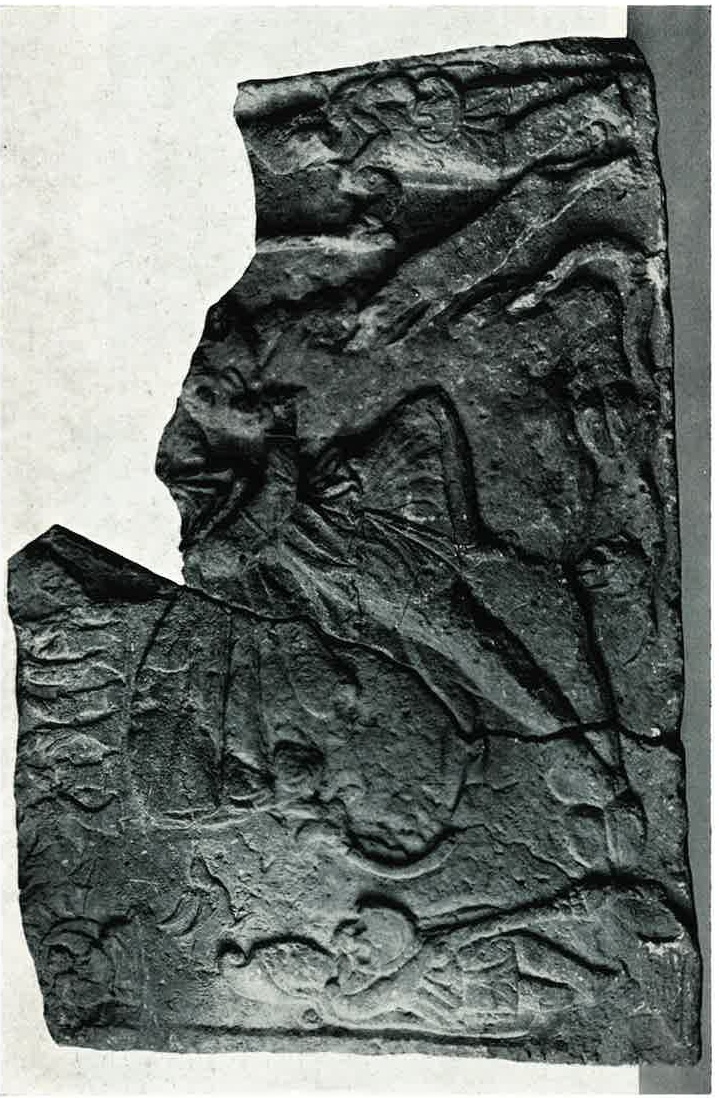
Base from Aquincum, Pannonia Inferior, dedicated to Deo invicto Mithrae by Marcus Aurelius Frontinianus, decurio of the Colonia Aquinci.
Marble tauroctony relief from Aquincum or possibly Budaörs, Pannonia Inferior, depicting the bull-slaying scene with cypress trees between the torchbearers and the central group.
Altar from Aquincum, Pannonia Inferior, dedicated to Mythrae Nabarze by Tiberius Pontius Maximus — the epithet Nabarze, possibly of Iranian origin meaning 'victorious', is attested on only a handful of Mithraic inscriptions.
Altar from Aquincum, Pannonia Inferior, dedicated to Soli invicto Mithrae by Cocceius Vitalis.
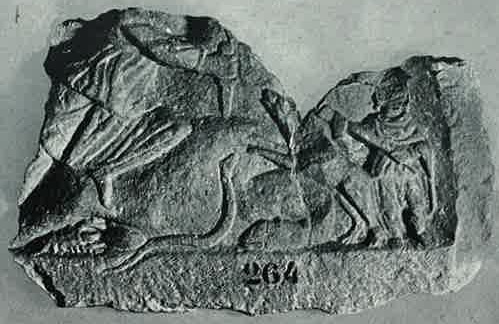
Altar from Aquincum, Pannonia Inferior, dedicated to Invicto Mitrae by Publius Aelius Attalus.
