Your search Tal hal Hariri / Es-Sâlihiyeh / As Salhiyah gave 3730 results.
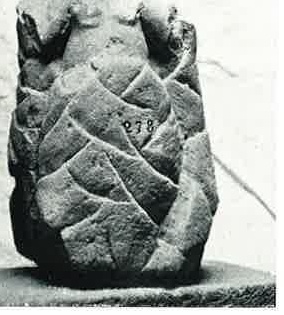
Red sandstone statue from Mithraeum I at Heddernheim, ancient Nida, depicting the young naked Mithras with curly hair being born from the rock

Fragment of a sandstone statue, comprising a head and hand certainly belonging to a figure of Cautes, found at Ober-Florstadt
Imported limestone relief fragments showing the Mithraic torchbearers beside the podia of the sanctuary.
Small inscribed plaque invoking Mithras and Mercury attached to a sandstone column inside the sanctuary.
Decorative bronze candlestick discovered near the entrance of the supposed Mithraic sanctuary.
Sandstone basin from the pronaos of the sanctuary originally mounted on a short column.
Cult statue base discovered with a hooked ritual sword in front of the sanctuary niche.

Marino is an Italian comune with 46,676 inhabitants located in the Metropolitan City of Rome Capital in Lazio.
Regensburg is a city in eastern Bavaria, at the confluence of the rivers Danube, Naab and Regen, Danube's northernmost point.
Skelani (Serbian Cyrillic: Скелани) is a village in the municipality of Srebrenica, in the Republika Srpska entity of Bosnia and Herzegovina.
Bremenium is an ancient Roman fort located at Rochester, Northumberland, England.
Zerzevan Castle, also known as Samachi Castle, is a ruined Eastern Roman castle, a former important military base, in Diyarbakır Province, southeastern Turkey.
Tibiscum was a Dacian town mentioned by Ptolemy, later a Roman castra and municipium.
Aquincum was an ancient city, situated on the northeastern borders of the province of Pannonia within the Roman Empire.

This fragment of pottery depicting Mithras may have come from Gallia.
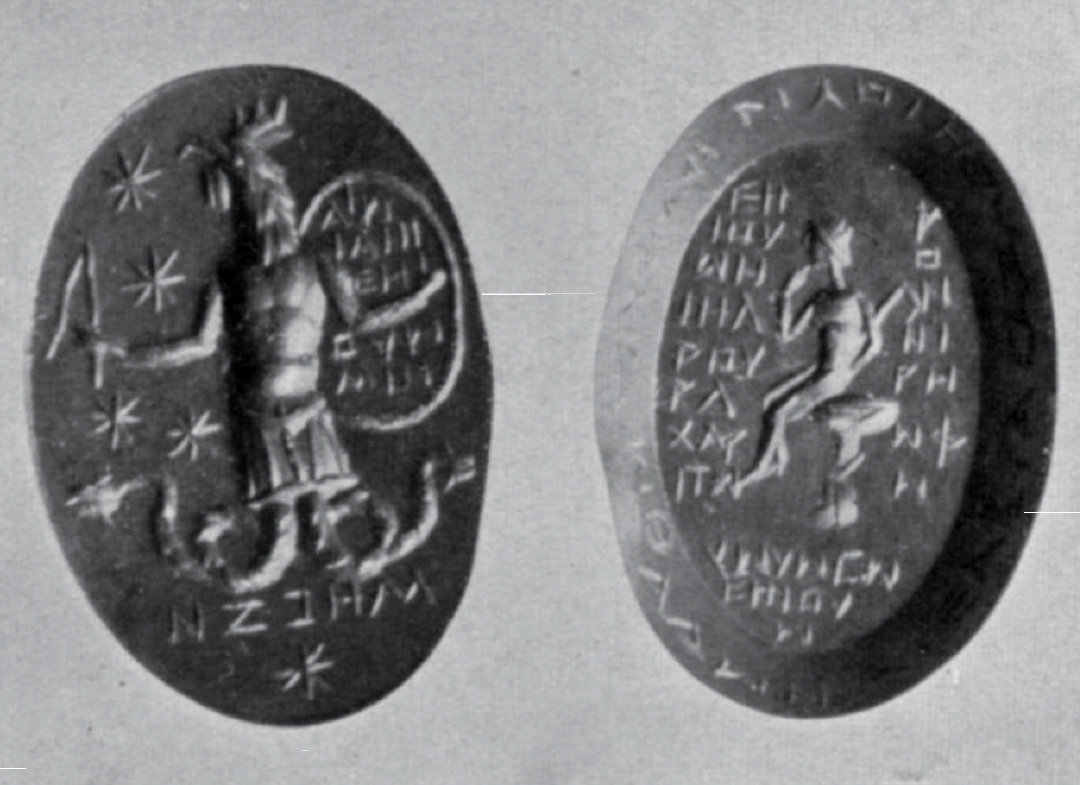
Gnostic amulet found in the ancient Agora of Athens, depicting Abraxas on one side and a Mithraic inscription on the other.
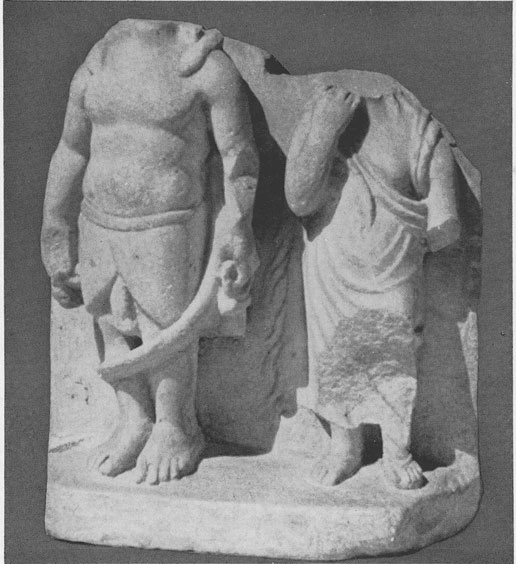
Marble relief, probably found in Rome during the construction of the Palazzo Primoli along the Via Zanardelli.
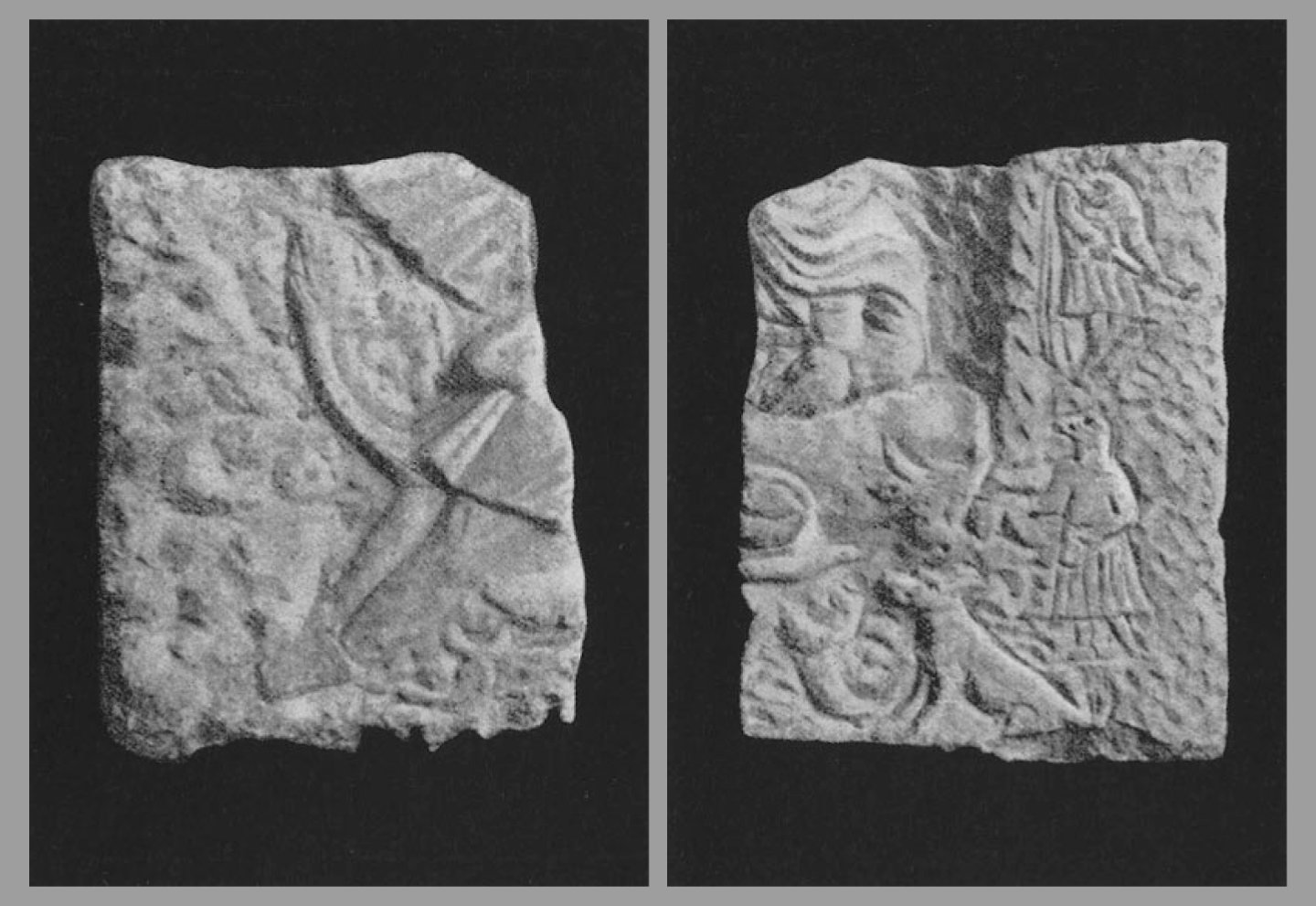
This fragment of a double relief shows a tauroctony on one side and the sacred meal, including a serving Corax, on the other.

Two marble statues of Cautes and Cautopates discovered in the Mithraeum of Rusicade, accompanied by symbolic animals including a lion, scorpion, dolphin and bird.
