Your search Tal hal Hariri / Es-Sâlihiyeh / As Salhiyah gave 3725 results.
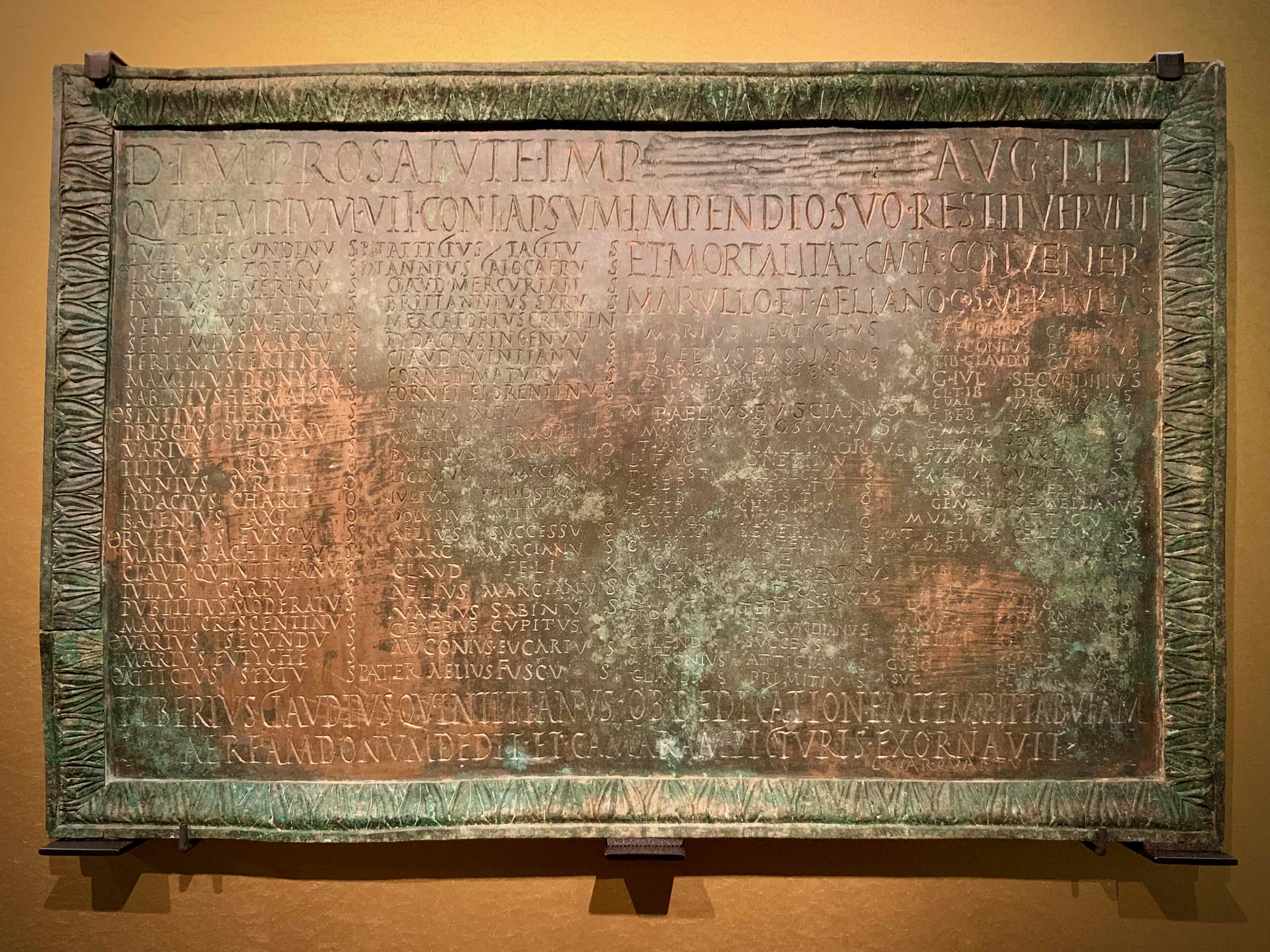
The bronze bears the dedication of a restoration of a Mithraeum carried out in 183.

George Ryley Scott explores the significant role that male sexual organs, practices, and rites have played in various traditions throughout history and into the present day.

Roger Beck describes Mithraism from the point of view of the initiate engaging with the religion and its rich symbolic system in thought, word, ritual action, and cult life.

Manfred Clauss's introduction to the Roman Mithras cult has become widely accepted as the most reliable and readable account of this fascinating subject.
Second volume of Vermaseren's series Études préliminaires aux religions orientales dans l'Empire romain, Mithriaca, dedicated to a small Mithraic sanctuary on the island of Ponza in the Tyrrhenian Sea.
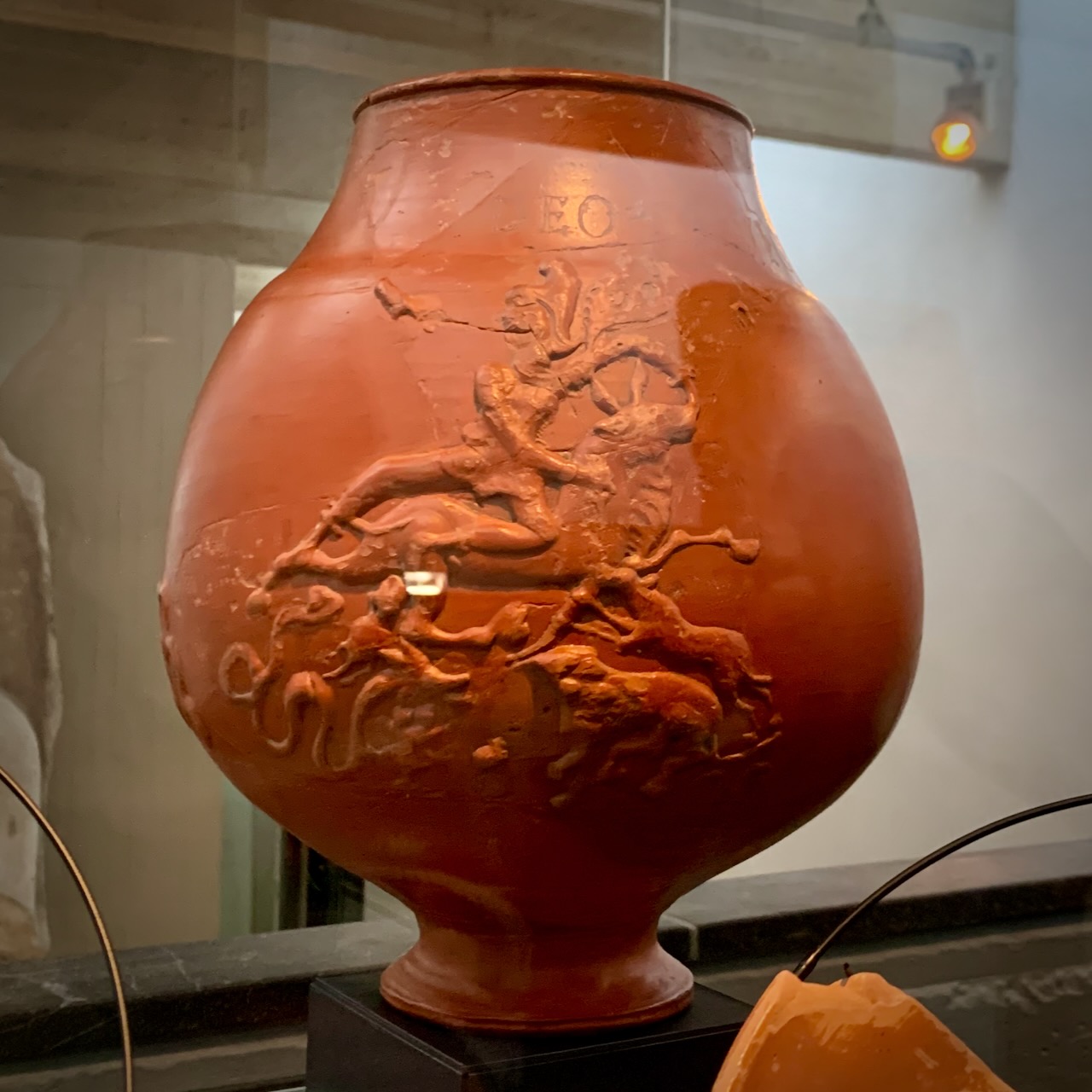
The Mühltal Mithraic crater was discovered among the artefacts of a mithraeum found in Pfaffenhoffen am Inn, Bavaria.

This is the first known inscription that includes Phanes alongside Mithras found in a Mithraic context.
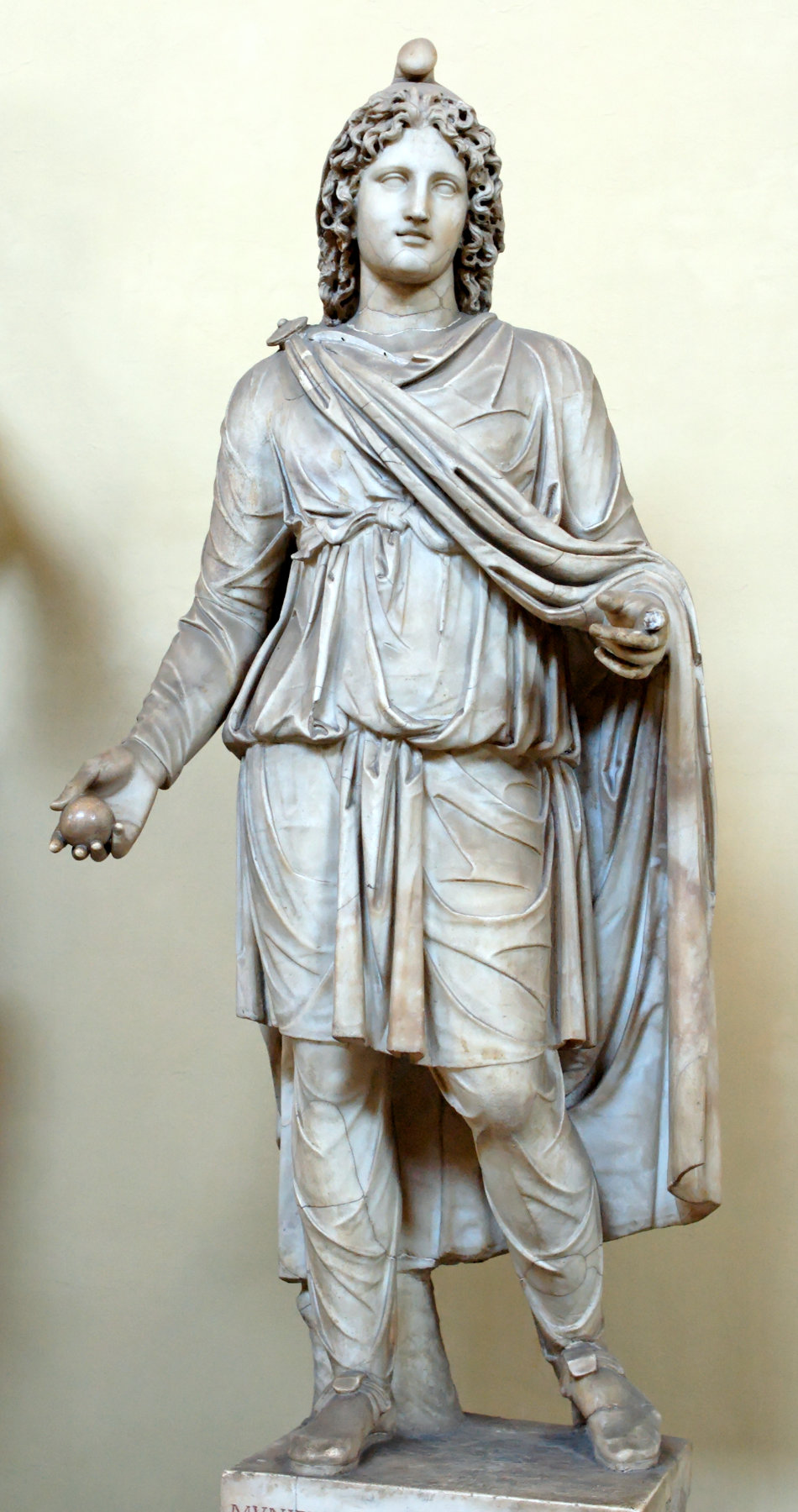
This sculpture, probably of Cautopates, now in the Musei Vaticani, was transformed into Paris.
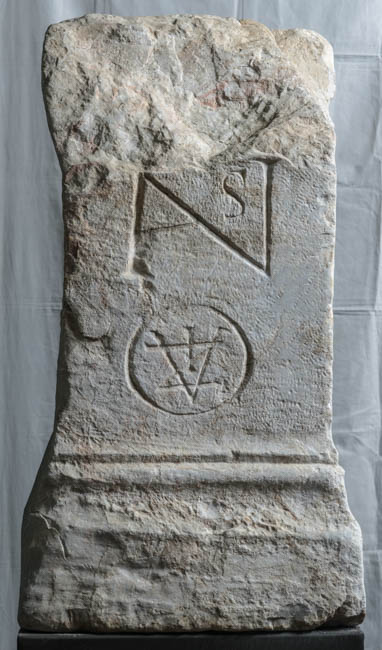
The limestone altar at Klechovtse in North Macedonia bears an inscription to the invincible Mithras.
An inscription from Asturica (modern Astorga) recording a dedication to Jupiter Optimus Maximus, Sol Invictus and Liber Pater by Q. Mamilius Capitolinus, juridical legate and later prefect of the Treasury of Saturn, for the welfare of himself and his family…

Small marble base dedicated by C. Atilius Bassus, freedman and apparator of a priest of the Great Mother, to Silvanus dendrophoris, from the Mitreo degli Animali at Ostia.
This inscription, found in the Mitreo della Planta Pedis, among some other monuments in Ostia, suggests a link between Mithras and Silvanus.
An altar found in the west corner of the sanctuary at Borcovicium (modern Housesteads) in 1898, recording a dedication to Jupiter Optimus Maximus, the god Cocidius and the genius of the place by soldiers of the Second Augustan Legion on garrison duty.
An altar found in the north-east corner of the main room of the Mithraeum at Borcovicium (modern Housesteads) in 1822, bearing on its capital the bust of Sol in a crown of seven rays and the inscription No. 859.
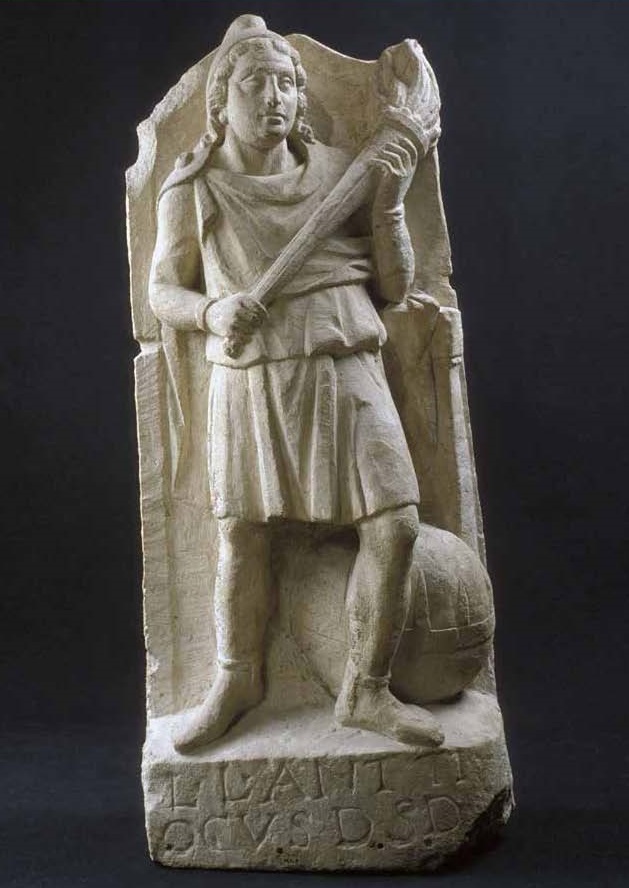
This monument representing Cautes with uncrossed legs was consecrated by a certain Anttiocus.
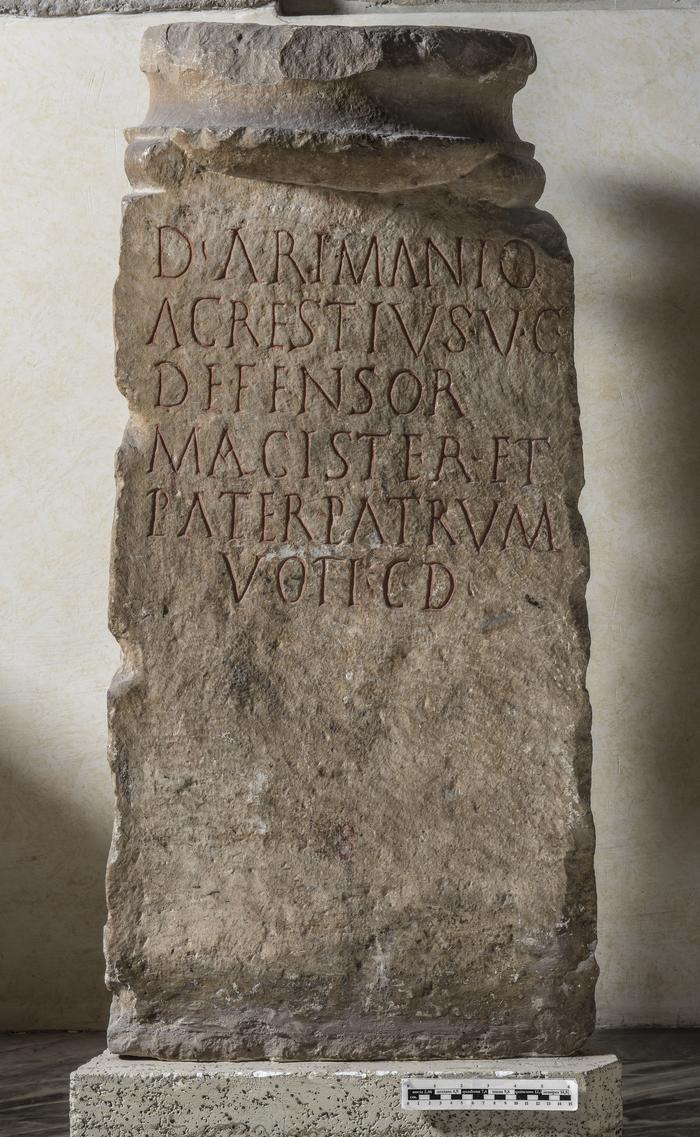
This altar mentioning the god Arimanius was found in 1655 at Porta San Giovanni, on the Esquilino.
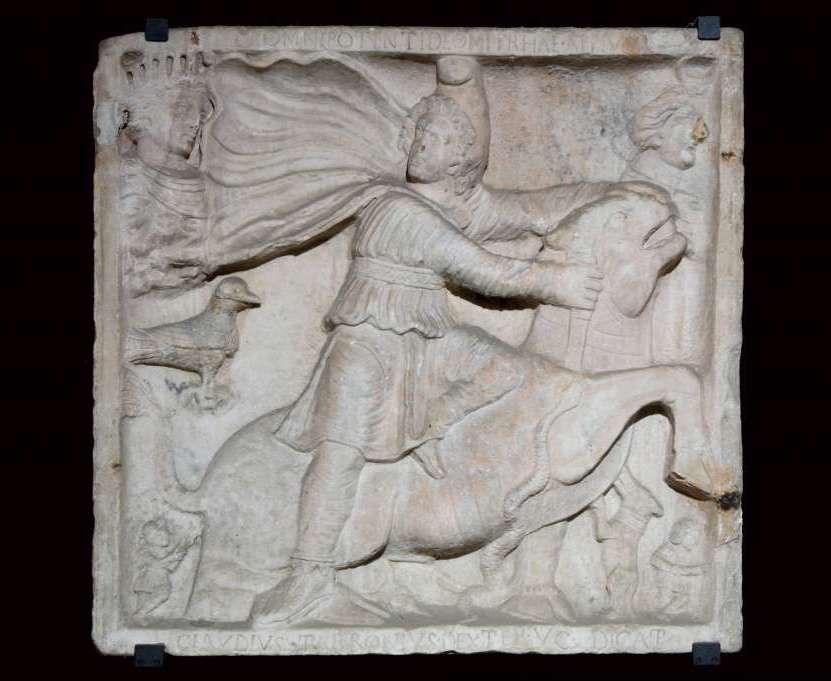
The marble relief of Mithras killing the bull in Naples bears an inscription that calls the solar god omnipotentis.
Large marble altar from Ghighen, ancient Oescus in Moesia Inferior, dedicated to Deo invicto Mithrae by Marcus Titius Maximus, duumviralis of the Colonia, with Aelianus as scribe.
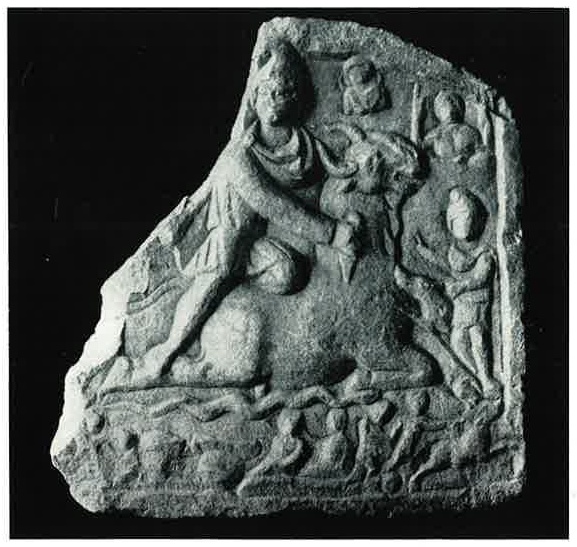
White marble tauroctony relief from Radeša near Pirot, Moesia Superior, depicting the standard bull-slaying scene.
Marble tauroctony relief from the surroundings of Küstendil, ancient Pautalia in Moesia Superior, depicting the bull-slaying with torchbearers and Sol and Luna busts in the upper corners.
