Your search for Tell el-Rub’a gave 14 results.
Mendes was a famous city that attracted the notice of most ancient geographers and historians, including Herodotus, Diodorus, Strabo, Mela, Pliny the Elder, Ptolemy, and Stephanus of Byzantium. The city was the capital of the Mendesian nome.
Subterranean sanctuary at ancient Atchana tentatively interpreted by Woolley as an early precursor to later Mithraic temples.

The M Rites — seven musical reflections on the Mithraic mysteries Hello everyone, Andreu kindly invited me to share this work here, so I thought I would introduce it by saying a little more about the ideas behind it…
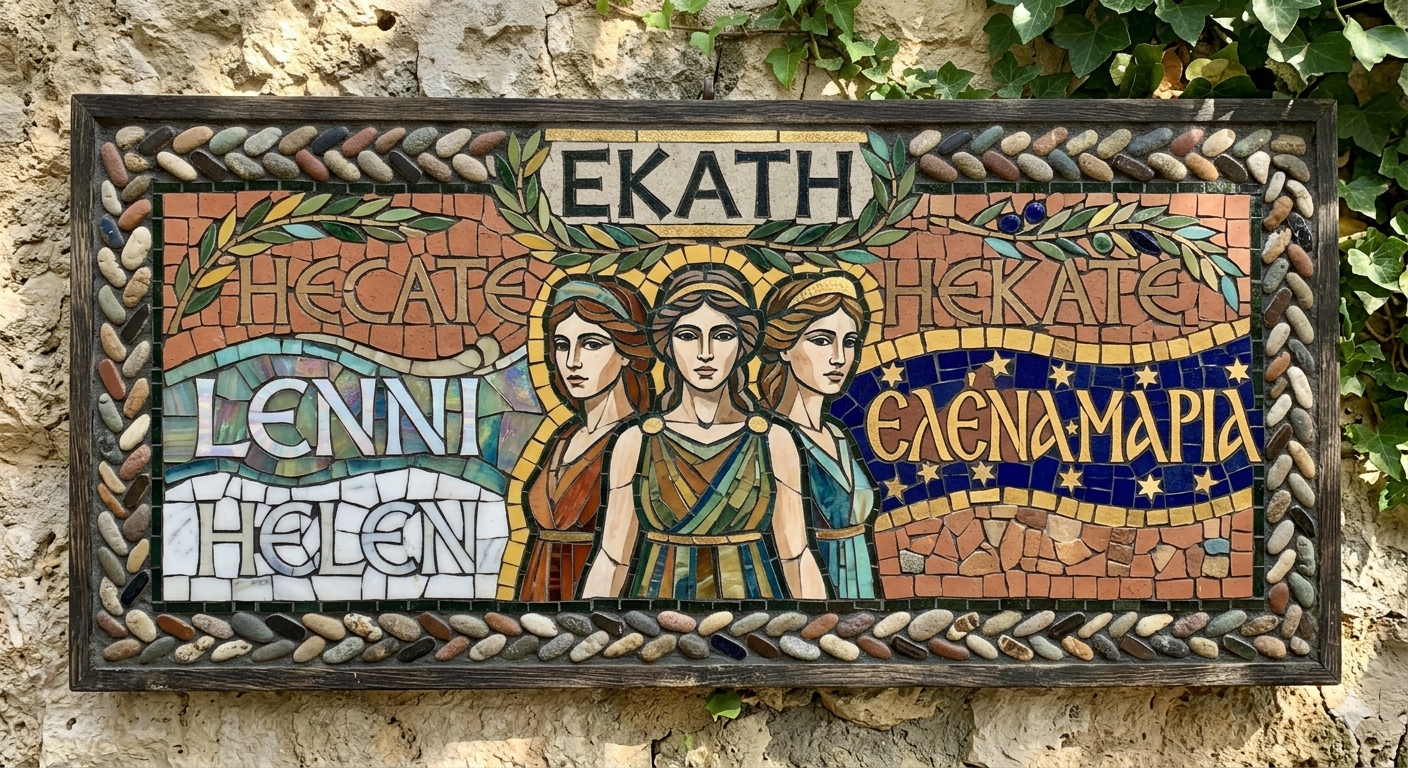
On what Hekate’s name may or may not tell us, and why the uncertainty matters.



Fragment of a figure dressed like Mithras in the banquet scene, found in the rubble of the Mithraeum of Dura-Europos, Syria.
Ara litteris rubricatis from Mainz, ancient Mogontiacum, dedicated to Deo invicto Mithrae, with the dedicant's name only partly legible
This eulogy of Saint Eugene of Trapezos tells how, in the time of Diocletian, he and two other Christian fellows destroyed a statue of Mithras.
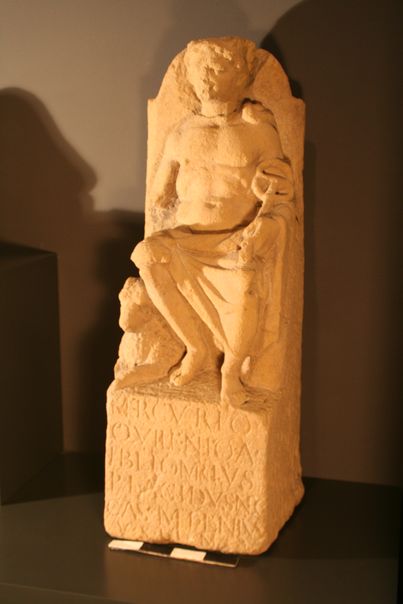
The statue was dedicated to Mercury Quillenius, an epithet used to refer to a Celtic god or the Greek Kulúvios.
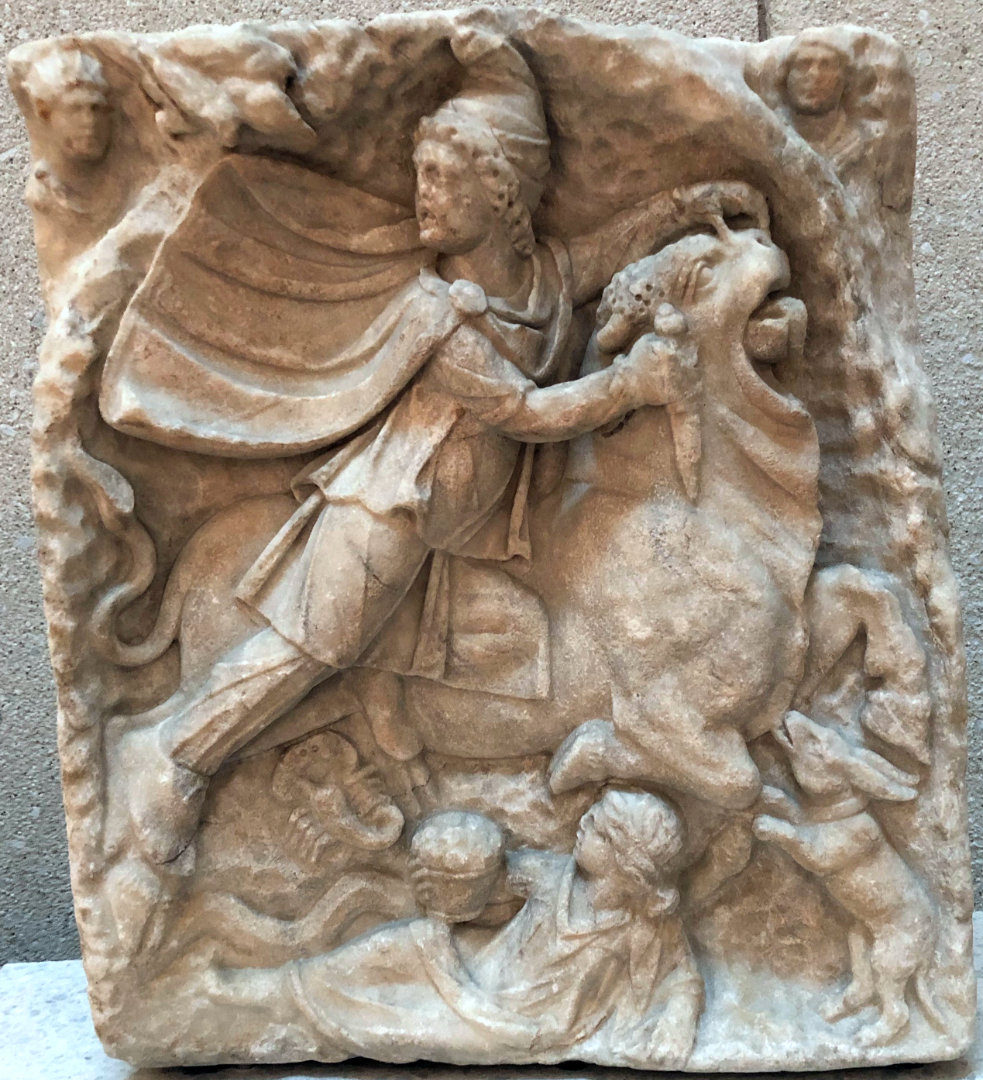
This tauroctony relief is distinguished by the rare depiction of Tellus reclining beneath the bull.
This inscription found in the Mithraeum of the Seven Spheres mentions the Pater Marco Aemiliio Epaphrodito known from other monuments in Ostia.
