Your search Terme di Caracalla gave 2881 results.
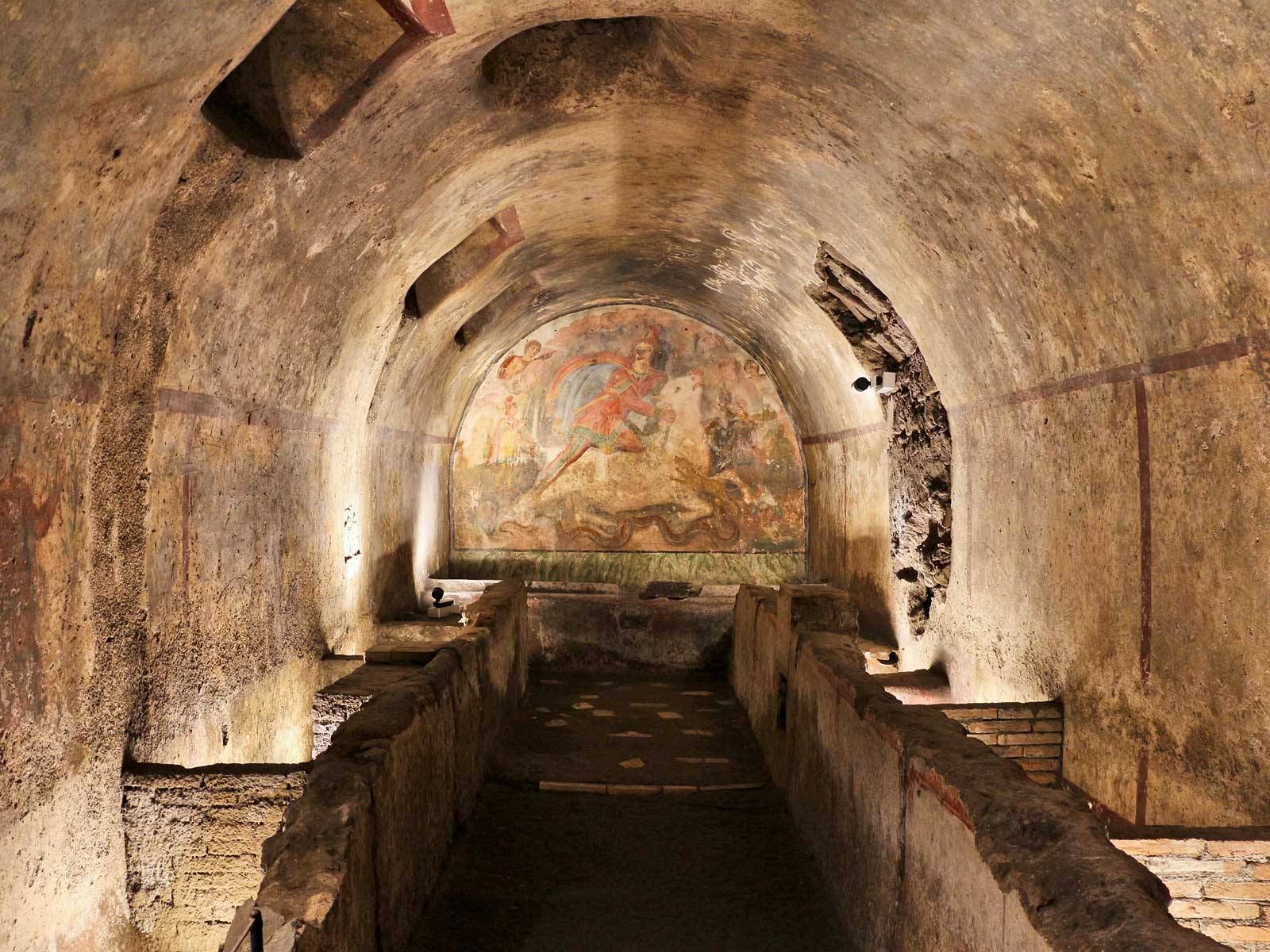
One of Roman Italy’s most important Mithraic sanctuaries, the Mithraeum at S. Maria Capua Vetere preserves a remarkable painted cycle of initiation scenes, offering rare visual evidence for the ritual life of Roman Mithaism.
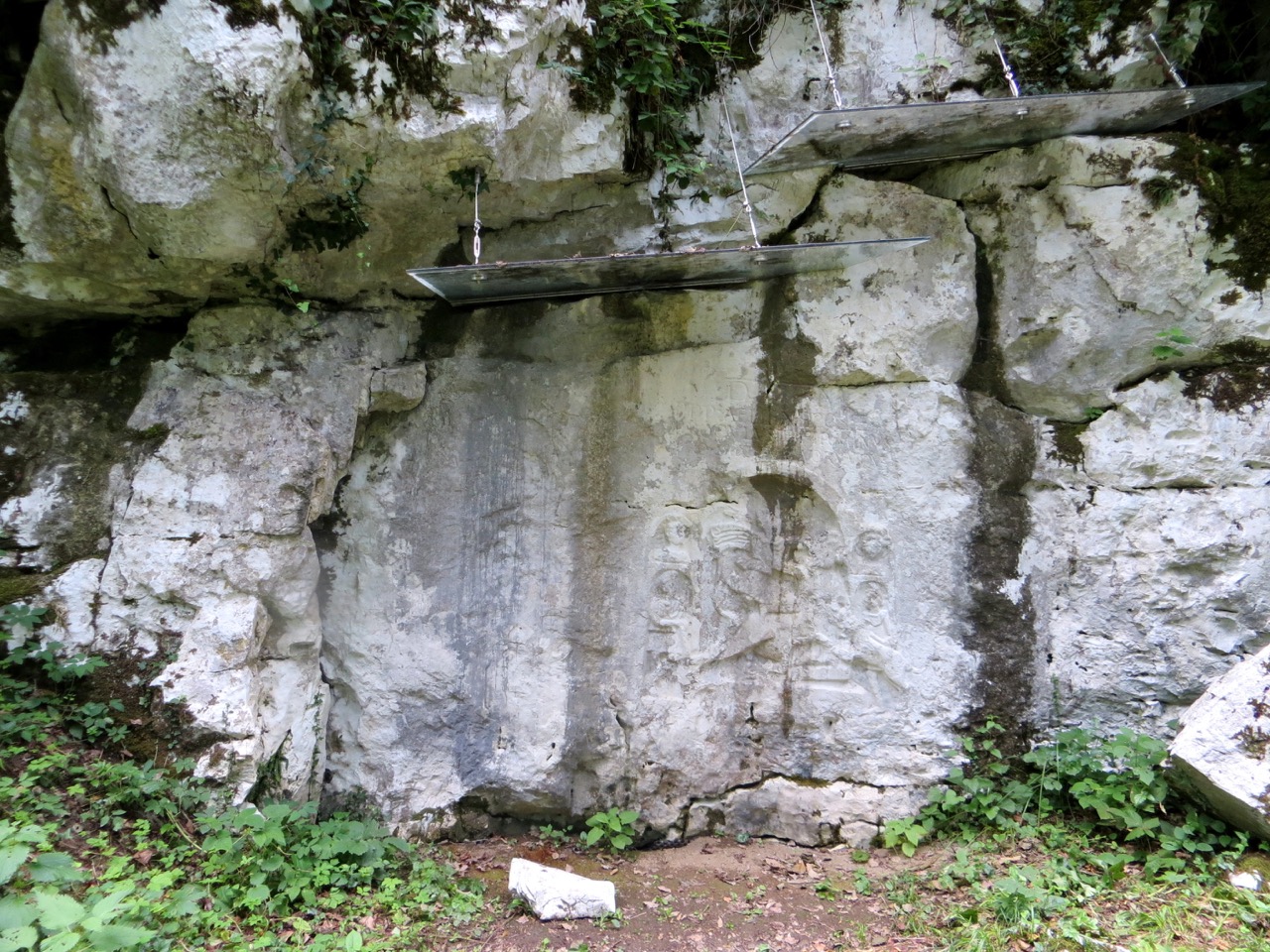
According to Hitzinger remnants of animal bones were found in front of the relief of the Mithraeum at Rozanec.
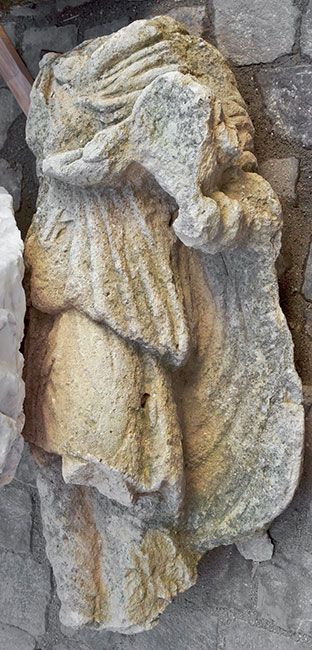
This weathered limestone statue from the Mithraeum of Apulum depicts a standing figure in Oriental attire holding the head of a bull or ram.
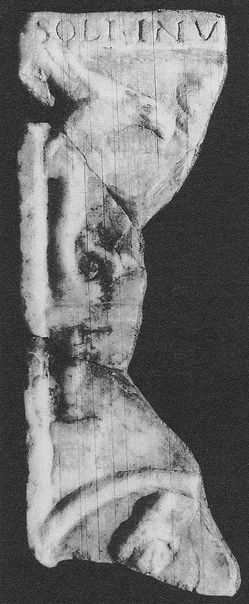
This marble fragment from Apulum preserves the head of Mithras beneath an arch together with a raven and the remains of Sol’s radiate crown.
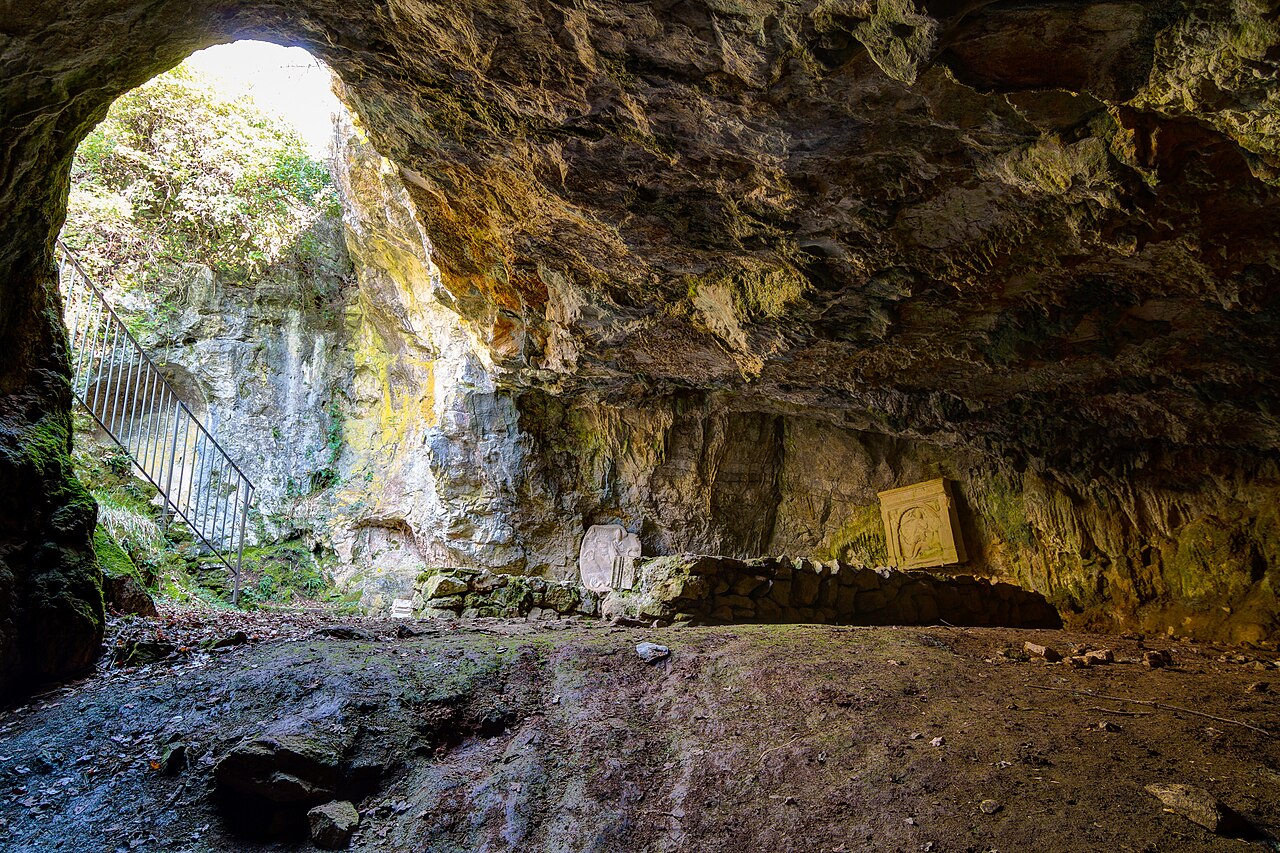
The site was destroyed in the 5th century but some elements, including the benches, can still been seen.
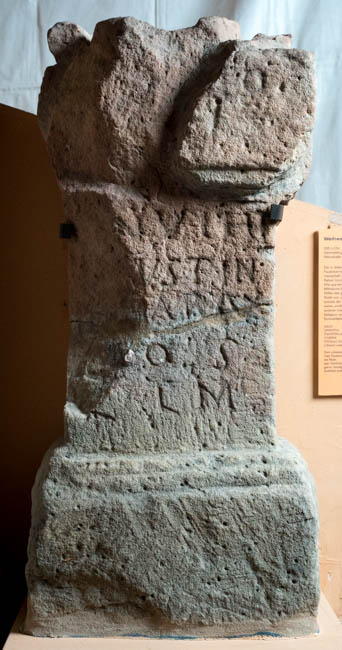
This sandstone altar was dedicated to the god Invictus by a certain Faustinus from Gimmeldingen.
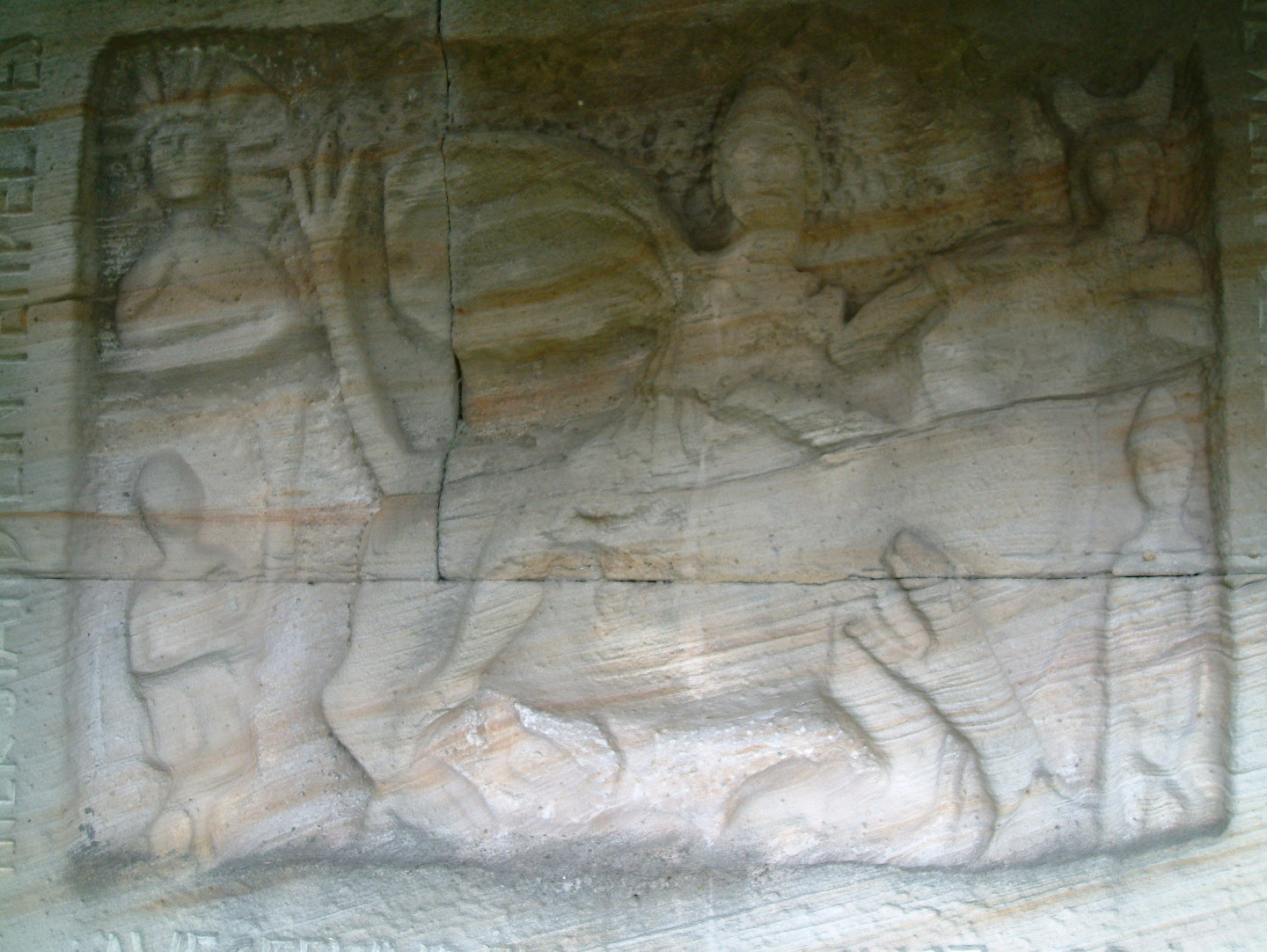
This relief of Mithras killing the bull found in Gimmeldingen, Germany, lacks the usual raven.
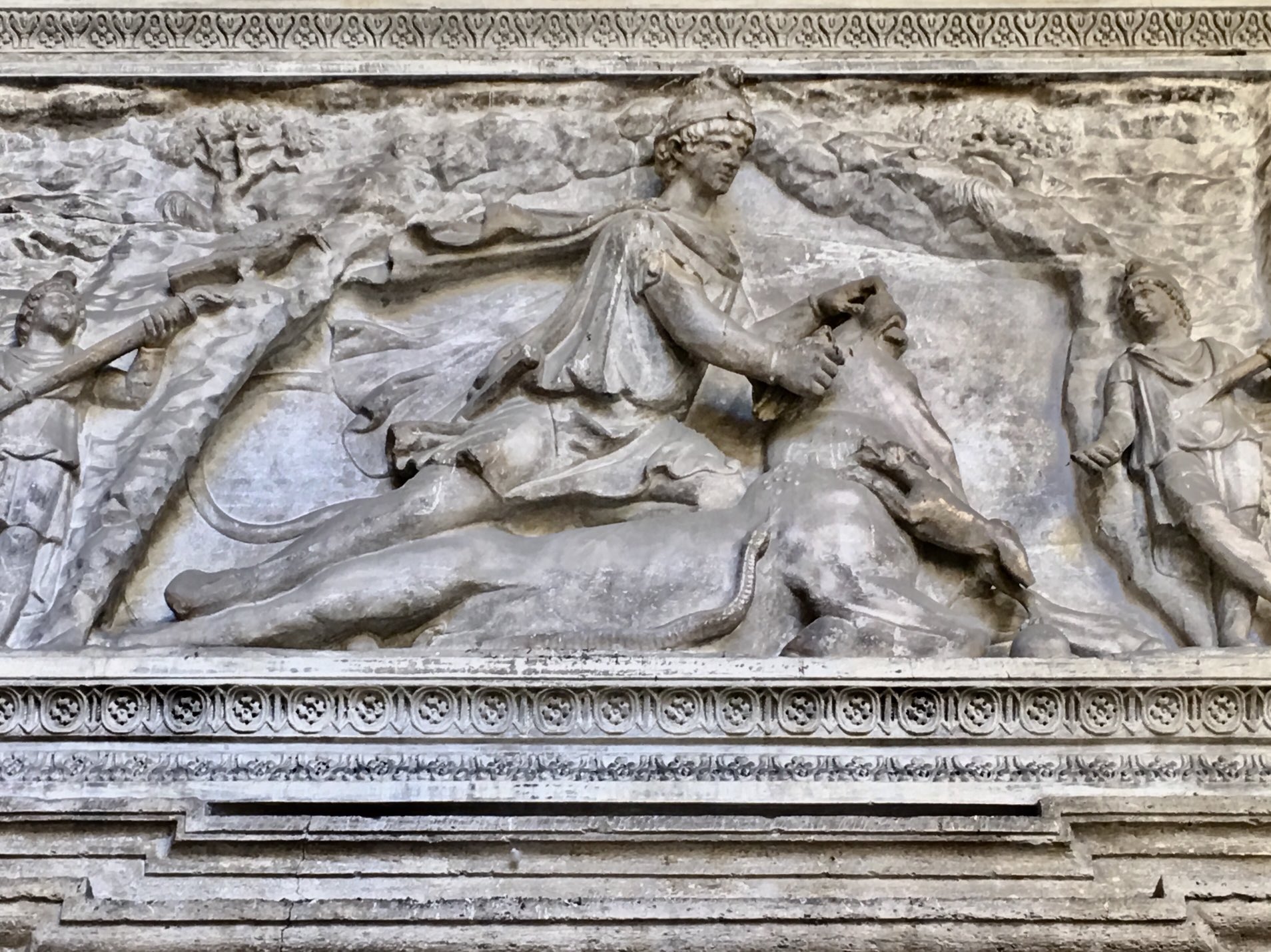
This relief of Mithras as a bullkiller, probably found in Rome, has been part of the Palazzo Mattei collection since at least the end of the 18th century.
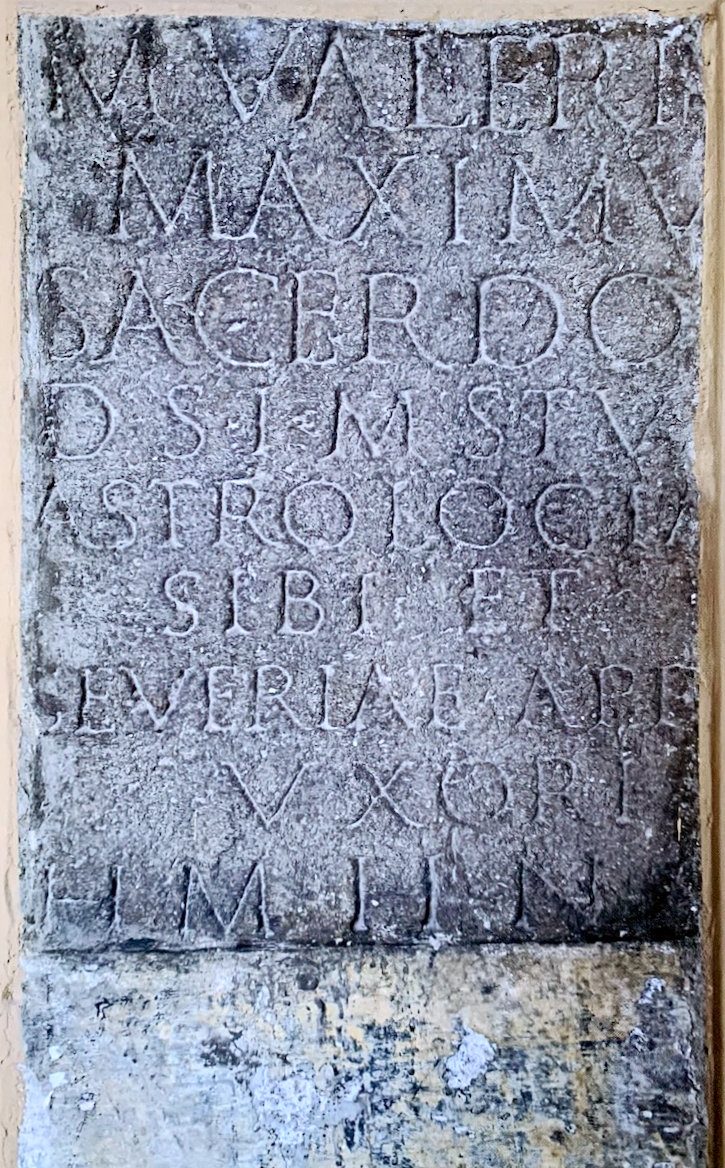
Marcus Valerius Maximus records in this inscription his knowledge of astrology as well as the name of his wife.
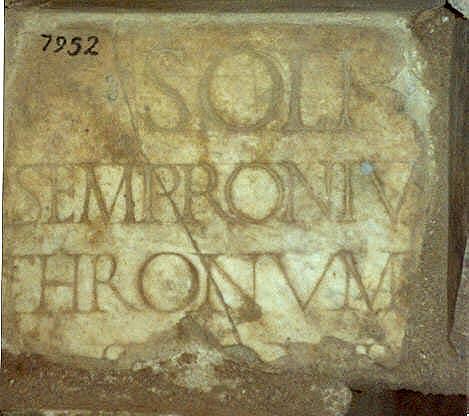
Slab marble indicates that Lucius Sempronius has donated a throne to the Mitreo delle Pareti Dipinte.
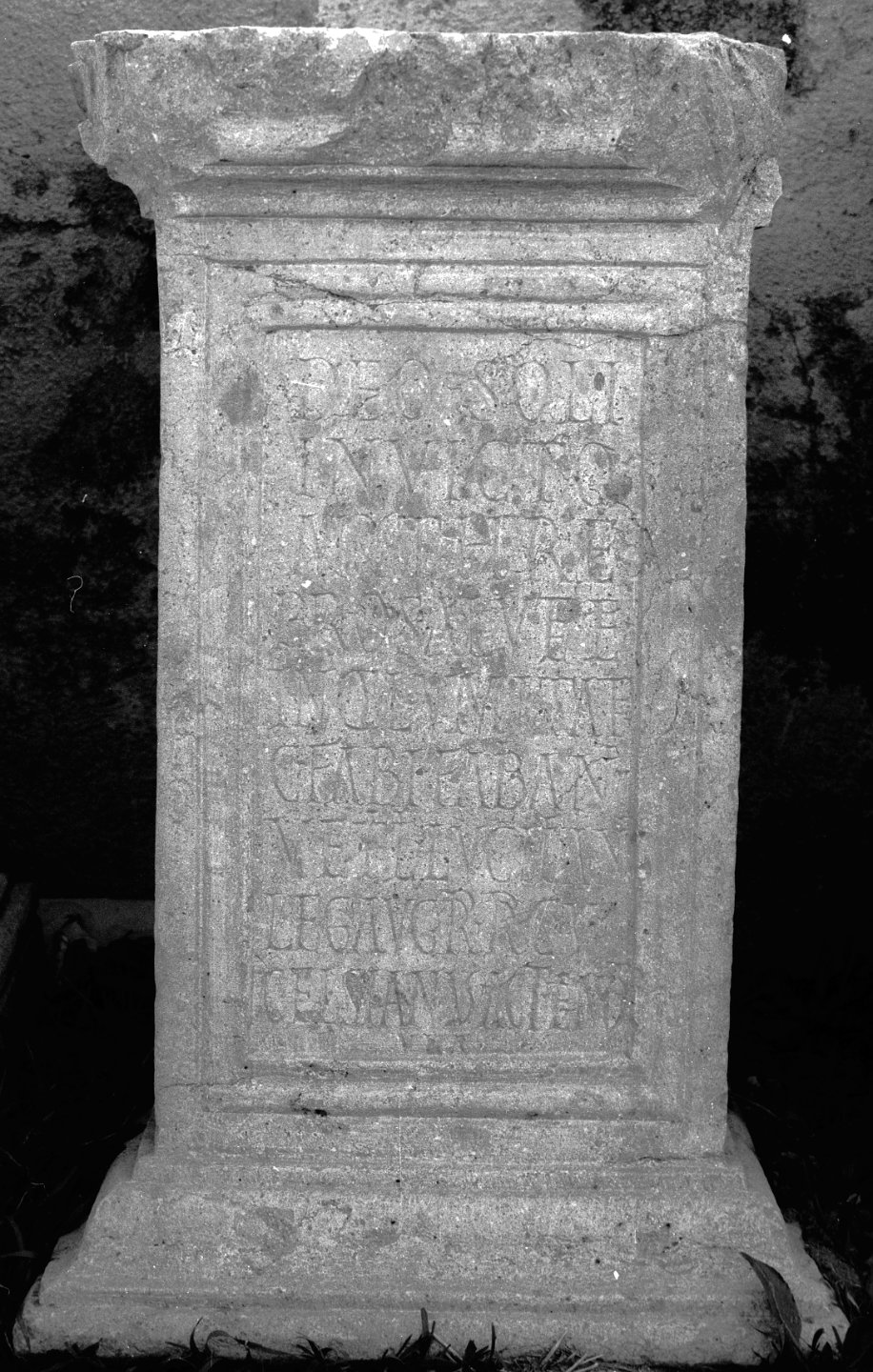
This altar found in Lambèse, now Tazoult, Algeria, bears the inscription of a certain Celsianus for the health of two men to the god Sol Unconquered Mithras.
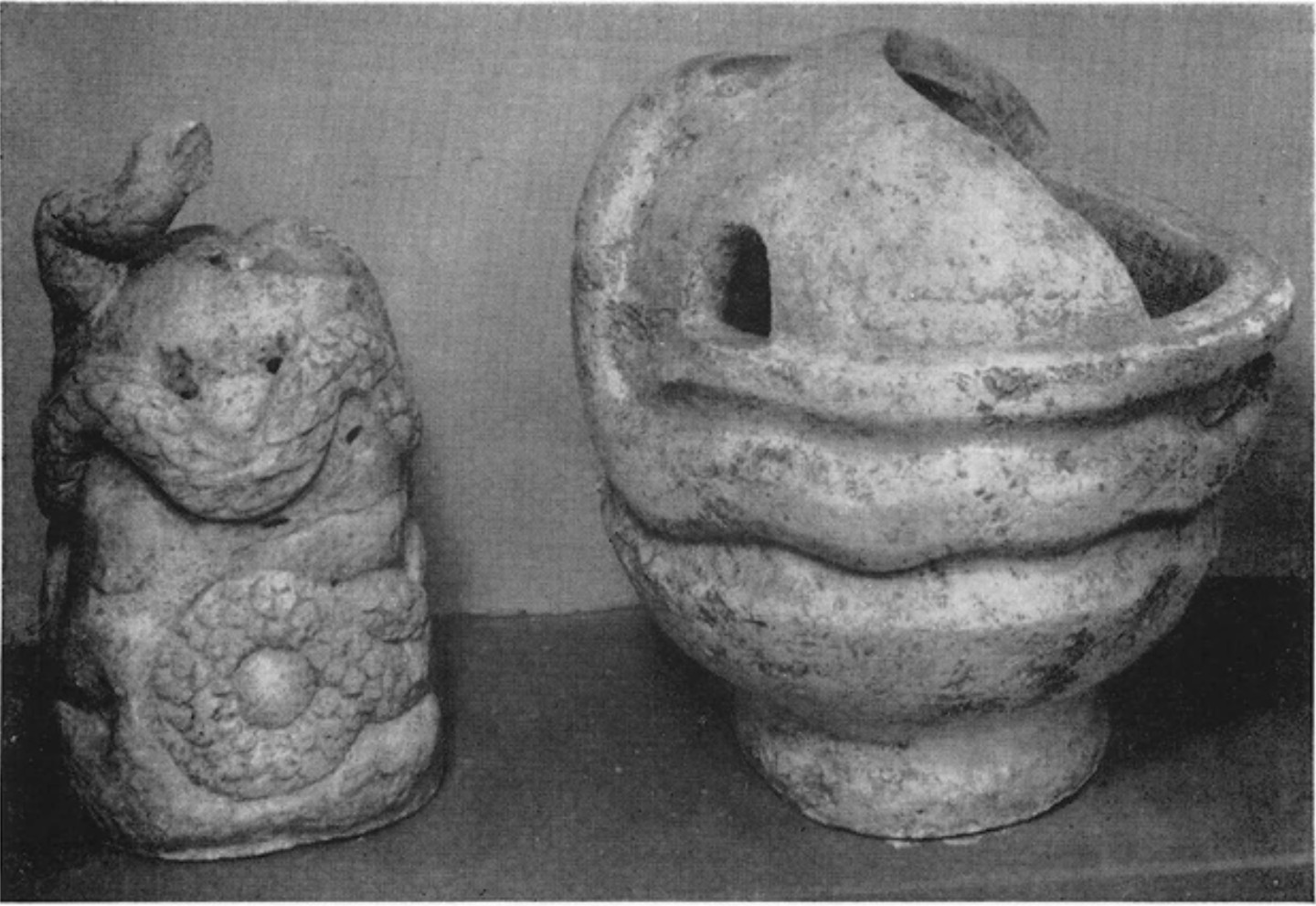
Both objects have a snake winding itself around them.
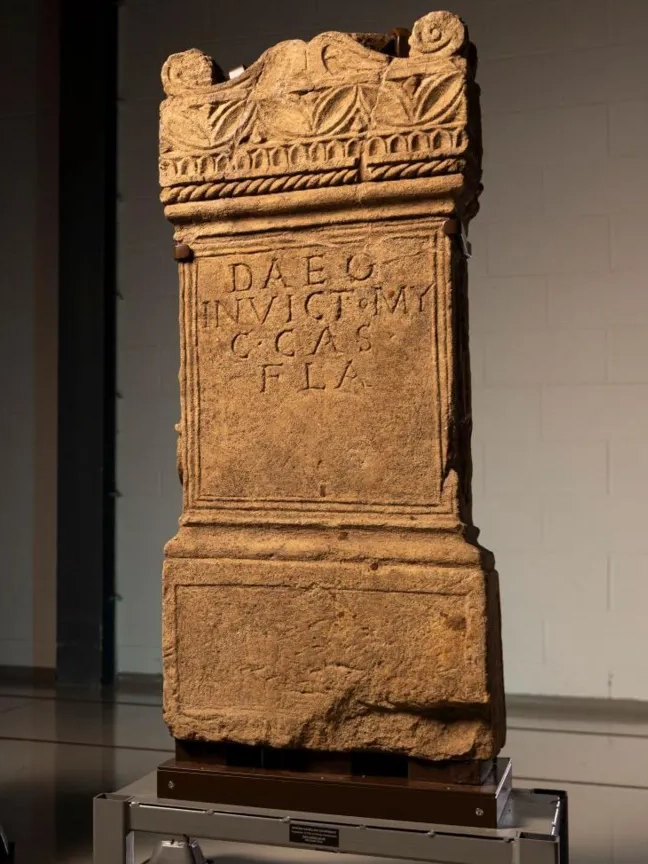
This second altar discovered to date near Inveresk includes several elements unusual in Mithraic worship.
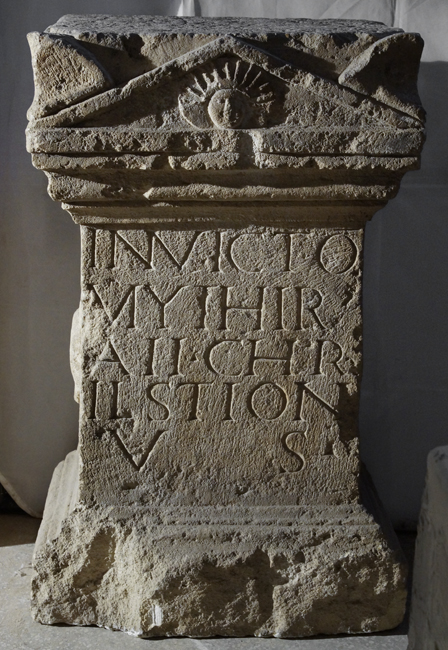
In 1852, Károly Pap, a naval captain, unearthed several Mithraic monuments in his garden at Marospartos, including this altar.
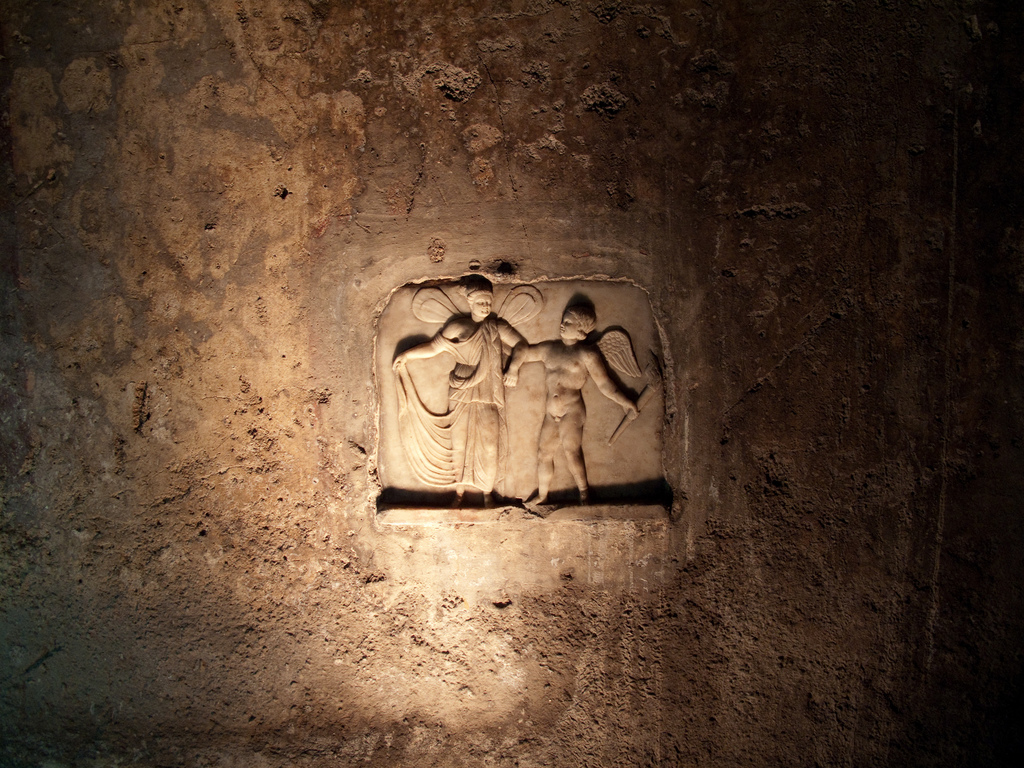
The Mithraeum of Santa Maria Capua Vetere includes a marble relief depicting a child Eros guiding Psyche through the dark.

The importance of the Mithraeum of Marino lies in its frescoes, the most significant of which is that of Mithras slaying the bull, surrounded by mythological scenes.
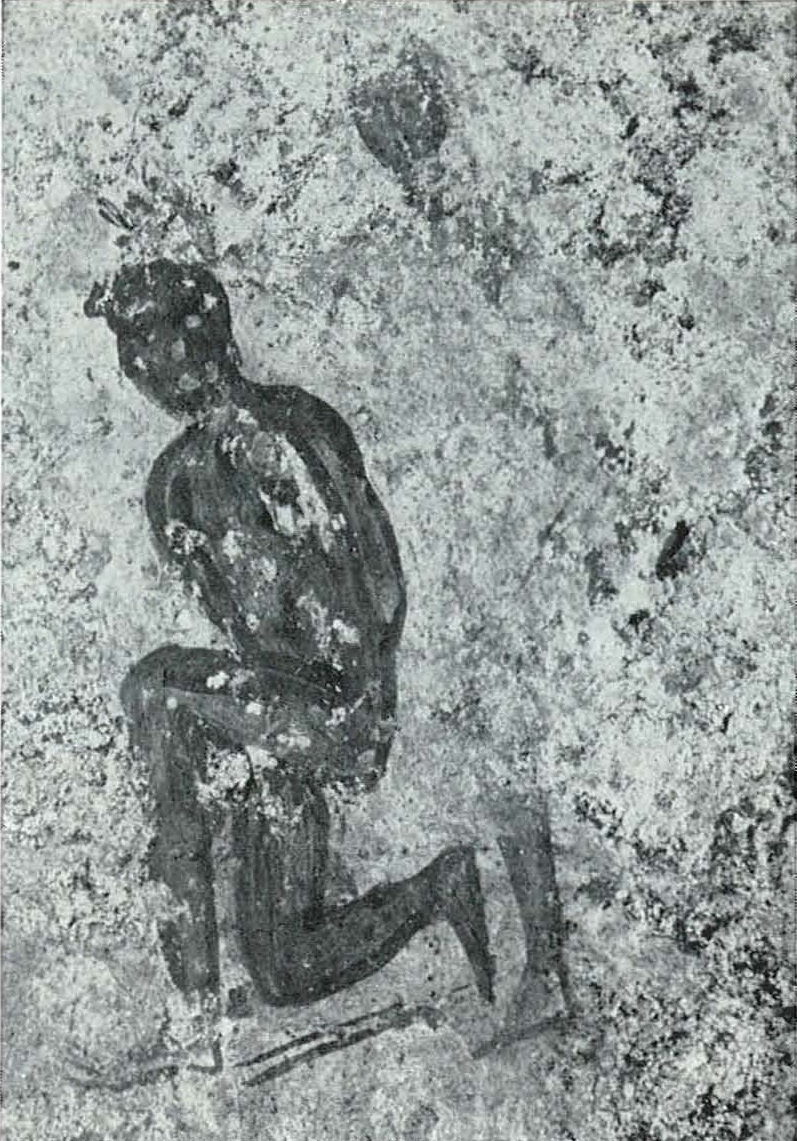
This scene from the frescoes of the Mitreo di Santa Maria Capua Vetere shows a kneeling, naked man surrounded by two other figures.
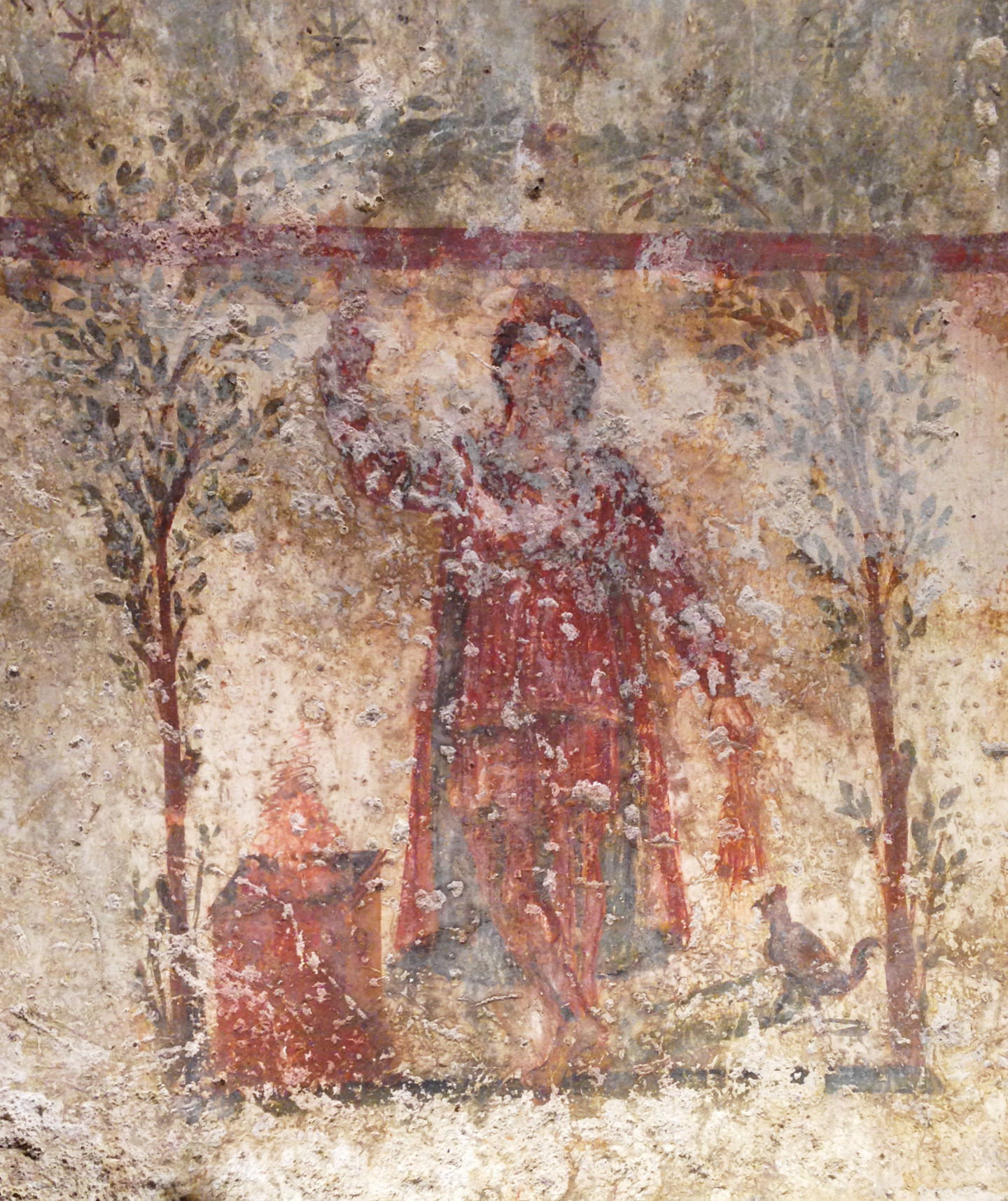
In the Mithraeum of S. Capua Veteres, Cautes stands between two laurel trees.
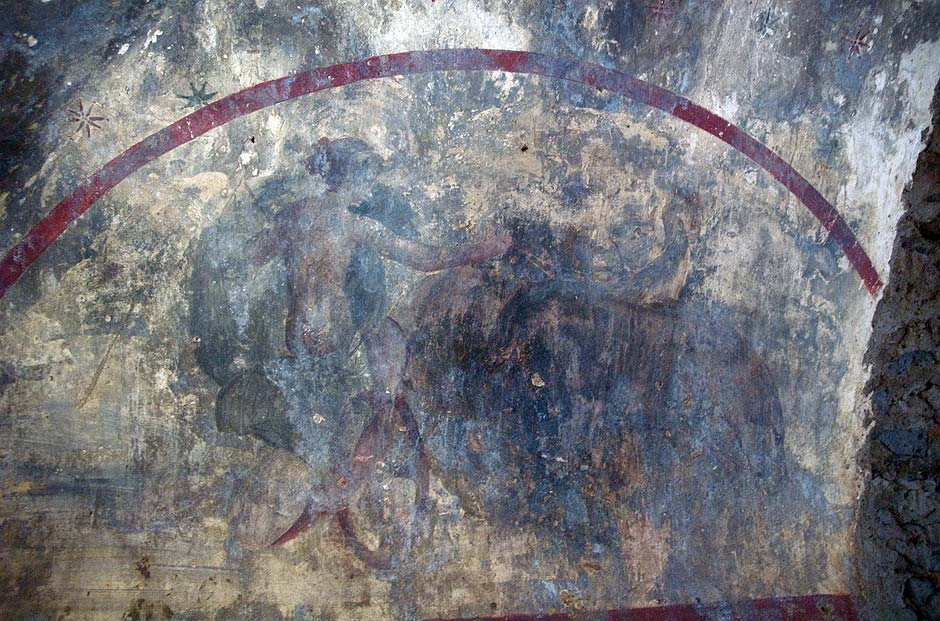
Luna riding a biga in the Mithraeum of Santa Capua Vetere.
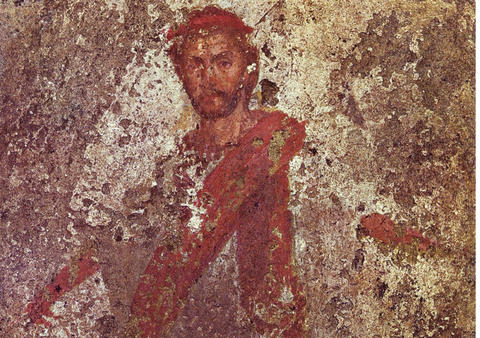
Figures in procession, each representing a different grade of Mithraic initiation, labeled with their respective titles.
