Your search Val di Non gave 2329 results.

A Mithraic pater at Ostia associated with the dedication of an image of Arimanius in the Casa di Diana mithraeum.
.jpg)
The statue of Arimanius/Ahriman was found in 1874 under the city wall of York during the construction of the railway station.

Late Roman senator and governor of Numidia whose inscriptions present him as a Mithraic pater and initiate in several mystery cults.
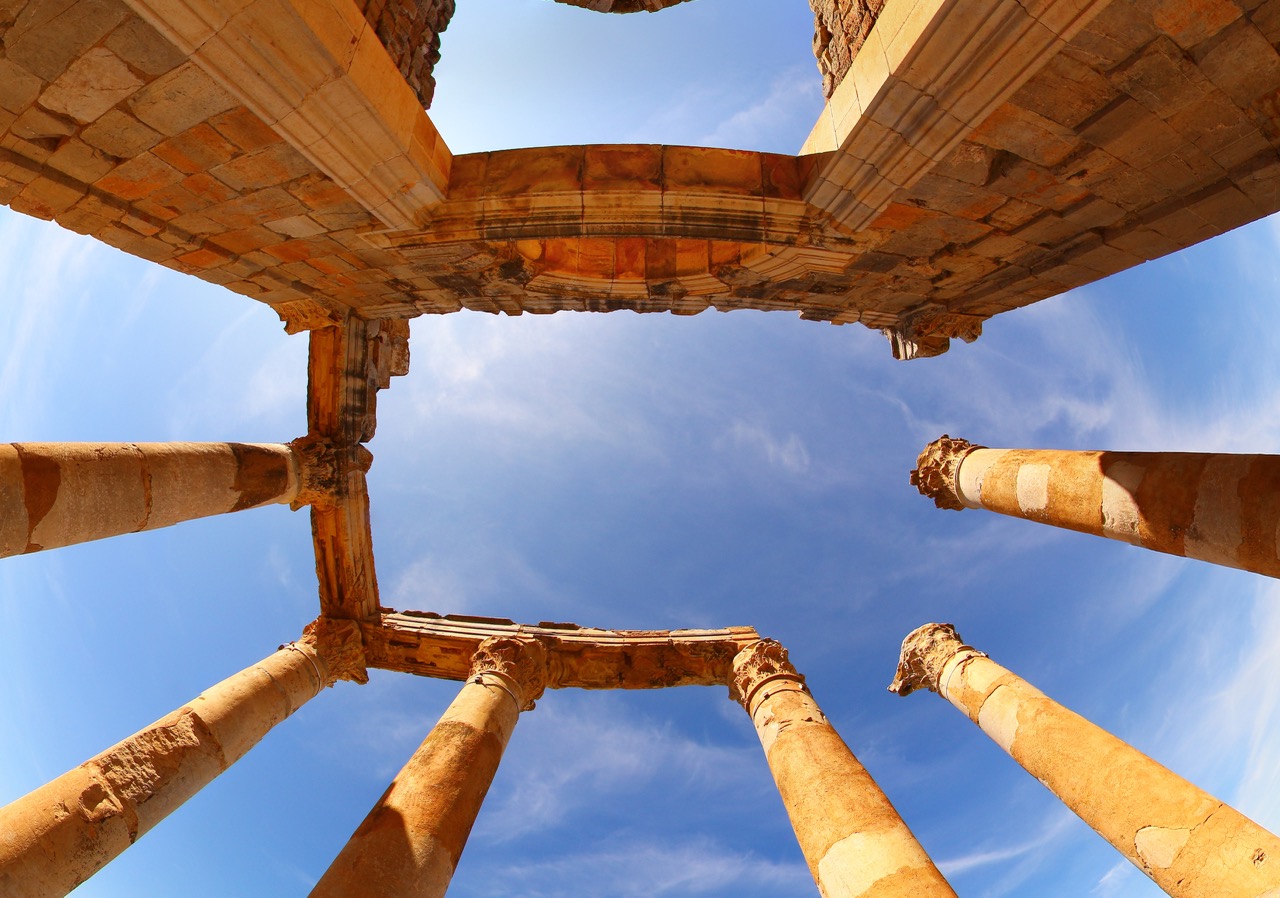
Roman colonial city of Numidia, later known as Djémila, renowned for its exceptionally well-preserved late antique urban remains.

Aristocratic villa near Tarraco, capital of Hispania Tarraconensis, associated with Caius Valerius Avitus and a Mithraic sanctuary.
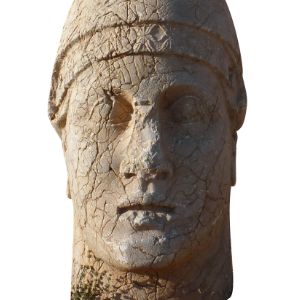

Roman prefect commemorated in a rare dedication to Sol Apollo Anicetus Mithras at Rudchester.
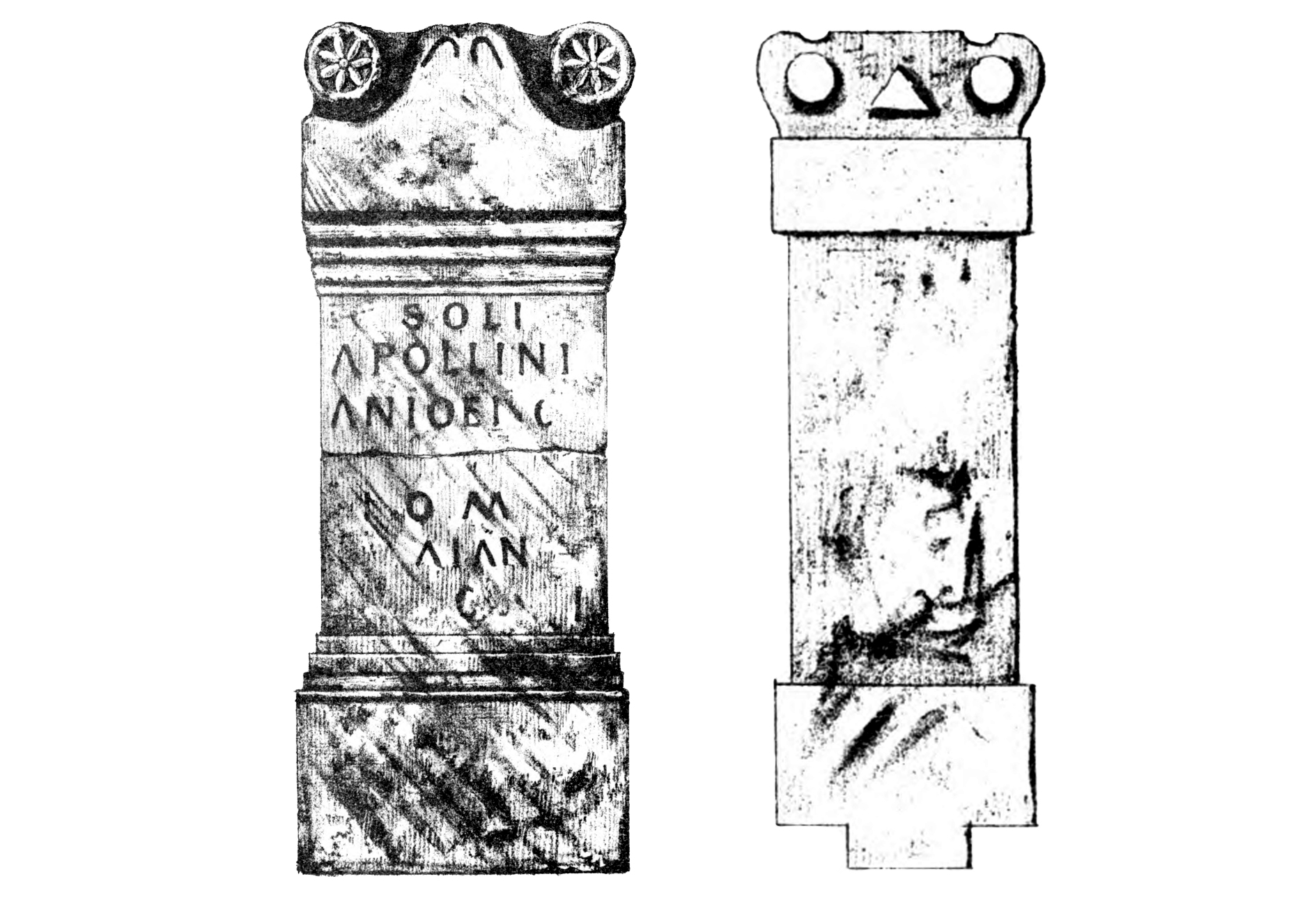
Fragmentary inscription from Vindobala preserving a rare dedication to “Sol Apollo Anicetus” within a Mithraic context on Hadrian’s Wall.
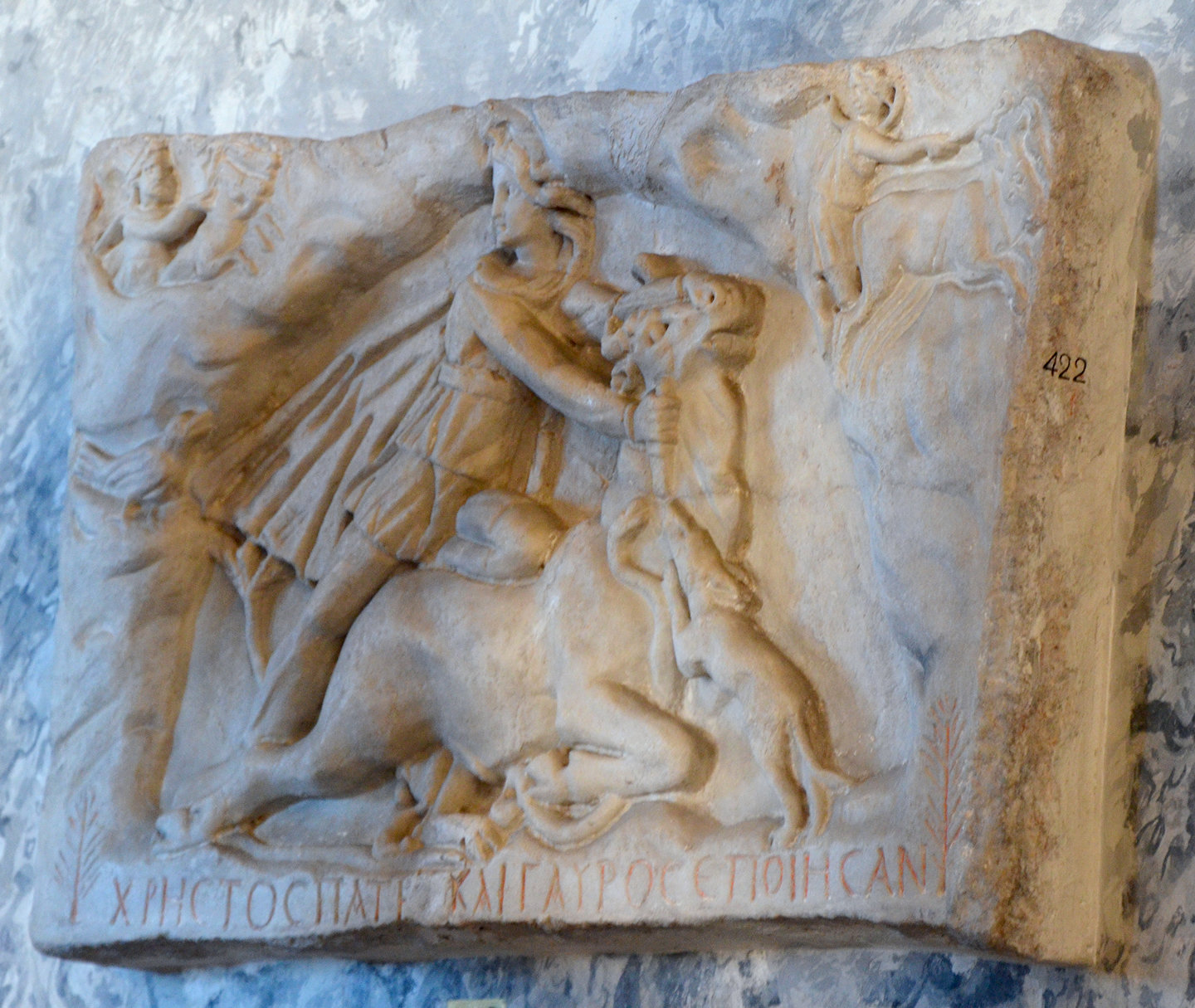
This relief of Mithras killing the bull, signed by a certain Χρῆστος, is on display in the Sala dei Animali of the Vatican Museum.

This altar from Grumentum in Lucania was dedicated to Sol Invictus Mithras by Titus Flavius Saturninus, an evocatus in imperial service.
Upper fragment of a marble relief depicting Cautes, discovered in the Forum of Caesar in Rome.
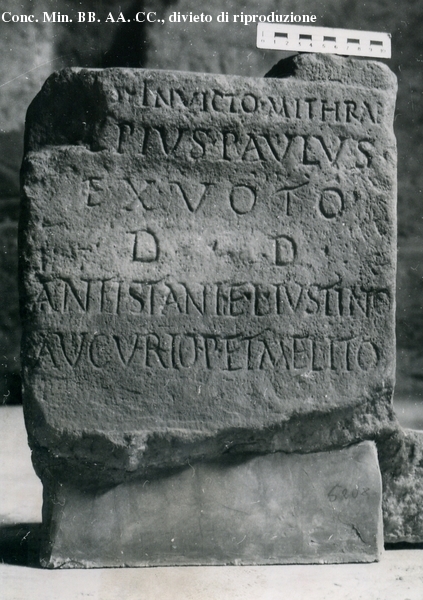
Small marble base, found in one of the private houses along the Via Sacra nearly opposite to the Basilica of Constantine, Rome.
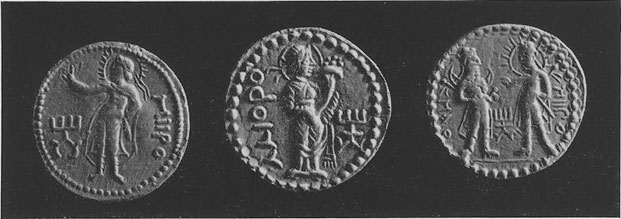
A gold coin depicting a bearded god with a crescent facing another god with a nimbus and a radiate crown, identified as Mithras by Vermaseren.

Bronze torchbearer statuette in a short tunic from the Cabinet des Médailles, holding an upraised torch.

Black jasper gem from the Seyrig collection, depicting Mithras radiate slaying the bull, with the god grasping the muzzle with the left hand and driving a knife into the animal's neck with the right.
Oval jasper gem in the Cairo Museum depicting Mithras slaying the bull with Sol, Luna, a leontocephalic figure and seven stars.
Gold ring amulet formerly in the Schlumberger Collection, published as Mithraic by Cumont and later identified as a healing charm against colic and diseases of the uterus.
Inscription from Corstopitum (modern Corbridge) recording a dedication to Sol Invictus by a vexillation of Legio VI Victrix under the governorship of Sextus Calpurnius Agricola in AD 163.
Sandstone altar from the Mithraeum of Vindobala bearing a dedication to Sol Invictus and Mithras by the prefect Aponius Rogatianus.
A small stone pedestal and the fallen statue of a seated Mother-goddess from the Mithraeum at Procolitia (modern Carrawburgh), depicting a figure of ungainly proportions enfolding in her arms a basket resting on her knees, found in the corner behind the screen at the east end of the temple…
