Your search Vil·la romana dels Munts gave 370 results.

In their groundbreaking new book, Mushrooms, Myths & Mithras, classics scholar Carl Ruck and friends reveal compelling evidence suggesting that psychedelic mushroom use was equally influential in early Europe, where it was central to initiation cerem

A powerful and wealthy man, founder of a mithraeum in the city of Aquincum of which he was the mayor.
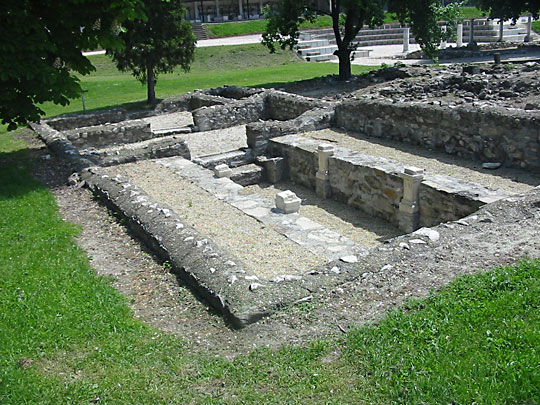
This temple of Mithras in Aquincum was located within the private house of the decurio Marcus Antonius Victorinus.

Patronus of the corpus lenunculariorum tabulariorum auxiliariorum Ostiensium.

Pater sacrorum attested in a funerary inscription from Murviel-lès-Montpellier, probably connected with the Mithraic community of Nemausus.

A funerary cippus, dated to the 2nd–3rd century, commemorating Publius Anthius Logus, pater sacrorum, and erected by Cornelia, daughter of Lucius, found at Sextantio near modern Montpellier in Narbonensis.

The Roman remains of Benifaió, or Benifayó in Spanish, are located on the outskirts of the city. Of particular interest is a rustic villa inhabited between the 1st and 4th centuries according to the numismatic and ceramic remains found.
The vicus Vindonianus formed part of the civilian settlement network associated with the Danube frontier.
The vicus Altiajensium formed part of the civilian settlement network associated with the Rhine frontier.
The site of Slăveni preserves traces of military occupation associated with the frontier system of Dacia.
Pausilypum, modern Posillipo, overlooked the Bay of Naples and became renowned for its elite villas and coastal setting.
Coria developed as a major military and civilian centre near Hadrian’s Wall at modern Corbridge in northern Britannia.
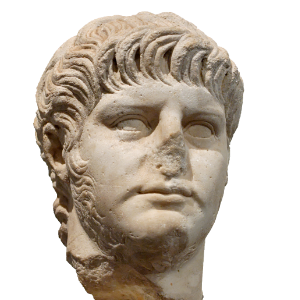
Roman emperor whose ceremonial reception of Tiridates I of Armenia established one of the earliest recorded links between Mithras and the Roman imperial court.
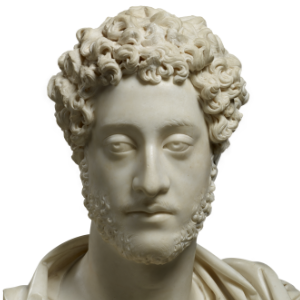
Roman emperor traditionally regarded as the first ruler initiated into the Mysteries of Mithras.
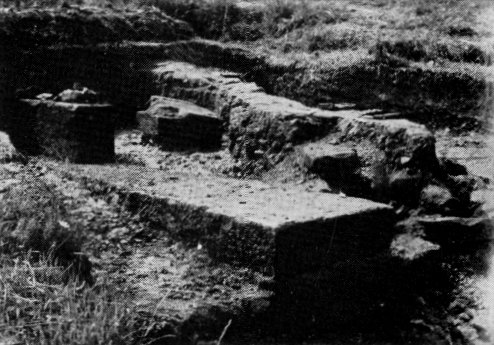
The Mackwiller Mithraeum was built in the middle of the 2nd century, during the reign of Antoninus the Pious, on the site of a spring already worshipped by the natives.
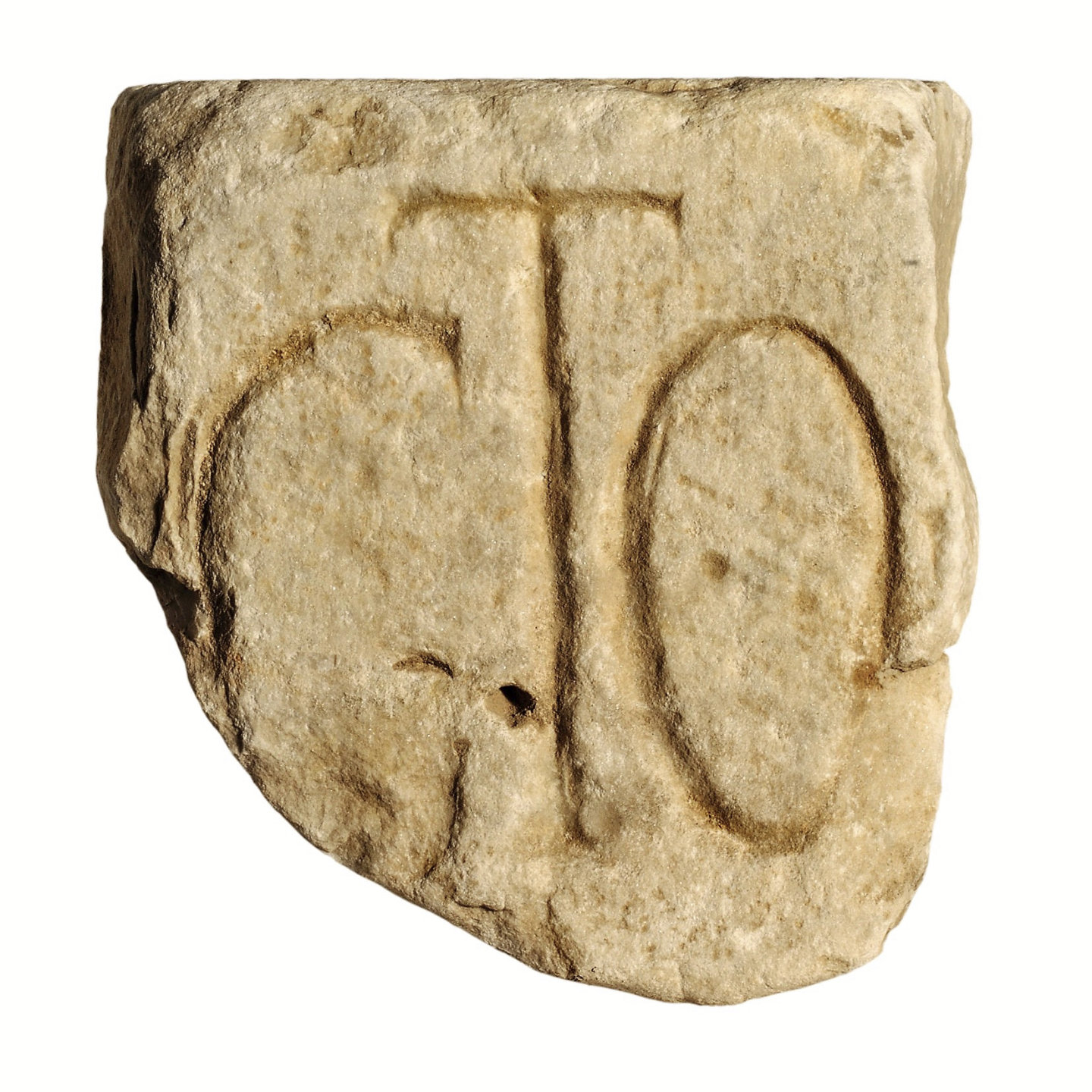
This fragment of the base of a statue from Tarragona, Spain, bears an inscription which appears to be dedicated to the invincible Mithras.
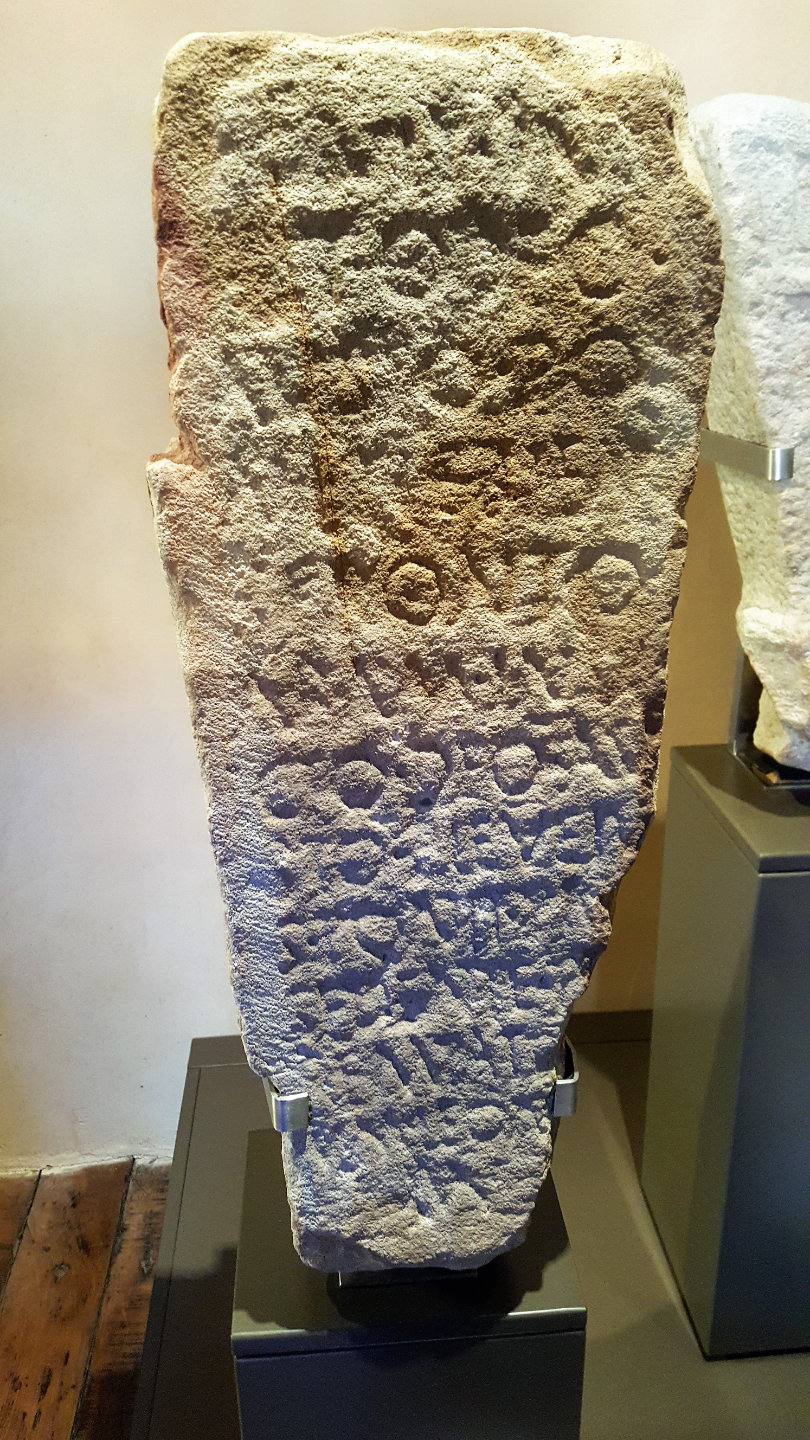
The monument of San Juan de la Isla (Asturias) devoted to Mithras was preserved in the portico of the main church until 1843.
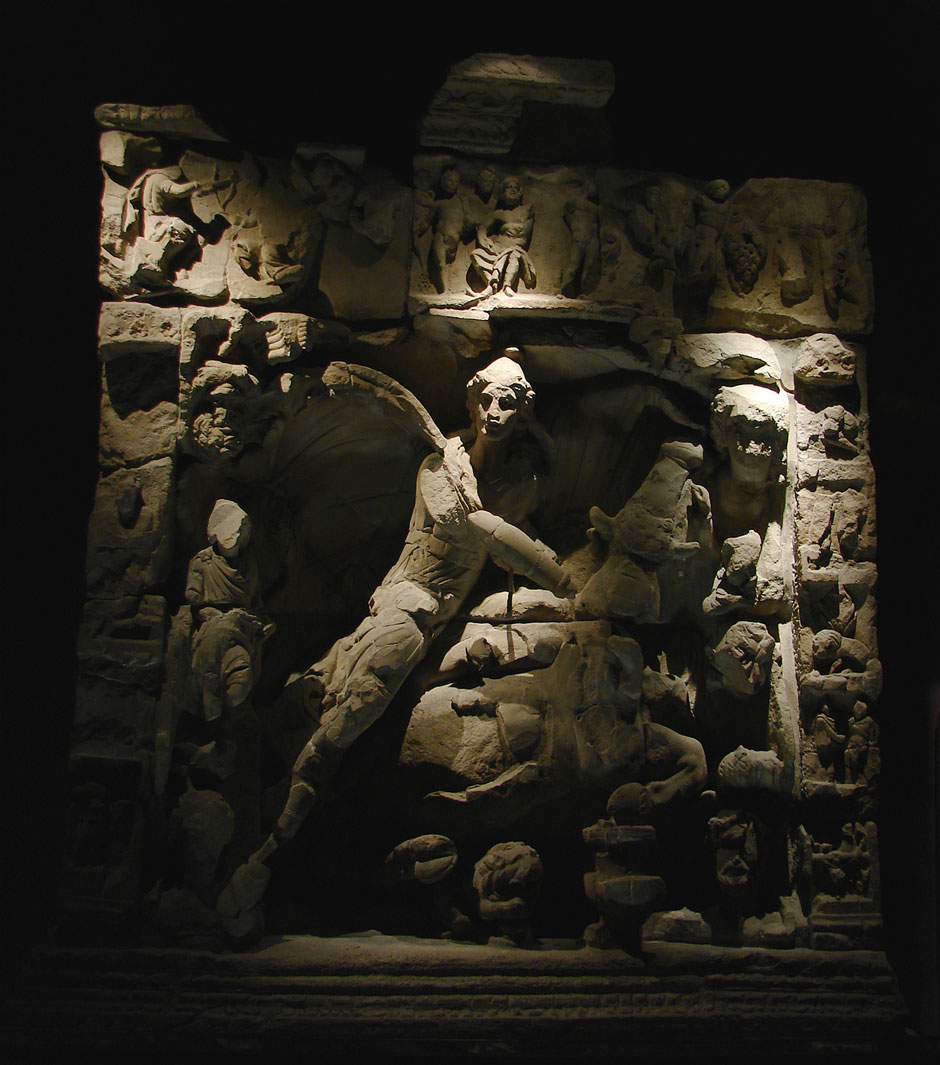
The Tauroctony of Saarbourg (Sarrebourg, ancient Pons Sarravi), France, contains most of Mithras deeds known in a single relief.

