Your search Villa Romana de Fuente Álamo gave 186 results.

White marble statue of the lion-headed Aion standing on a cone decorated with a crescent, entwined in seven coils of a serpent and pressing claw-like hands against his body, each grasping a key; formerly in the Museo Torlonia, Rome.
Tauroctony relief in the Museo Torlonia, Rome, remarkable for having a large ant grasping the testicles in place of the scorpion, with the raven on Mithras' flying cloak, the dog and serpent near the wound, and the busts of Sol and Luna in the upper corners; no torchbearers represented…
Marble altar from the gardens of the Villa Giustiniani near Porta Flaminia, dedicated to Sol Invictus Mithras as a votive offering by Vestalis, servant of the Caesars, and C. Vettius Augustalis.
Marble cippus from the Villa Giustiniani near Porta Flaminia with a dedication to Sol Invictus Mithras by M. Aurelius Euprepes, erected after a vision through the presidents Bictorinus pater and Ianuarius, dated to 184 A.D.
Marble head with locks of hair and Phrygian cap, probably depicting Mithras as bull-killer, found under the threshold of the Iseum at Cyrene.
Limestone base bearing a dedication to Helios Mithras by Midon son of Solon, with a bust of Mithras in Phrygian cap, found at Savçilar on the border of Phrygia and Mysia, 78/77 A.D.
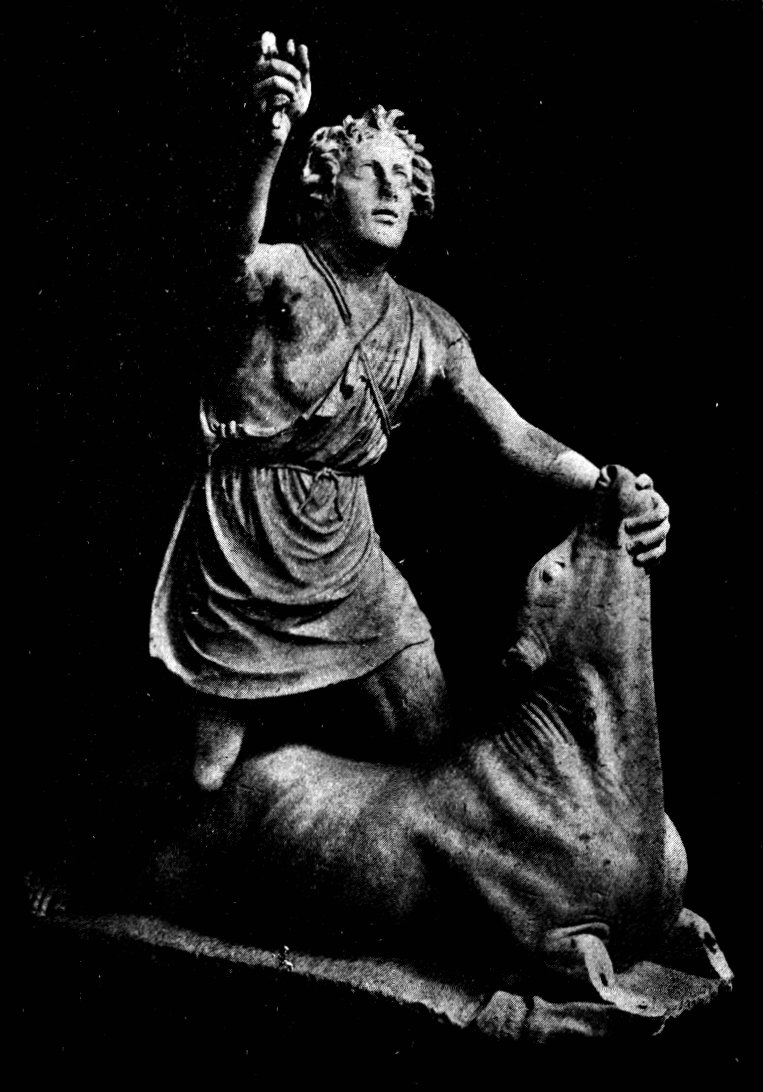
The person who commanded the sculpture may have been M. Umbilius Criton, documented in the Mitreo della Planta Pedis.
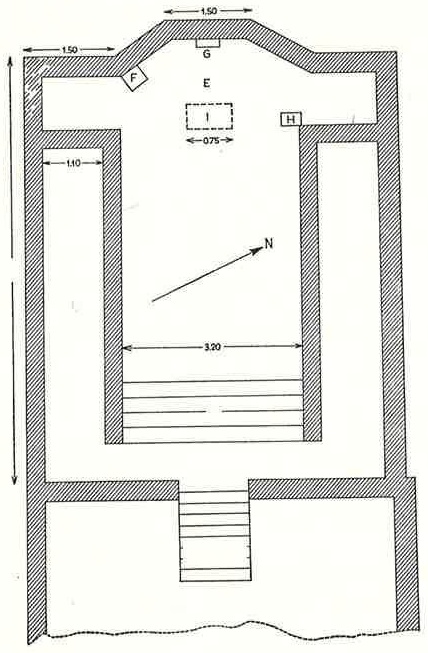
Mithraic sanctuary found at Biljanovac north-east of Kumanovo, Moesia Superior, with a pronaos and inner sanctuary, yielding marble reliefs, an altar, and associated cult objects.
Group of Mithraic and other cult remains possibly originating from several neighbouring sanctuaries destroyed or abandoned in Late Antiquity.
Mithraic sanctuary excavated in a quarry at Kreta near Nikopol, Moesia Inferior, carved into the rock and including a small niche with a sandstone tauroctony relief, a base, and several altars.
Sandstone altar from Romula, Dacia, dedicated to Deo invicto Mithrae by Aurelius Rufus ex voto, with the busts of Sol and Luna flanking the text.
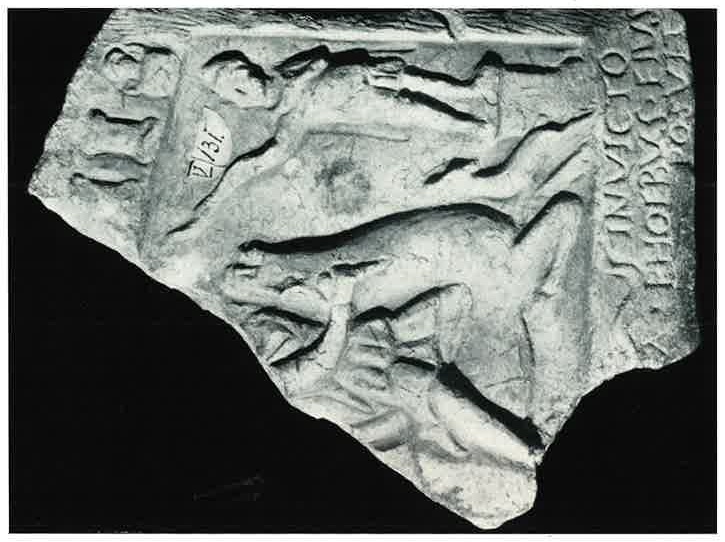
White marble tauroctony relief fragment from Romula, Dacia, now in Turnu Severin; the composition is partially preserved.
Altar from Petronell, ancient Carnuntum, Pannonia Superior, dedicated to Soli divino ex visu by Lucius Aelius Leo — possibly the same individual who dedicated a further altar identifying himself as a miles of Legio XIIII Gemina.

Romula or Malva was an ancient city in Roman Dacia, later the village of Reşca, Dobrosloveni Commune, Olt County, Romania.

In this relief of Mithras as bull slayer, recorded in 1562 in the collection of A. Magarozzi, Cautes and Cautopates have been replaced by trees still bearing the torches.

Emperor Caracalla ordered one of Rome’s largest temples to the god Mithras to be built in the baths bearing his name.
Diana Veteranorum, today a village called Ain Zana, was an ancient Roman-Berber city in Algeria.
Dalj is a village on the Danube in eastern Croatia, near the confluence of the Drava and Danube, on the border with Serbia.
Gimmeldingen is a village, part of the town of Neustadt an der Weinstraße, Germany. Its origins, along with the village of Lobloch (which used to be connected), can be traced back to Roman settlements in 325 AD.
