Your search Villa of Domitian at the Castel Gandolfo gave 3678 results.

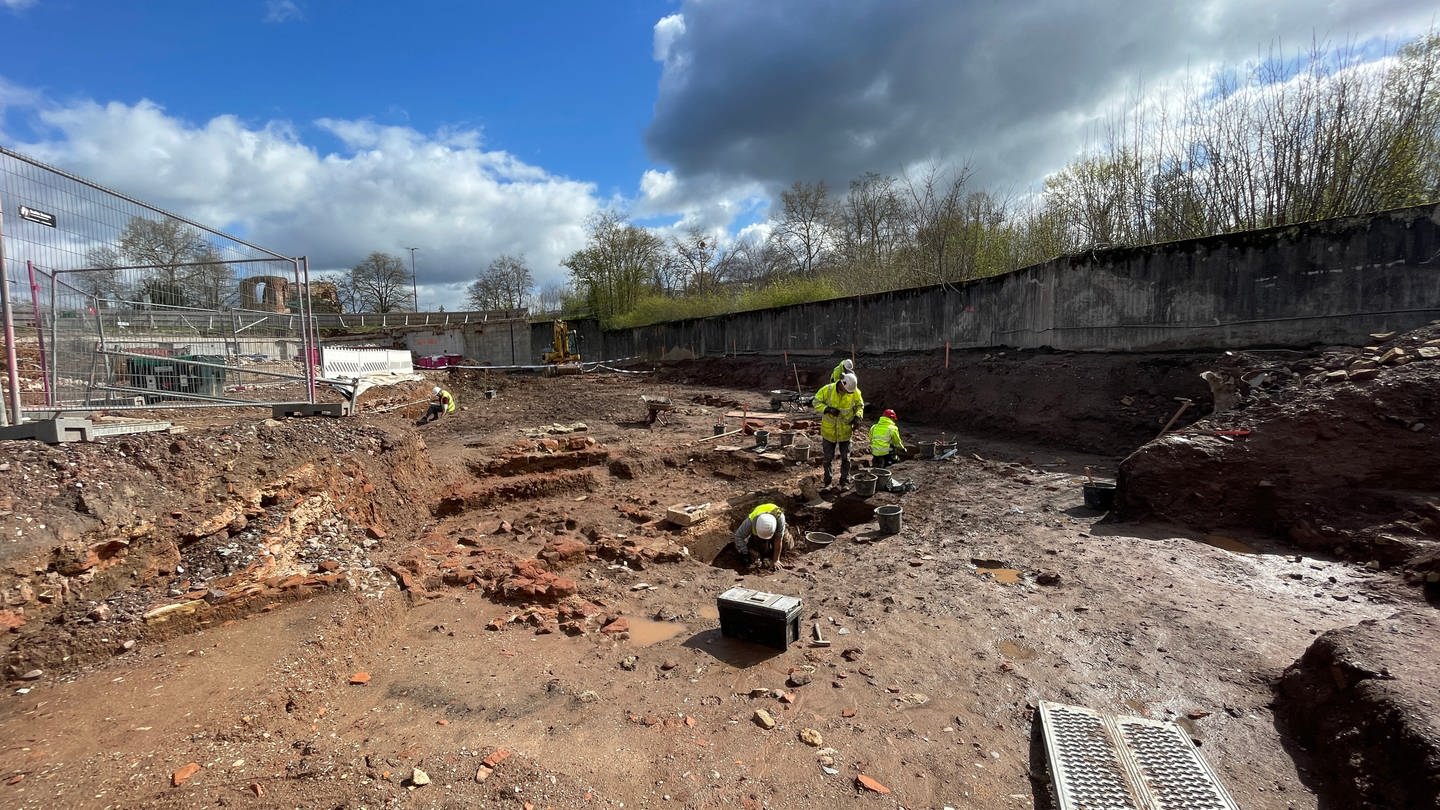
A place of worship for the Roman god of light Mithras was discovered during archaeological excavations in Trier. This includes a larger relief.
This is one of the few known Mithraic inscriptions dedicated by a member who attained the grade of Perses.
On the occasion of the discovery of a Mithraeum in Cabra, Spain, we talk to Jaime Alvar, a leading figure in the field of Mithraism. With him, we examine the testimonies known to date and the peculiarities of the cult of Mithras in Hispania.

In this article, Chalupa examines the scant evidence that has been found for the presence of women in the Roman cult of Mithras.
This marble base found in Angera in 1868 bears the inscription of two people who reached the degree of Leo.
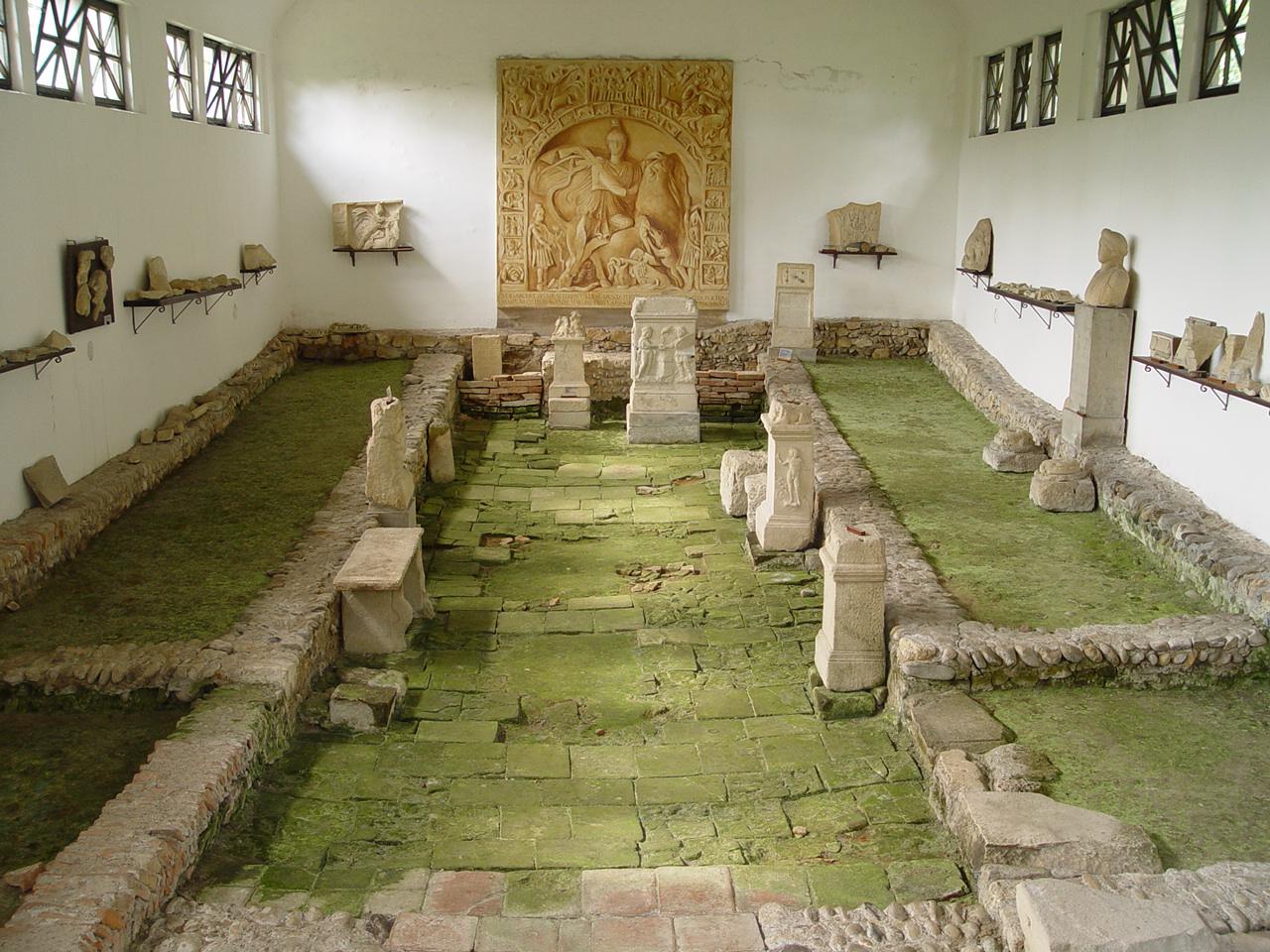
Mithraeum III in Ptuj was built in two periods: the original walls were made of pebbles, while the extension of a later period was made of brick.
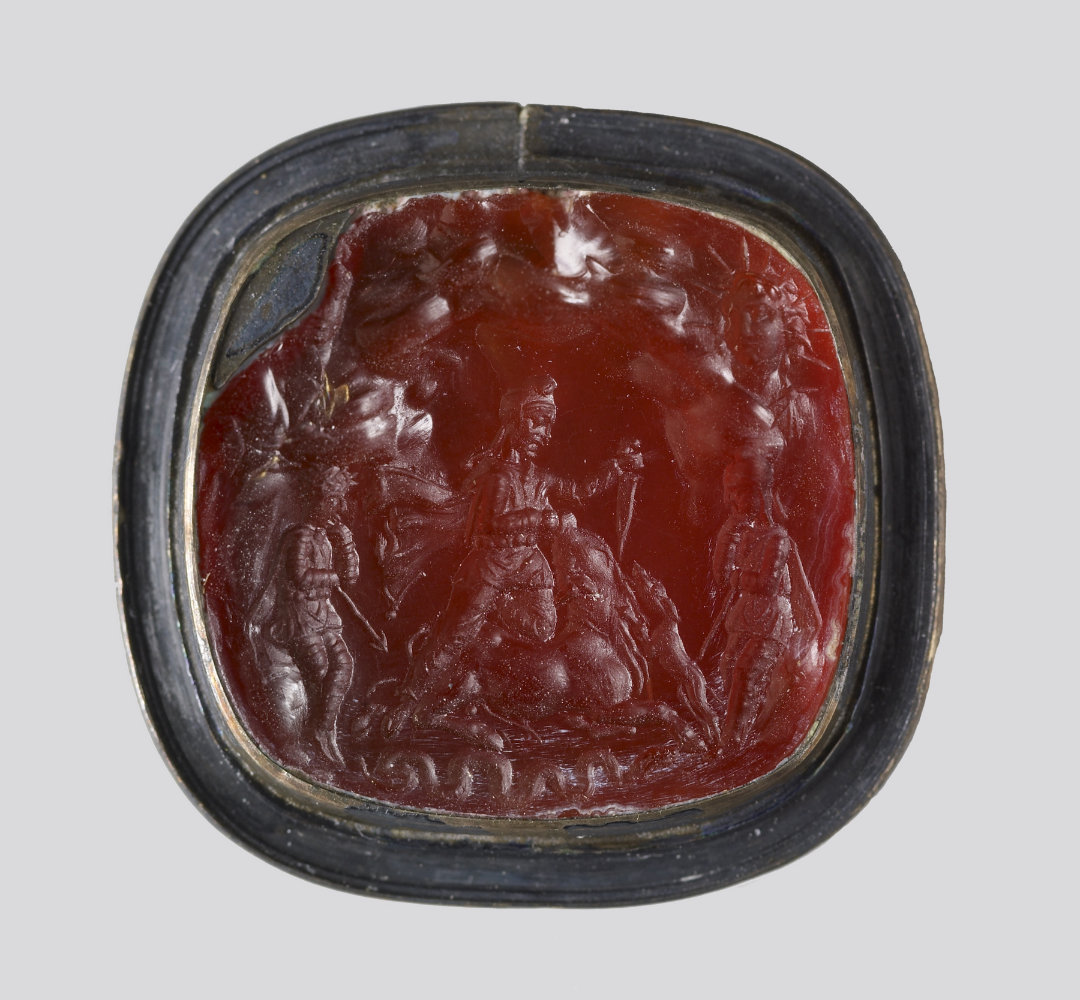
This ancient carnelian intaglio mounted in gold depicts Mithras slaying the bull surrounded by his companions Cautes and Cautopates.
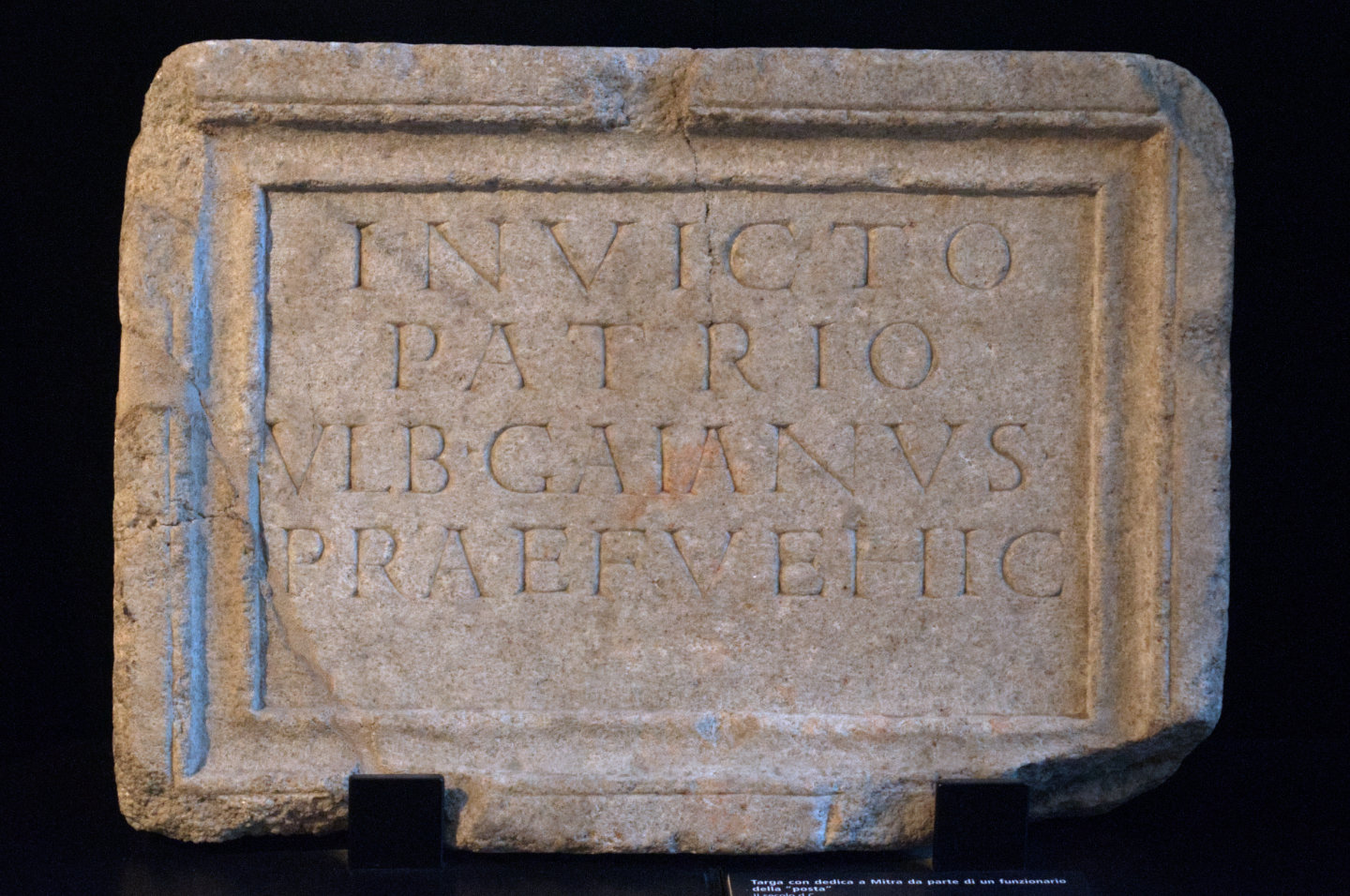
This monument dedicated to 'Invicto Patrio' was found in Milan in 1869.
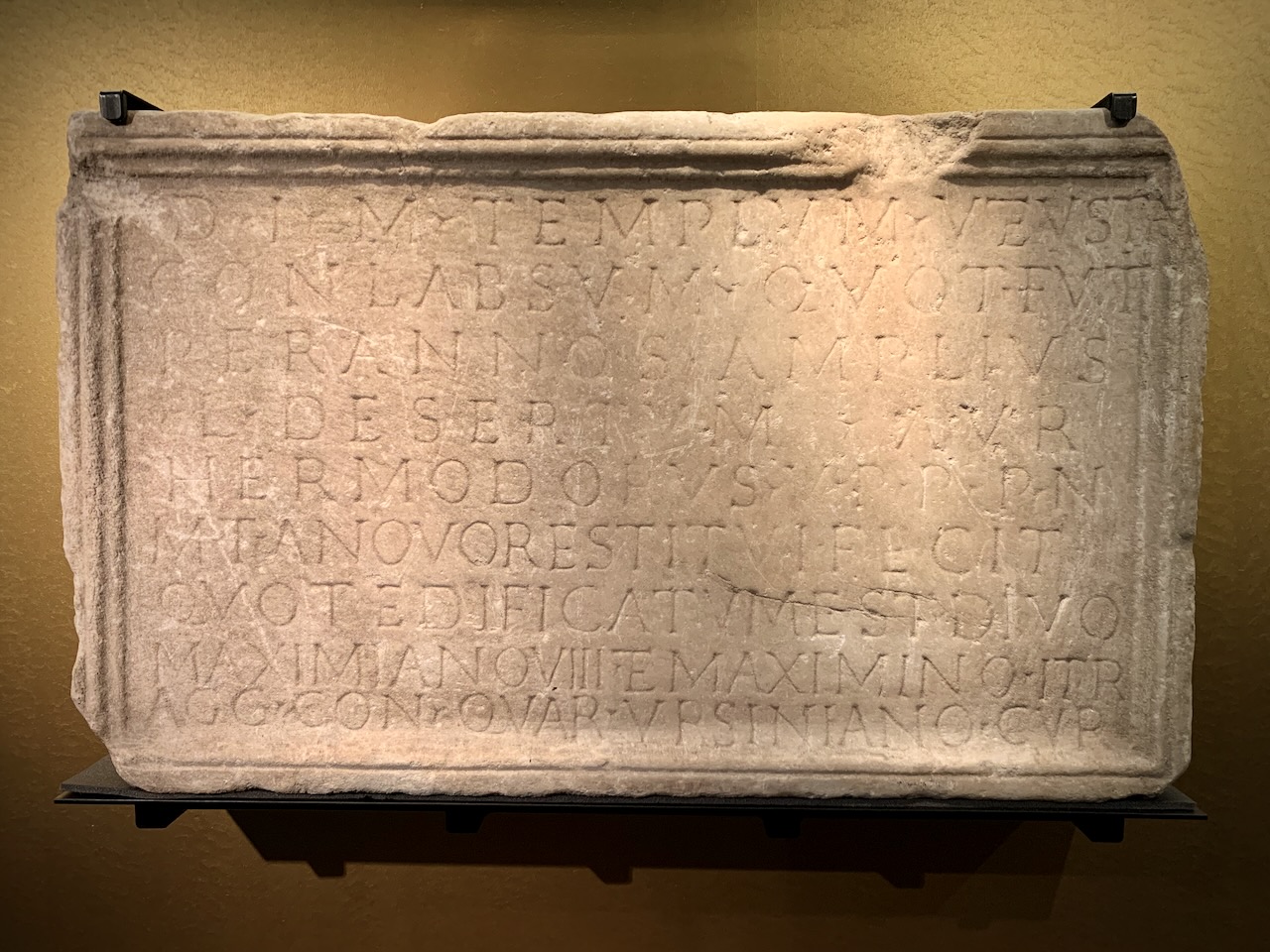
This marble gives some details of the reconstruction of the Virunum Mithraeum.
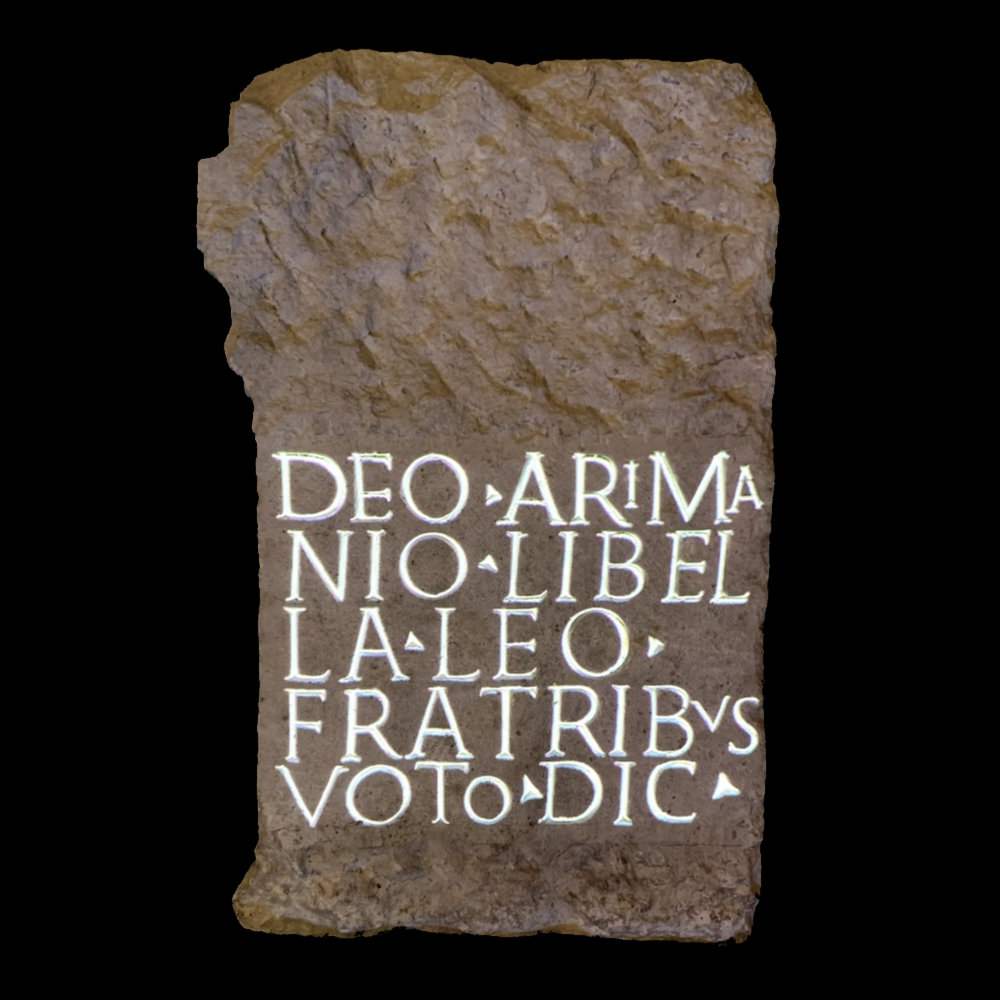
The dedicant of this altar to the god Arimanius was probably a slave who held the grade of Leo.
On this slab, Gaius Iulius Propinquos indicates that he made a wall of the Mithraeum at his own expense.
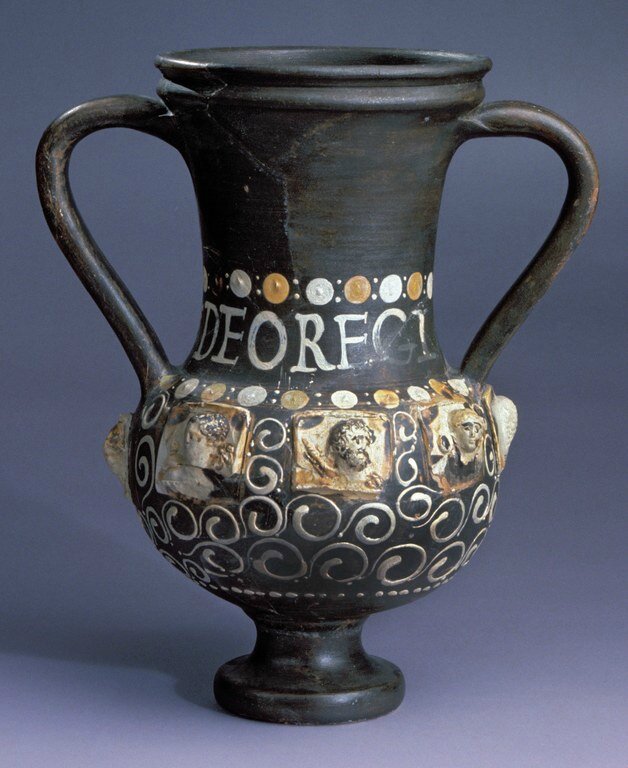
The vase bears an inscription to the god but also 'king' Mithras.
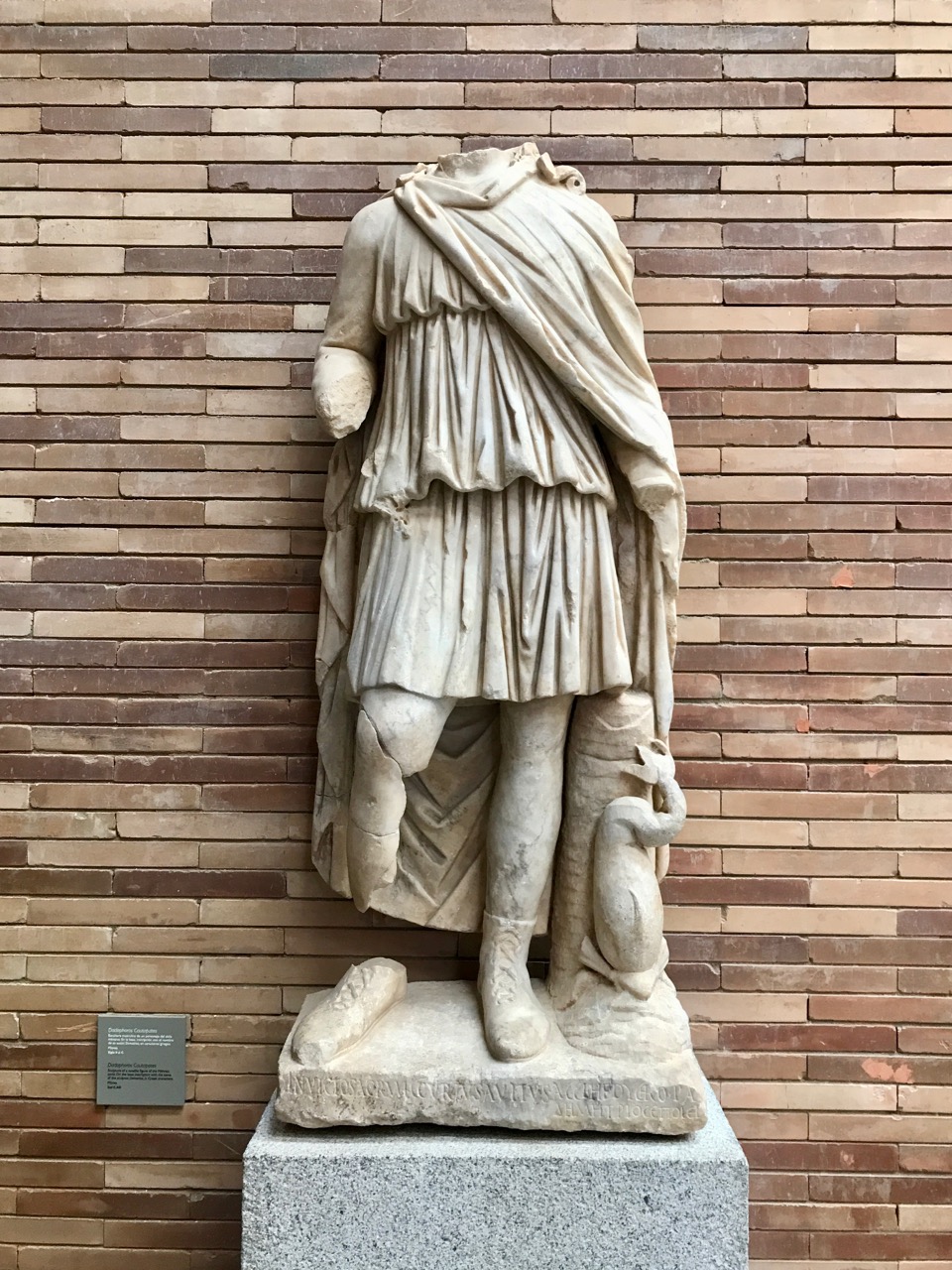
The sculpture of the solar god is signed by its author, Demetrios.
The Mithraeum of Slaveni was discovered in 1837 on the right bank of the river Olt, in Romanati district.
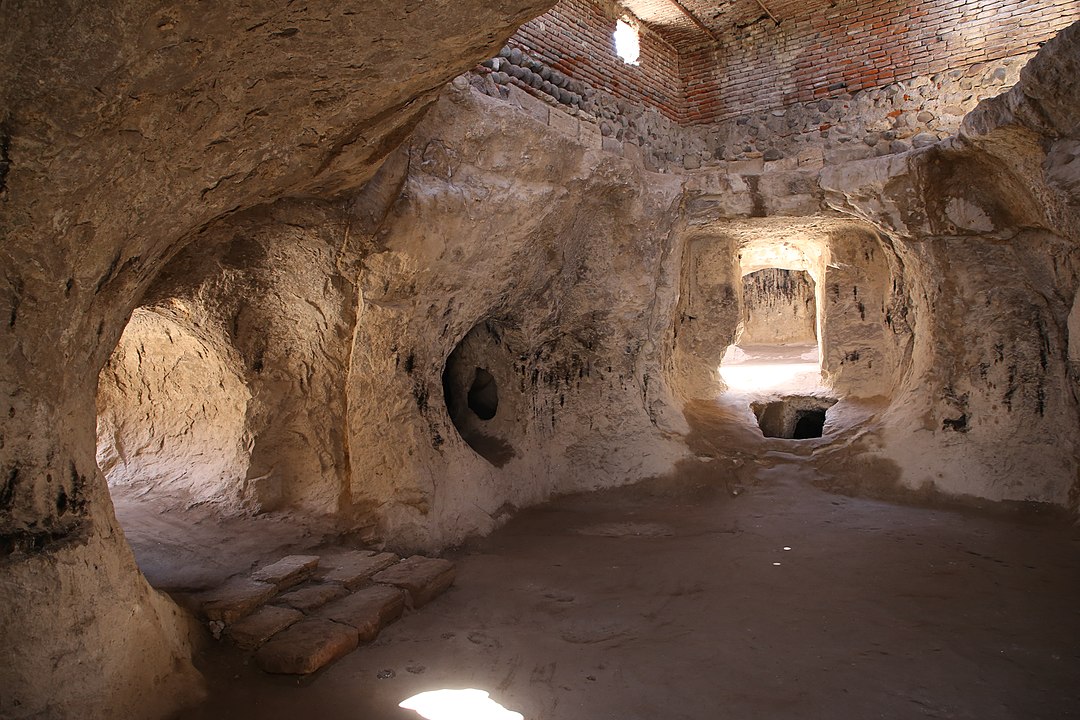
The Mithra Temple of Maragheh, also referred to as the Mithra Temple of Verjuy or simply Mehr Temple, is the oldest surviving Mithraic temple in Iran known to date.
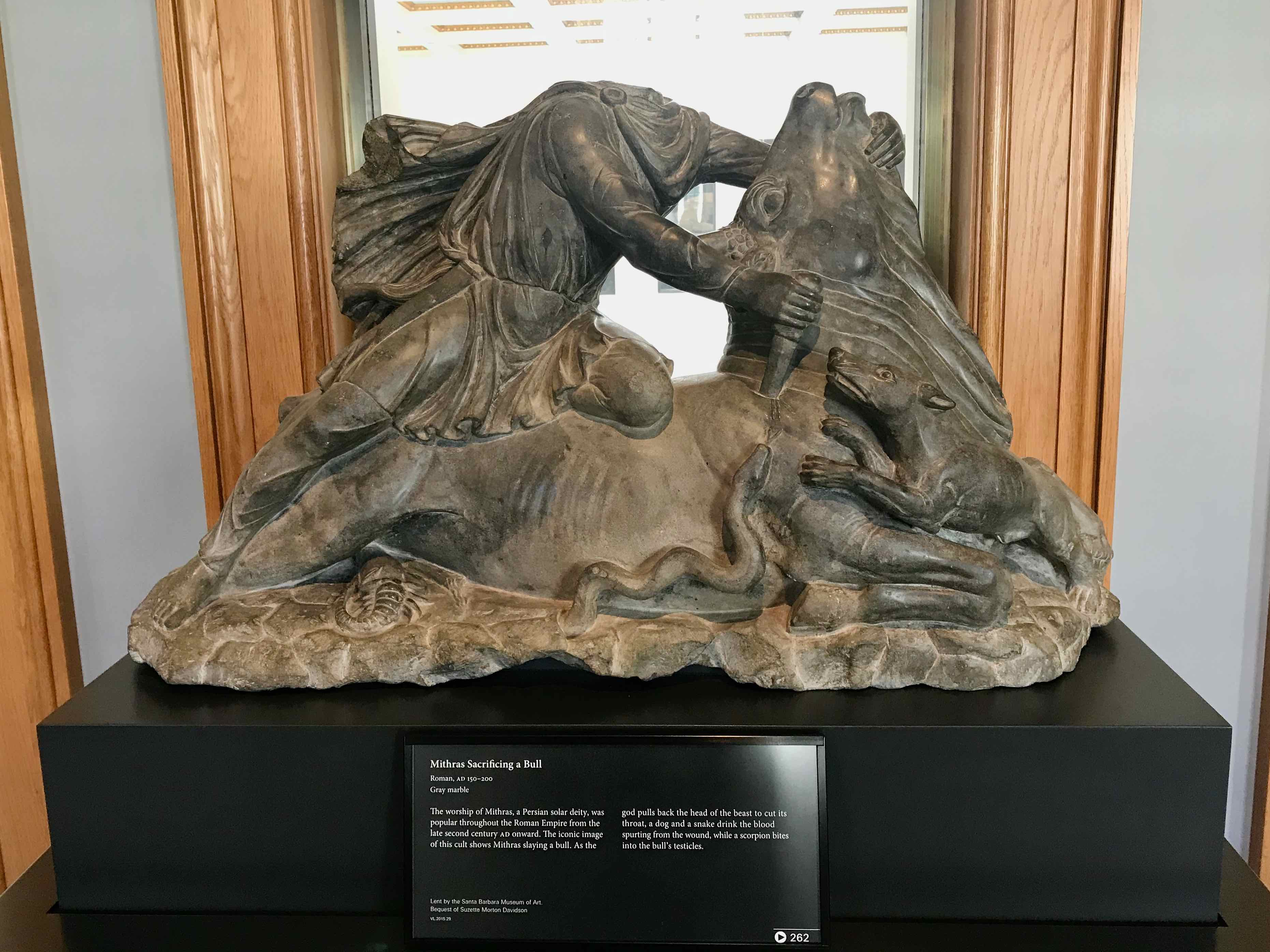
Tauroctony in black marble on display at the Santa Barbara Museum of Art, California.
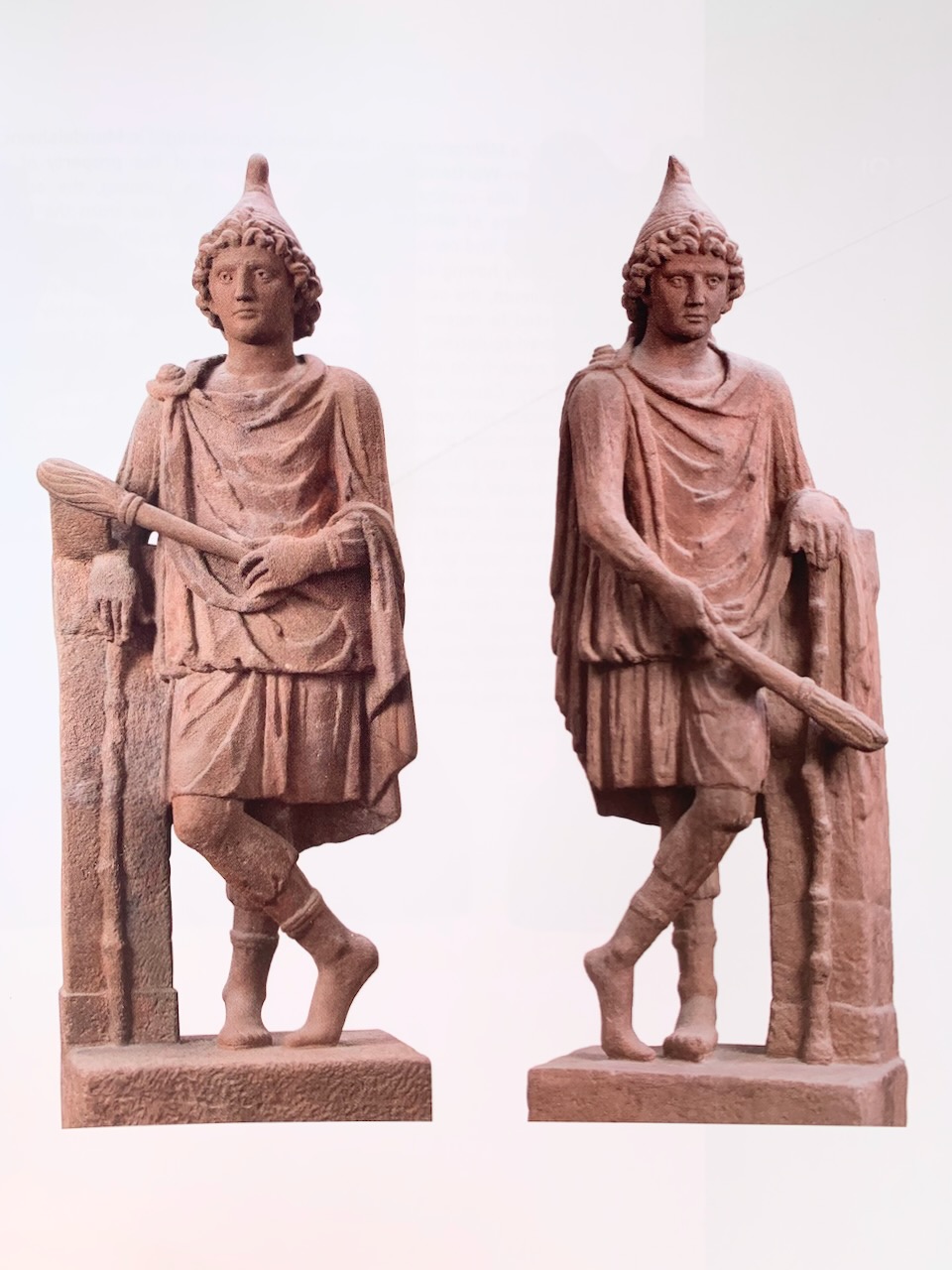
The two companions of Mithras carry a torch and a shepherd's staff at the third Mithraeum in Frankfurt-Heddernheim, formerly Nida.
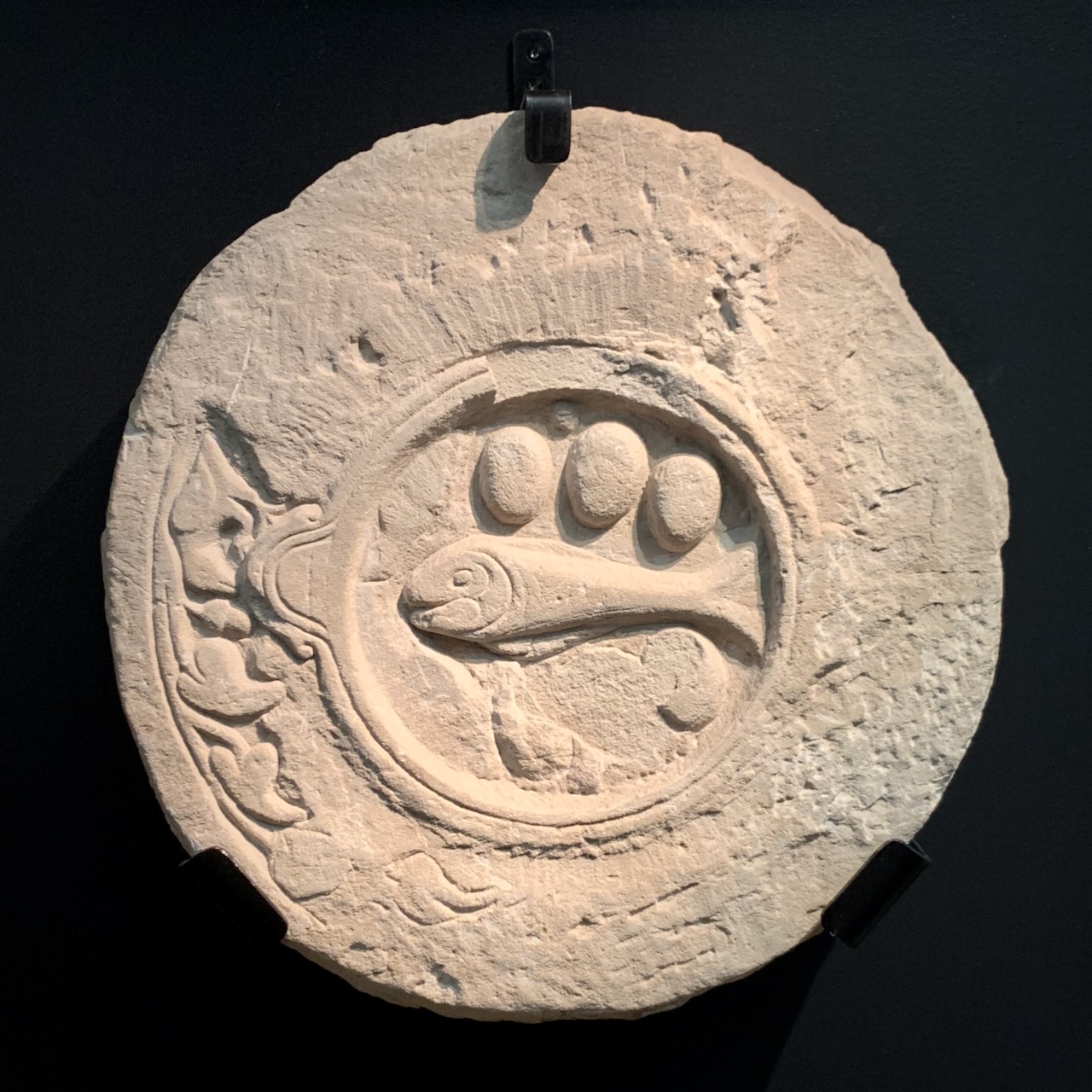
The iconography of the platter of Ladenburg might evoke the food consumed during Mithraic banquets.
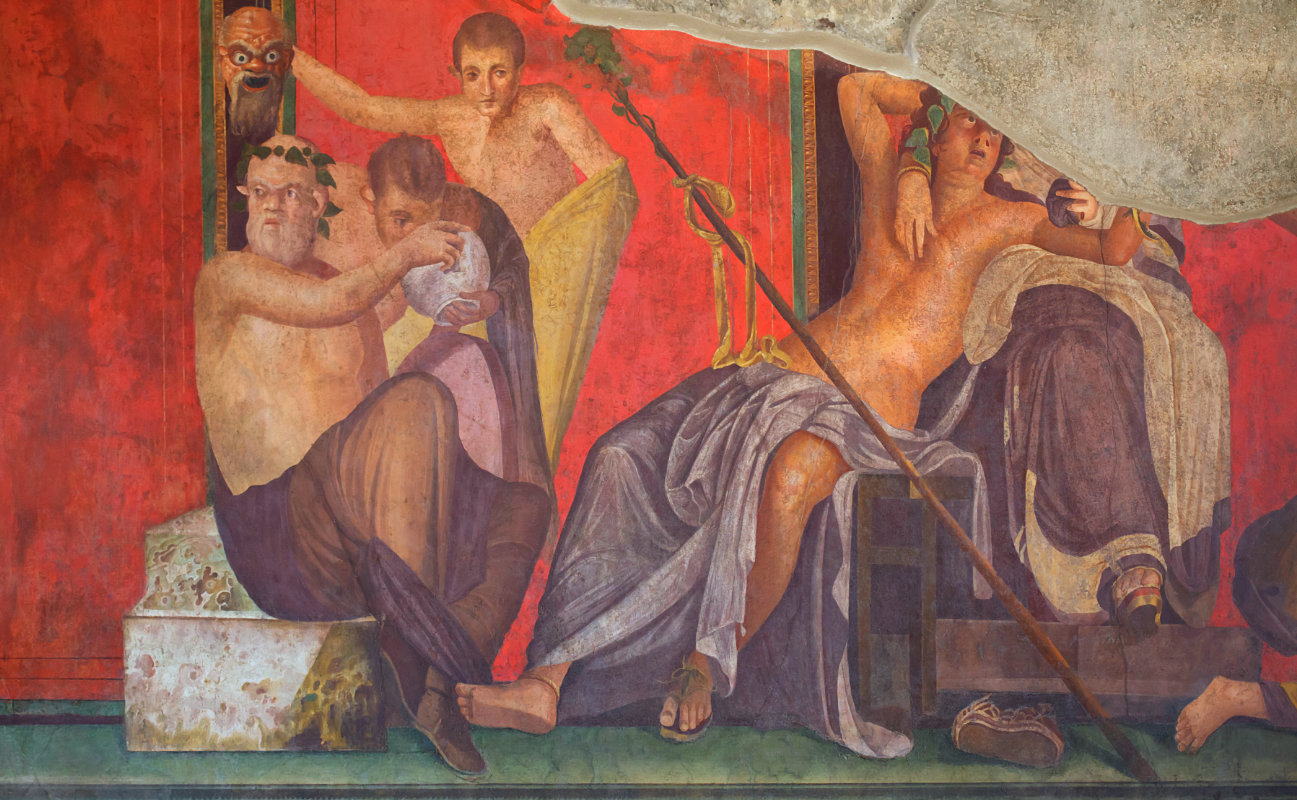
Peter Mark Adams: ‘The initiation was a frightening experience that caused some people to panic as a flood of otherworldly entities swept through the ritual space.’.
