Your search farid ud din attar gave 1816 results.

Marble lion from Mithraeum II at Ptuj, ancient Poetovio, holding a swine's head under its left fore-leg — a sacrificial animal pairing associated with the Mithraic lion grade.
Right portion of a marble tauroctony relief from Mithraeum II at Ptuj, ancient Poetovio, preserving standing Cautes with upraised torch and the bust of Luna above him.
Right lower corner of a marble relief from Mithraeum II at Ptuj, ancient Poetovio, preserving the border of the grotto and, outside it, Luna in a two-horse chariot holding a whip; only the horses' heads are shown.
Right portion of a marble relief from Mithraeum II at Ptuj, ancient Poetovio, preserving Cautes holding the upraised torch with both hands; not cross-legged; head, feet, right hand, and torch top are lost.
Inscription from Mithraeum I at Ptuj, ancient Poetovio, dedicated to Petrae genetrici ex viso by Felix, vicarius of Prudens, slave of Antonius Rufus, vilicus of the publicum portorium Illyricum — one of several Mithraic dedications by this household.
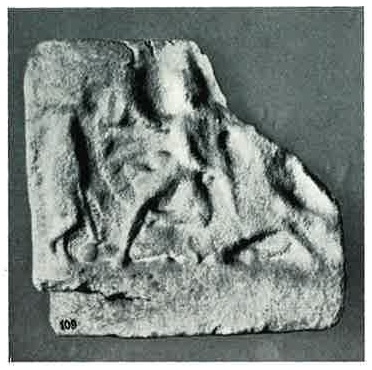
Marble tauroctony relief from Ruše, Noricum, showing a grotto scene in which Cautopates holds the torch downward against the rocky ground and supports his head with his left hand in a pensive attitude; the upper left corner preserves a bust of Sol.
Miscellaneous objects from the Rückingen Mithraeum including stone balls, cult-vase fragments, lamps, and two candlesticks
Sandstone Mithras relief discovered in 1950 near Rückingen, proving the existence of a Mithraeum there from the late second to early third century AD
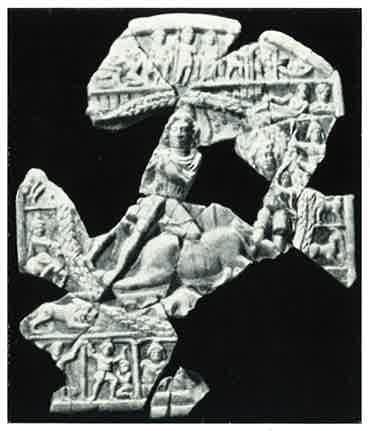
Fragments of a white marble arched tauroctony from Mithraeum III at Heddernheim, ancient Nida, showing Mithras killing the bull in a leaf wreath
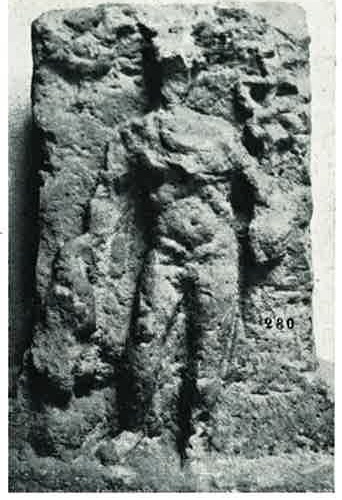
Weathered sandstone relief from Mithraeum I at Heddernheim, ancient Nida, showing a standing Mercury whose body is covered by a shoulder cape
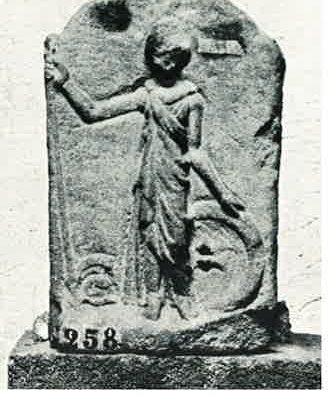
Sandstone relief from Mithraeum I at Heddernheim, ancient Nida, depicting a standing Minerva resting her left hand on a shield while holding a lance
Miscellaneous cult objects from Ober-Florstadt including pottery, lamps, legionary stamps, coins, animal bones, and a bone flute fragment
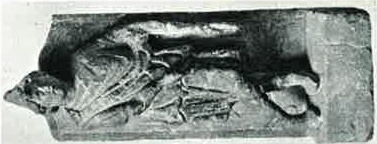
Limestone relief of the torchbearer Cautopates standing cross-legged in Oriental dress.
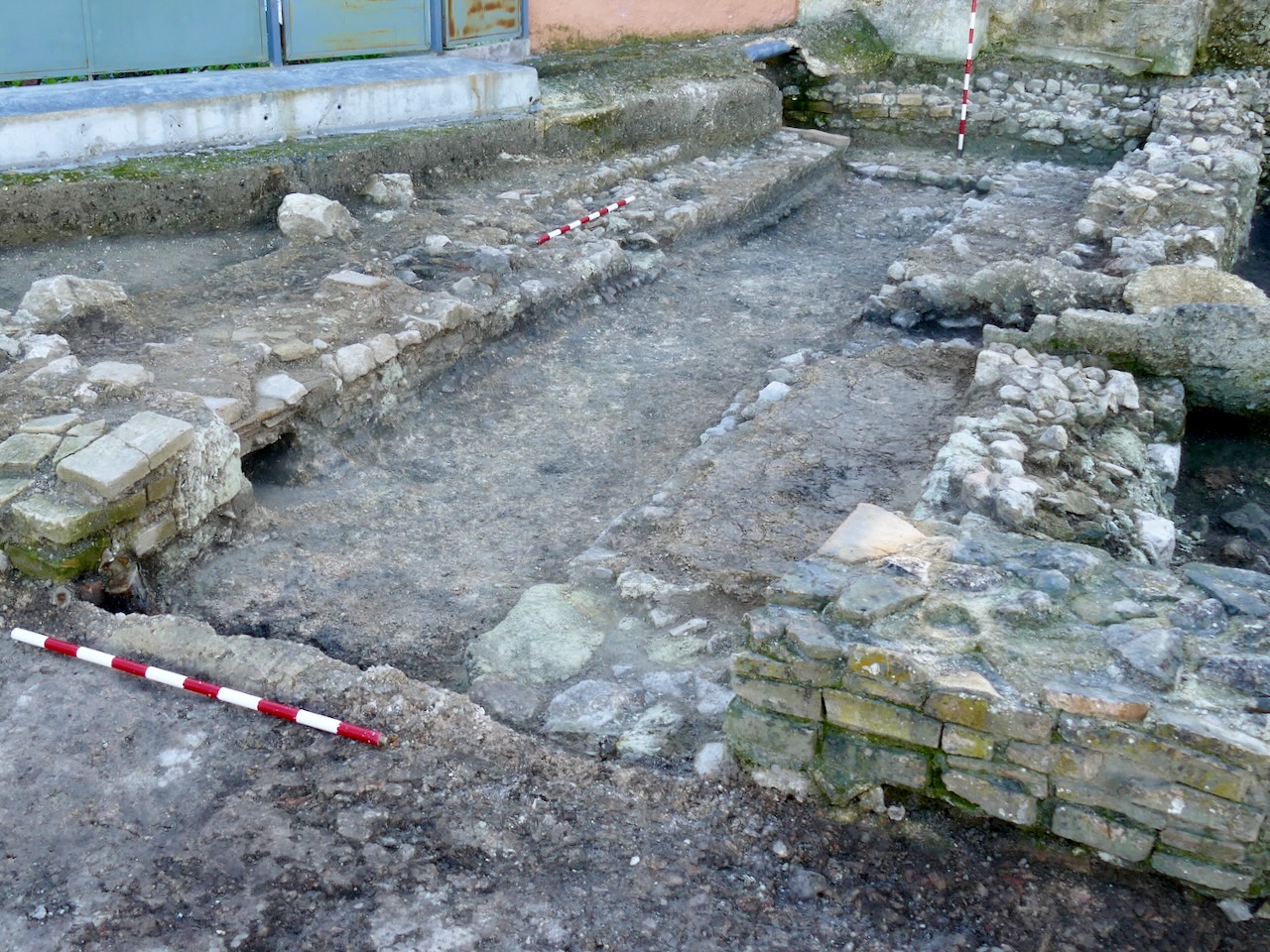
The Mithraeum of Cabra is located in the Villa del Mitra, which owes its name to the discovery in 1951 of a Mithras tauroctonus in the remains of the Roman villa.
Commagenean sanctuary preserving relief fragments of Mithras greeting royal figures at the hierothesion of Mithridates Kallinikos.
Two marble heads from Ostia, including a youthful figure wearing a Phrygian cap and another identified as Mithras-Helios.
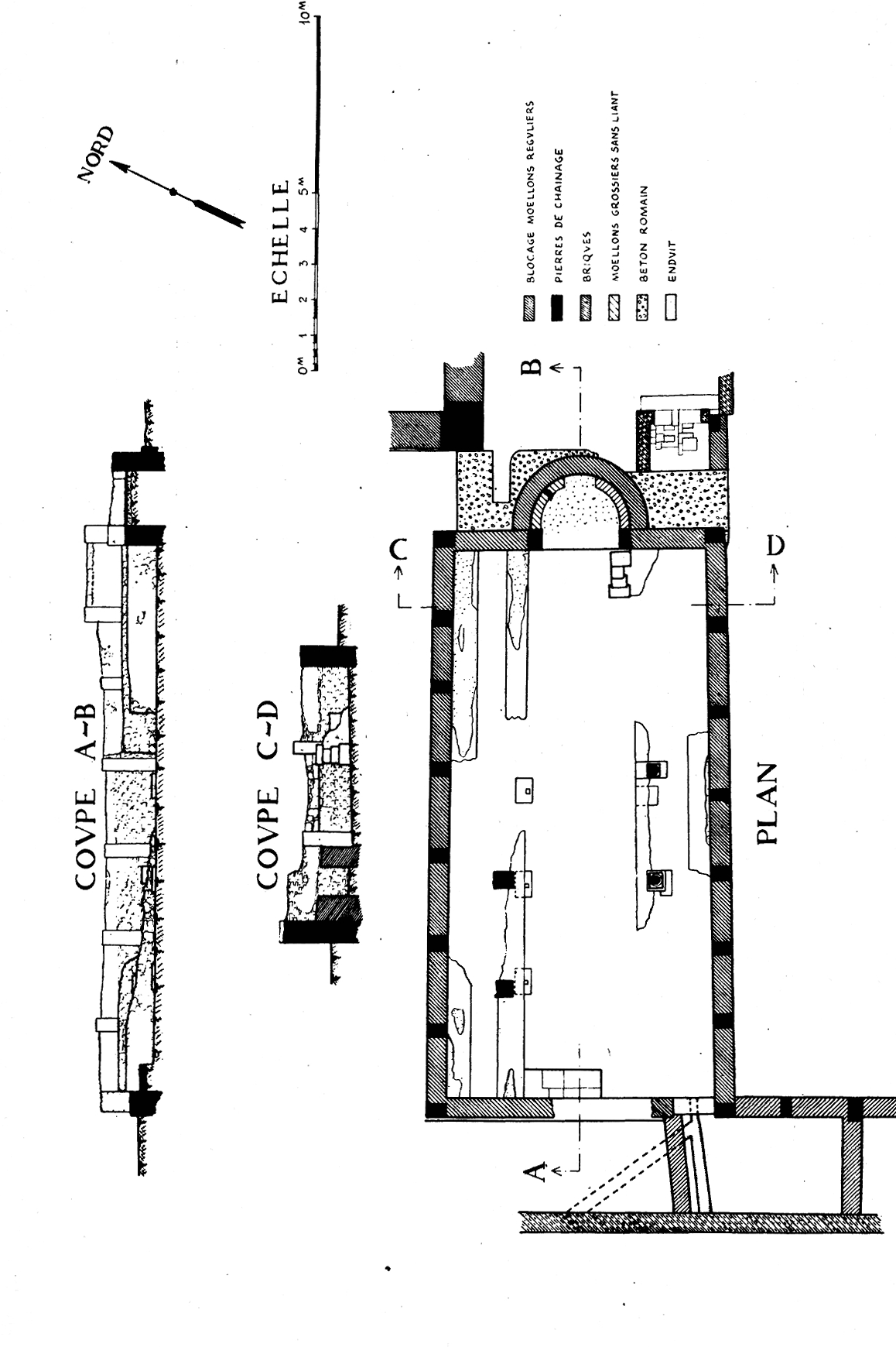
The Mithraeum of Tazoult / Lambèse is one of the best preserved Mithras’s temples in Africa.
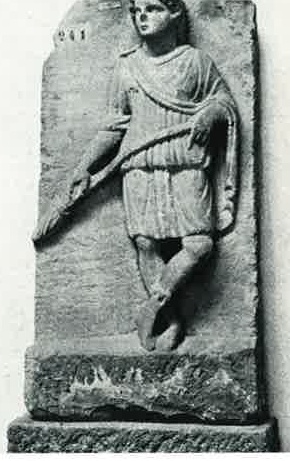
Relief in red sandstone originally standing on a base in Mithraeum I at Heddernheim, ancient Nida, featuring the bull-slaying scene.

Ancient region of the Crimean Peninsula associated with the Greek colonies and Roman presence in Taurica.
