Your search ines siemers klenner gave 191 results.
Margaux Bekas, commissaire de l’exposition ’Le mystère Mitrha. Plongée au cœur d’un culte romain’, présente dans cette vidéo les origines du dieu Mithra.
Dion Chrysostom, c. 100 A.D., a philosophical writer under the emperors Nerva and Trajan, composed a series of discourses or essays (λόγοι) on various subjects, in one of which he reports concerning the doctrines and practices of the magi.
Marble slab with inscription by Velox for the salvation of the chief of the iron mines of Noricum.
Jean-Christophe Piot a participé à la réalisation de l'exposition 'Le mystère Mithra' en réalisant des pastilles sonores sur certaines œuvres de l'exposition.
Further other small finds were made such as bones of animals, tusks of boars, pieces of marble, among which one with the outlines of a fish, bronze objects such as e.
On the first layer of the left wall there are three lines in the section above door b' on both sides of which are two series of respectively three and two other lines.
White marble statuette (H. 0.48 Br. 0.37), found "non loin de Ciuta, petit bourg de l'Armagnac, bati sur les ruines d'Eauze" in 1736.
"Vauthier a recolte en outre un buste en marbre blanc, tres fin, de Venus, semble-t-il, une tete de divinite casquee, probablement Minerve, et plusieurs menus debris de petites tetes feminines tres mutiIees.

Kerivel explore voie mystique des Alévis que, selon lui, trouve son origine dans la très ancienne religiosité des peuples iraniens et sur les structures et les rituels du culte de Mithra.
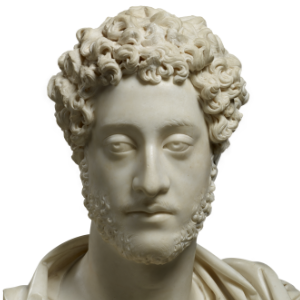

Centurio frumentarius probably from Tarraco, who served in the Legio VII Gemina located in Emerita Agusta.

Centurion who dedicated the first known Latin inscription to the invincible Mithras.

Slave who, for the salvation of his master, built a spelaeum in Aquileia, complete with its furnishings.

Pater Patrum of Ostia, he officiated at the Mitreo Aldobrandini where he is mentioned in a couple of inscriptions.

Optio who erected several altars to Mithras in the Mithraeum of Sárkeszi.

Garlic merchant, probably from Lusitania, who dedicated an altar to Cautes in Tarraconensis.


He commissioned the main cult relief found in the Mithraeum of Circo Massimo.
