Your selection in monuments gave 19 results.
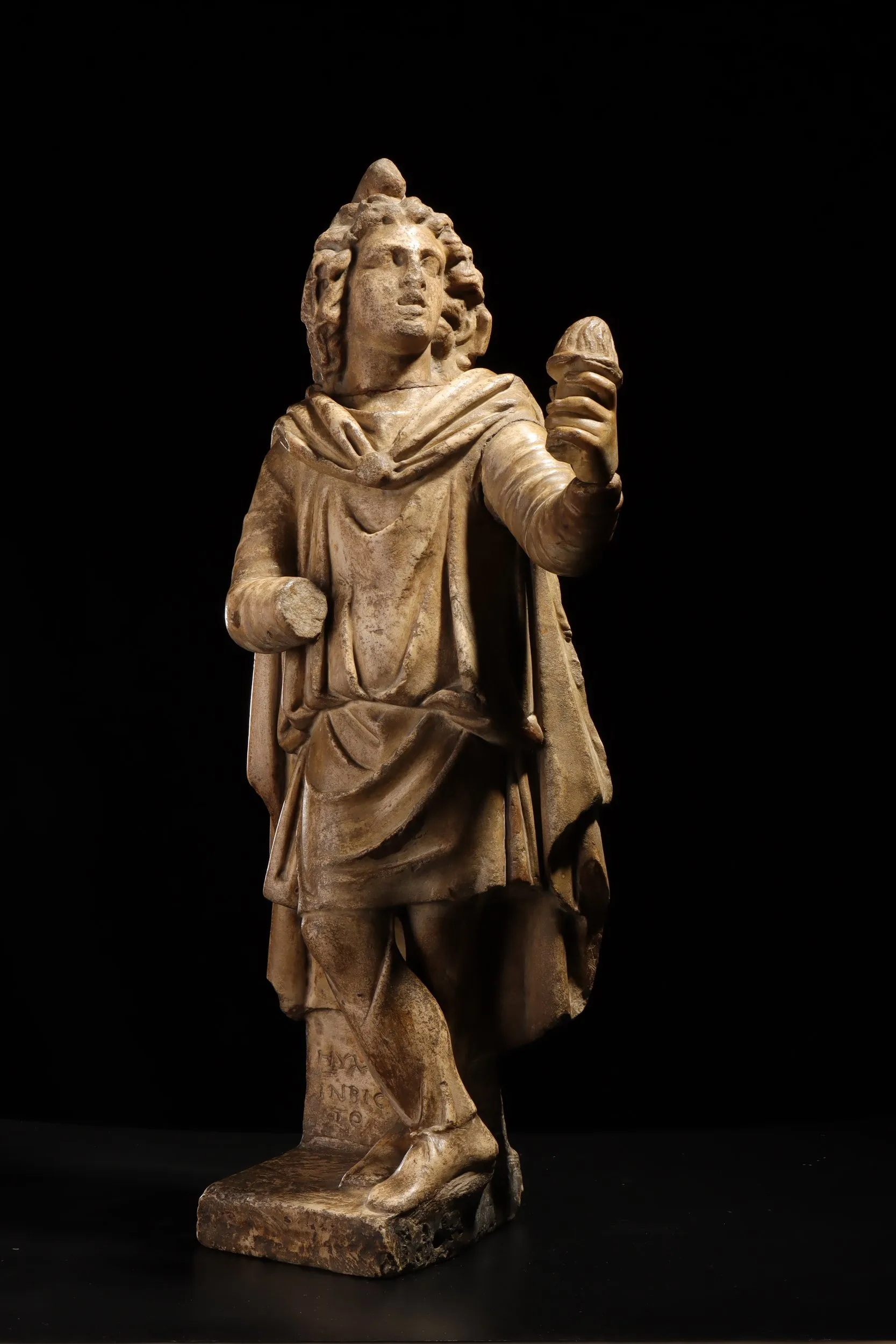
Marble statuette of the torchbearer Cautes bearing the votive inscription HYMNUS INBICTO, probably produced during the second or third century CE and preserved in an old European collection.
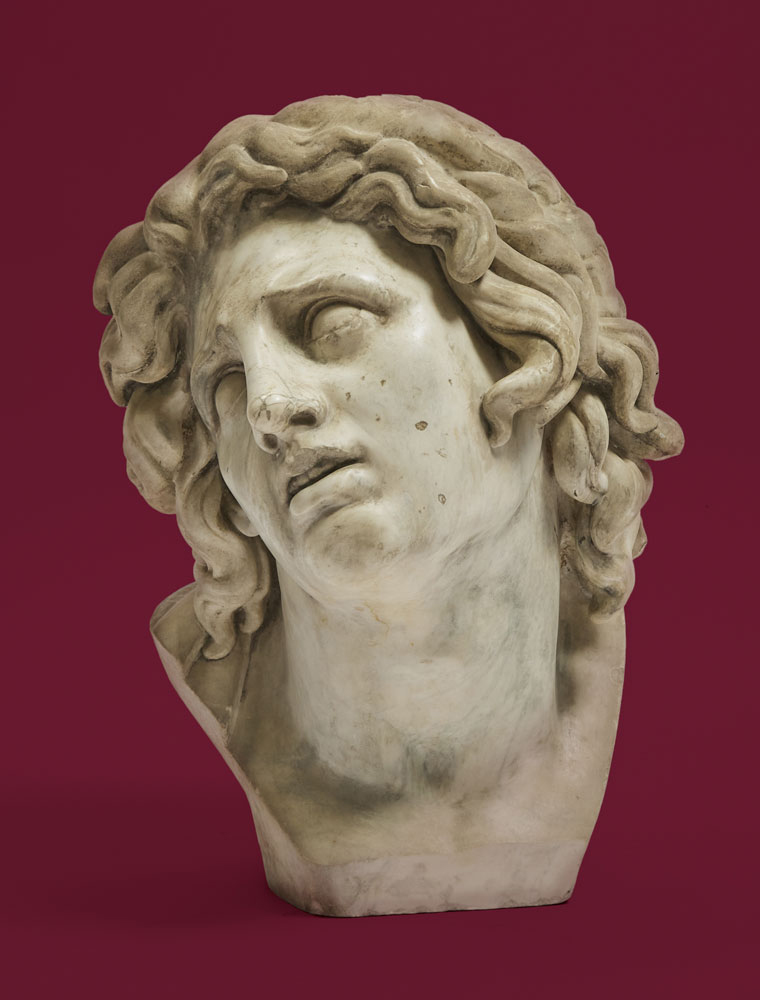
Head formerly associated with Mithraic material but interpreted by Margarete Bieber as a dying Giant.

A badly damaged tauroctony relief carved in peperino, fixed high into a wall of the old farm known as Le Capanacce on the Via Cassia near Vicus Matrini in Etruria, showing Mithras as a bullkiller in a vaulted cave with serpent, the head and left arm of the god lost…
A rectangular marble tauroctony relief found in Etruria, once in the Villa Martin at Settignano near Florence, showing Mithras slaying the bull with Cautes and Cautopates in Eastern attire cross-legged on either side and the busts of Sol and Luna in the upper corners;…
A white marble tauroctony statue fragment in the Palazzo Corsini in Florence, possibly from the Florentine area, heavily restored, with the upper body of Mithras and the bull's hind quarter with scorpion preserved but hind-legs lost and the god's head replaced by a petasus…
A white marble statue fragment from Rusellae in Etruria, now in the Museum of Grosseto, preserving the upper body of Mithras tauroctone with the head and neck of a different marble; both legs, the left arm and the right arm from the elbow are lost.
A small marble cippus found in an old wall near the church of San Niccolò in Arezzo (ancient Arretium), bearing a dedication by Myron, a slave, to the Invincible Holy and Safe god for the welfare of his master Prunicianus.
A white marble tauroctony relief found near a Roman villa on the northern slope of Mount Ciminus near Soriano nel Cimino in Etruria, showing Mithras slaying the bull with dog, serpent and scorpion, the bull's tail ending in three ears of grain, the god's resting leg abnormally small…
A brief dedicatory inscription carved in the lower corner of the tauroctony relief from near Vicus Matrini on the Via Cassia in Etruria, recording L. Avillius Rufinus as dedicant.
A marble tauroctony relief, broken in two pieces, found at Sutri in Etruria in 1896 and now in the Museo Nazionale delle Terme in Rome, with raven, dog, serpent and scorpion present, the upper part with the heads of Sol and Mithras broken off and Luna's bust alone preserved…
Second-century Mithraeum discovered in the lower storey of the Curia complex at Cosa.
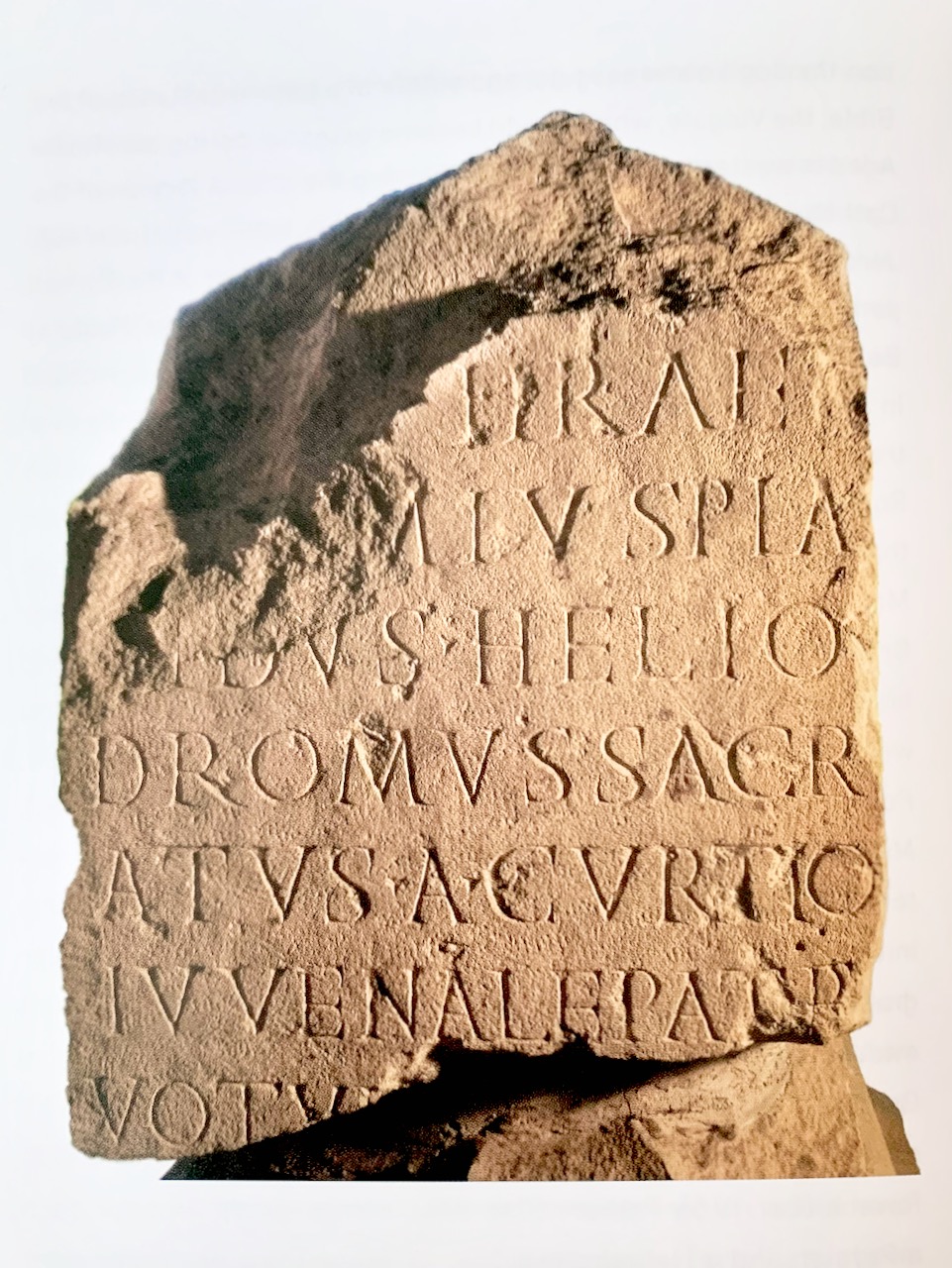
This inscription by a certain Memmius Placidus is the first ever found signed by a Heliodromus.

The sculpture of the birth of Mithras in Florence included the head of Oceanus.
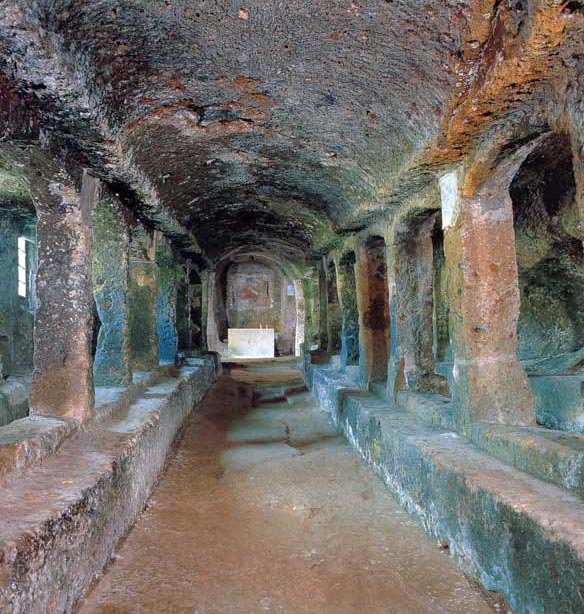
The Mithraeum of Sutri was built inside a rocky hill that also hosted the Roman theatre of the city.
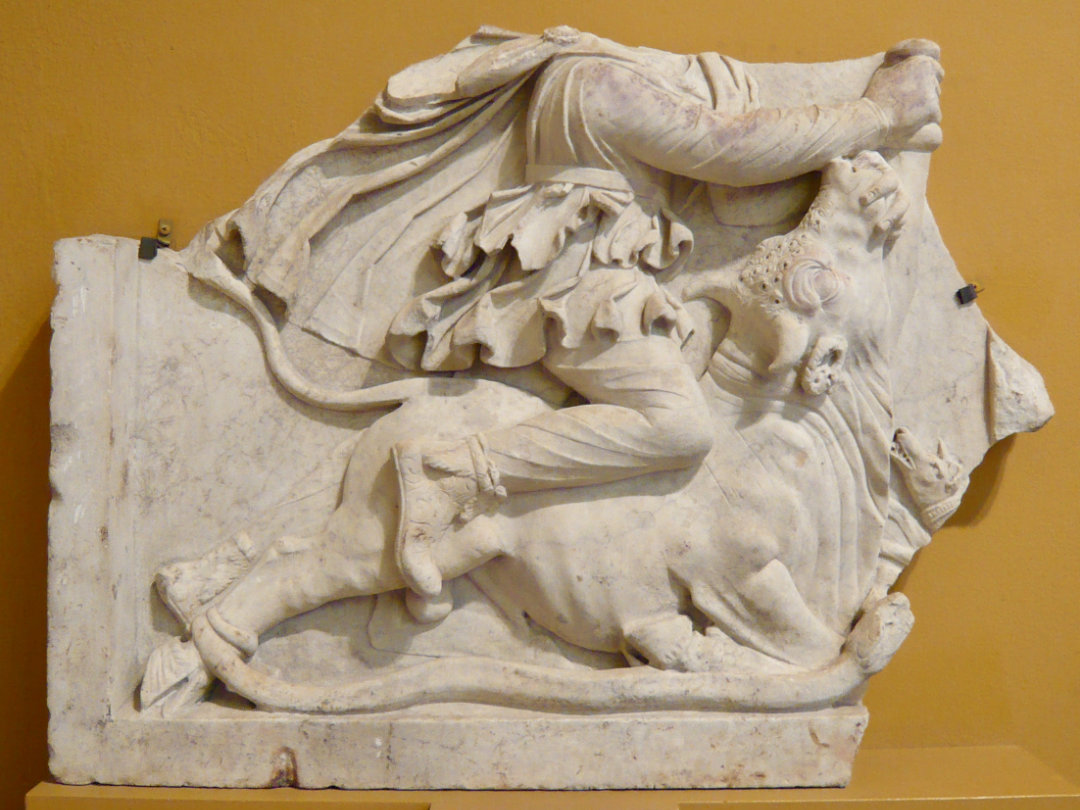
This fragmentary relief depicts Mithras killing the bull in the usual manner, remarkably dressed in oriental attire.

The Mithraeum of Visentium, near Capodimonte in Viterbo, was carved grotto-style into a tuff cliff overlooking the waters of Lake Bolsena, just a few dozen metres away.
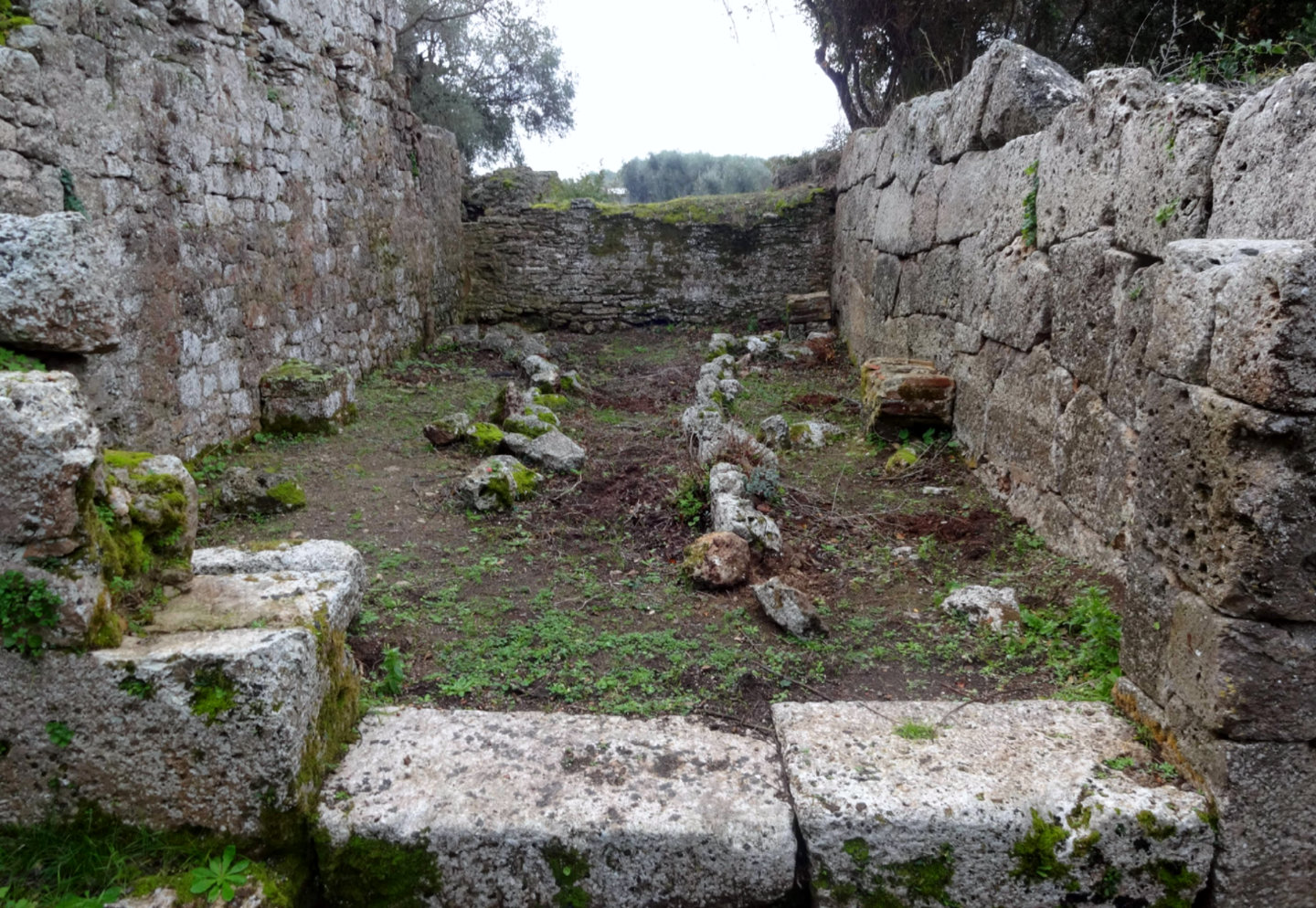
The Mithraeum was inserted into the basement of the basilica-theater by the 3rd century.
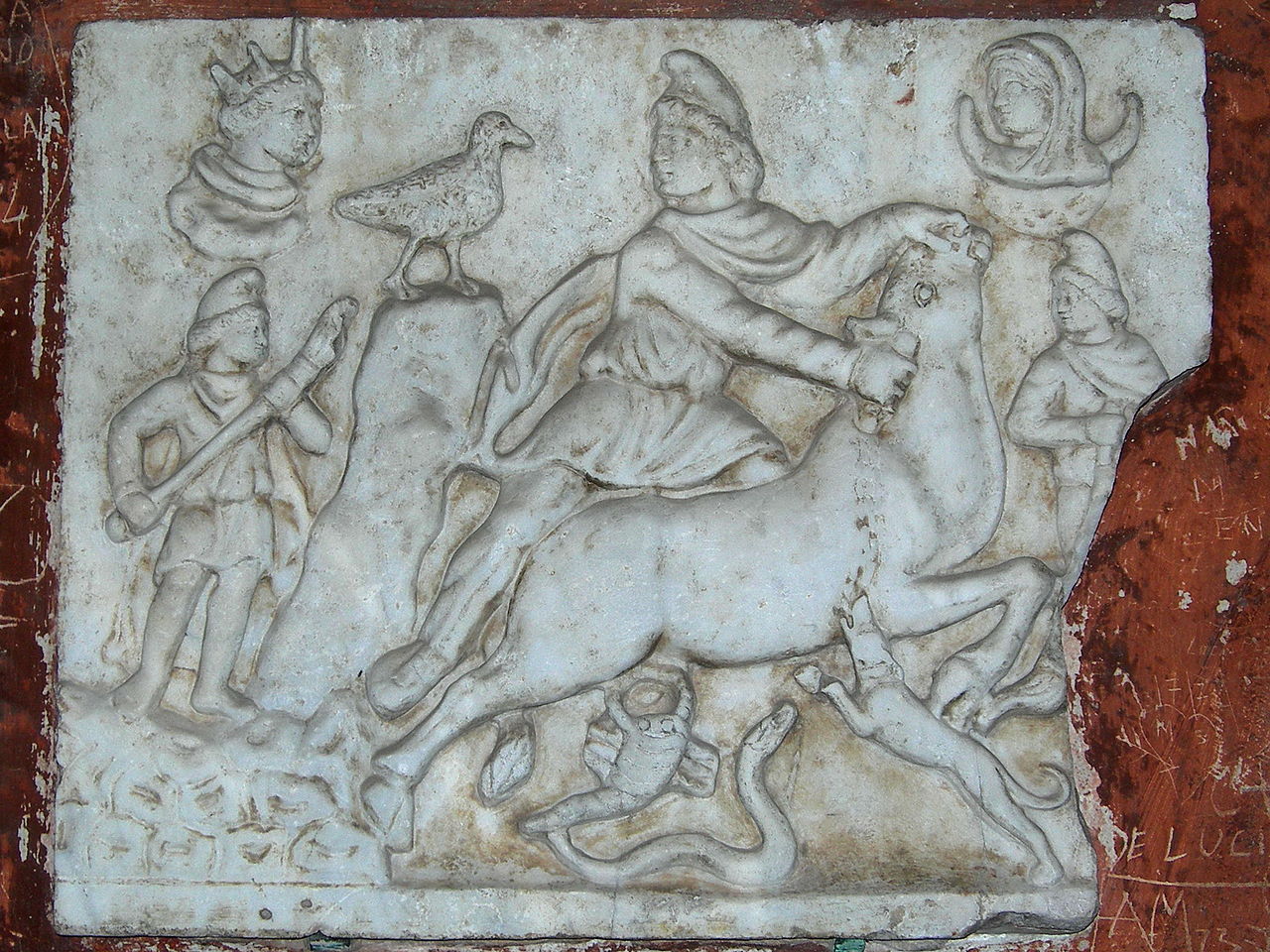
This white marble relief of Mithas killing the sacred bull was found embedded in the building of a noble family in Pisa.
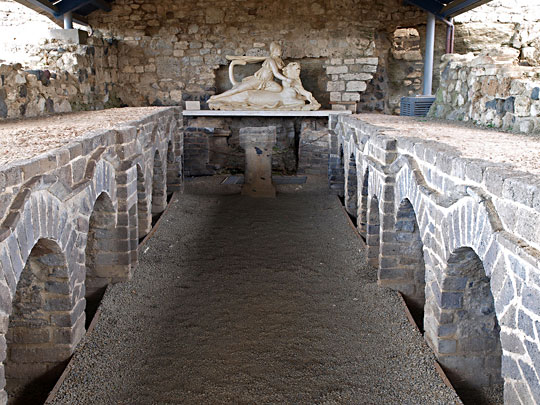
The Mithraeum of Vulci is remarkable because of his high benches and the arches below them.
