This site uses cookies to offer you a better browsing experience.
Find out more on how we use cookies in our privacy policy.

 
Support The New Mithraeum The New Mithraeum is an independent, non-profit project dedicated to Mithraic studies, ancient religions and classical culture. Developed and maintained independently since 2007, the site exists without advertising, paywalls or institutional funding. If you have found value in its articles, interviews, photographs or database, please consider supporting the project with a contribution. Every contribution helps keep The New Mithraeum open, free and alive. Thank you.
Support us →
Socius

Gabriel Simeoni

~There in fact the wise mares brought me~

gaby.simeoni
San Francisco, United States of America
December 2020
Sept 2026
NewTextus

From Mithraism to Freemasonry. A history of ideas

Twelve centuries separate the decline of Roman Mithraism from the dawn of Freemasonry. Twelve centuries during which the mysteries of Mithras have remained more secret than ever.
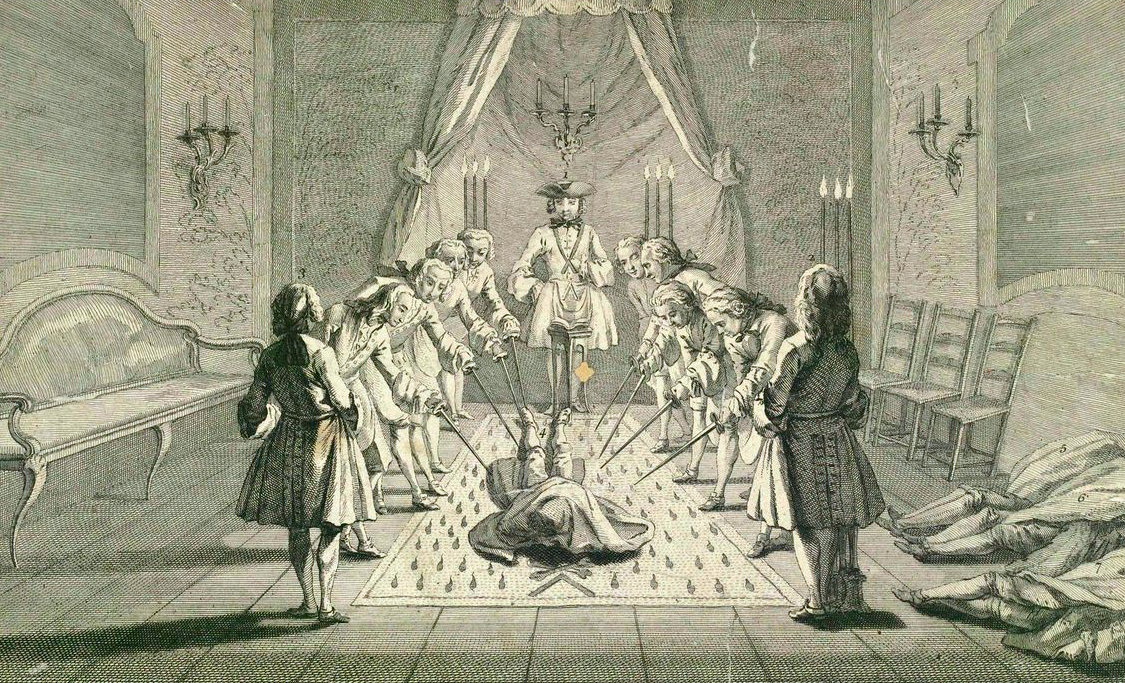
One hypothesis is that the mythology of the Roman secret society of Mithras was transformed into an esoteric society, still secret, using the Bible as a screen. Let's take an example: a secret password for today's Masonic lodges is 'Shiboleth'. Shiboleth' means 'ears of wheat', i.e. abundance. Is not the tail of the bull of Mithras an ear of wheat? There are probably dozens of passwords like that. So Hebrew became a secret language for the followers of Mithras, who continued the cult after the fall of Rome, in sanctuaries located near springs or spas, at the same time as the cult of Hercules. Many of these places can be found in France, dating from the 7th to the 10th century. Crypts dating from the 8th and 9th centuries can also be found under Romanesque churches (the church at 'Saint Savin sur Gartempe' has a crypt dating from 800 AD, and a church built above it in 1030 AD). This crypt has a clear mithraeum shape. The modern Masonic rites were probably written in the 15th or 16th century in certain monks' chapters in France or Germany. This would explain why in the 17th century 'pro-Masonic' lodges sprang up in several different parts of Europe: Germany, Ireland, Scotland etc.... the French lodges or guilds were destroyed by Louis XV.
It makes perfect sense. My hesitation would lie in the time gap that separates Mithraism and Freemasonry. I admit that certain knowledge has been passed down through the centuries in oral form from all sorts of mystical traditions that spread from the Middle Ages to modern times, including the Cathars, the Bogomiles, even the Knights Templar if you like, but I think there is a missing piece and that is perhaps the greatest Mithraic scholar of all time, Monsieur Franz Cumont. Even if he wasn't a Freemason, he was a pretty good friend of some notorious ones at the time he was rediscovering the Mysteries. Among them was Eugène Goblet d'Alviella, Grand Maître du Grand Orient de Belgique from 1884 to 1886 and Souverain Grand Commandeur du Suprême Conseil in 1900.
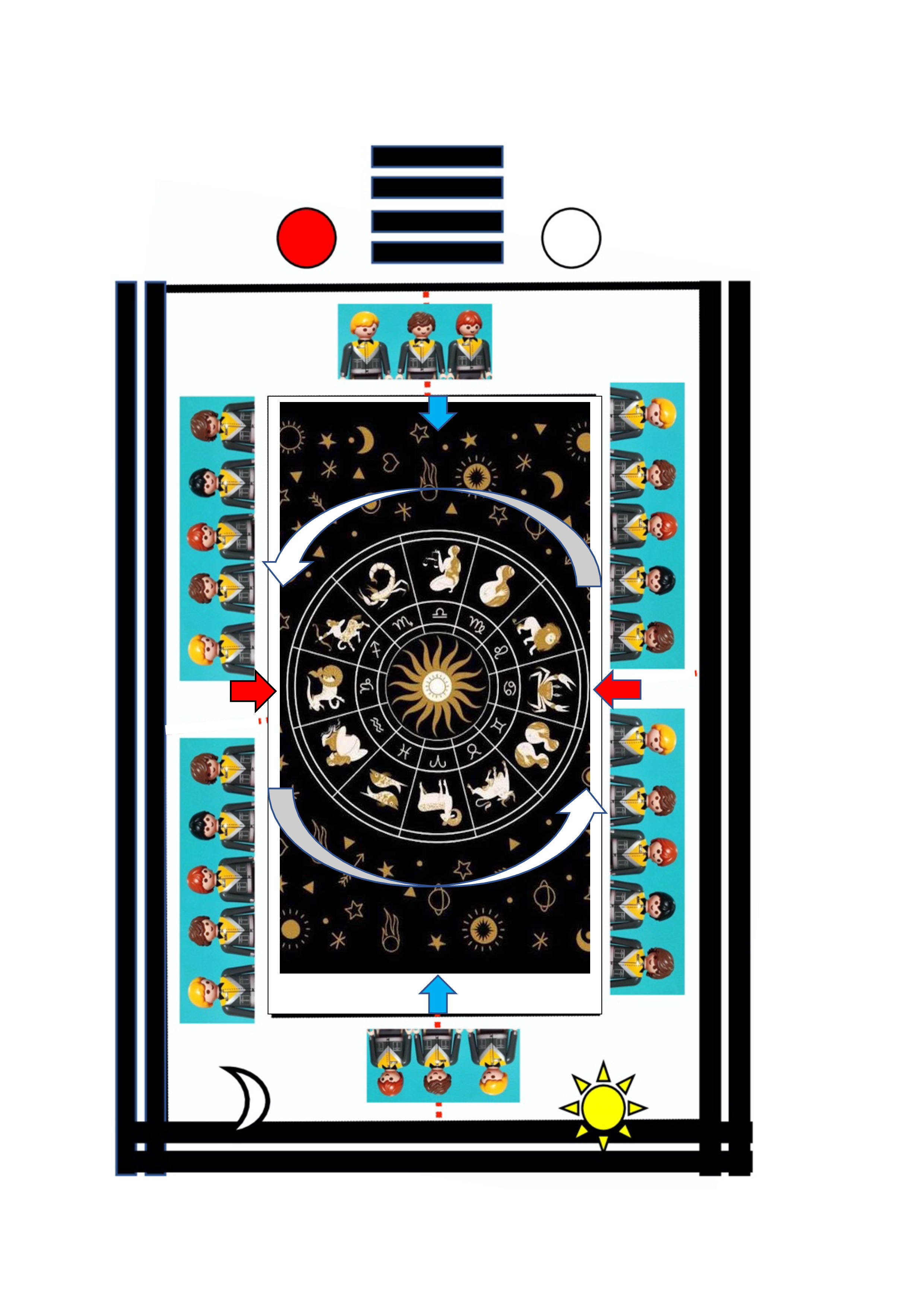
The modern Masonic lodge is organised around the starry vault, but the officers are still arranged in a very similar way to the Mithraeum, respecting the two solstices and the two equinoxes. The Venerable Master in the East is at the spring equinox, the first sign of the ancient Zodiac, and the seat of Mithras, from where he intervenes in the journey of souls.The modern Masonic lodge is organised around the starry vault, but the officers are still arranged i…
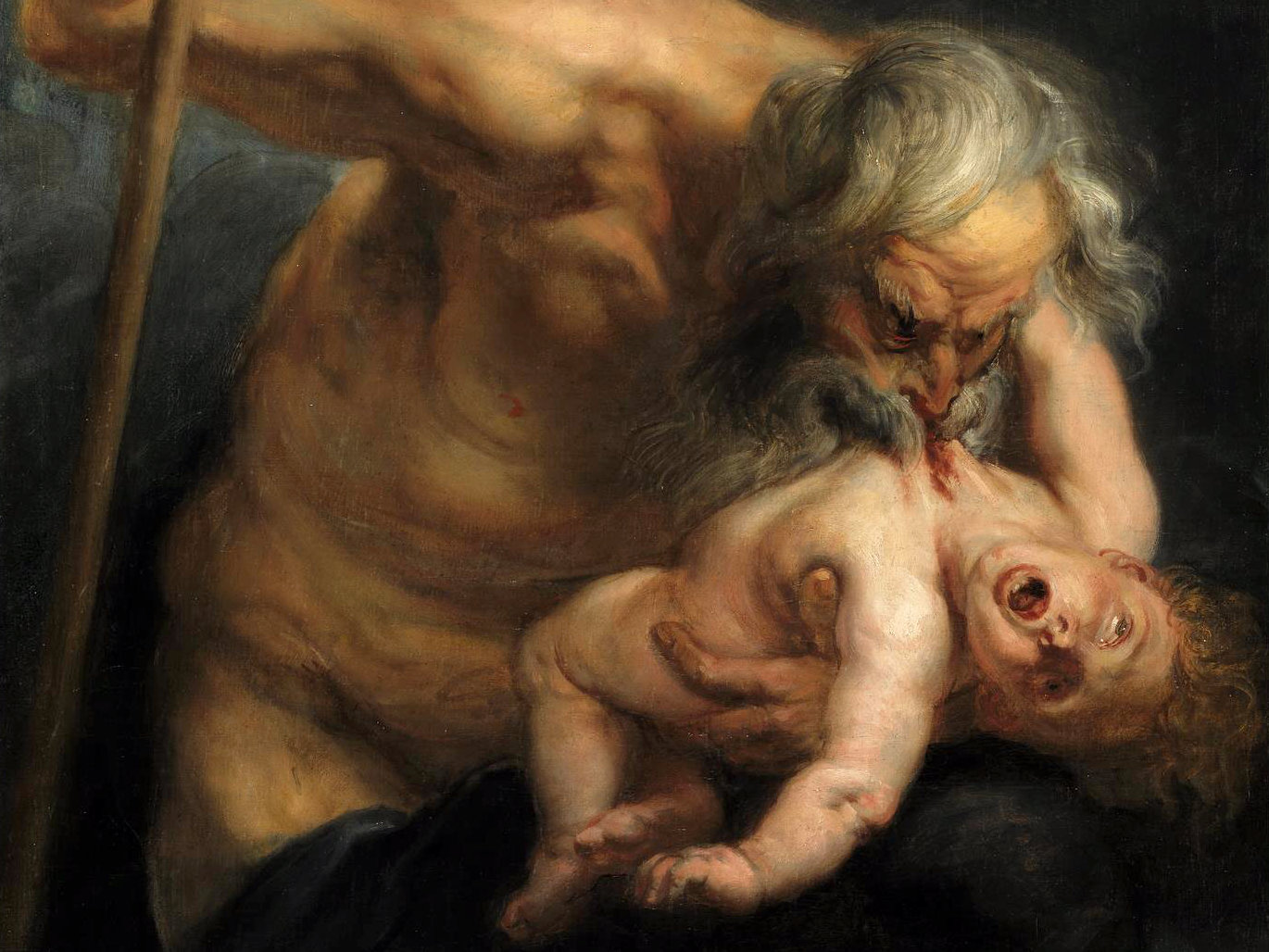
this capital from the cloister of the abbey of Monreal in sicily dates from the 12th century and is very disturbing. It’s exactly Mithras (upside down). This means that, contrary to the idea we have of the past, the cult of Mithras was known and understood in the 12th century. Probably less violently than we do today. All this had to be known and respected.
See all 19 comments
avatar
Jul 2026
Cohors

Nabarzes

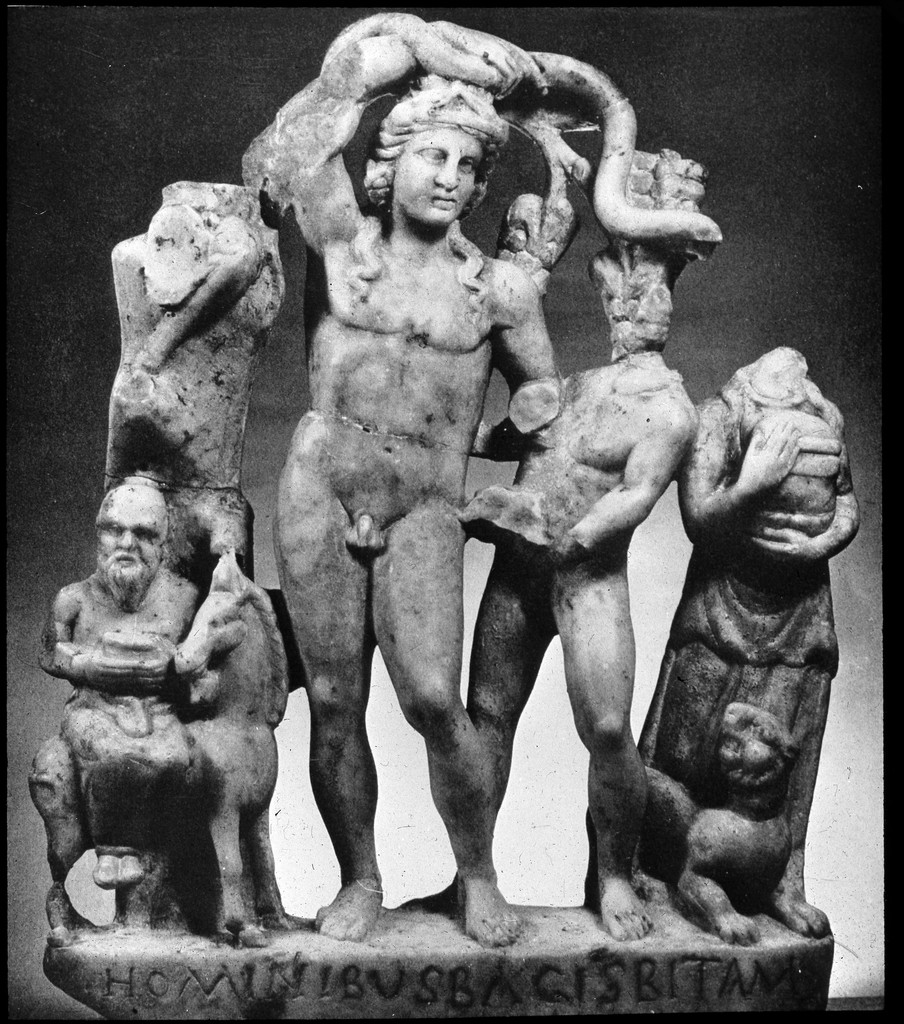
Hominibus bagis bitam.
avatar
Jun 2026
New

~ Has joined ostia.192 ~

Jun 2026
Cohors

Ostia 192 A.D.

A historical role-playing game inspired by the archaeology of Roman Mithraism. Applications are now open and places are limited. The next campaign begins on 24 June.
avatar
Aug 2025
NewTextus

The Father of Mithras

It is well known that Mithras was born from a rock. However, less has been written about the father of the solar god, and especially about how he conceived him.
Ryan McGill
Very awesomely informative. Thank you.
avatar
Jul 2024
NewComentum

Same here!
avatar
Jul 2024
NewComentum

A beautiful piece of art, which indeed seems to be quite inspired by the mithraic Aion. Thank you for sharing this
avatar
Dec 2023
NewComentum

By the way, there is this video by Nicolas Amoroso that tells a lot about mithraic images in the medieval times: Des images mithriaques à l’époque médiévale ?
avatar
Dec 2023
NewComentum

Welcome my friend! Glad to see you.
avatar
Dec 2023
NewComentum

Papa, the Pope in Latin, would be short for Pater Patrum 🤔. It’s a clever statement, if it weren’t for the fact that the term was used to refer to bishops in general long before Pope Siricius. It would come from the Greek πάππας, which also means father, as in the Spanish papa or papá...
 
On Post #87
avatar
Dec 2023
NewComentum

I knew this amazing capital in Monreale. In Sicily, isn’t it? It’s quite remarkable, even if Mithras has lost his usual Phrygian cap for a turban, which makes sense if we consider that the eastern stereotype changes over time and a turban would be a better way to represent him in the 12th century. We could theorise that the oriental nature of the god was better known than most scholars now assume, at least to the stonemasons who worked on the building of Monreale Cathedral. There is a lot to say about this. Thanks for sharing.
avatar
Oct 2023
Socius
~There in fact the wise mares brought me~
There in fact the wise mares brought me
Oct 2023
NewComentum

It makes perfect sense. My hesitation would lie in the time gap that separates Mithraism and Freemasonry. I admit that certain knowledge has been passed down through the centuries in oral form from all sorts of mystical traditions that spread from the Middle Ages to modern times, including the Cathars, the Bogomiles, even the Knights Templar if you like, but I think there is a missing piece and that is perhaps the greatest Mithraic scholar of all time, Monsieur Franz Cumont. Even if he wasn't a Freemason, he was a pretty good friend of some notorious ones at the time he was rediscovering the Mysteries. Among them was Eugène Goblet d'Alviella, Grand Maître du Grand Orient de Belgique from 1884 to 1886 and Souverain Grand Commandeur du Suprême Conseil in 1900.
avatar
Oct 2023
NewComentum

Salve Dominique and thank you for all the additional parallels you mentioned. Since I wrote this little article, I have indeed found new examples here and there. Quite a fascinating subject, isn't it? I hadn't heard much about the links between Mithraism and Monachism, though. I have read about survivals of Mithraism in the Middle Ages. Certainly Richard Veymiers has written about it. I think there is even a filmed conference on the web where he explores the subject in depth, but I would love to know more about Monachism and Mithraism if you have more of it.
avatar
May 2023
NewTextus

The Corax grade: ritual, symbolism and initiation

Passages from M. J. Vermaseren (1963) and D. Jason Cooper (1996) exploring the symbolism, ritual functions and initiatory significance of the Corax grade in the Mithraic mysteries.
avatar
Dec 2022
NewComentum

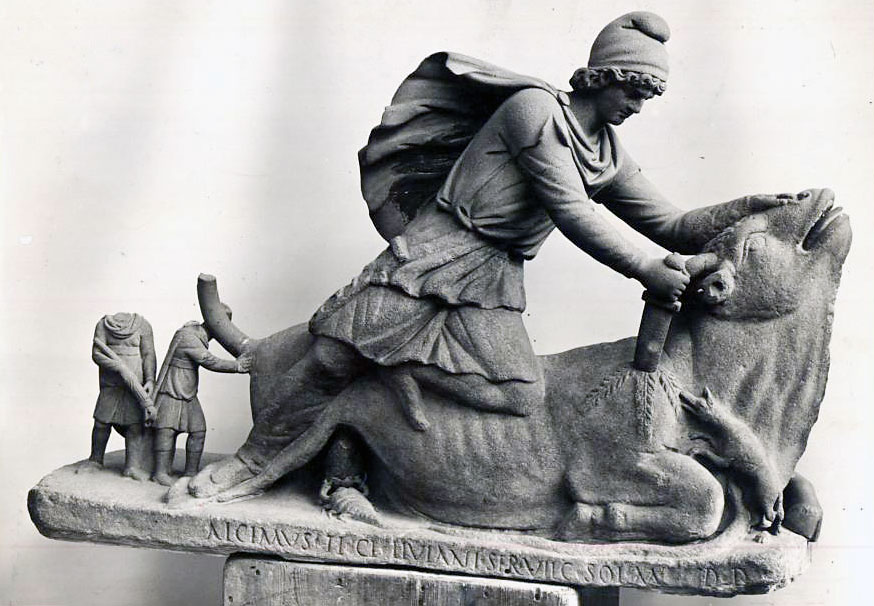
Remarkable monument not only because it is the first sculpted representation of the entire Mithraic tauroctony, but also because of the arrangement of certain figures, such as Cautes and Cautopates, who, even without their heads, seem to hesitate about what they are supposed to do.
avatar
Aug 2021
NewComentum

Un saludo fraternal a ti, Ricardo.
avatar
Aug 2021
NewComentum

Gracias por compartir tu artículo, Roberto. Es difícil determinar en qué momento la masonería especulativa incluyó tantos aspectos de los misterios de Mitra, si fue desde el origen a través —como mencionas en tu escrito— de otras corrientes medievales que conservaron un saber más antiguo o durante su evolución en siglos posteriores, pero lo cierto es que cuesta creer que tantos paralelismos se deban al azar.
avatar
Aug 2021
NewComentum

Pattie, you and I need to talk about those bits one of these days. I'd be glad to know more about them.
avatar
Aug 2021
NewComentum

Gracias a ti, Alex. Me alegra que te resulte interesante.
avatar
 
Back to Top