The Mithraic evidence documented in Bithynia et Pontus reflects the strategic and commercial importance of the region within the eastern Roman empire. Ports, urban centres and communication routes contributed to the circulation of Mithraic cults between Anatolia and the Black Sea world.
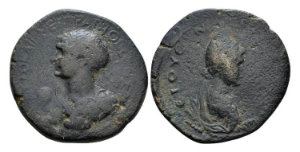

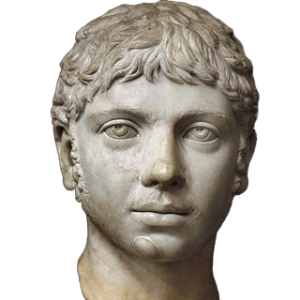
People attested in Bithynia et Pontus


Places in Bithynia et Pontus
Herclea
Heraclea Pontica e̝ˈraklia pontiˈke̝], known in Byzantine and later times as Pontoheraclea, was an ancient city on the coast of Bithynia in Asia Minor, at the mouth of the river Lycus.
Trapezus
Trabzon is a historic city on the Black Sea coast of northeastern Turkey, founded in 756 BC as Trapezous by Greek colonists from Miletus. It passed from Achaemenid control to the Kingdom of Pontus, then became part of the Roman and Byzantine empires.
Inscriptions from Bithynia et Pontus
Inscription of Iulius Pyrrus
Διὶ Ἡλίῳ Μίθρᾳ Σέραπι Ἰούλιος Πύρρος εὐξάμενος ἀν[έθηκεν].
To Zeus Helios Mithras Serapis, Ioulios Pyrros made a vow of consecration.
