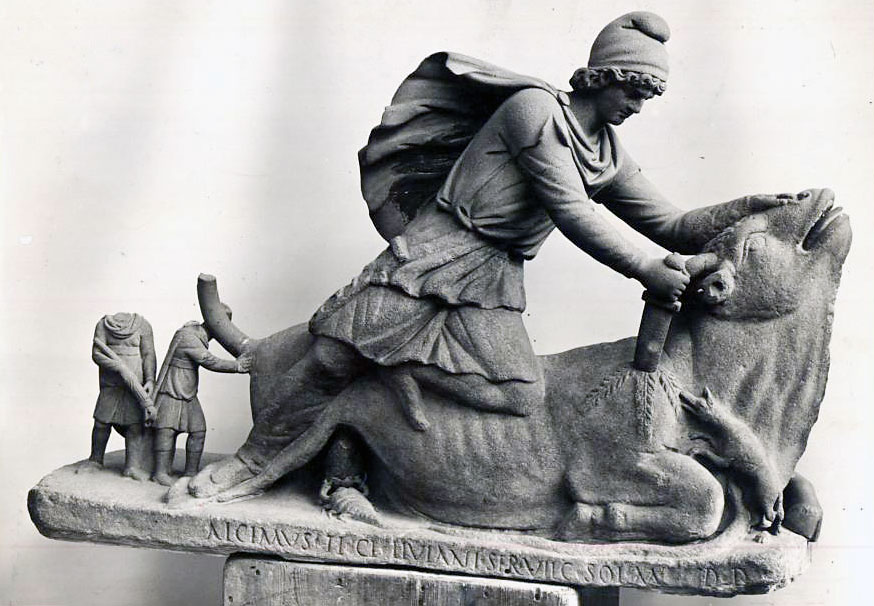
Your selection in monuments gave 177 results.
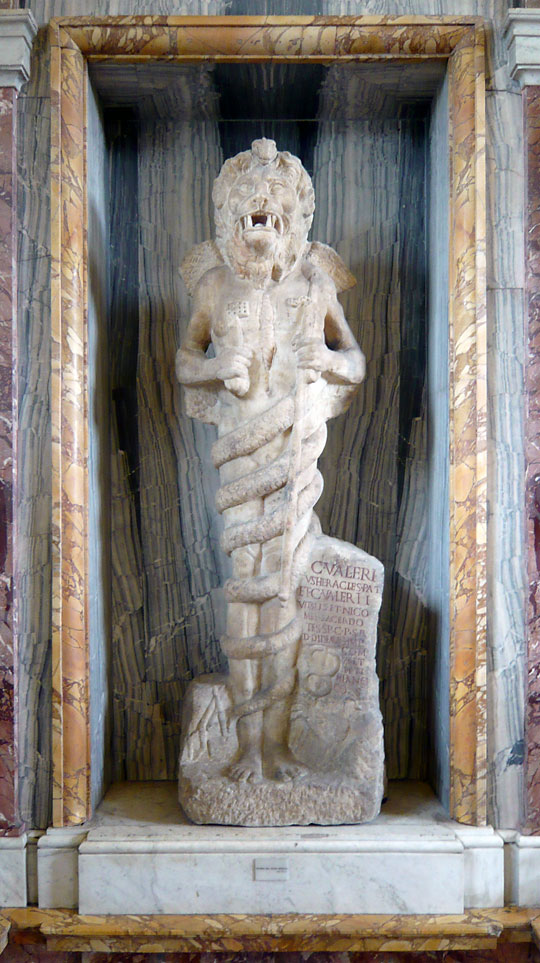
Marble leontocephalic Aion/Arimanus from the now-lost Fagan Mithraeum at Ostia, dedicated in AD 190 by three members of the local Mithraic priesthood.
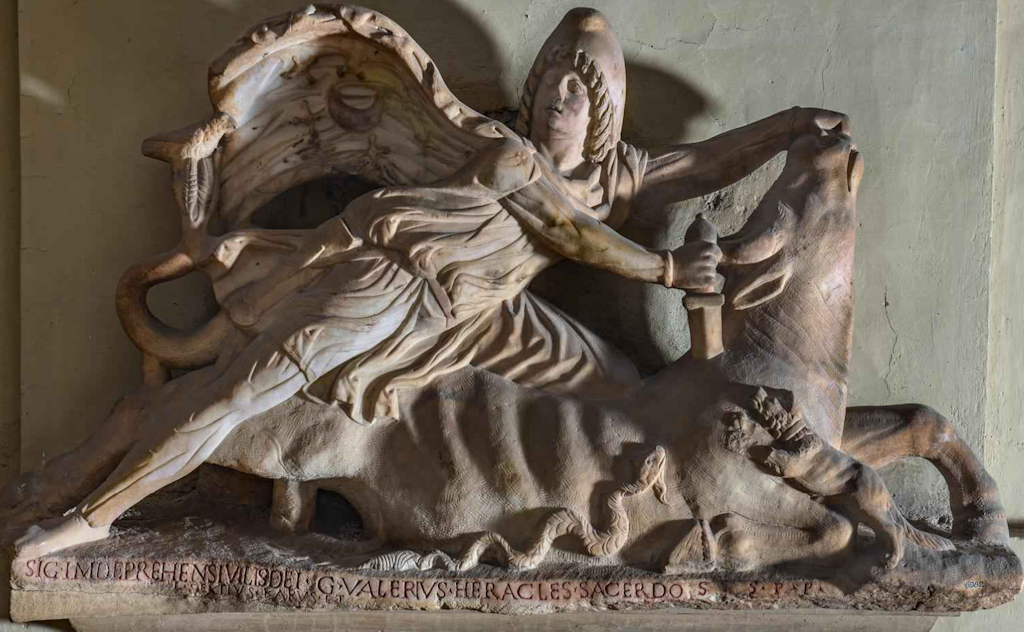
This sculpture of Mithras killing the bull was dedicated to the “incomprehensible god” by a certain priest called Gaius Valerius Heracles.

Marble cap mentioned by Visconti, subsequently identified as certainly belonging to the finds of the Mitreo degli Animali rather than the Mitreo del Palazzo Imperiale, Ostia.
Marble head of Helios-Mithras with curly hair and seven holes for fastening rays, from the Mitreo degli Animali at Ostia, Lateran Museum.

Marble torso found at Ostia in 1912 between the Decumanus and the Via dei Molini, dedicated to Mithras by a certain Atilius Glyco.
.jpg)
The statue of Arimanius/Ahriman was found in 1874 under the city wall of York during the construction of the railway station.
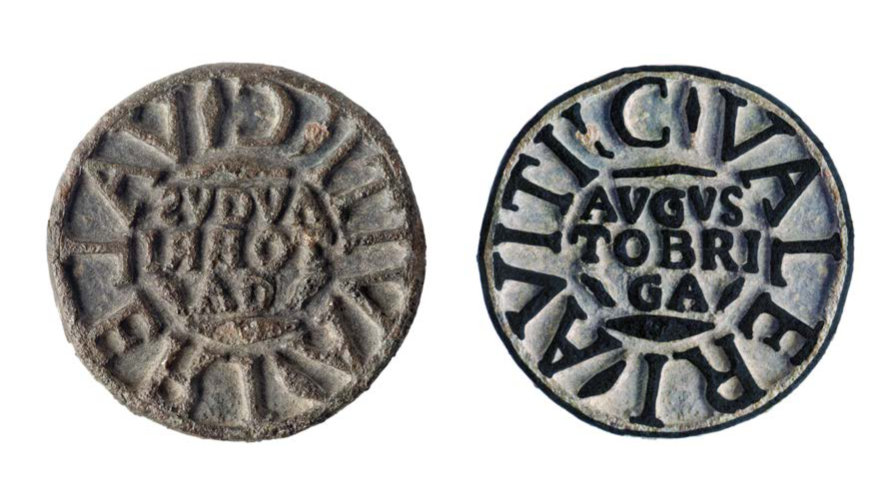
Bronze personal seal of a duovir of Tarraco and owner of the villa of Els Munts.
Bronze statuette bearing a Mithraic inscription, subsequently demonstrated by Anna Sadurska to be a modern forgery.
Small bronze statuette in Oriental dress from the Walters Art Gallery, Baltimore, depicting a figure no longer considered a Mithraic object.
Small bronze torchbearer statuette in Oriental dress from the Cabinet des Médailles, with restored feet and a missing torch-bearing arm.

Bronze torchbearer statuette in a short tunic from the Cabinet des Médailles, holding an upraised torch.

Pair of bronze torchbearer statuettes in Oriental dress from the Cabinet des Médailles, originally belonging to the same sculptural group.
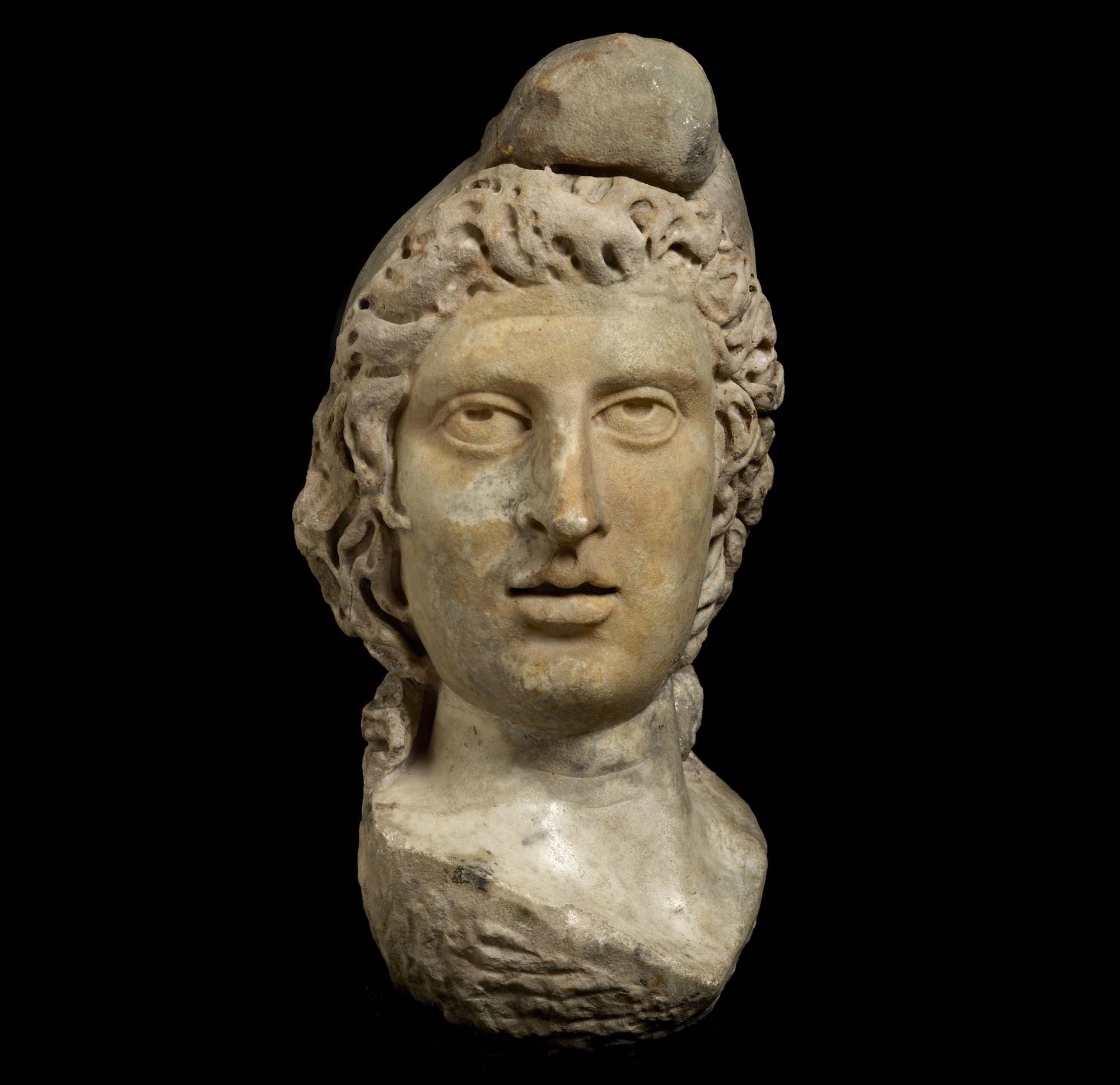
The Mithras's head of Walbrook probable belonged to a life-size scene of the god scarifying the bull.
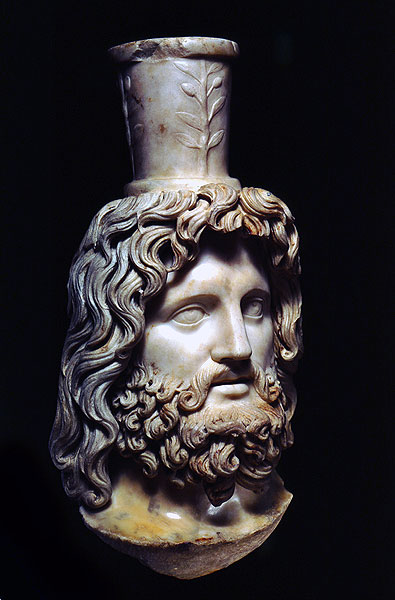
The head of Serapis found at Walbrook, London, is decorated with stylised olive branches.
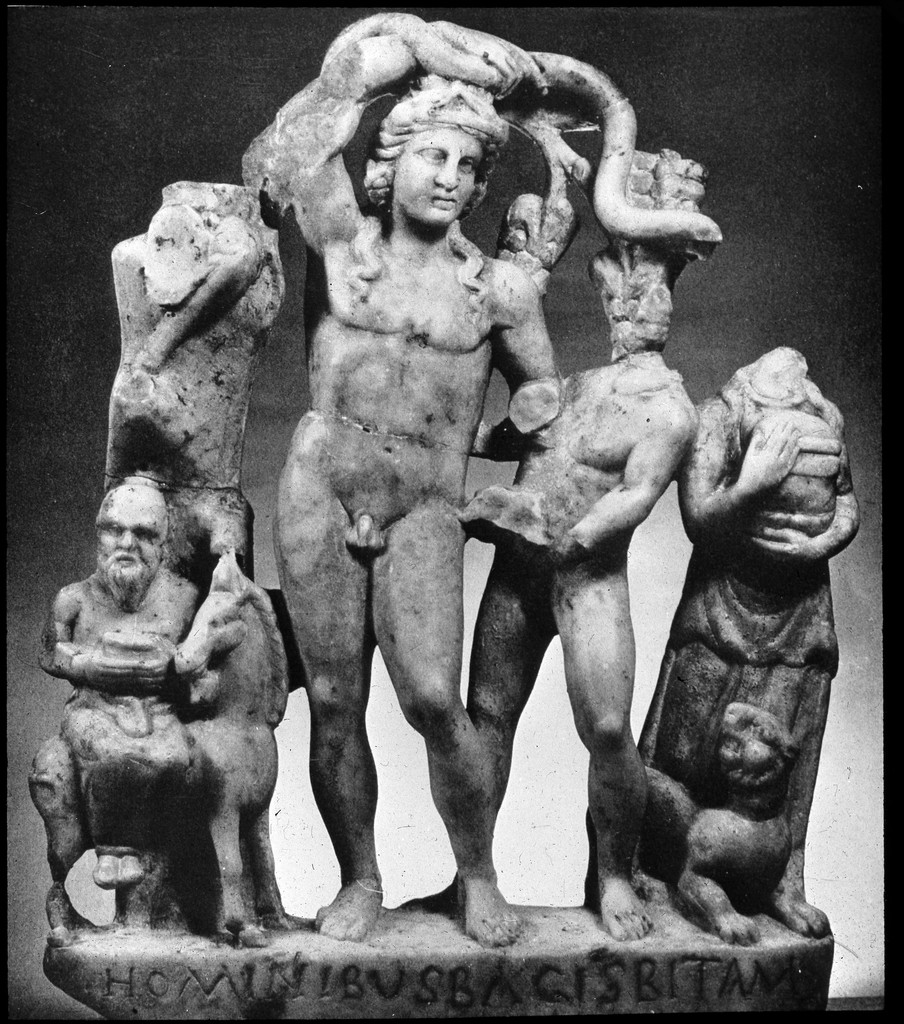
Marble group of Dionysus accompanied by a Silenus on a donkey, a satyr and a menead.
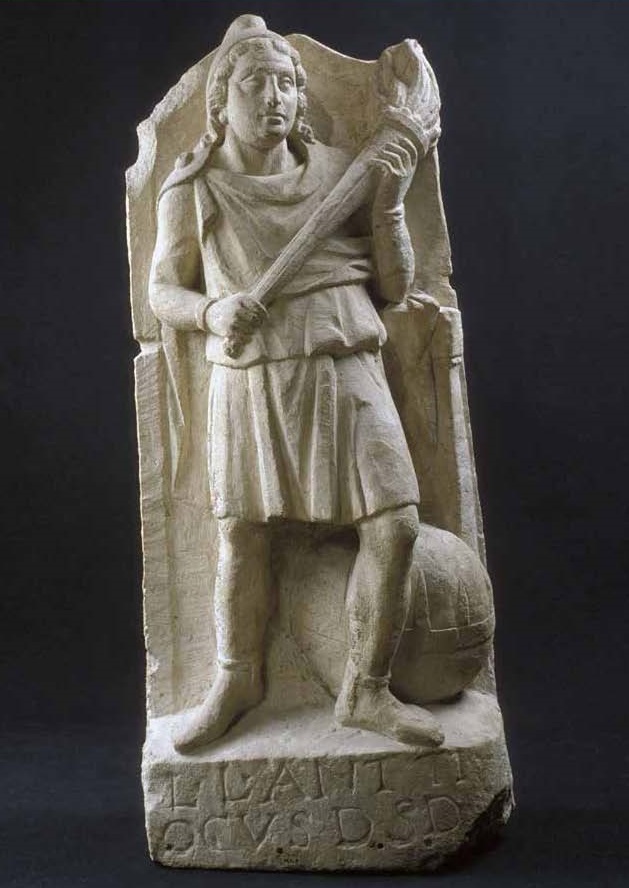
This monument representing Cautes with uncrossed legs was consecrated by a certain Anttiocus.
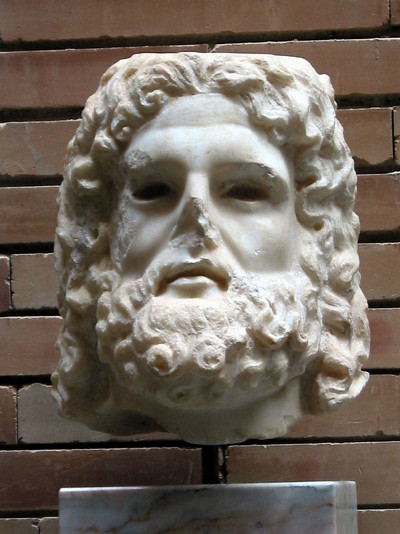
This head of Serapis from Cerro de San Albín may be unrelated to Mithras worship.
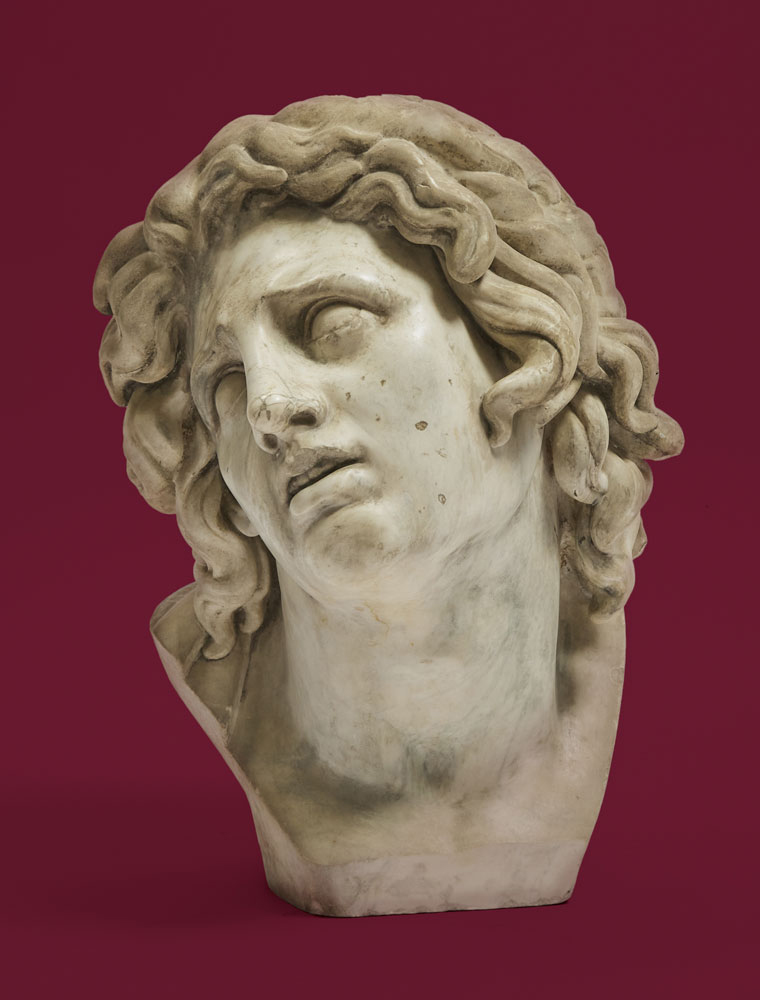
Head formerly associated with Mithraic material but interpreted by Margarete Bieber as a dying Giant.

Roman Mithraic relief illustrated in figure 171 of Vermaseren’s catalogue.