Your selection gave 76 results.

Madauros was a Roman-Berber city in Numidia, in present-day Algeria, renowned in antiquity as an important intellectual and educational centre of Roman North Africa.
The Roman settlement overlooked a passage between the Hodna and the Sahara via the Aïn Rich plain and the valley of the Oued Chaïr, between the Ouled-Naïl and Zab mountains.
Diana Veteranorum, today a village called Ain Zana, was an ancient Roman-Berber city in Algeria.
Cirta, also known by various other names in antiquity, was the ancient Berber and Roman settlement which later became Constantina, Algeria.
Lambaesis, Lambaisis or Lambaesa, is a Roman archaeological site in Algeria, 11 km southeast of Batna and 27 km west of Timgad, located next to the modern village of Tazoult.
Icosium was a Berber city that was part of Numidia which became an important Roman colony and an early medieval bishopric in the casbah area of actual Algiers.
Tiddis was a Roman city that depended on Cirta and a bishopric as Tiddi, which remains a Latin Catholic titular see. It was located on the territory of the current commune of Bni Hamden in the Constantine Province of eastern Algeria.
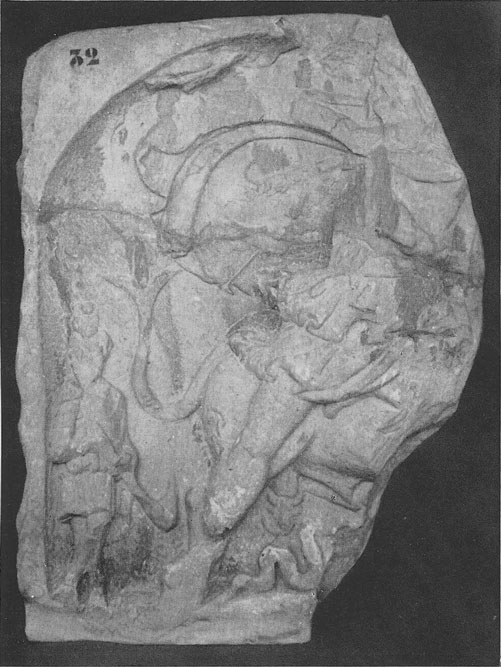
This fragmentary tauroctony relief from Timziouin near Saïda depicts Mithras slaying the bull within a cave-like frame, accompanied by the raven, serpent, scorpion, and Cautopates.

This fragmentary inscription from Zuccabar, reused in the wall of the Sidi Abd-el-Kader mosque at Affreville, preserves a dedication to Sol Invictus.
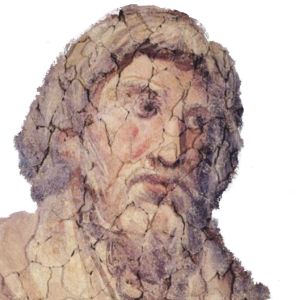
North African author, Platonic philosopher and rhetorician associated with the Mithraic milieu of Ostia.
This inscription shows that Publilius Ceionius, most distinguished man, dedicated a temple to Mithras at Mila, in the modern Constantina, Algeria.
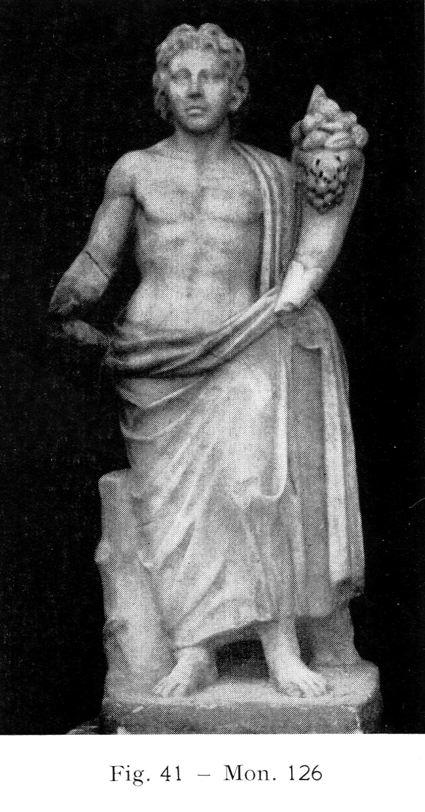
The statue of Skikda has seven holes in his hair for fastening rays.

Two marble statues of Cautes and Cautopates discovered in the Mithraeum of Rusicade, accompanied by symbolic animals including a lion, scorpion, dolphin and bird.

This altar, found in Tazoult تازولت, Algeria, was dedicated to the god Sol Mithras by a certain Florus.
This altar is dedicated to the god Sol Invictus Mithras by a certain Florus, a veteran of the Legio III Augusta.
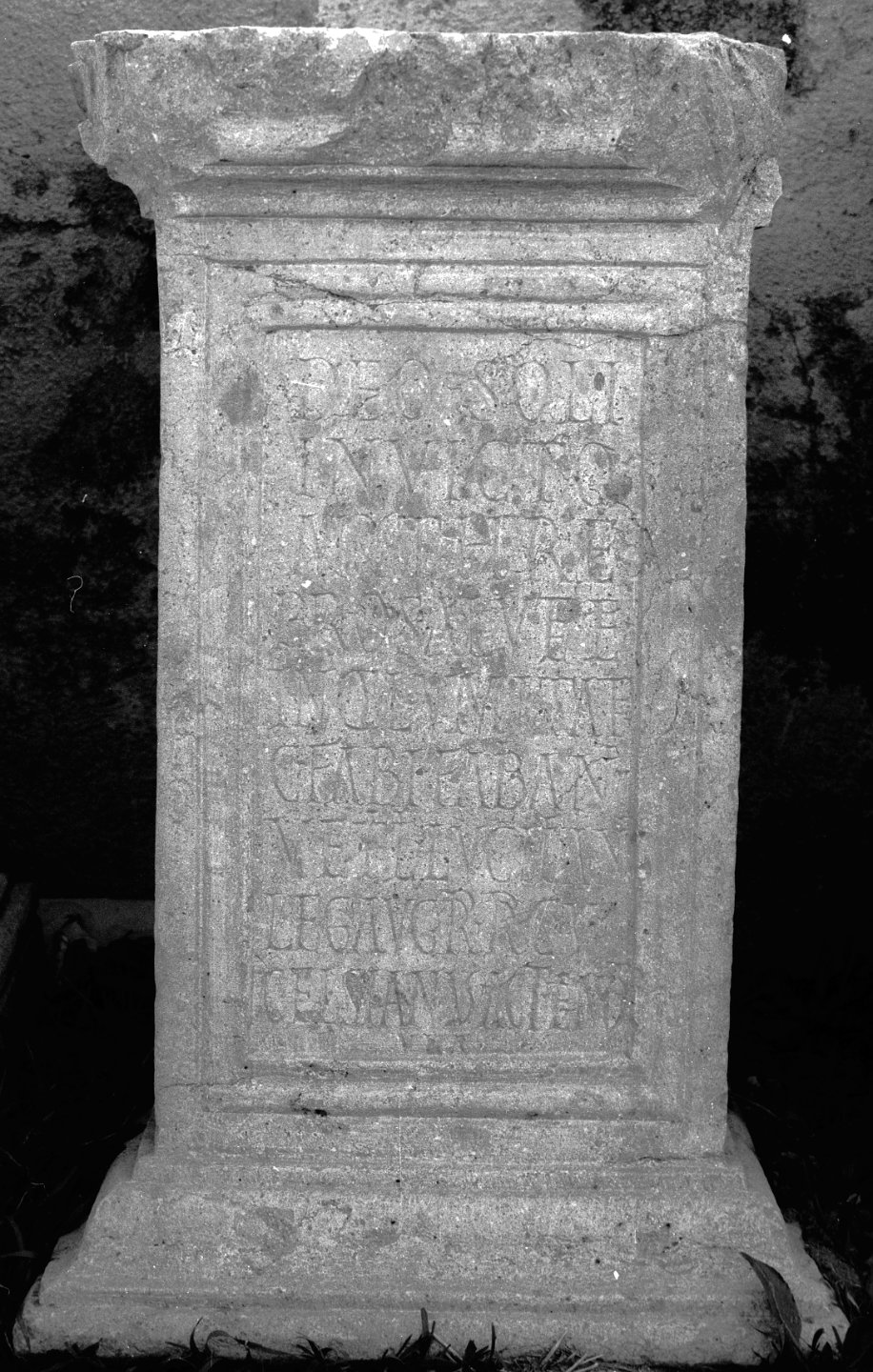
This altar found in Lambèse, now Tazoult, Algeria, bears the inscription of a certain Celsianus for the health of two men to the god Sol Unconquered Mithras.
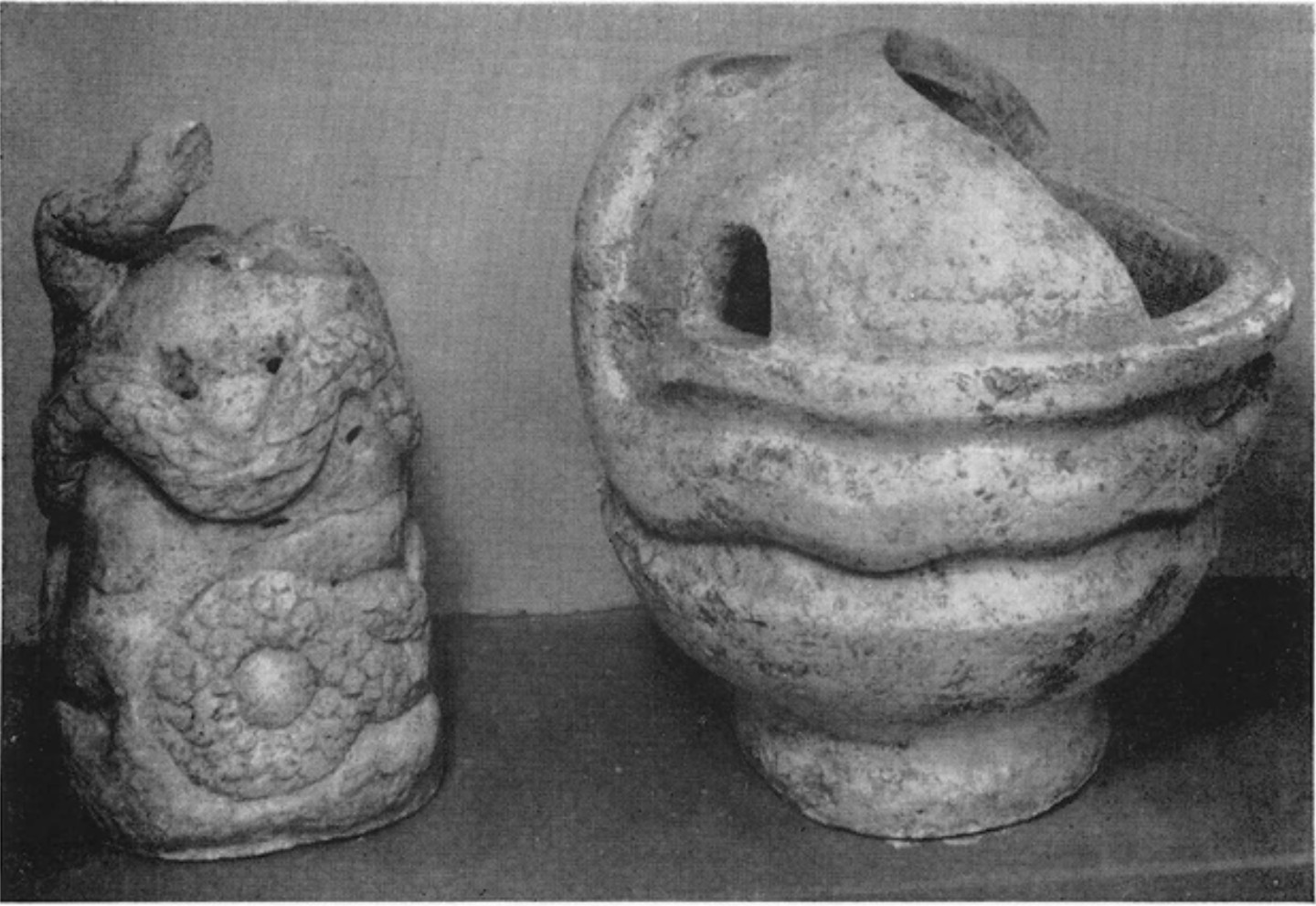
Both objects have a snake winding itself around them.

This altar was dedicated by a certain Marcus Aurelius Decimus to Sol Mithras and other gods in Diana, Numibia, present Argelia.

Slab found at Tazoult-Lambèse dedicated to the Unconquered god Sol Mithras by the governor of Numidia Marcus Aurelius Decimus.
