Your selection gave 109 results.

The area was populated by Iberians, but the origins of Baetulo date back to the 1st century BC, when the Romans founded the city on the Rosés hill. Baetulo was famous for its vineyards, which produced wine for export throughout the Empire.

Garlic merchant, probably from Lusitania, who dedicated an altar to Cautes in Tarraconensis.


Hector erected an altar to Mithras in Emerita Augusta by means of a ‘divine vision’.
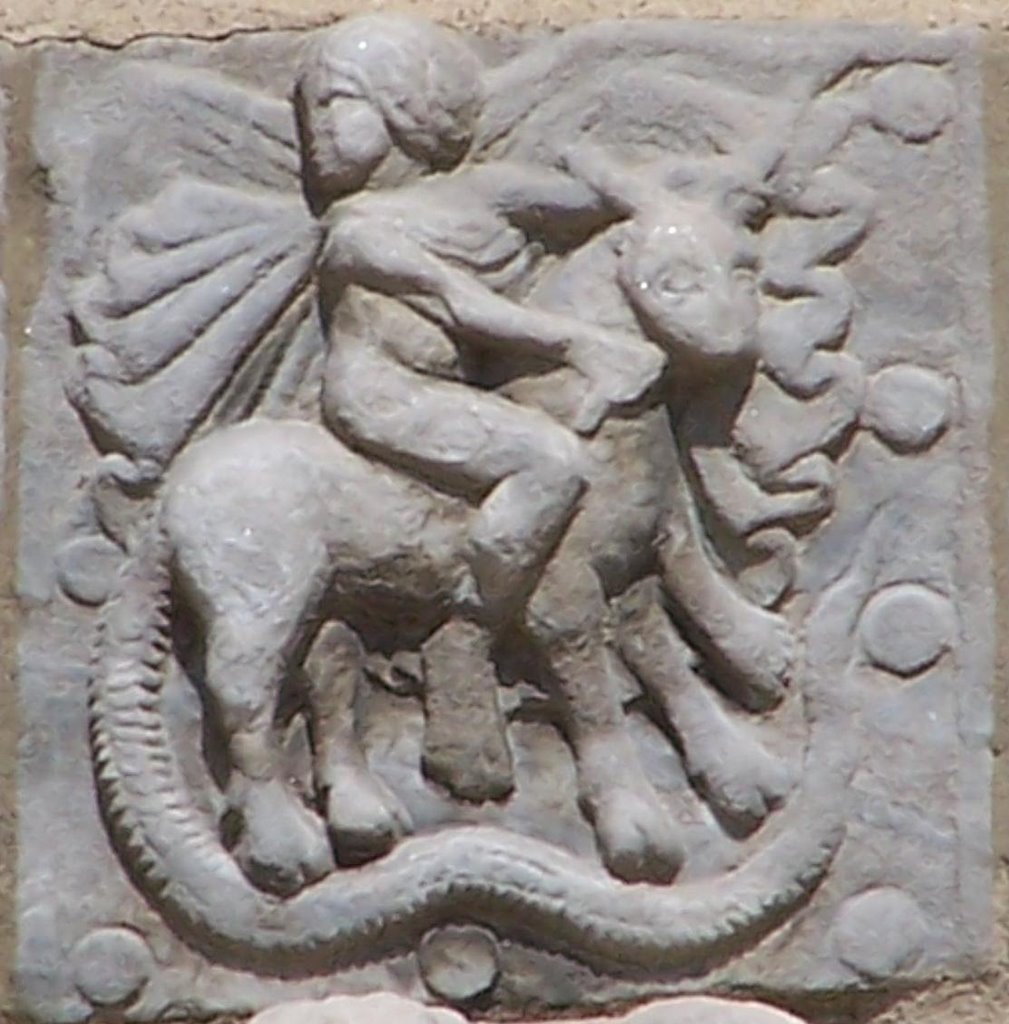
Mithras slaying the bull appears as the sign of Capricorn in a zodiacal sequence on the Pórtico del Cordero of the Abbey de Santo Domingo de Silos, Burgos, Spain.

These fragments of a monumental tauroctony found in the Cerro de San Albín must have decorated the Gran Mitreo de Mérida, which has not yet been found.

This lost monument from Malaga, Spain, to Dominus Invictus has been linked to the cult of Mithras, although there is not enough evidence.
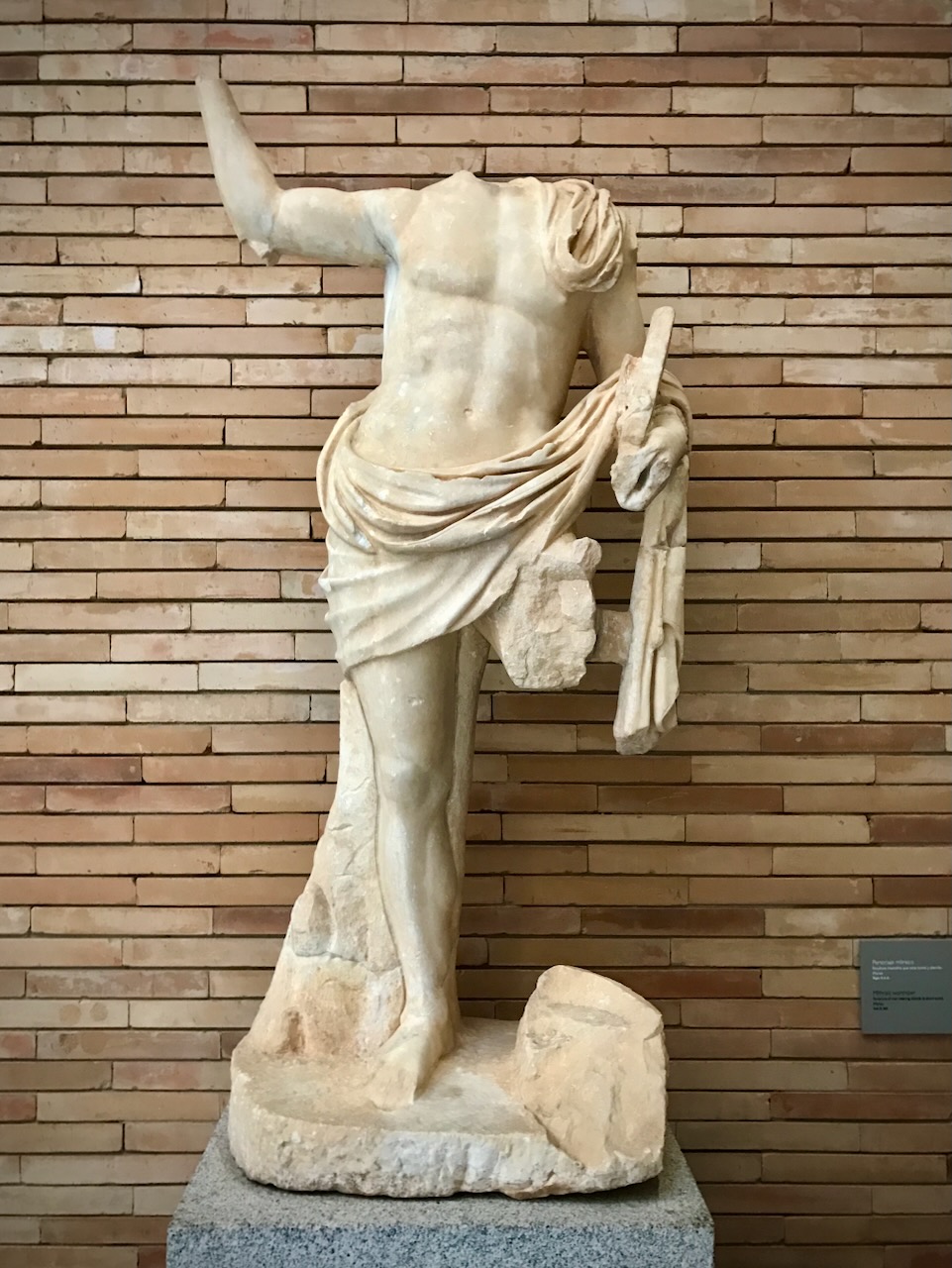
This nude male figure, found at Cerro de San Albín, Mérida, has been identified as Cautes.

I am a graduate trying to complete a MA in archaeology. My Master`s Dissertation is about Mistery Cults in the Roman Empire

Soy Dra. en Filosofía y Letras por la Universidad de Alicante.He escrito un libro sobre Mitra denominado

IT freaky guy protected by Cautes and Cautopates (both at once), made in Barcelona, willing to engage with other guys or gals into the same trips.


Gaius dedicated an altar to the god Invictus in Emerita Augusta in the 2nd century.



Centurion of the Legio VII Gemina Antoniana Pia Felix who erected the only known mithraeum at Lucus Augusti to date.
