Your selection gave 109 results.

A marble statue from Augusta Emerita (modern Mérida), depicting a standing dressed male person whose right leg leans against a tree-trunk and whose raised right arm once held a lance or trident, tentatively identified as Poseidon.
A small four-sided white marble relief of uncertain Mithraic attribution, found at Italica (modern Santiponce, near Seville), depicting a bull walking to the right on the front, a fig-tree on the back, five ears of wheat on the right side, and damaged vine tendrils with grapes on the left…
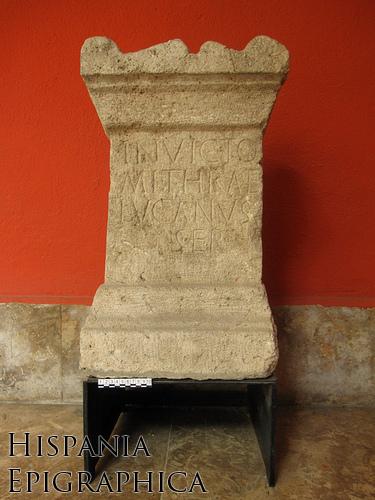
This altar found in Benifaió, València, was erected by a slave called Lucanus.
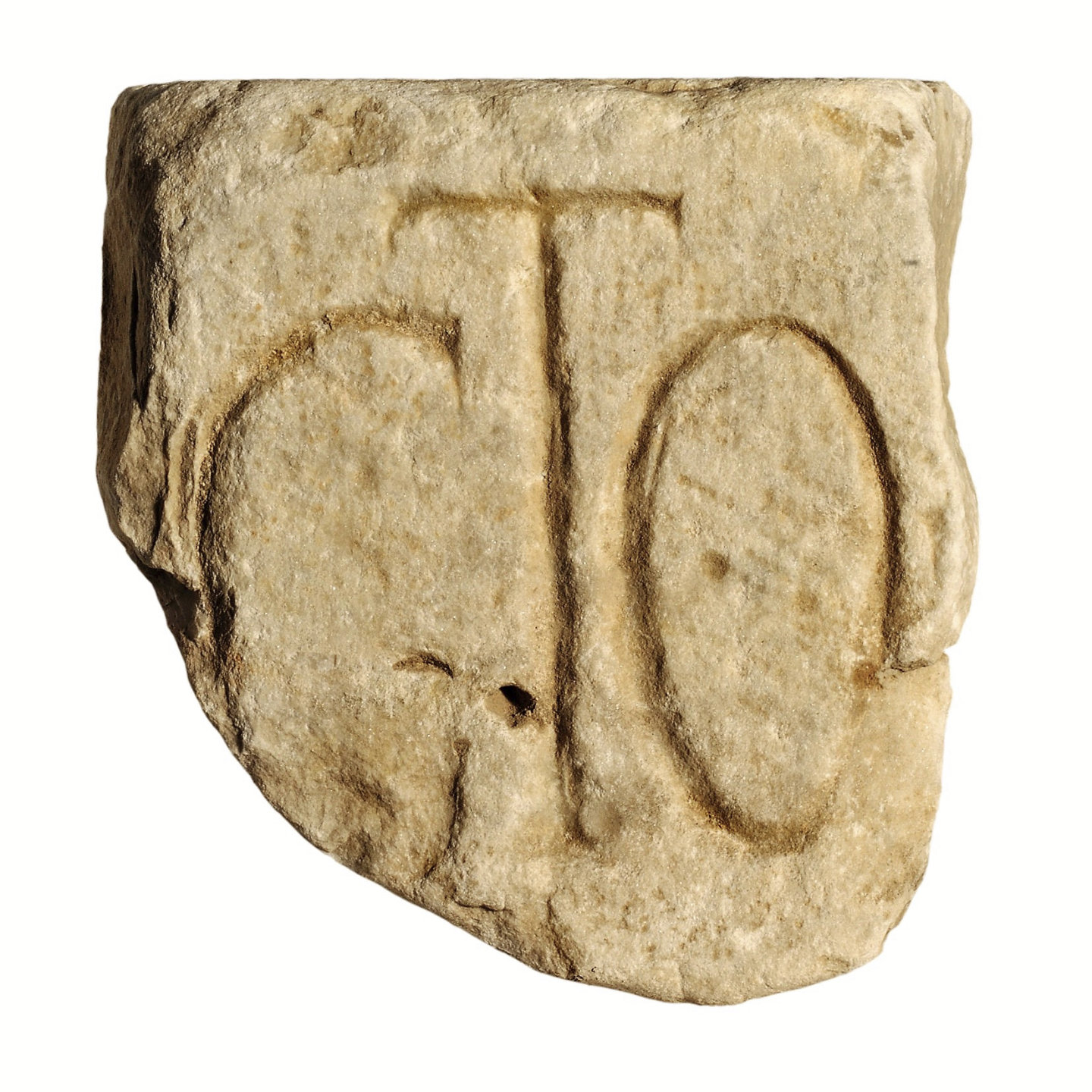
This fragment of the base of a statue from Tarragona, Spain, bears an inscription which appears to be dedicated to the invincible Mithras.
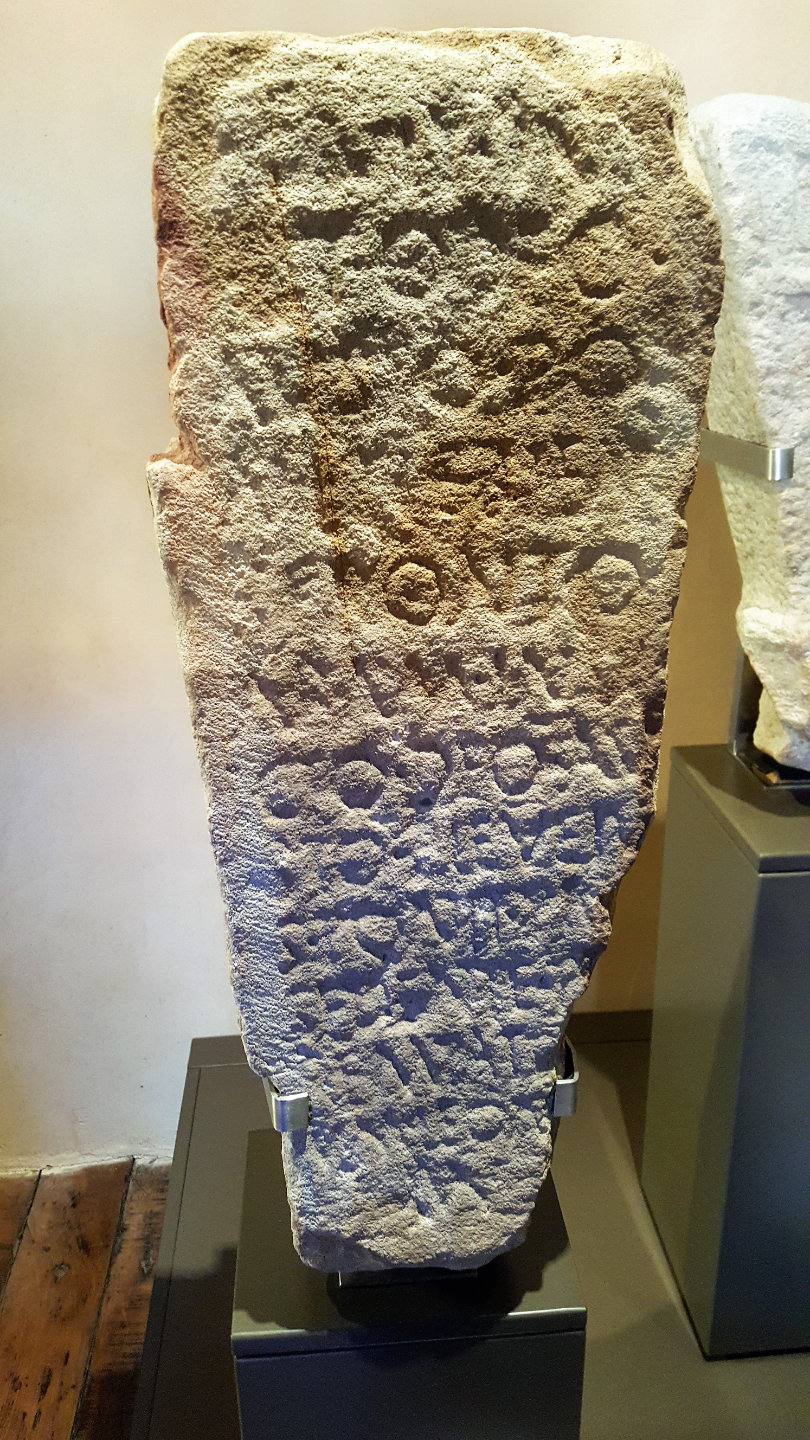
The monument of San Juan de la Isla (Asturias) devoted to Mithras was preserved in the portico of the main church until 1843.
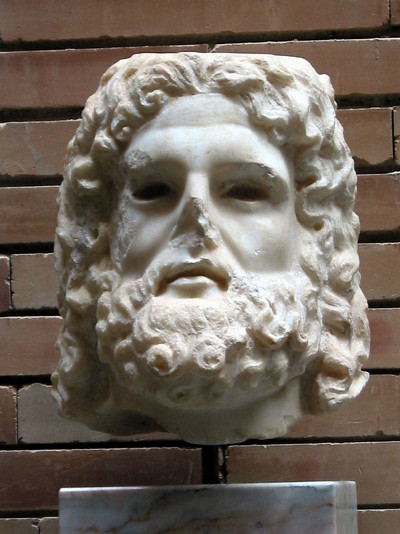
This head of Serapis from Cerro de San Albín may be unrelated to Mithras worship.
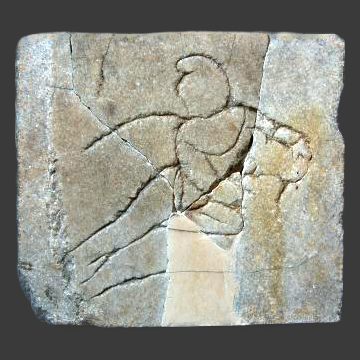
This unfinished Mithras tauroctonos without the usual surrounding animals was found in 1923 in Italica, near Seville, Spain.
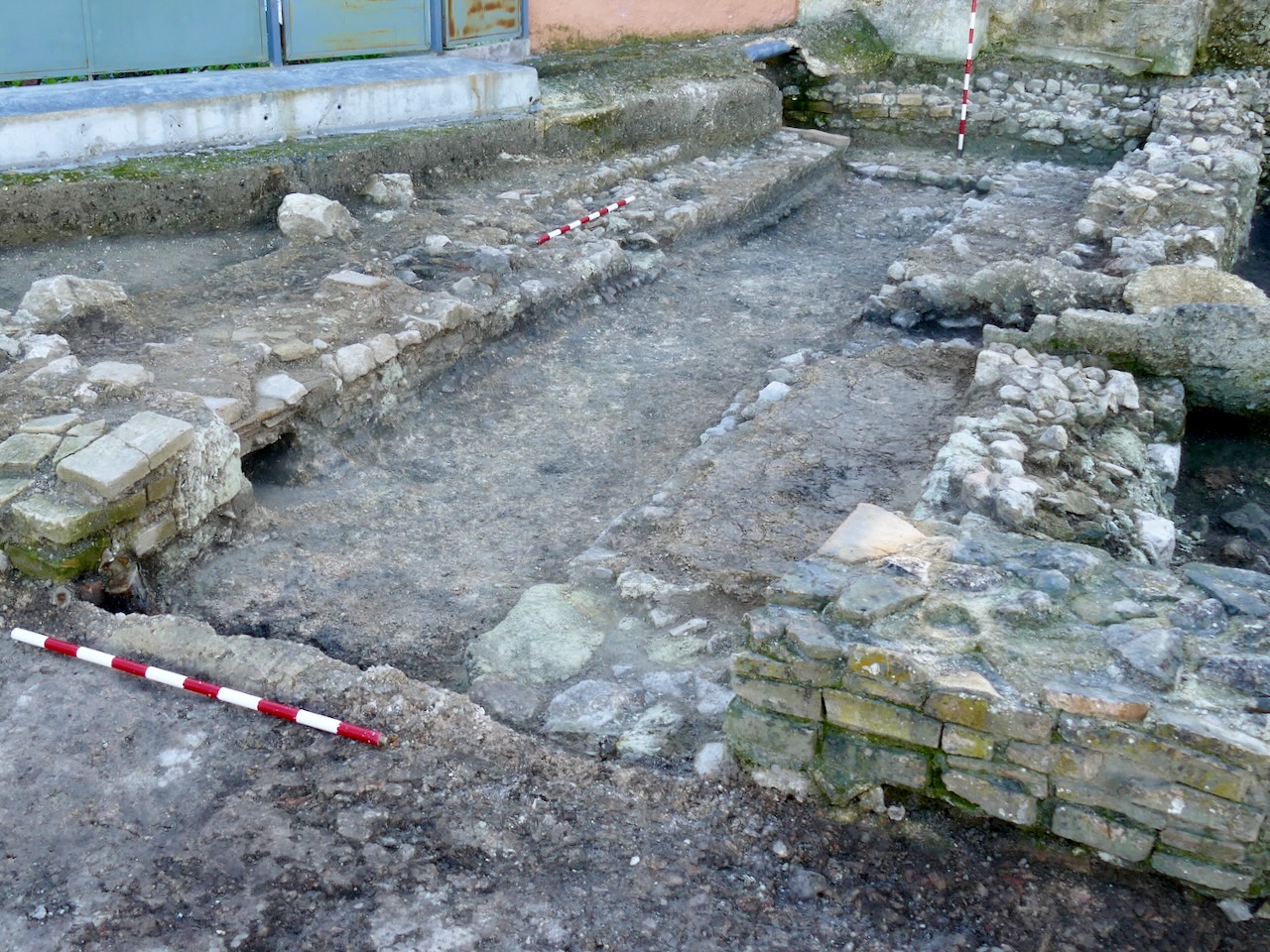
The Mithraeum of Cabra is located in the Villa del Mitra, which owes its name to the discovery in 1951 of a Mithras tauroctonus in the remains of the Roman villa.

Burgos is a city in the autonomous community of Castile and León in Spain.
The capital of Hispania Tarraconensis, Tarraco is the oldest Roman settlement on the Iberian Peninsula.
Astorga is a municipality and city of Spain located in the central area of the province of León, in the autonomous community of Castilla y León, 43 kilometres southwest of the provincial capital.
Málaga is a municipality of Spain, capital of the Province of Málaga, in the autonomous community of Andalusia.
Italica was an ancient Roman city in Hispania; its site is close to the town of Santiponce in the province of Seville, Spain.
Barcelona is a city on the coast of northeastern Spain. Founded as a Roman city, in the Middle Ages Barcelona became the capital of the County of Barcelona.
Today Lugo was the capital of the Capori tribe. It was conquered by Paullus Fabius Maximus and named Lucus Augustus in 13 BC after the positioning of a Roman military camp.
Colunga is a municipality in the Autonomous community of the Principality of Asturias, Spain.
Ituro, now Cabrera de Mar, was an important trading town and the capital of the Laietani, an Iberian people, until Roman times.
Cabra is a municipality in Córdoba province, Andalusia, Spain and the site of former bishopric Egabro.
Emerita Augusta was founded in 25 BC by order of the Emperor Augustus to protect a pass and a bridge over the Guadiana River. The city became the capital of the province of Lusitania and one of the most important cities in the Roman Empire.
