Your selection gave 109 results.
A slave of a certain Flavius Baeticus, Quintio dedicated an altar to the health of a companion.

Centurio frumentarius probably from Tarraco, who served in the Legio VII Gemina located in Emerita Agusta.

The pater Artemidorus seems to be an Augustan freedman of the Claudians, of Eastern origin.


Procurator of Tarraconensis, he dedicated a monument to the Invincible God, Isis and Serapis in Asturica Augusta.

For the health of this man, a small altar was dedicated to the god Invictus in the Emerita Augusta.

Slave on a farm in Valentia, Hispania, who dedicated an altar to the invincible Mithras.

He dedicated an inscription to Cautes in Baetulo, near present-day Barcelona.

The name of this domus comes from the fact that some authors once associated one of its mosaics with the cult of Mithras, a connection that has since been dismissed.
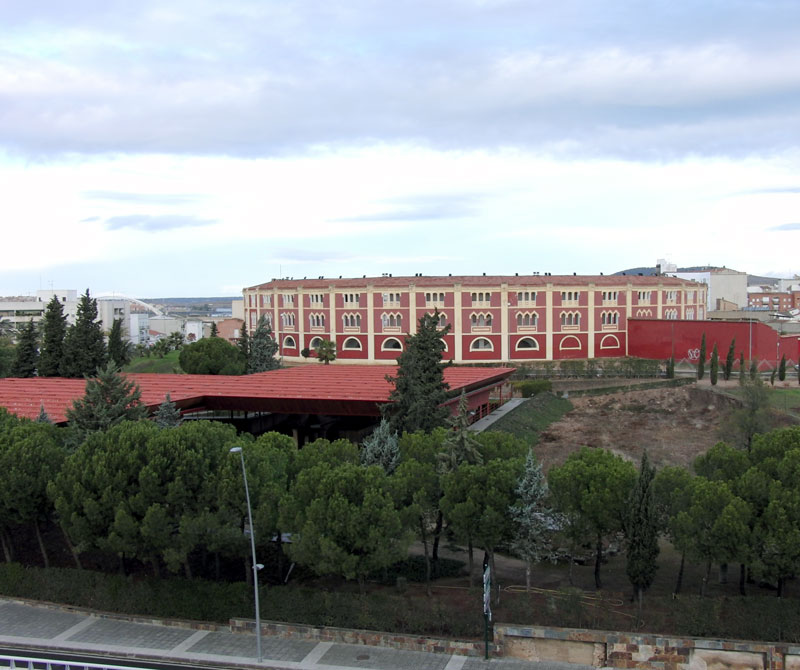
Although the site at Cerro de San Albín is not a Mithraeum, archaeologists have found several monuments related to the cult of Mithras.

Historiador experto en Historia Antigua y catedrático en la Universidad Carlos III de Madrid.
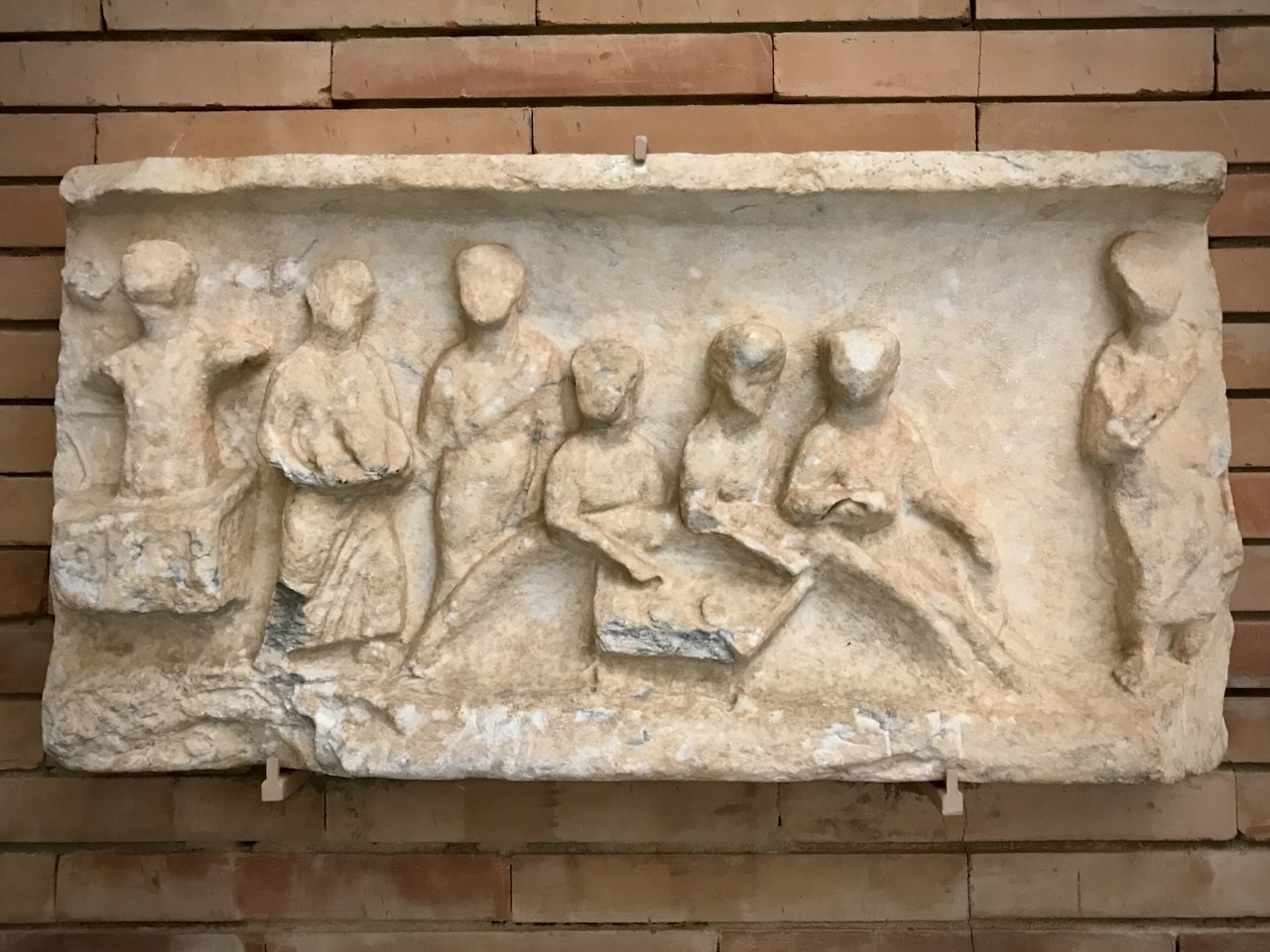
This scene of a feast from Mérida shows three persons at a table with other people standing beside them, one holding a bull’s head on a plate.

Jaime Alvar speculates that the Gran Mitreo de Mérida could have been located in this area, based on a series of materials unearthed by Mélida during the excavations of 1926 and 1927.
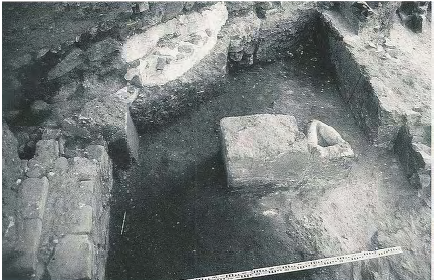
The Mithraeum at Espronceda Street, in Merida, was discovered in 2000. It is a semi-subterranean temple.

The exploration of an old pazo, a manor house, near the Roman wall, in Lugo, led to the discovery of a Roman domus, which existed continuously from the beginnings of the Christian Era until the Late Empire.

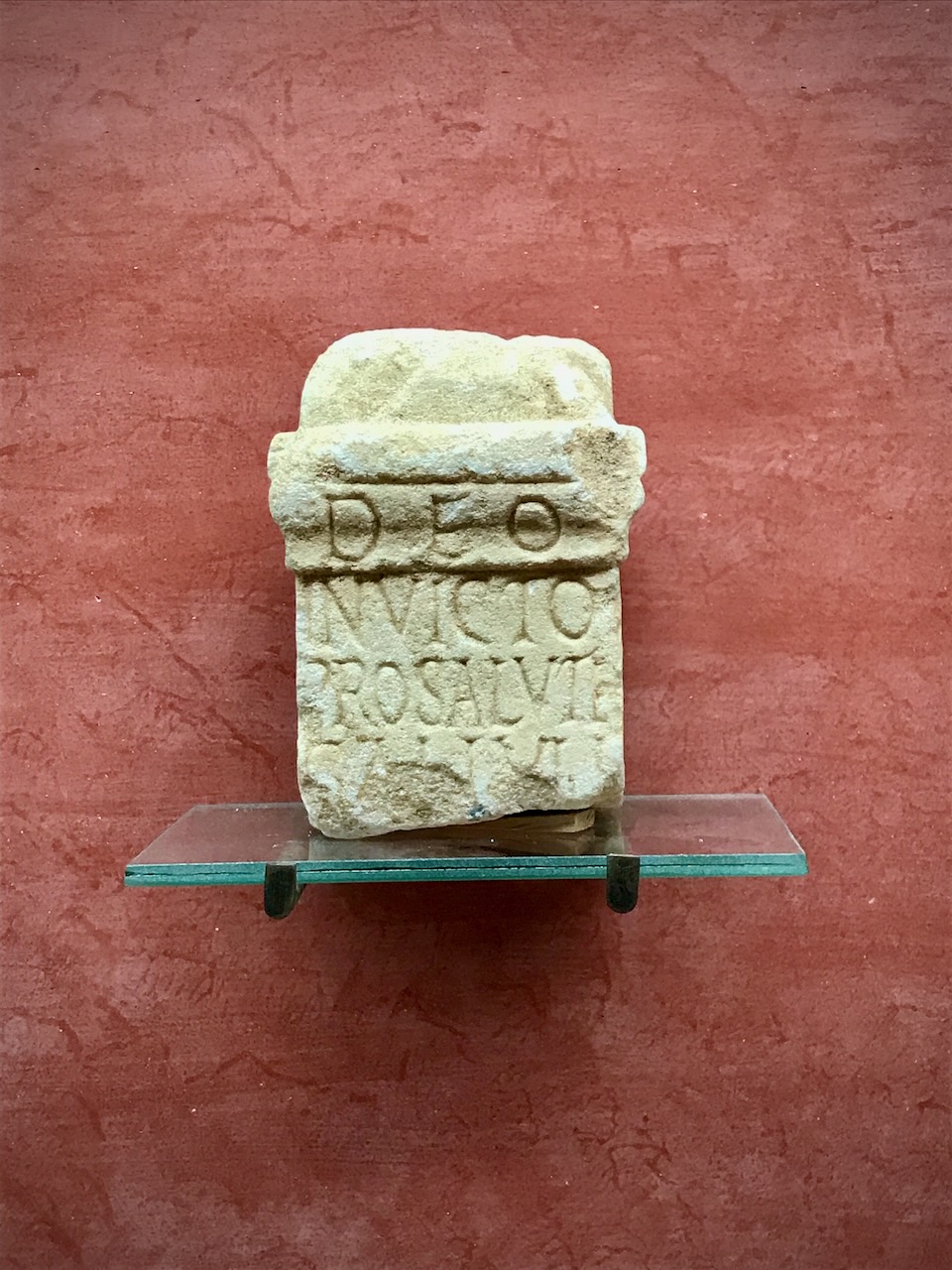
The small Mithraic altar found at Cerro de San Albin, Merida, bears an inscription to the health of a certain Caius Iulius.
