Your selection gave 851 results.
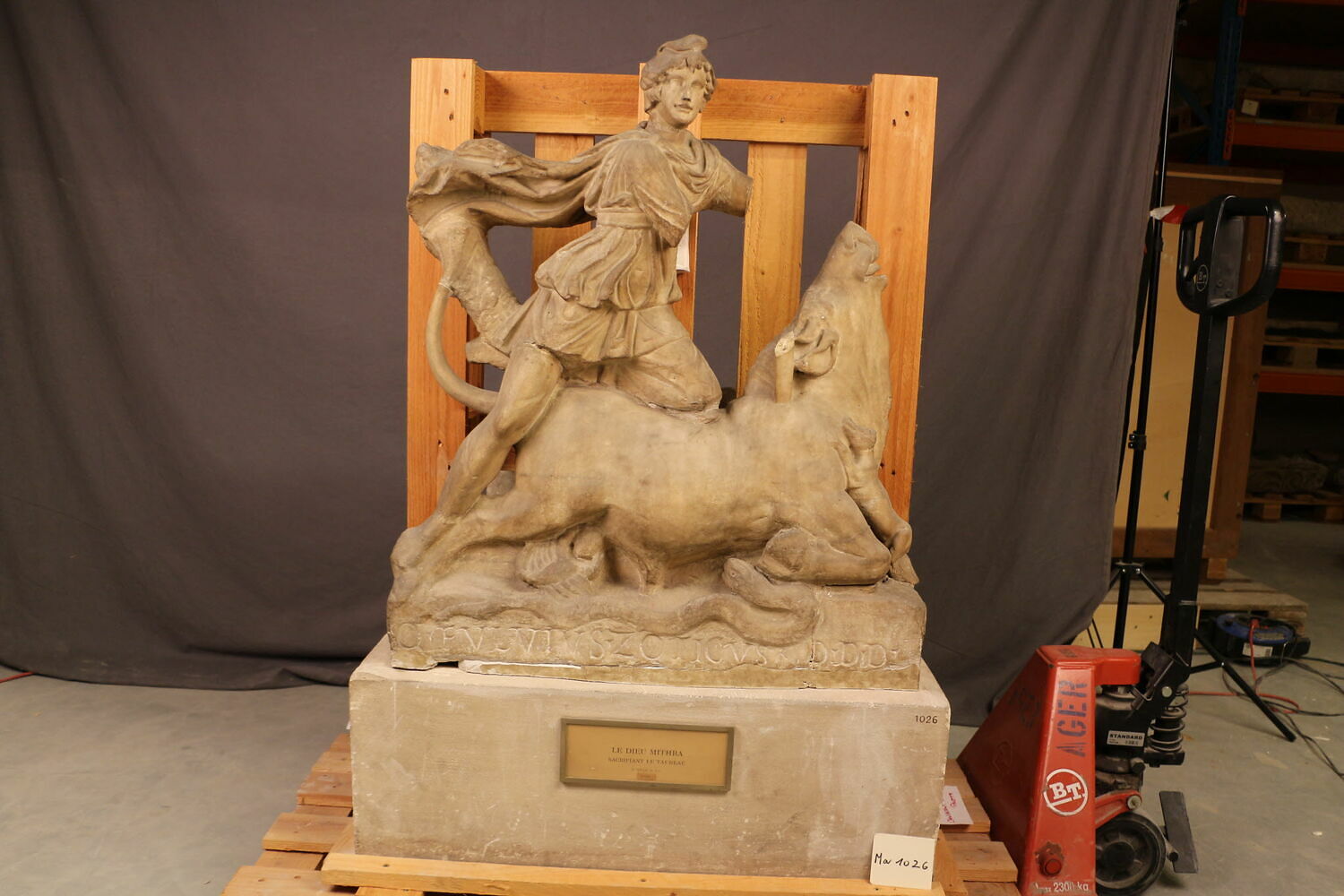
The Tauroctony found in Velletri, Rome, bears an inscription from its owner and donor.

This marble sculpture from Sicily, known as the Randazzo Vecchio or Rannazzu Vecchiu, contains some essential elements of the Mithraic Aion, the lion-headed god.
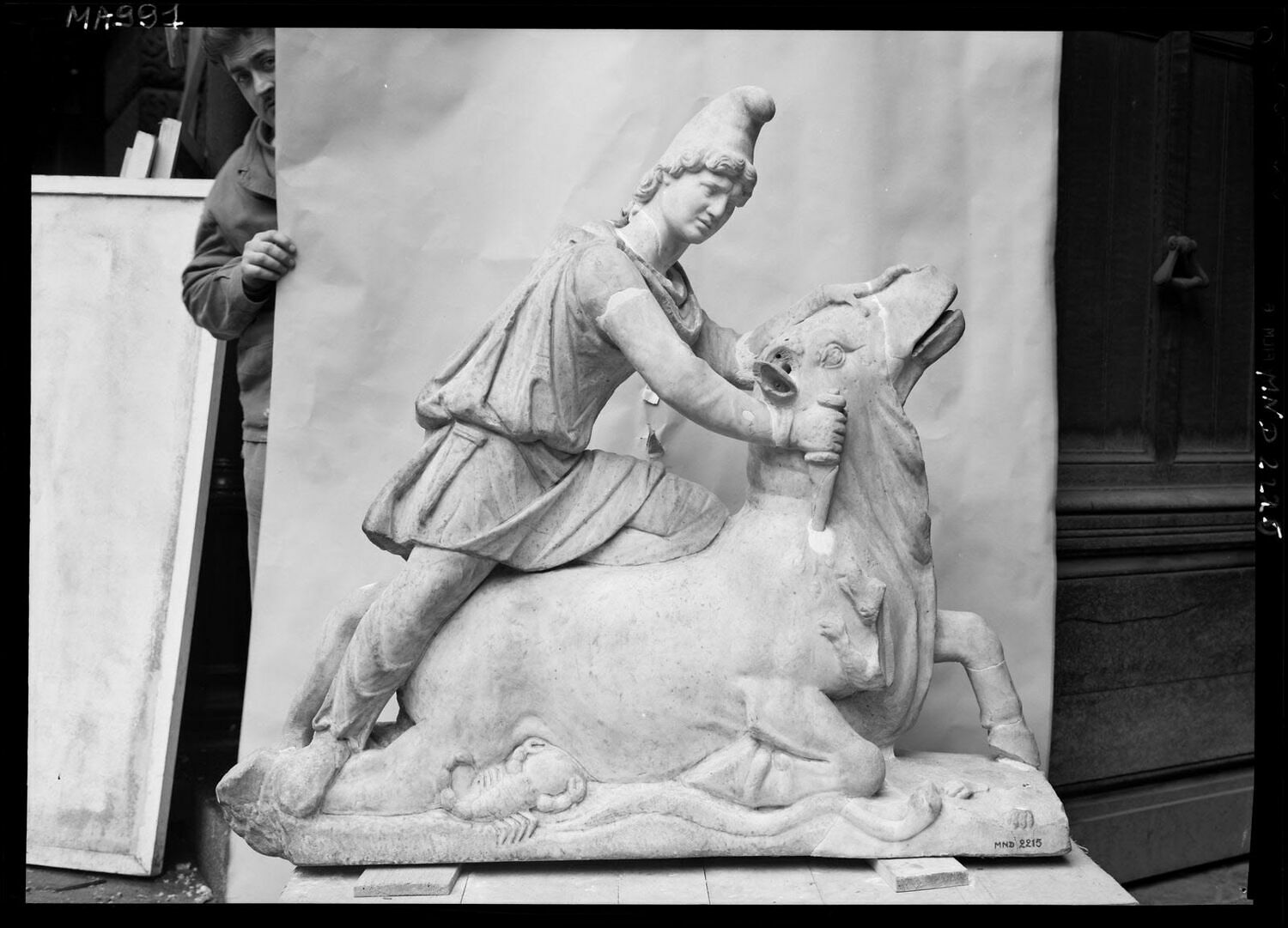
This sculpture of Mithras killing the bull, which belongs to the Louvre Museum, is currently on display in Varsovia.
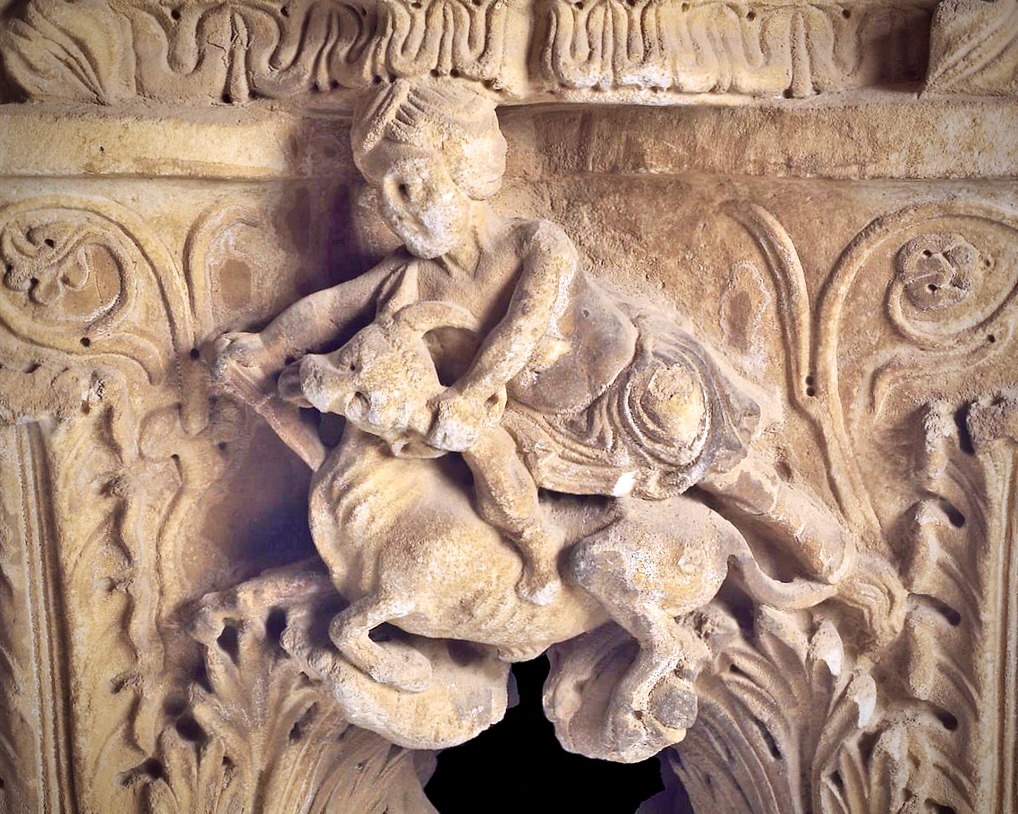
On one of the capitals of the cathedral of Santa Maria Nuova in Monreale, Sicily, an unusual turbaned bull-slaying Mithras has been recorded.
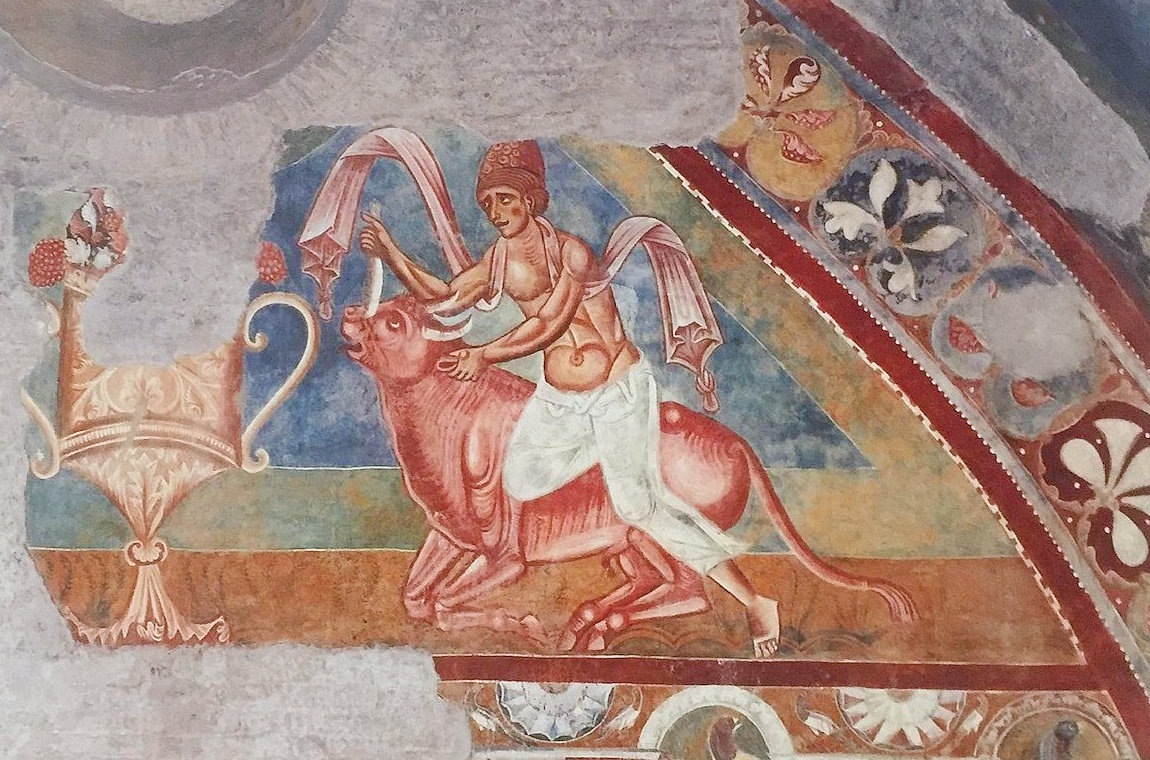
What appears to be a representation of Mithras killing the bull appears in the 12th century frescoes of the Basilica dei Santi Quattro Coronati in Rome.

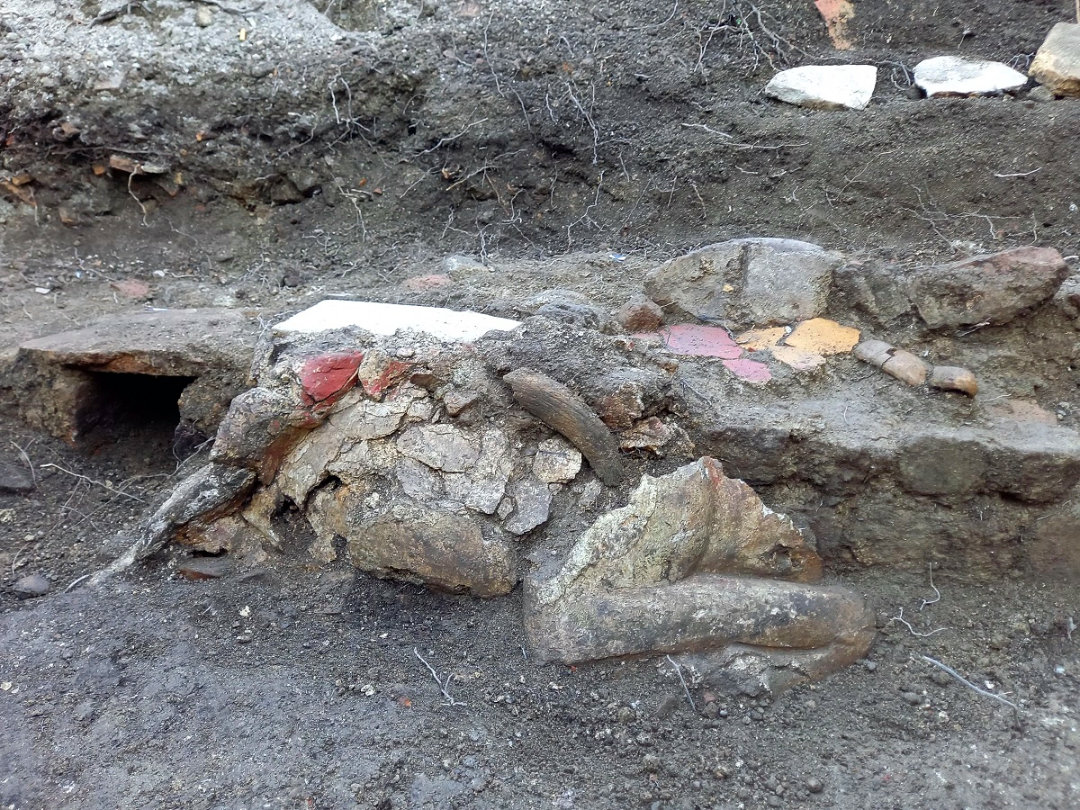
Archaeologists discovered the 20th temple dedicated to Mithras in Ostia during the restoration of the domus del capitello di stucco in 2022.

In this 4th-century Roman altar, the senator Rufius Caeionius Sabinus defines himself as Pater of the sacred rites of the unconquered Mithras, having undergone the taurobolium.
This marble slab, found in the Mithraeum of San Clemente, bears an inscription by a certain Aelius Sabinus for the health of the Emperor Antoninus Pius and his sons.
This marble bust of Sol, found in the Mitreo di San Clemente, had five holes in the head where rays had been fixed.
This elliptical terracotta fragment from Ostia depicts Mithras as a bullkiller.
Minto has claimed that the time god Aion was painted on the corner of the north wall of the Mitreo de Santa Capua Vetere.
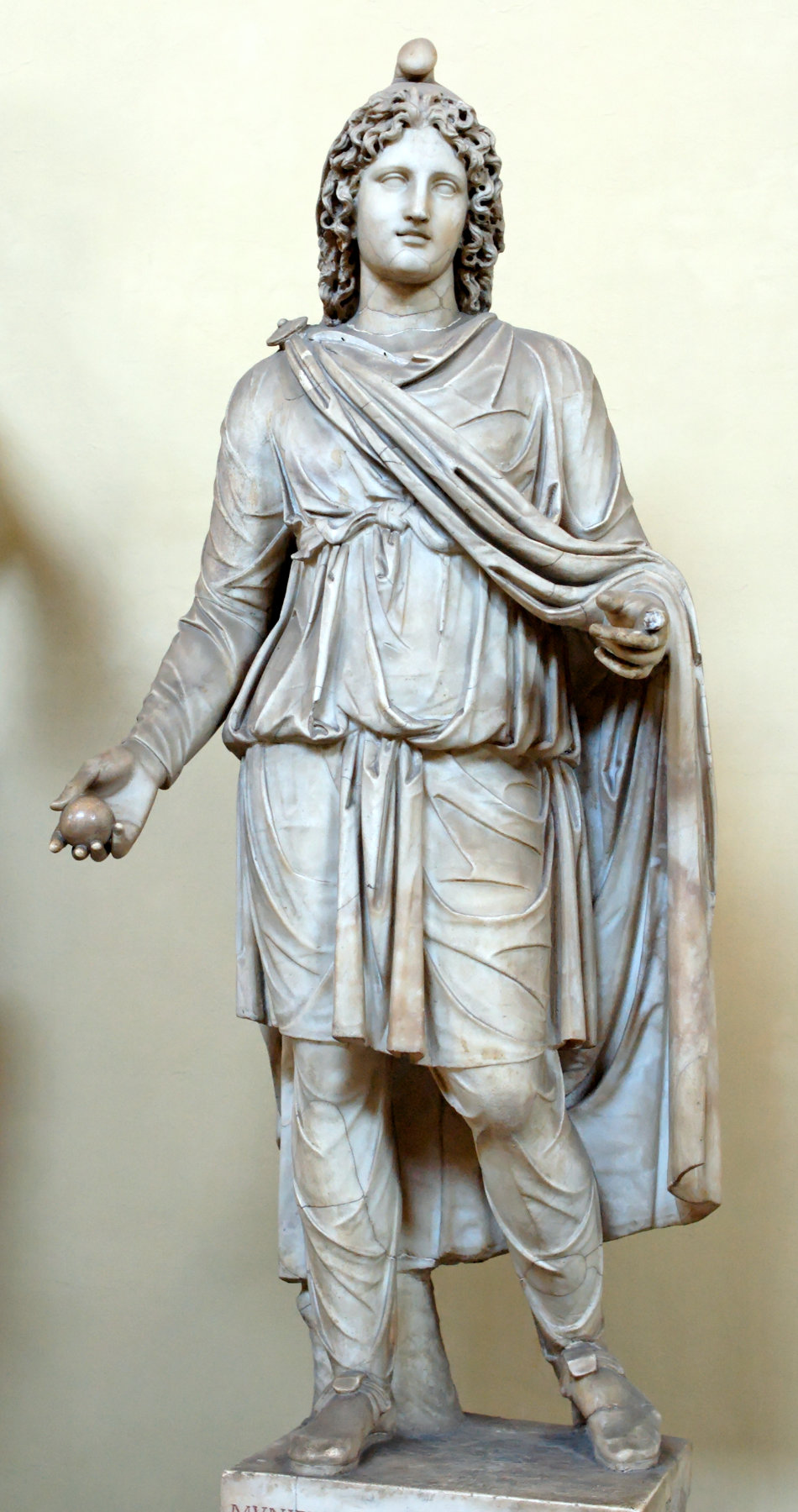
This sculpture, probably of Cautopates, now in the Musei Vaticani, was transformed into Paris.
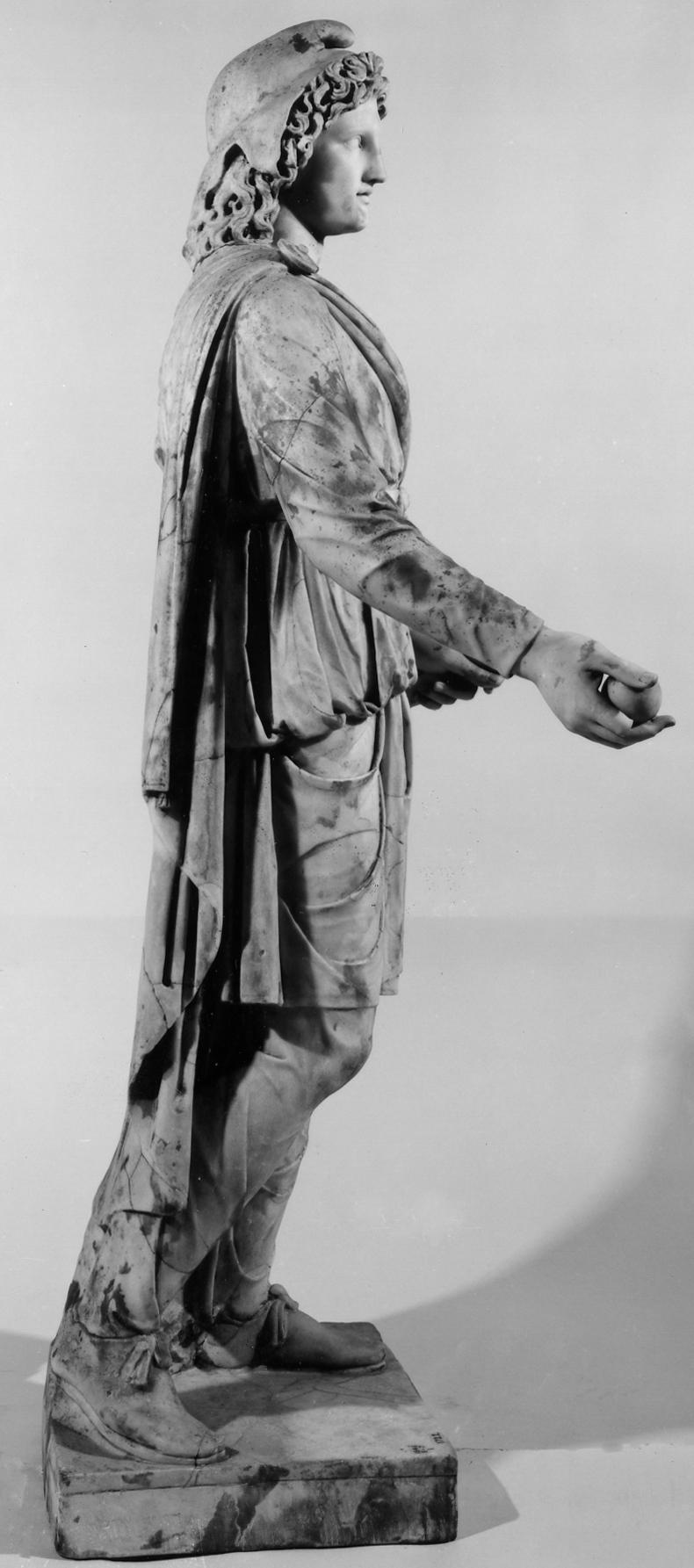
This is one of the two torchbearers, probably Cautes, transformed into Paris, now in the British Museum.
This inscription was dedicated to God Cautes by a certain Flavius Antistianus, Pater Patrorum in Rome.
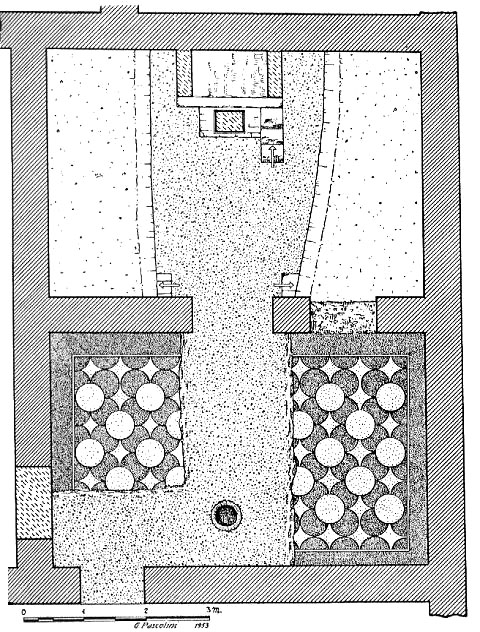
The Mithraeum of the House of Diana was installed in two Antonine halls, northeast corner of the House of Diana, in the late 2nd or early 3rd century.
In the cult niche of the Mitreo del Caseggiato di Diana there is a list of words that could indicate names and measurements.
A bearded Bacchus and another hermes as a woman, both crowned with vine tendrils, were walled into the base of a niche.
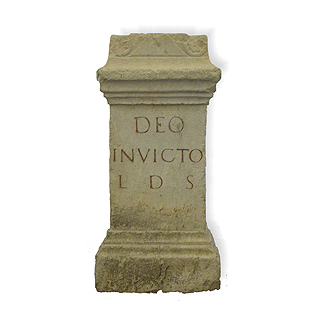
This altar to Deo Invicto was found during the excavation of the Monastero Delle Benedettine di Santa Grata in Bergamo, with a bronze calf’s head on top.
