Filtering by Province: Syria-Coele in monuments gave 61 results.
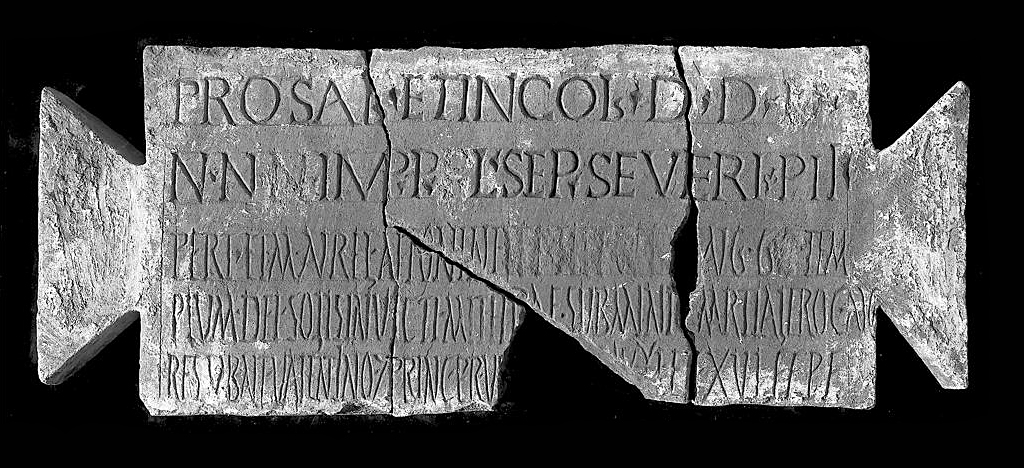
Antonius Valentinus, centurio, made this plaque for the salut des empereurs Septimus Severus and Marcus Aurelius.
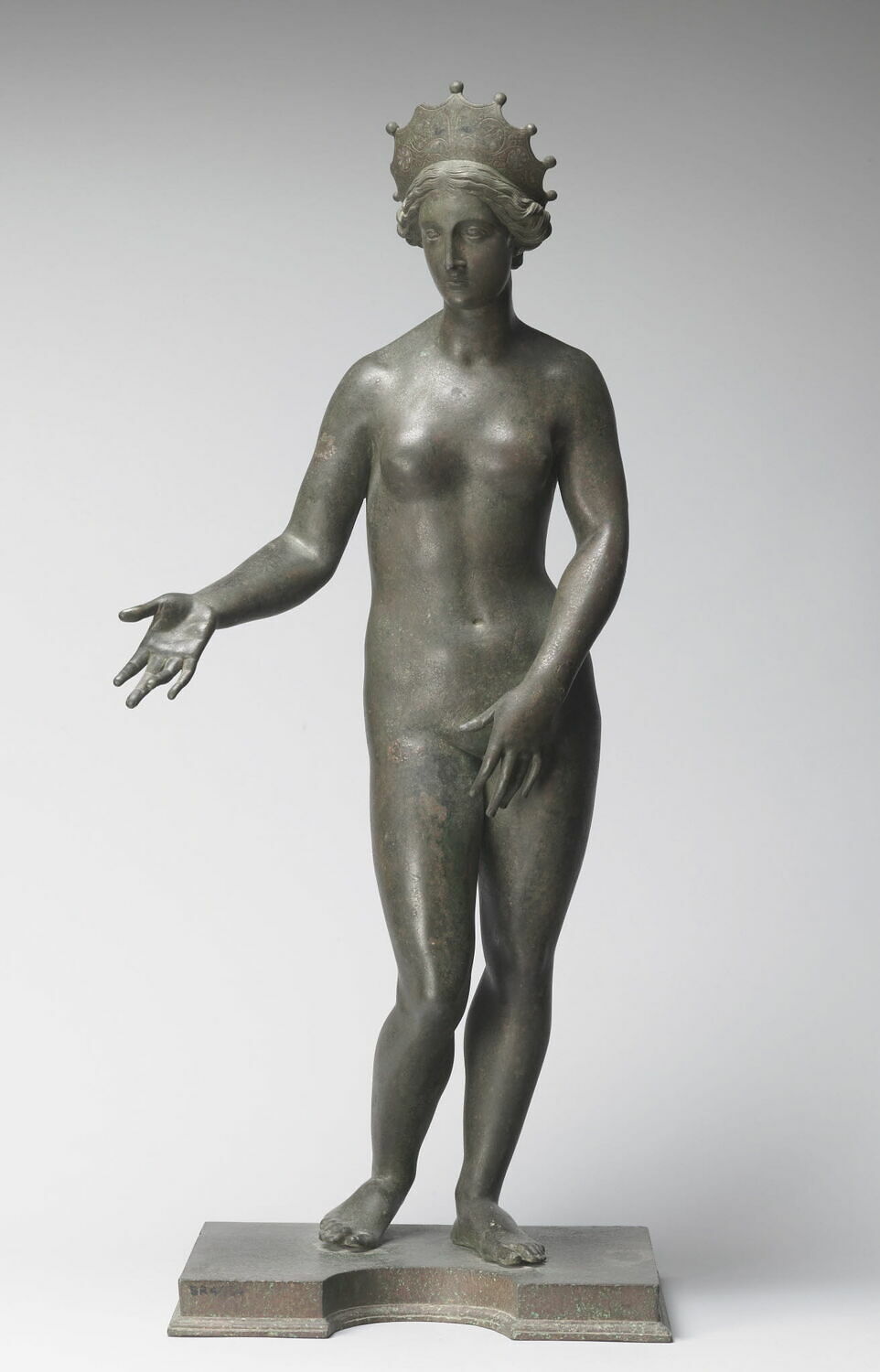
There are two Venus from the Mithraeum of Sidon, one in bronze and the other in Parian marble.
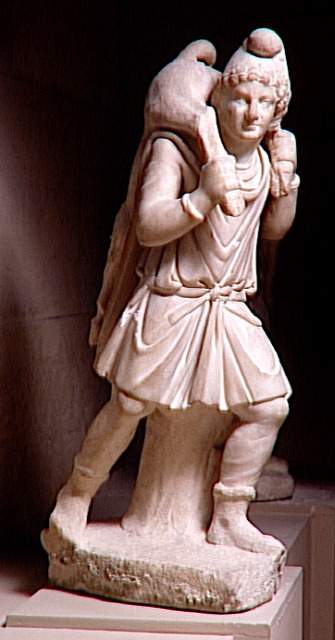
Sculpture depicting Mithras carrying a young bull on his shoulders.
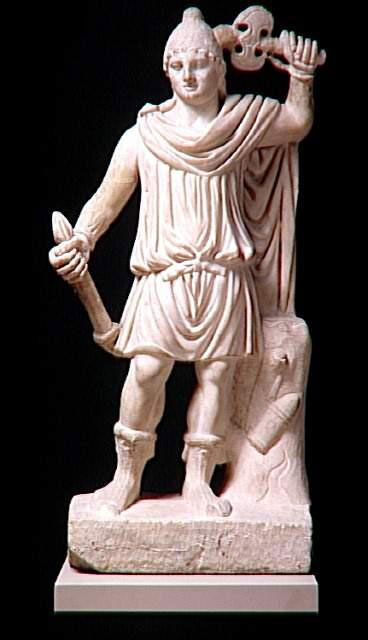
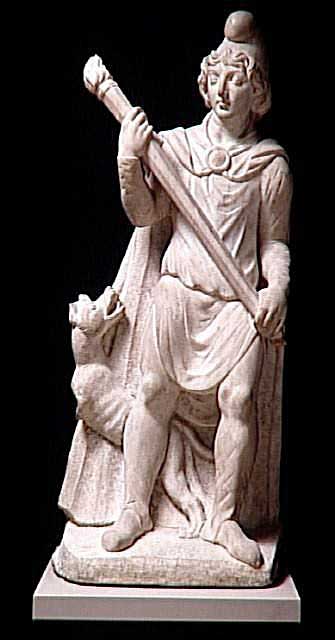
In this case, a quiver has been attached to the tree-stump behind the torchbearer.
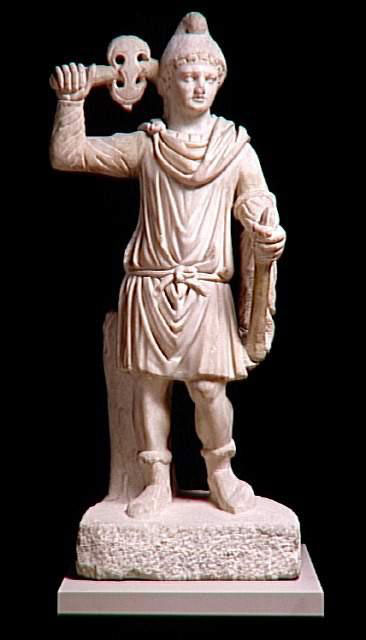
The Cautes of Sidon who wields an axe also wears a piece of cloth on his left arm.
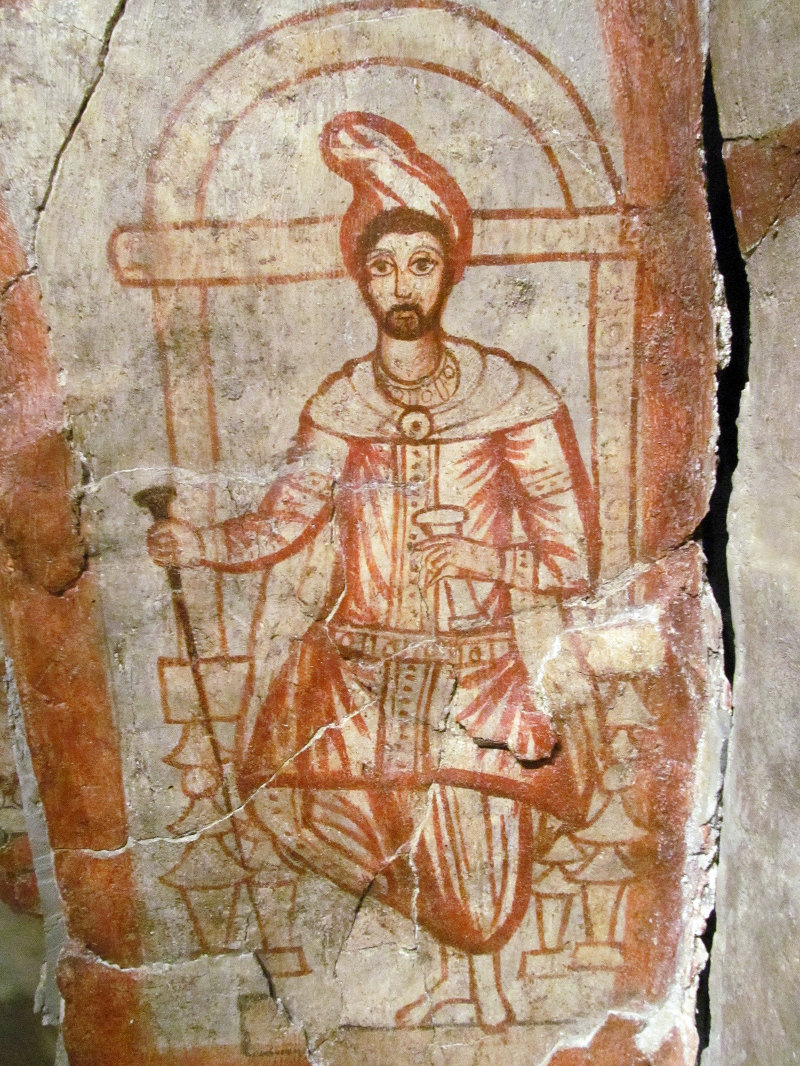
Some scholars have speculated that the scrolls both figures hold in their hands represent Eastern doctrines brought to the Western world.
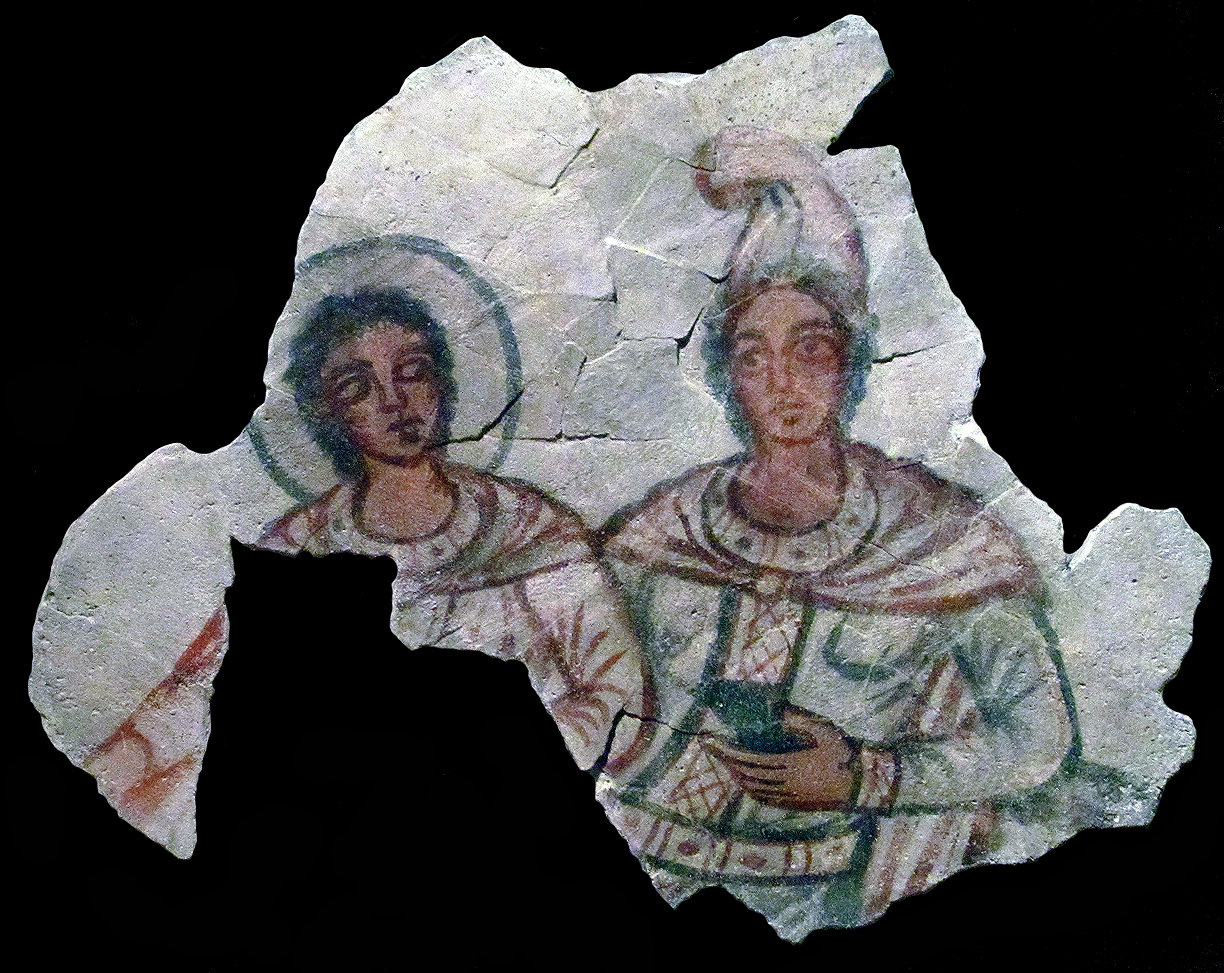
Sol watches Mithras as he gazes Mithras gazes up to heaven while sharing the sacred meal.
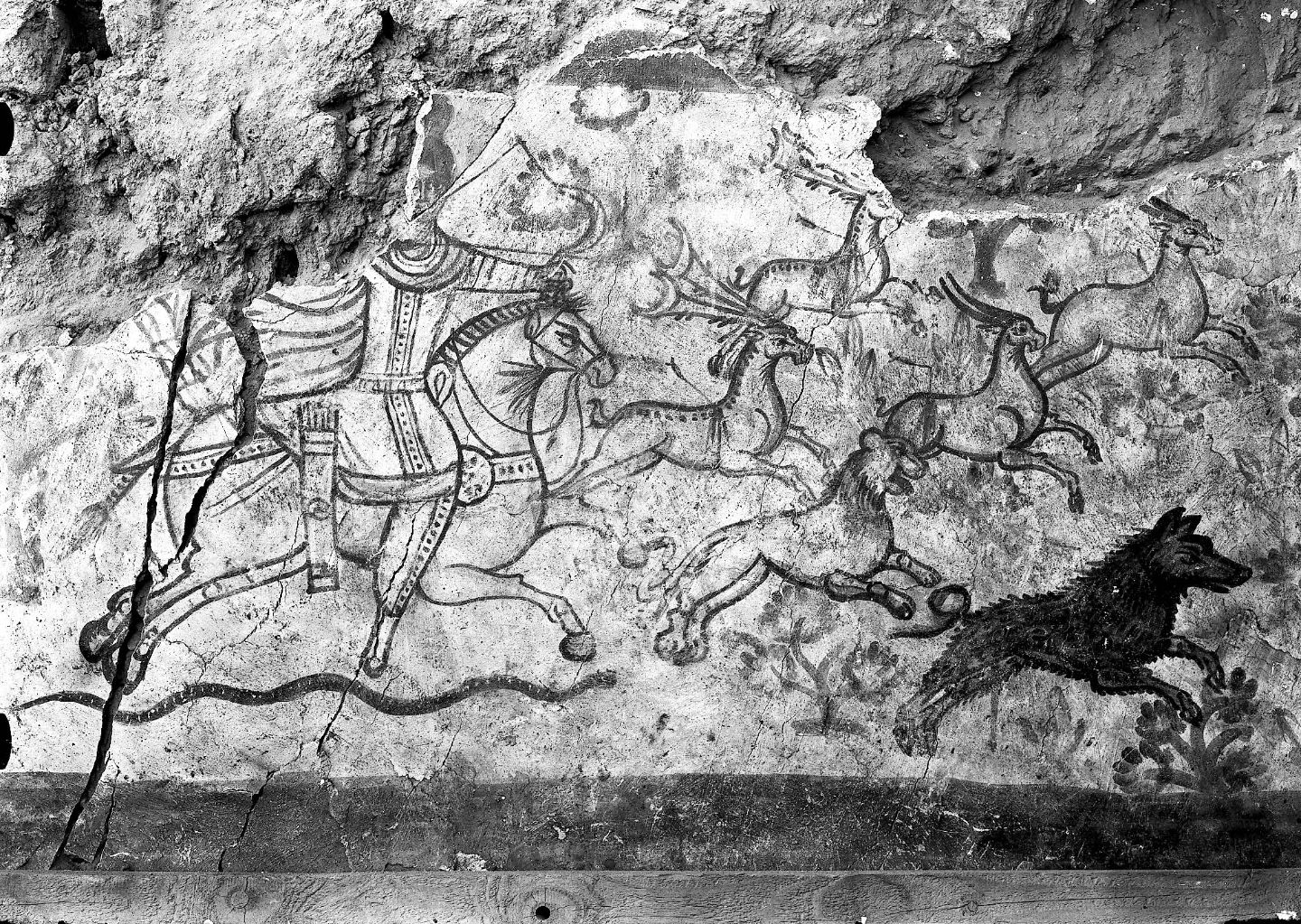
In this fresco from Dura Europos, Mithras is represented as a hunter accompanied by the lion and the serpent.
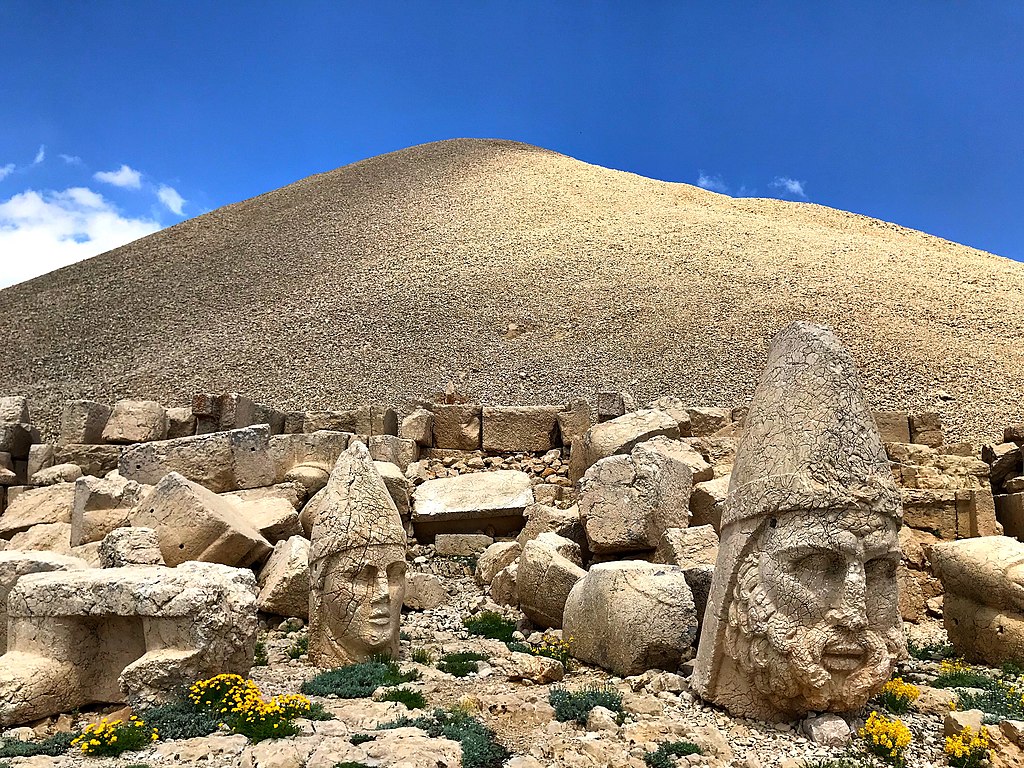
Mount Nemrut or Nemrud is one of the highest peaks in the eastern Taurus Mountains, southeastern Turkey. On its summit large statues stand around what is supposed to be a royal tomb from the 1st century BC.


"The remaining figure on this monument, Herakles, was previously misidentified as Apollo on this remarkable black basalt tablet from Samsat, known in Roman times as Samosata.
Greek graffiti scratched on wall plaster, recording a list of everyday expenses from Dura-Europos, Roman Syria.
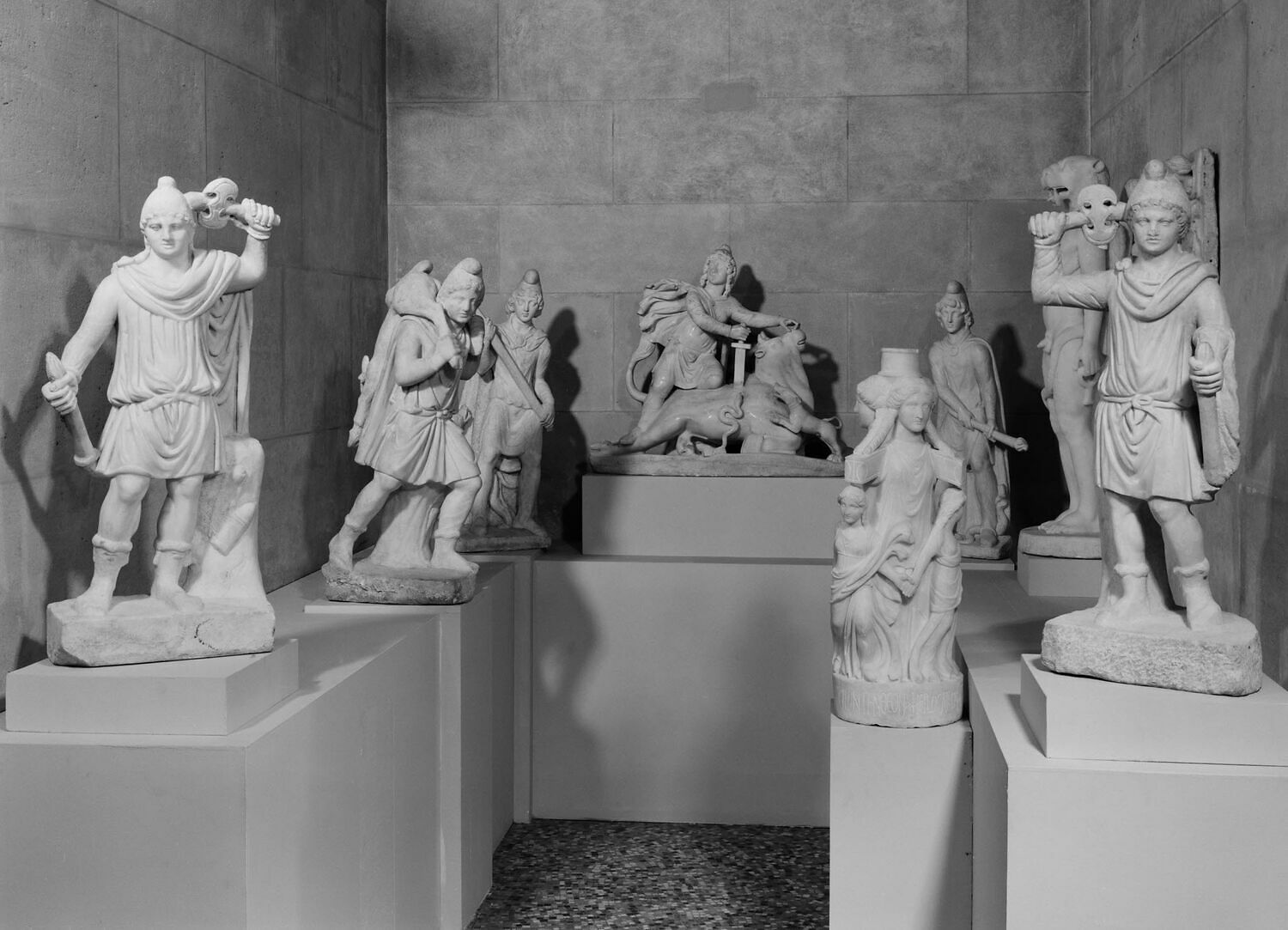
The Mithraeum of Sidon may have escaped destruction because the Mithras worshippers walled up the entrance to the underground sanctuary.
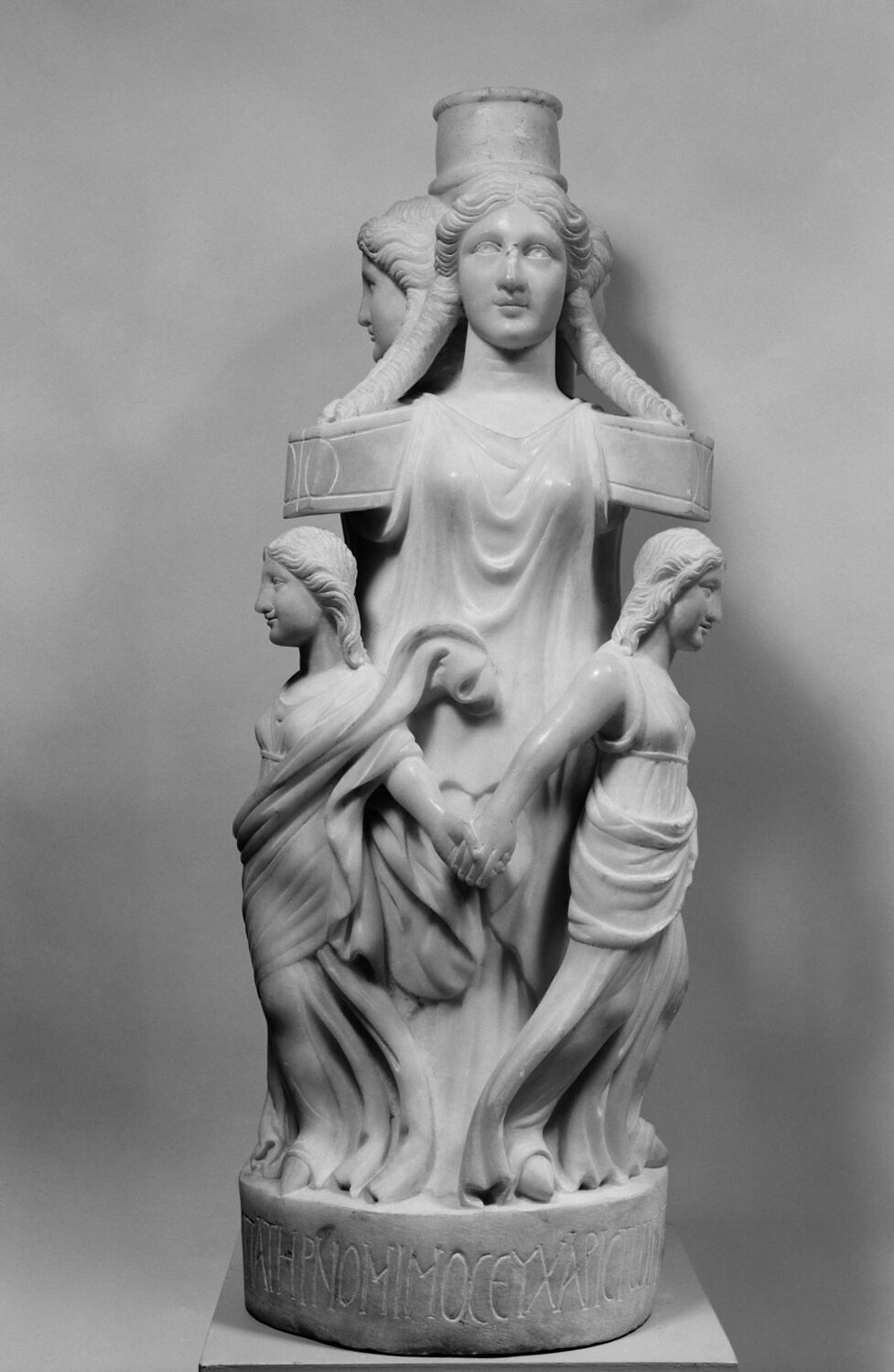
The Hekataion of Sidon, which depicts Hekate in her trimorphic form surrounded by three dancing girls, is the only example found to date in connection with the Mithraic cult.

Around the niche of the Dura Europos Mithraeum fragments of a series of small paintings set in a semicircular band of panels were found.

Around the relief with Mithras as a bullkiller, a number of scenes from the Mithras Iegend have been painted in the Mithraeum of Dura Europos.
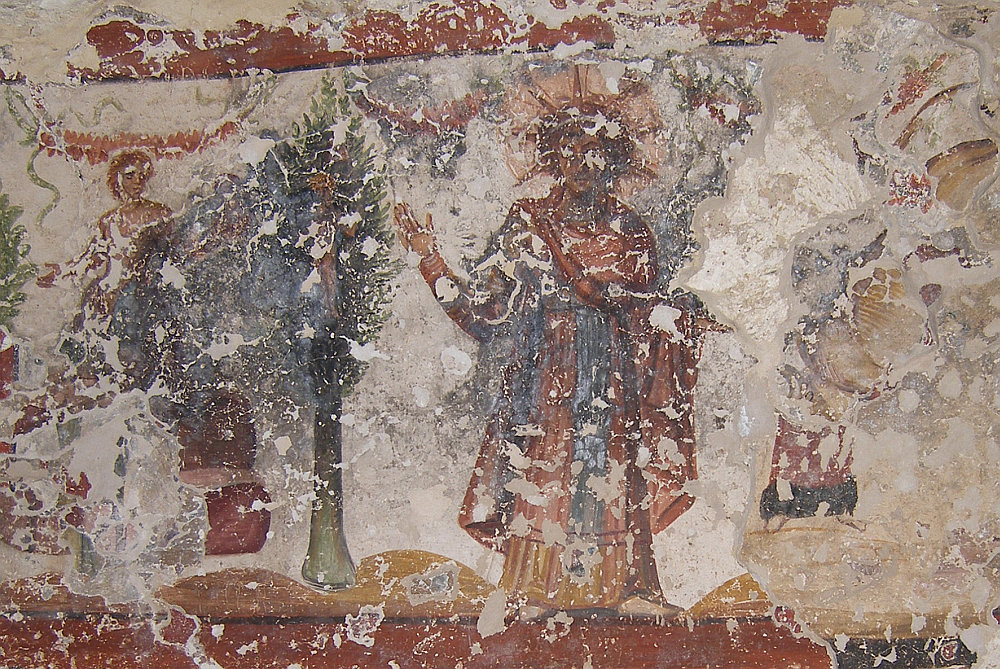
In one of Hawarte’s frescoes, the rock birth of Mithras is preceded by Zeus and followed by the young Persian god suspended from a cypress tree.
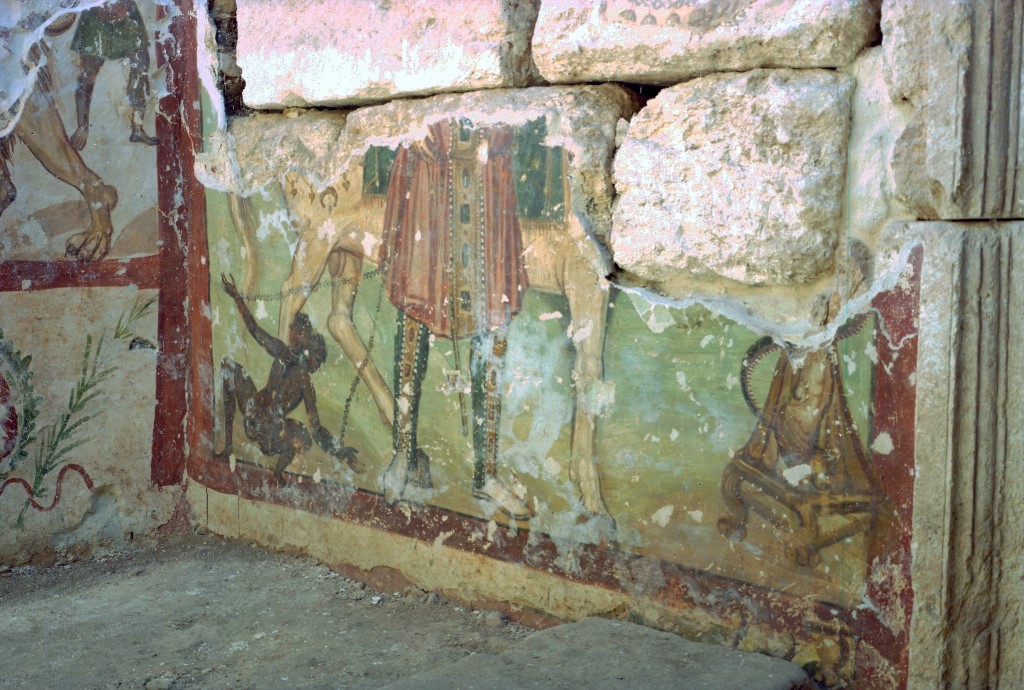
This painting depicts an Iranian knight holding in a chain a black naked figure with two heads.
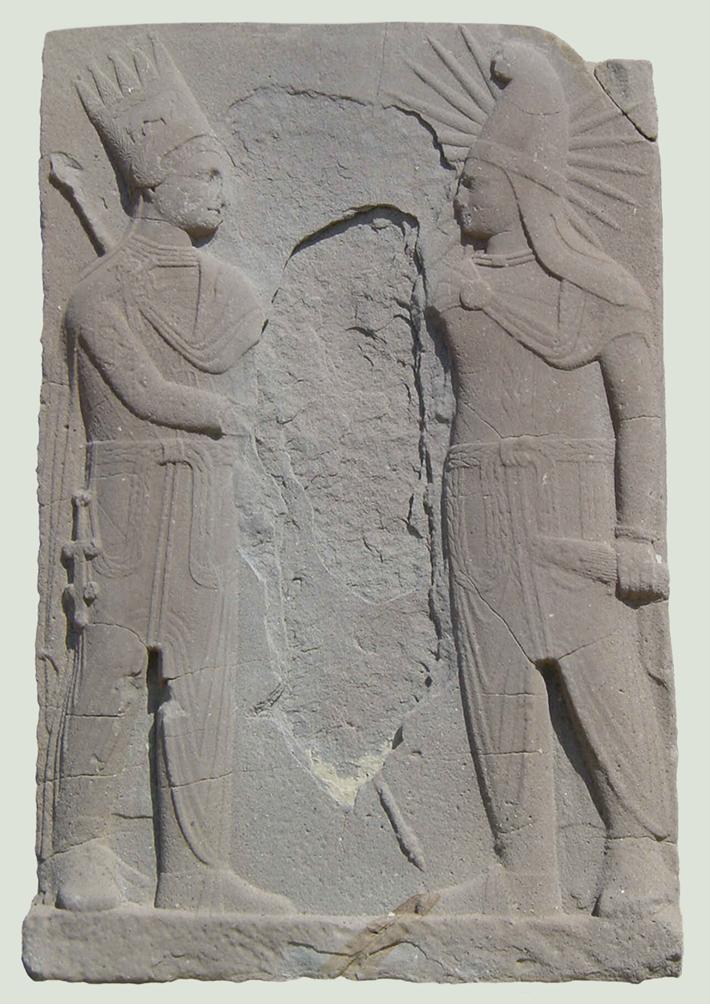
Antiochus I of Commagene shakes Mithras hands in this relief from the Nemrut Dagi temple.
