This site uses cookies to offer you a better browsing experience.
Find out more on how we use cookies in our privacy policy.

 
Monumentum

Greek graffiti from the Dura Europos Mithraeum

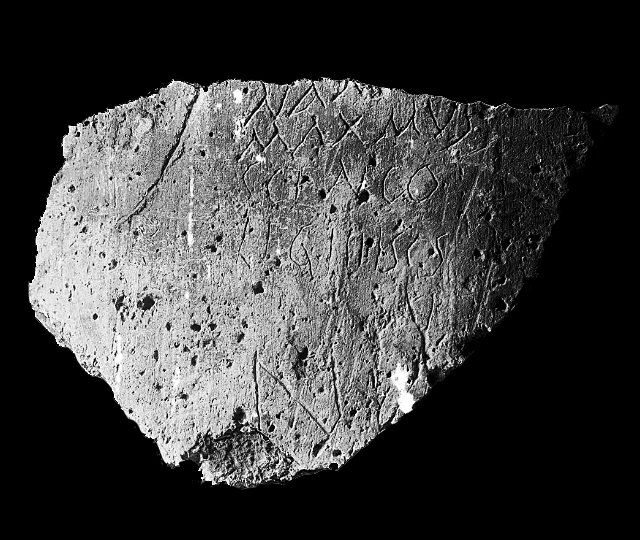
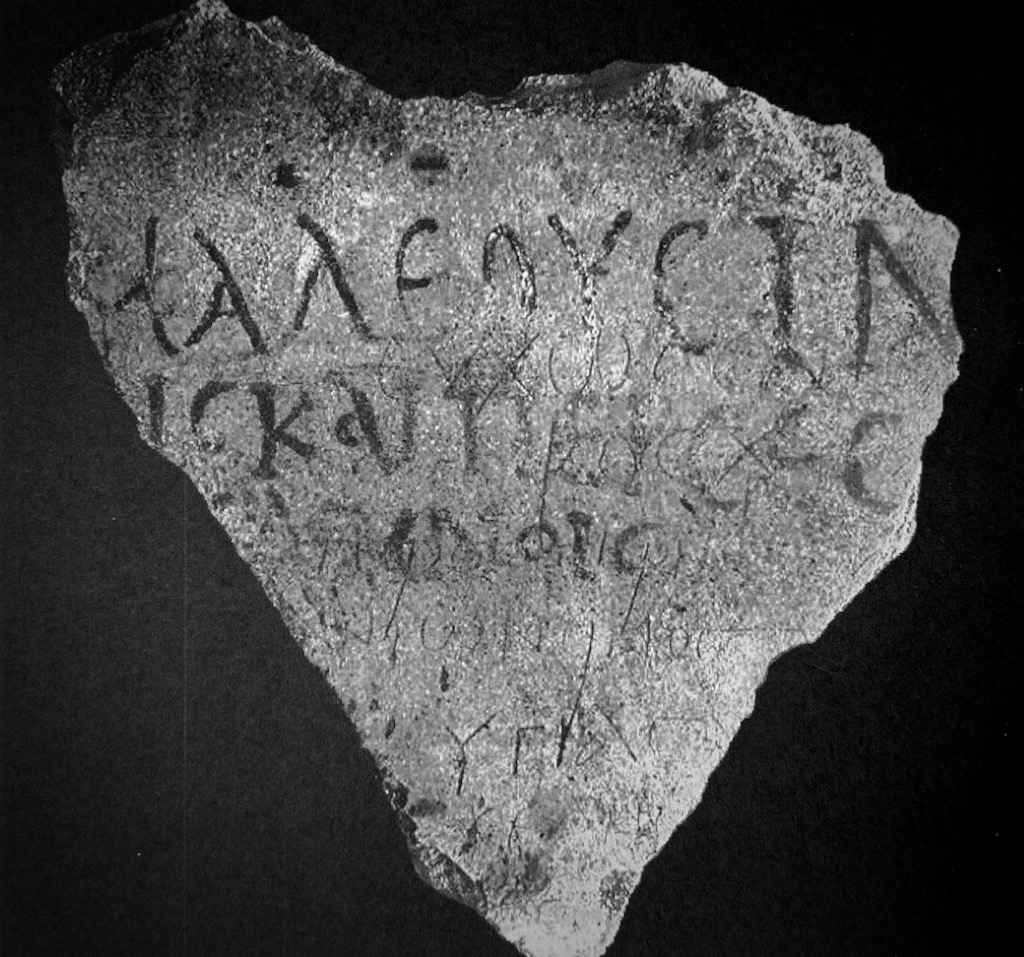
Greek graffiti scratched on wall plaster, recording a list of everyday expenses from Dura-Europos, Roman Syria.
 
The New Mithraeum
26 Jan 2026
Scratched on piece of wall plaster. L.H. 0.015–0.03.
Report, No. 862; Heichelheim, o.c., 207.

χρέας ∗ ι [θ’ υ ς?] / γαρέλει ∗ α’ / χάρτα να’ / ὕδω[ρ] ∗ α’ / χύλα ∗ α’ / δάνα ∗ κη’ υ
ια’ / ∗ να υ ια’.

“meat, den. 19 ass. 17; sauce, den. 1; paper, ass. 1; water, den. 1; wood, den. 1; jar of wine,
den. 28 ass. 11; total, den. 51 ass. 11”.

The full article is reserved for our members.

Log in or create a free account to access the entire site.
Related monuments

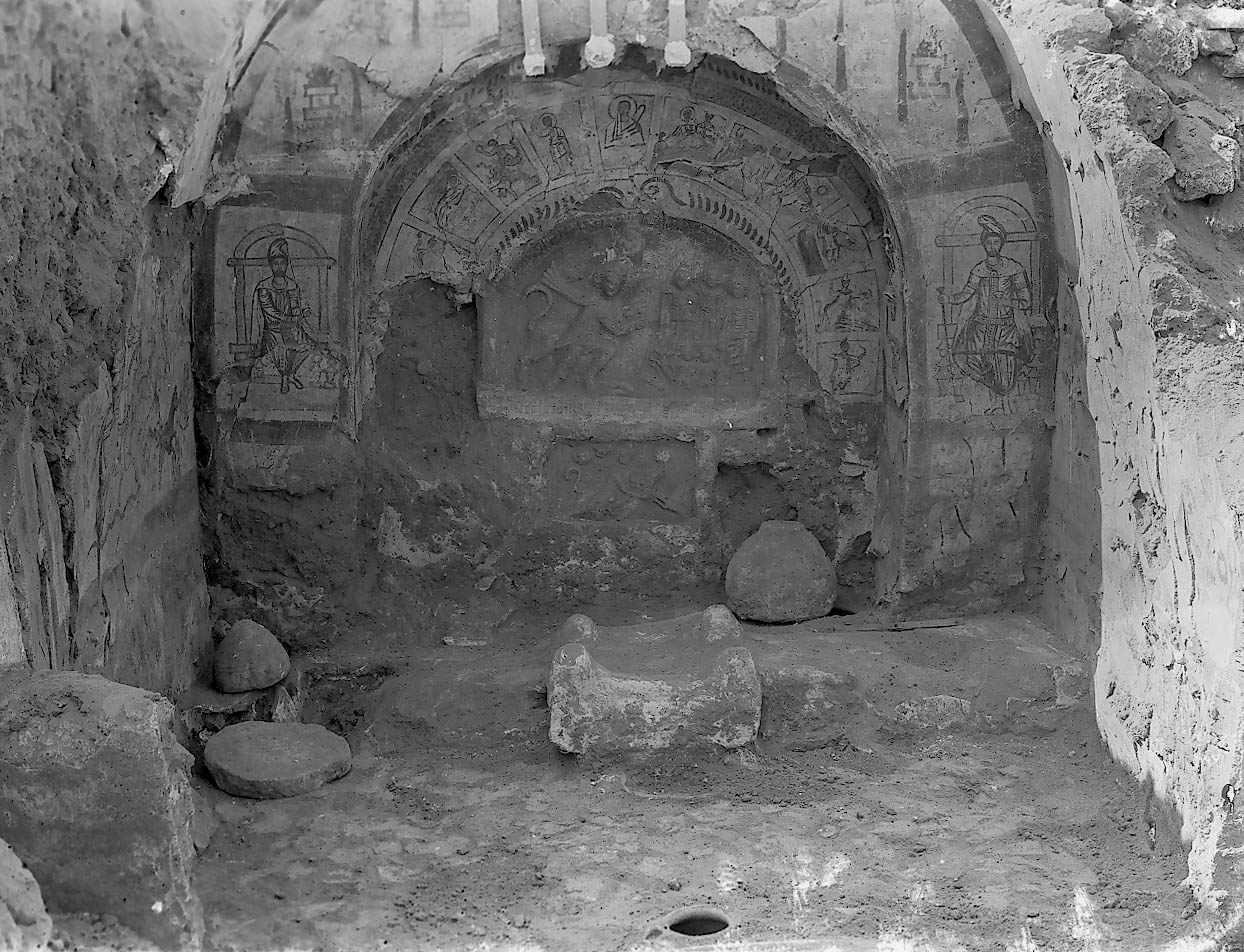
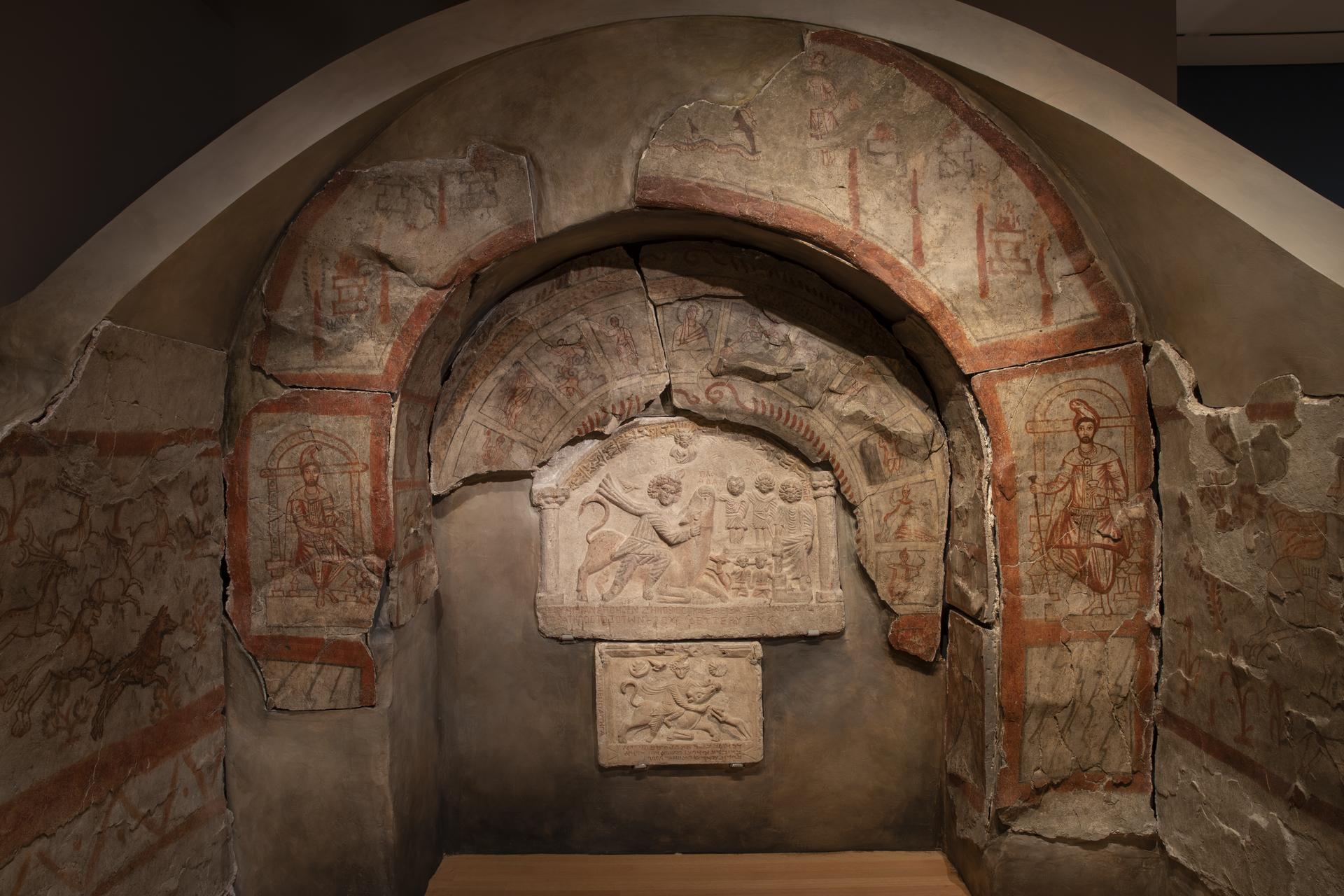
Mithraeum of Dura Europos

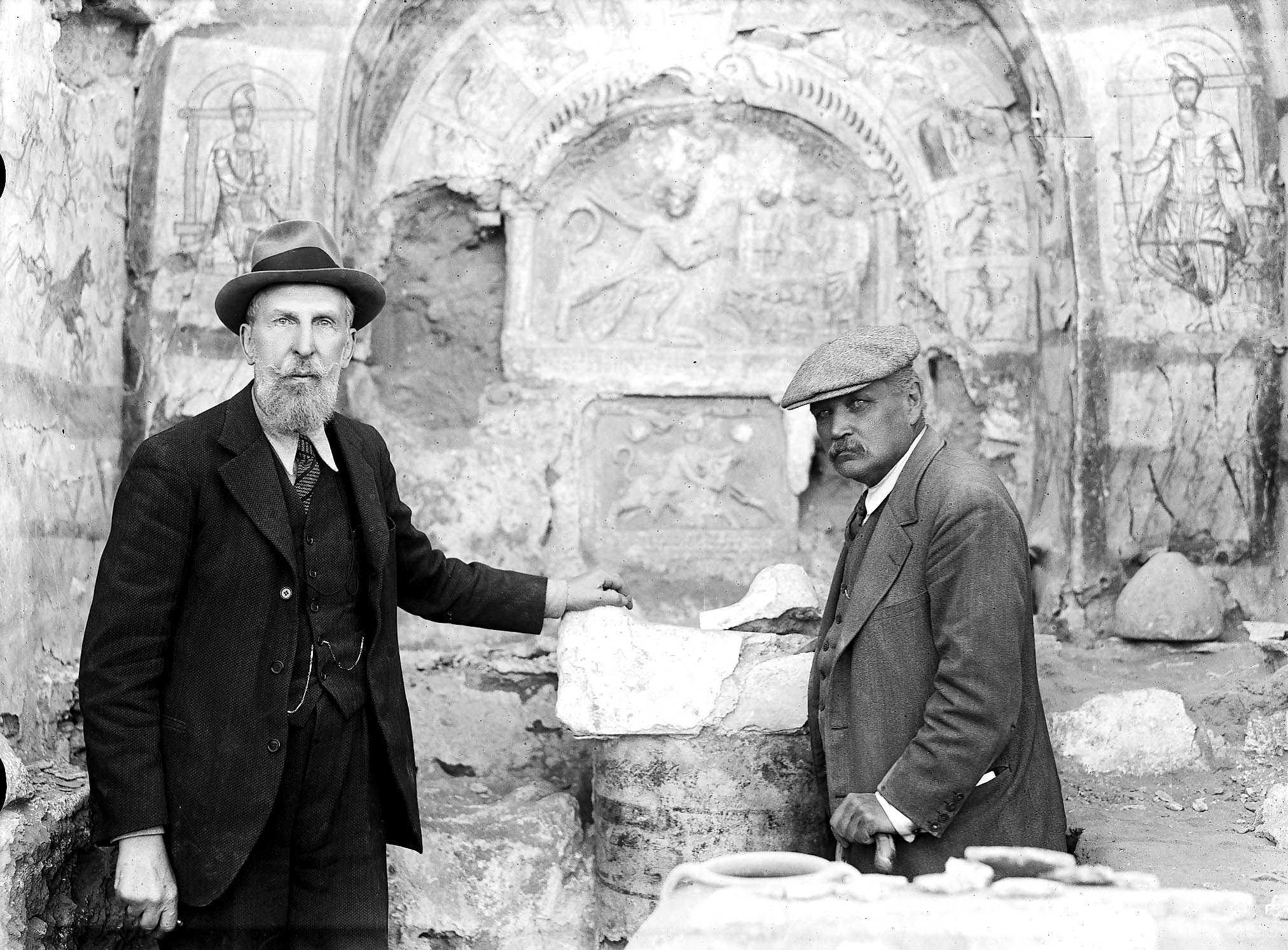
The most emblematic of the Syrian Mithraea was discovered in 1933 by a team led by the Russian historian Mikhaïl Rostovtzeff.

First Tauroctony relief of Dura Europos

One of the reliefs of the Dura Europos tauroctonies includes several characters with their respective names.

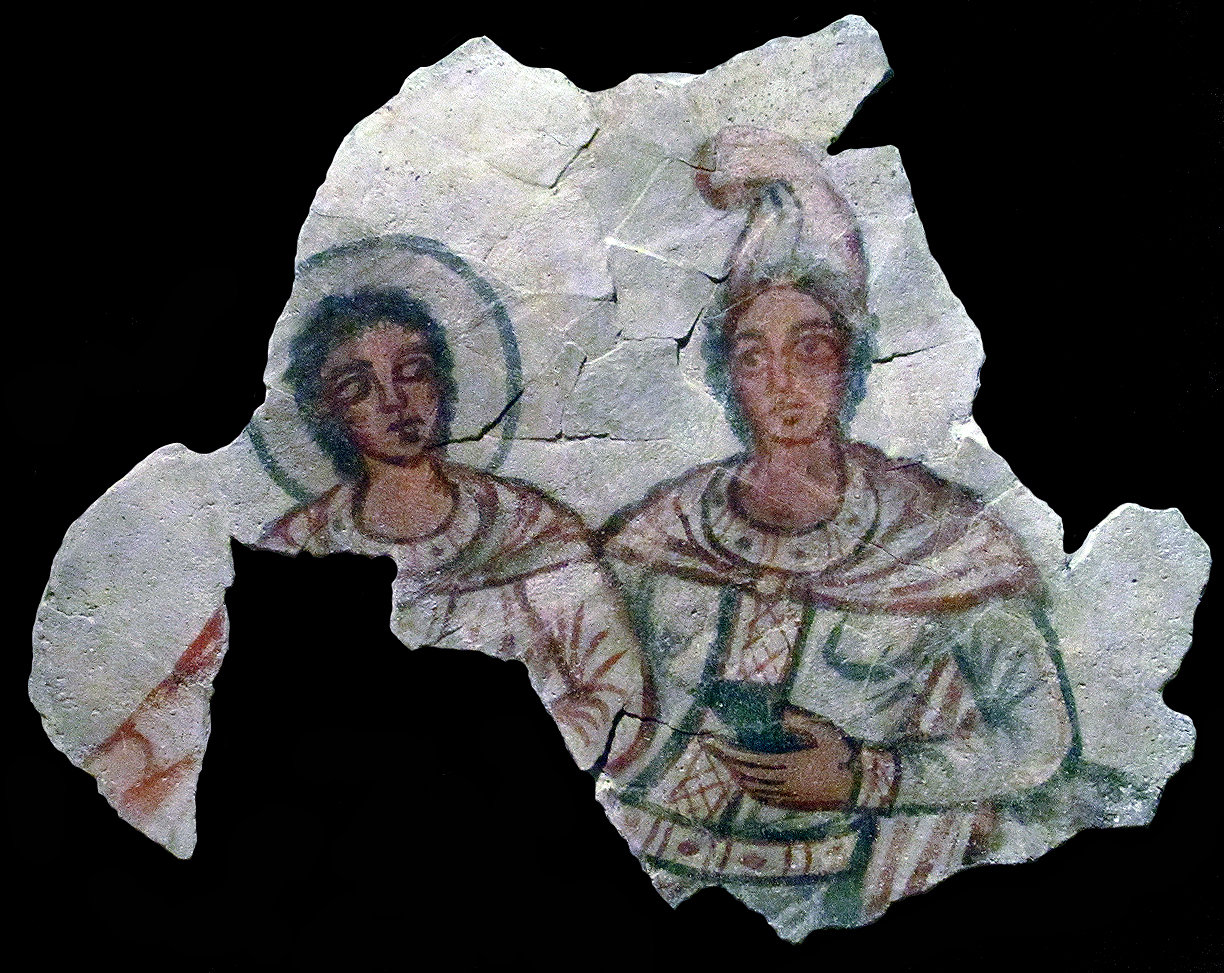
Sol and Mithras fresco of Dura Europos

Sol watches Mithras as he gazes Mithras gazes up to heaven while sharing the sacred meal.

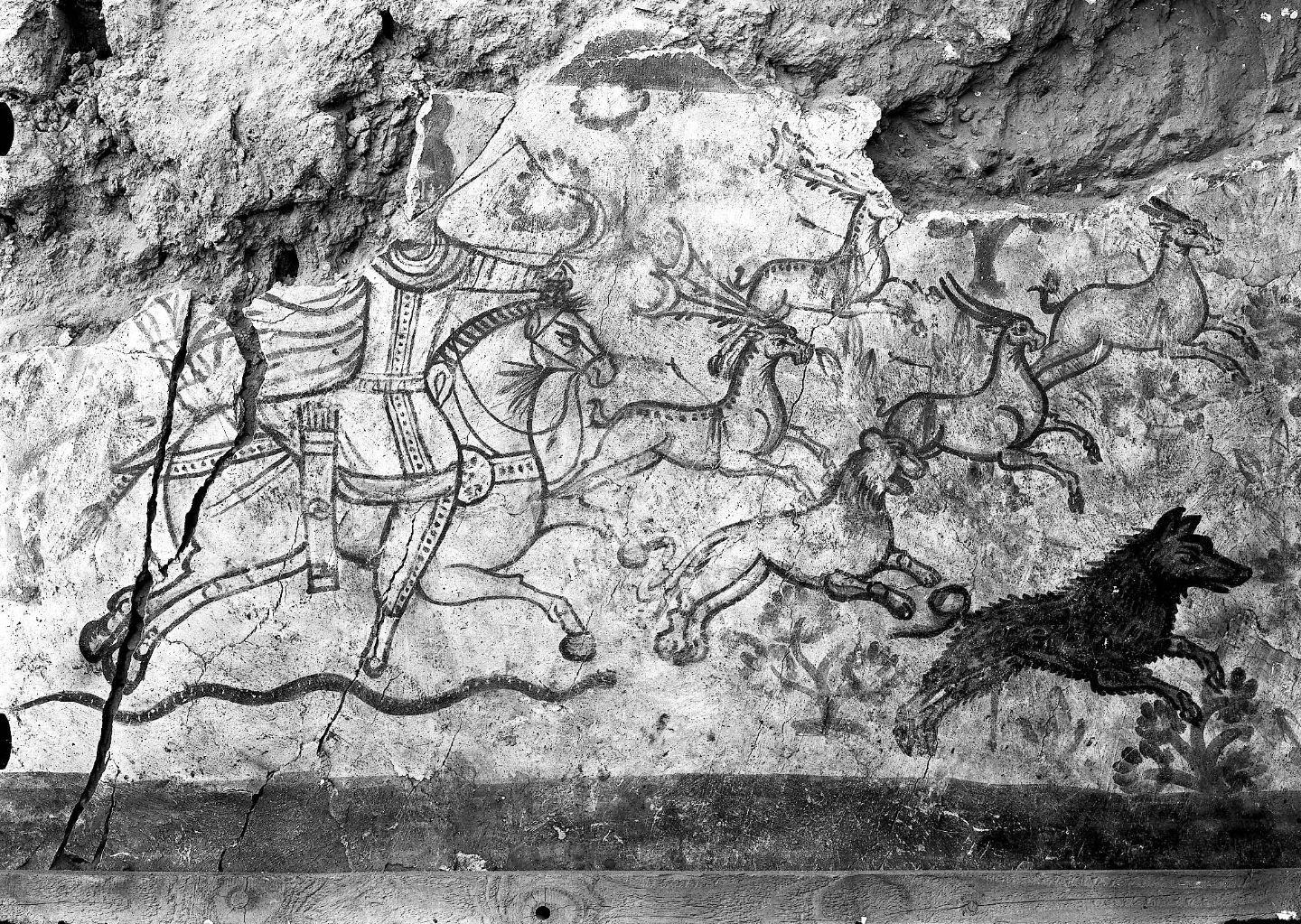
Mithras hunting from Dura Europos

In this fresco from Dura Europos, Mithras is represented as a hunter accompanied by the lion and the serpent.


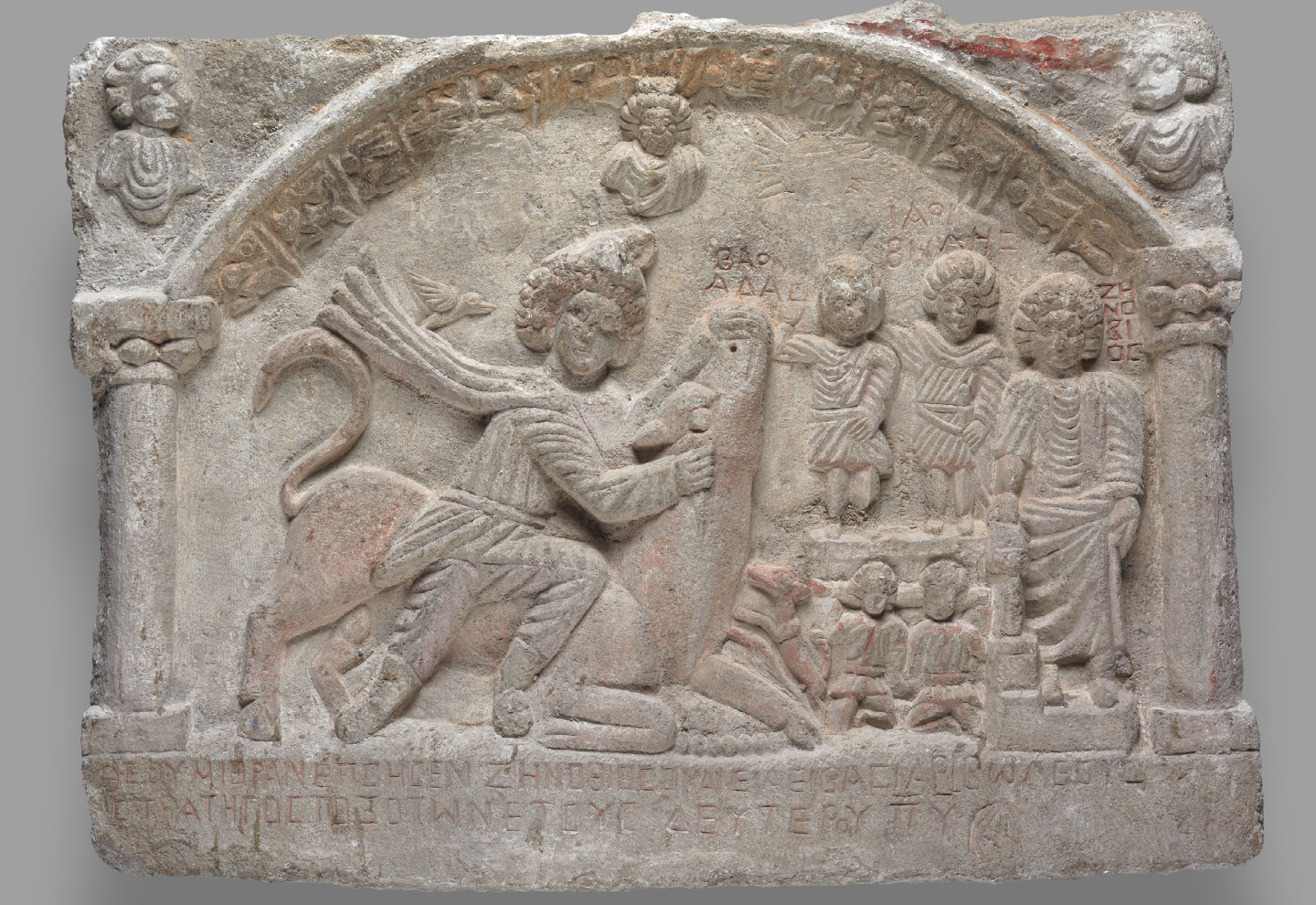
Main Tauroctony relief from Dura Europos

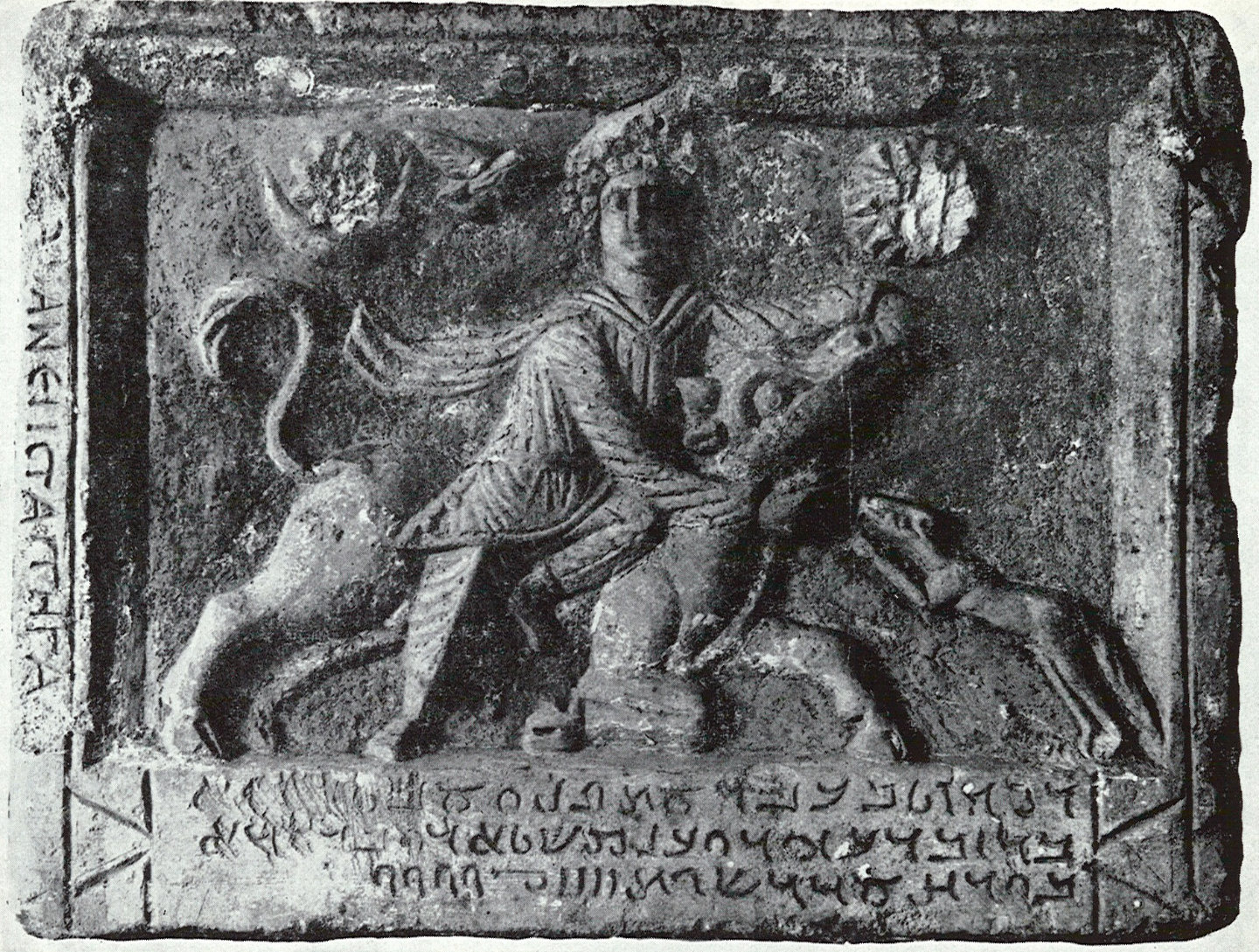
The main relief of Mithras killing the bull from the Mithraeum of Dura Europos includes three persons named Zenobius, Jariboles and Barnaadath.

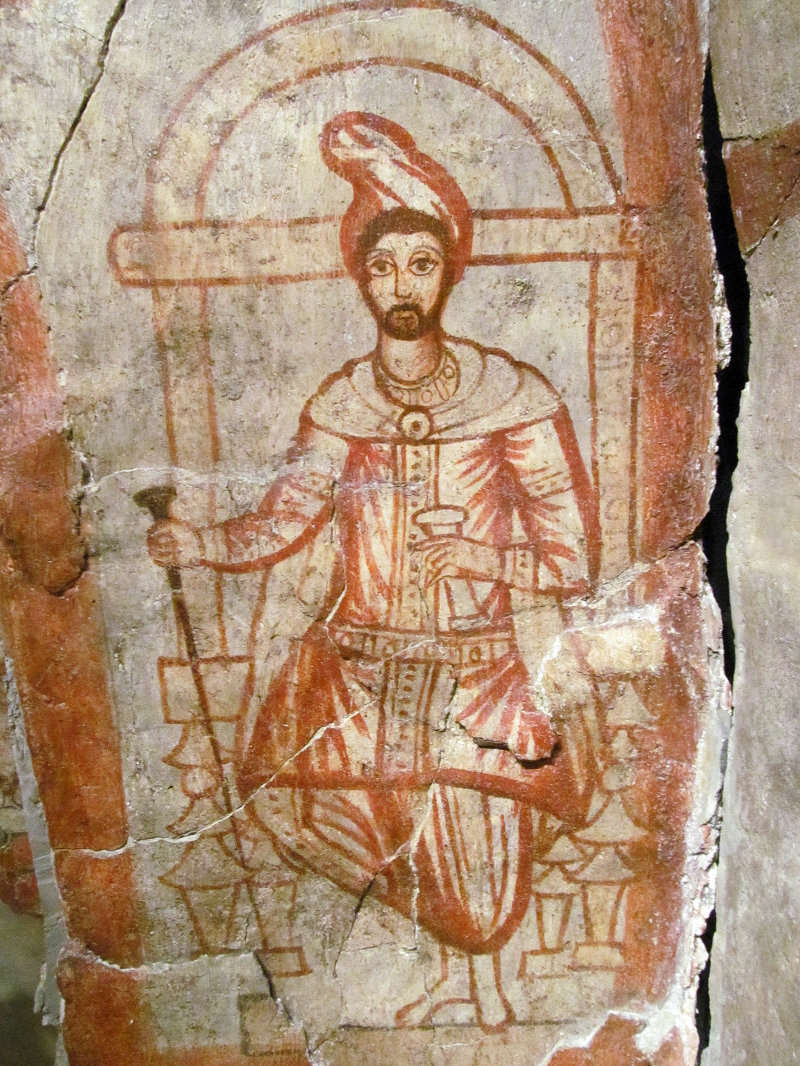
Frescoes of 'Magis' from Dura Europos

Some scholars have speculated that the scrolls both figures hold in their hands represent Eastern doctrines brought to the Western world.

Fresco with tauroctony and seven cypresses

This enigmatic fresco on top of the main tauroctony shows Mithras killing the bull, accompanied by Cautes and Cautopates, surrounded by burning altars and cypress trees.

Inscription on the restoration of the Mithraeum of Dura Europos

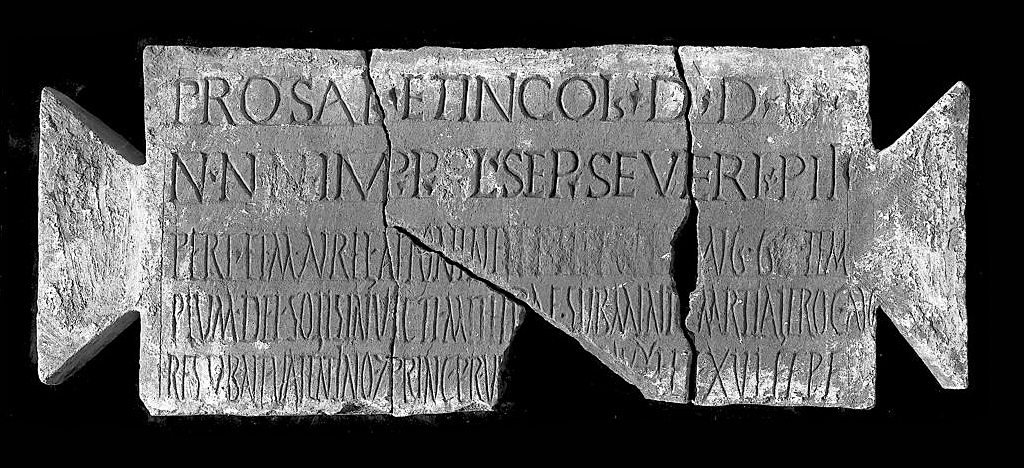
Antonius Valentinus, centurio, made this plaque for the salut des empereurs Septimus Severus and Marcus Aurelius.


Graffiti to Kamerios from Dura Europos Mithraeum

The text mentions a certain Kamerios, described as immaculate miles.

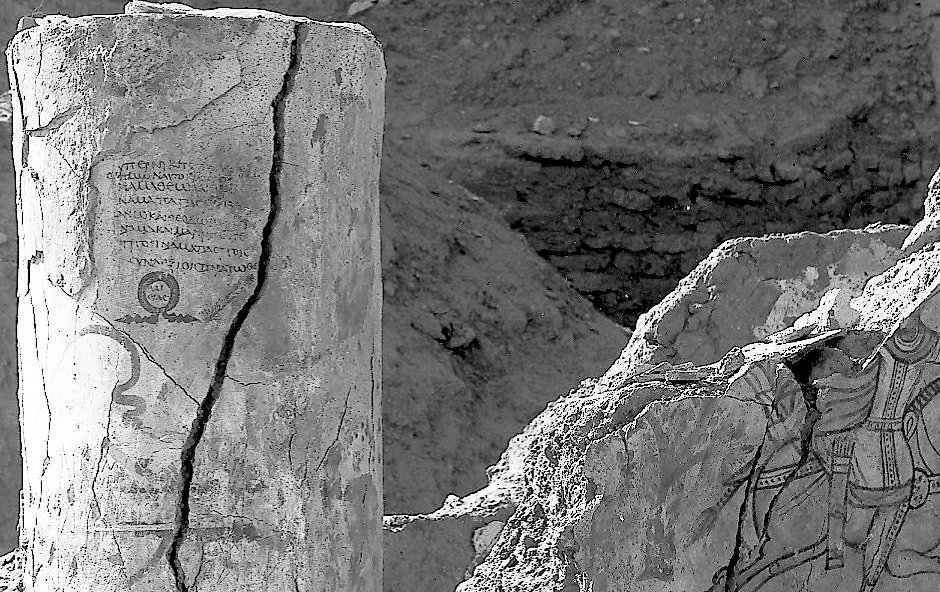
Column with inscription from Dura Europos

The inscription pays homage to the emperor, probably Caracalla, to Mithras, the fathers, the petitor and the syndexioi.

Dipinto in red letters from Dura Europos

This short dipinto pays homage to the Lions and the Persians, the 4th and 5th Mithraic degrees.

Scratched words of Kamerios

'Hail to Kamerios the Pater' can be read on one of the walls of the mithraeum at Dura Europos.


Inscription to Tourmasgade from Dura Europos

This inscription by a certain Ioulianos, found at the entrance to the Dolichenum at Dura Europos, bears an inscription to Zeus Helios Mithras et Tourmasgade.

Altars of Dura Europos

Three plaster altars within the main altar of the Mithraeum of Dura Europos, two of them with traces of fire and cinders.

Engraved column by Maximus of Dura Europos

A certain Maximus from the Legio IV Scythica engraved his name in one of the columns of the Mithraeum of Dura Europos.

Painted scenes from the Mithras legend at Dura Europos

Around the relief with Mithras as a bullkiller, a number of scenes from the Mithras Iegend have been painted in the Mithraeum of Dura Europos.


Zodiac paintings in the Dura-Europos Mithraeum

Painted zodiac signs covering earlier figures in Phrygian cap in the arched niche of the Later Mithraeum of Dura-Europos, Syria, 3rd century A.D.

Large-scale painted heads from Dura-Europos

Fragments of large-scale painted heads belonging to paintings of considerable size, from the Mithraeum of Dura-Europos, Syria, 3rd century A.D.

Painted niche decoration from the Dura Europos Mithraeum

Around the niche of the Dura Europos Mithraeum fragments of a series of small paintings set in a semicircular band of panels were found.

Painted plaster with foliage from Dura-Europos

Fragments of wall plaster decorated with green leaves and tree branches, adhering to the south wall of the Mithraeum of Dura-Europos, Syria.


Figure fragment from the banquet scene at Dura-Europos

Fragment of a figure dressed like Mithras in the banquet scene, found in the rubble of the Mithraeum of Dura-Europos, Syria.

Dipinto of Archelao from Dura-Europos

Painted inscription naming a tribune Archelao, found on a column or wall of the Mithraeum of Dura-Europos, Syria.

Graffito with Nâma salutation from Dura-Europos

Graffito bearing the Mithraic salutation Nâma, engraved on column 1 of the Mithraeum of Dura-Europos, Syria.

Dipinto naming the fathers of Dura-Europos

Painted inscription naming the patres and other initiates of the Mithraeum, above the podium in the south-west corner of the Mithraeum of Dura-Europos, Syria.


Graffito naming Antoninus at Dura-Europos

Engraved Nâma inscription addressed to Antoninus, a pious syndexios, from the Mithraeum of Dura-Europos, Syria.

Graffito naming Maximus magus at Dura-Europos

Engraved inscription naming Maximus as magus, from column 1 of the Mithraeum of Dura-Europos, Syria.

List of Mithraic grades from Dura-Europos

Partial list of Mithraic initiatory grade titles attested in inscriptions from the Mithraeum of Dura-Europos.

Price list from Dura-Europos

Fragmentary Greek graffito from Dura-Europos recording the prices of everyday goods such as wine, meat, wood and lamp wicks.


Graffito with eisodos and exodos at Dura-Europos

Minute engraved inscription with the words eisodos and exodos (entrance and exit), from column 3 of the Mithraeum of Dura-Europos, Syria.

Graffito on the sacred nitre

Greek ritual graffito scratched on wall plaster in the Mithraeum of Dura-Europos, mentioning the “fiery exhalation” and the “sacred nitre” of the Magi.

Wall plaster inscription fragment from Dura-Europos

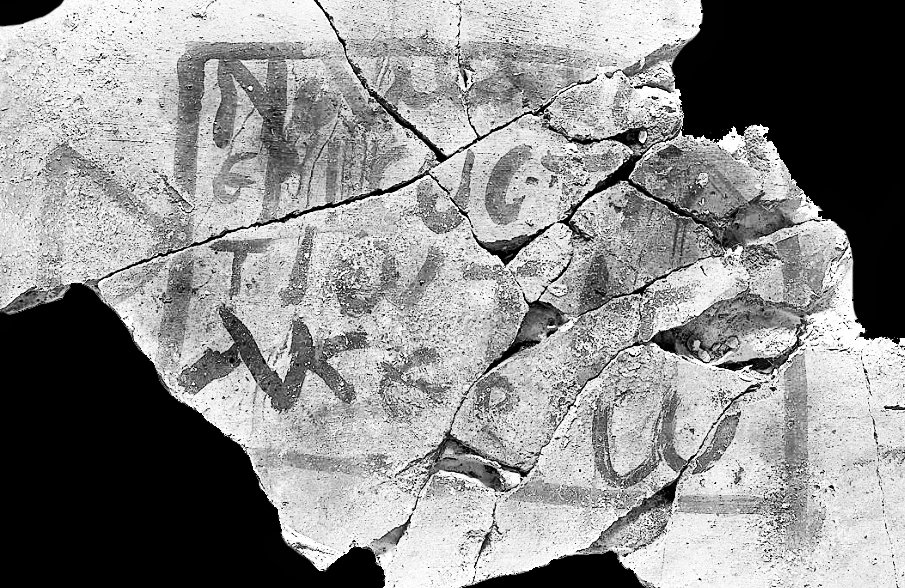
Fragmentary inscription on wall plaster from the Mithraeum of Dura-Europos, Syria, with partially legible text.

Parthian dipinto from Dura-Europos

Painted Parthian inscription on a ceramic sherd possibly referring to Mithras as a bull-slayer.

 
Back to Top