Your search Al-Bahnasa gave 3013 results.

Late Roman senator and governor of Numidia whose inscriptions present him as a Mithraic pater and initiate in several mystery cults.

Small marble relief from the Aventine showing a primitive representation of Mithras slaying the bull, without torchbearers or Sol and Luna.
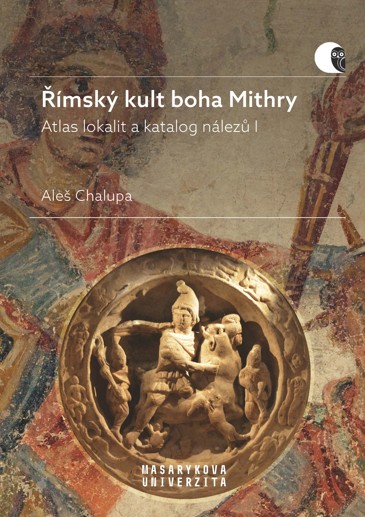
A comprehensive and critically updated catalogue of Mithraic sites, monuments and artefacts across the Roman world, incorporating both accepted and disputed evidence while reassessing decades of scholarship in light of recent research.
Altar of Varia Severa from Mediolanum, modern Milan, one of the few women associated with a possible Mithraic dedication.
Marble cap mentioned by Visconti, subsequently identified as certainly belonging to the finds of the Mitreo degli Animali rather than the Mitreo del Palazzo Imperiale, Ostia.
Marble head of Helios-Mithras with curly hair and seven holes for fastening rays, from the Mitreo degli Animali at Ostia, Lateran Museum.

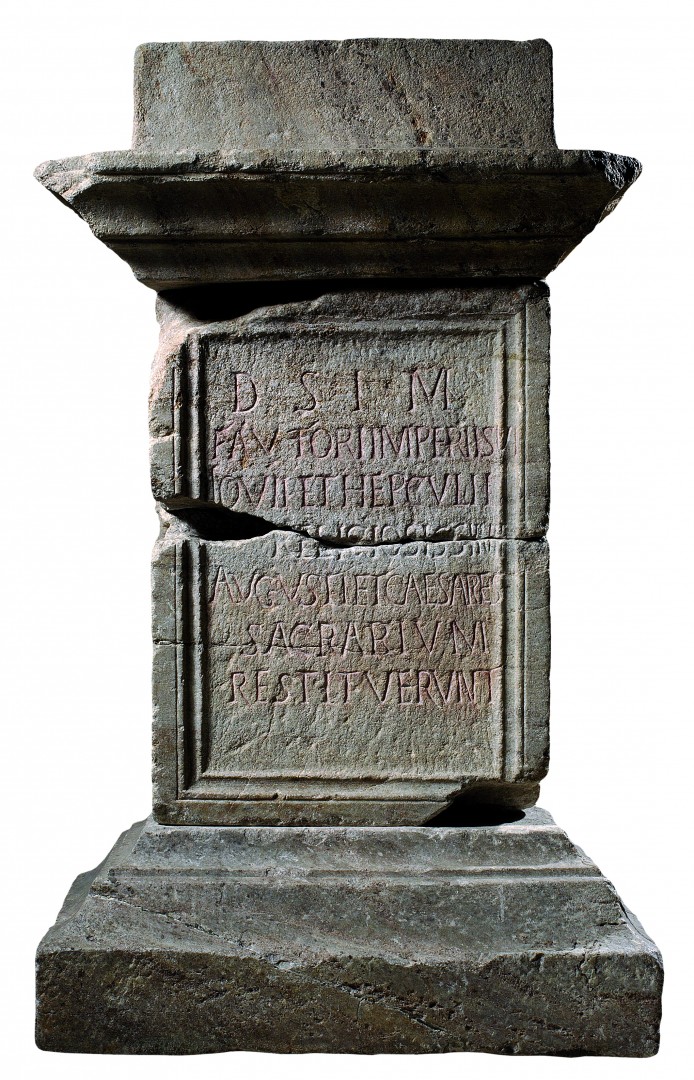
Altar with Cautes and Cautopates dedicated to Sol Invictus Mithras as protector of the Tetrarchy in 3rd-century Carnuntum.

Member of a Mithraic community at Stockstadt who dedicated altars to Cautes and Cautopates.

This altar from Grumentum in Lucania was dedicated to Sol Invictus Mithras by Titus Flavius Saturninus, an evocatus in imperial service.
This sandstone altar from the Mithraeum of Vindobala (modern Rudchester) preserves a dedication to the Invincible Mithras by P. Aelius Titullus, prefect of a cohort.
A decorated altar from the Mithraeum at Vindobala (modern Rudchester), with the letters DEO crowned with vittae on the shaft, surrounded by palm-branches, a representation of Mithras' rock-birth on the capital, and on the front of the die a naked figure grasping a bull's horns…
A small limestone votive altar from Pola (modern Pula) bearing on its front face a damaged relief head of a youthful Sol with long curly hair, above which is carved the inscription Soli and below the dedicatory text by Atticus (No. 757).

Camuni refers to the ancient people and territory of Val Camonica in northern Italy.
The findspot of this monument is unknown, though it has traditionally been associated with the historical region of Wallachia.
The vicus Altiajensium formed part of the civilian settlement network associated with the Rhine frontier.
Allmendingen near Thun occupies a strategic position between the Swiss plateau and Alpine communications routes.
The identification of Tavalicavo remains uncertain, though it appears connected with the Balkan interior.
The designation Prope Apulum refers to discoveries made in the vicinity of Apulum within the wider archaeological landscape of central Dacia.
