Your search Al. N. Oikonomides gave 2993 results.
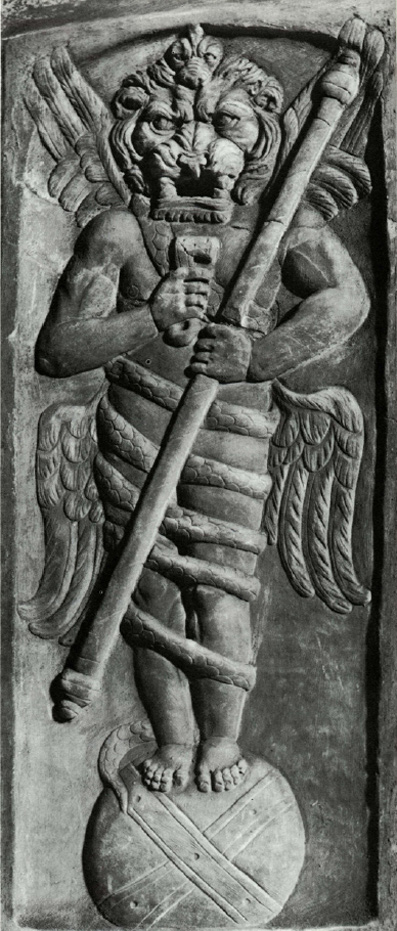
The lion-headed god is standing on a globe encicled by two crossed bands on which five pearls.
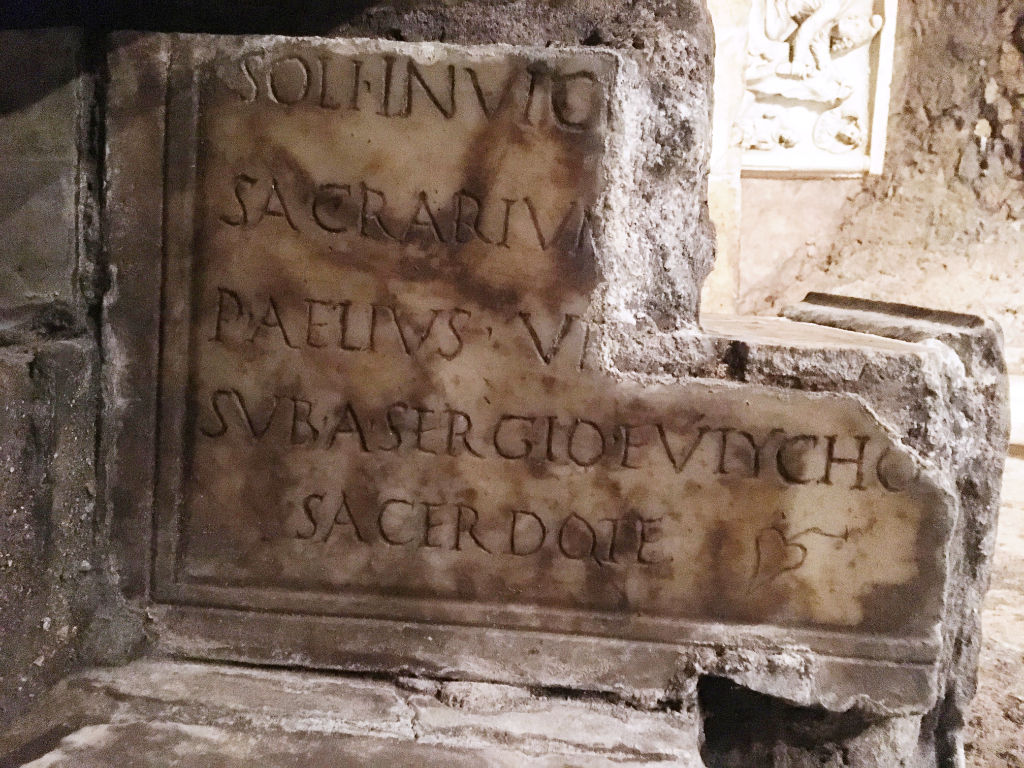
The Mithraic fellow P. Aelius Urbanus mentions that he built the sacred area of the Mithraeum Circo Massimo.
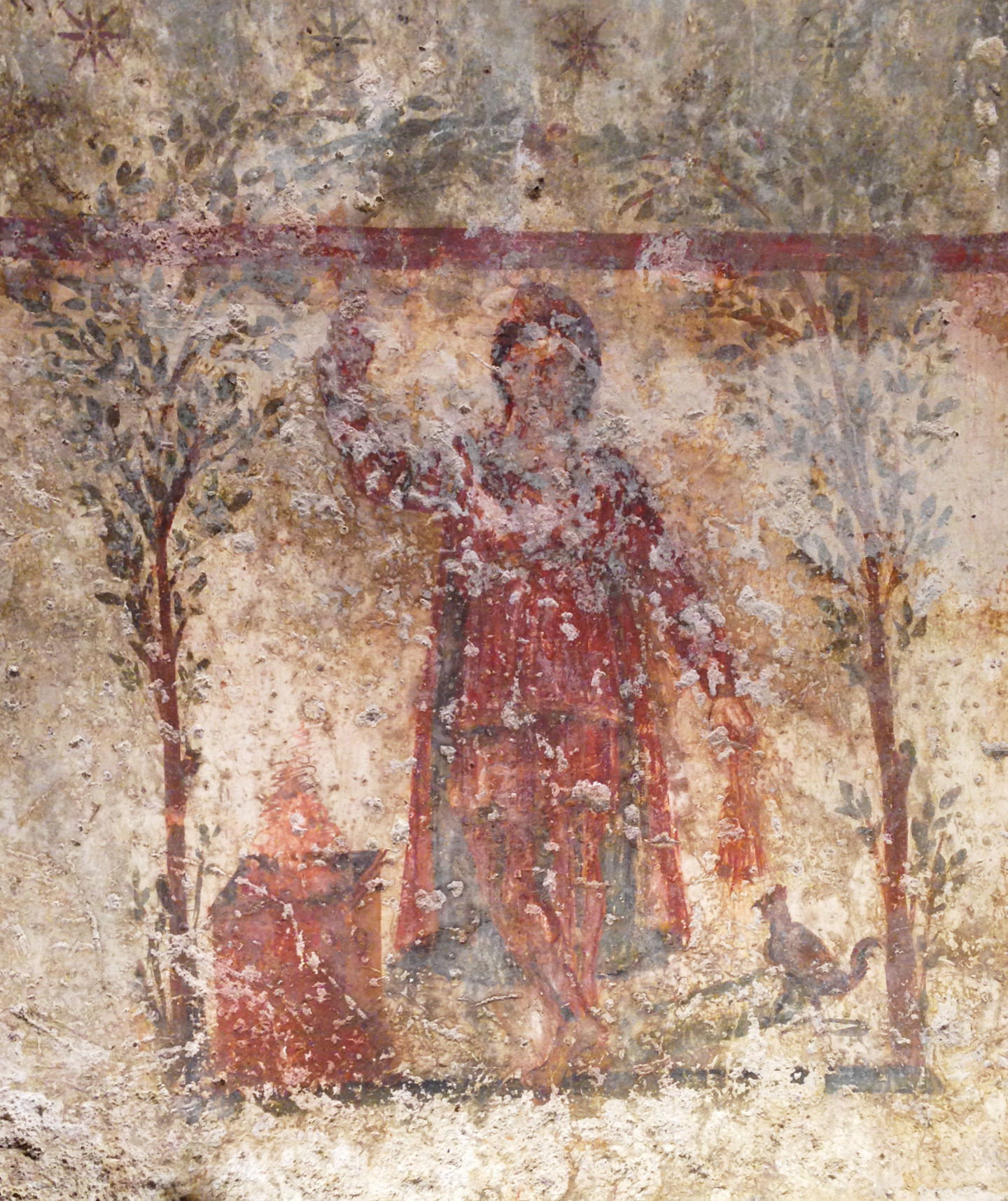
In the Mithraeum of S. Capua Veteres, Cautes stands between two laurel trees.
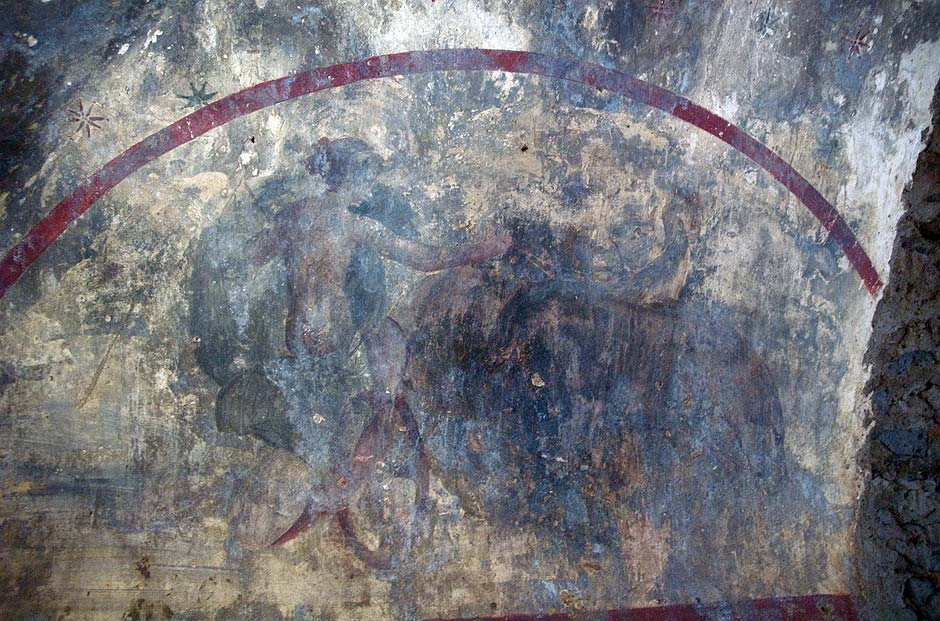
Luna riding a biga in the Mithraeum of Santa Capua Vetere.

Fresco depicting an initiation scene from the Mithraeum of Capua Vetere.
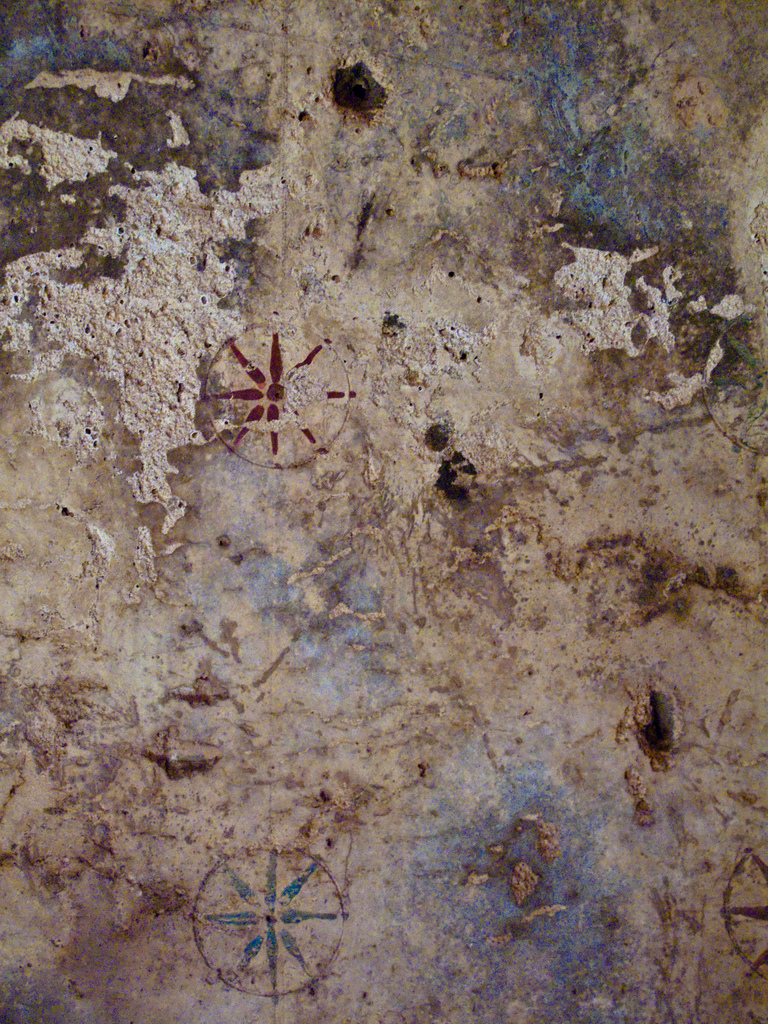
The vault of the Mithraeum in S. Capua Vetere is decorated with stars that have holes in their centers, which once held colorful glass decorations.
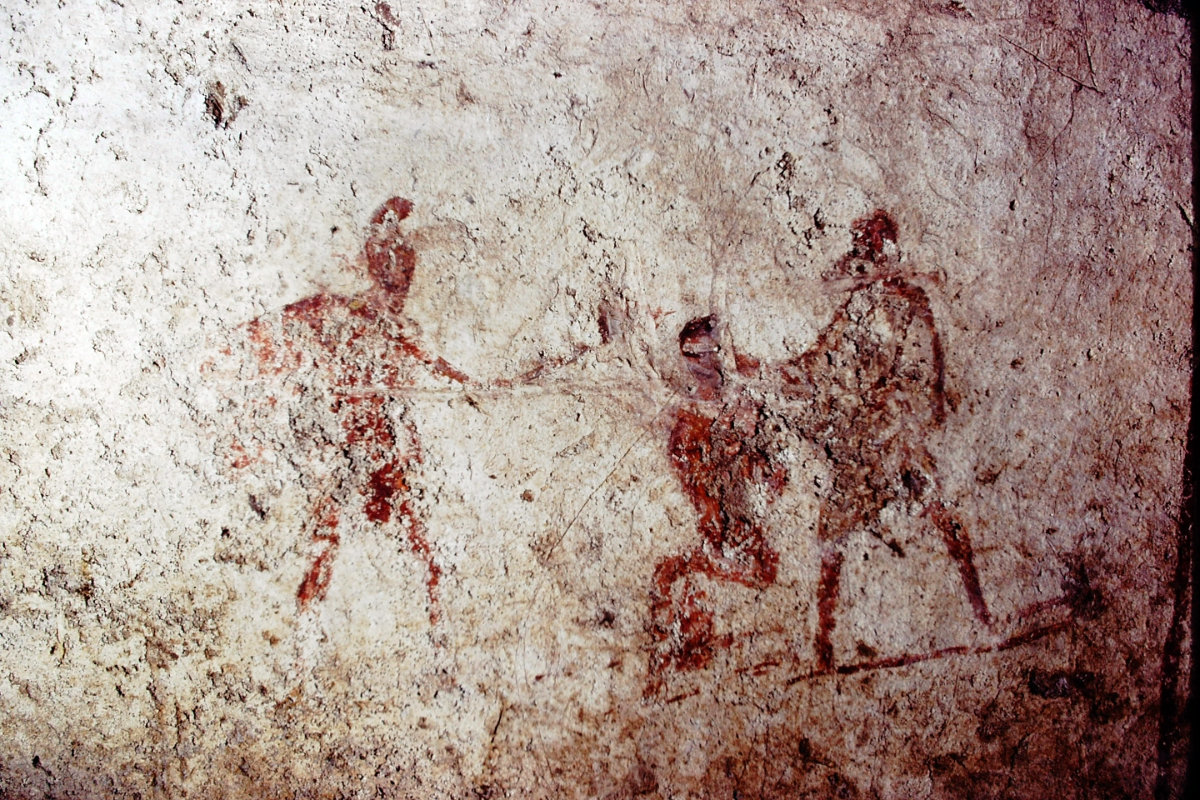
Fresco showing a scene of initiation into the mysteries of Mithras in the Mithraeum of Santa Maria Capua Vetere.
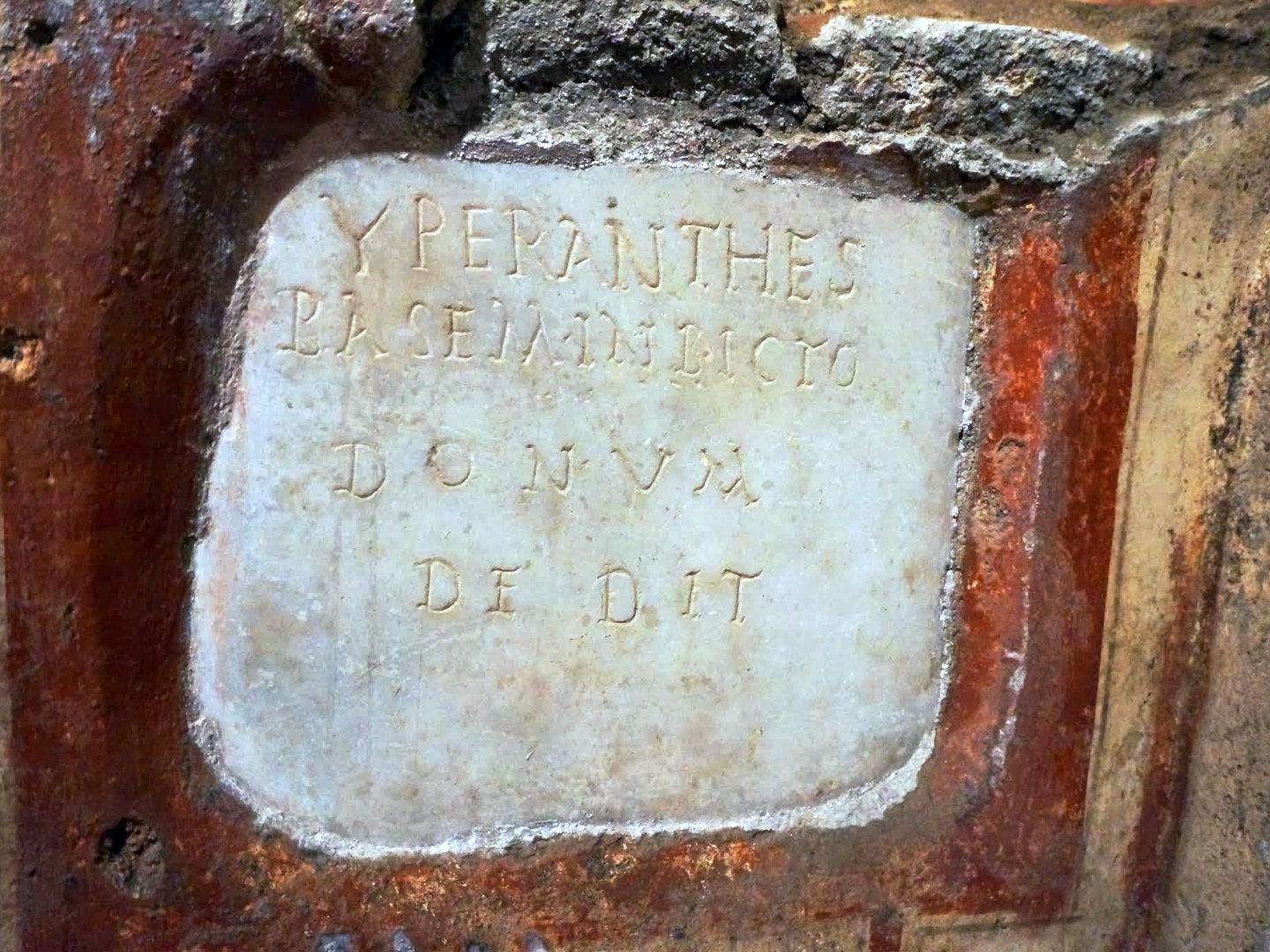
The inscription mentions the name of the donor, Yperanthes, of Persian origin.
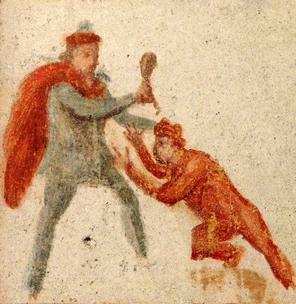
This scene of the main fresco of the Mithraeum Barberini seems to depict part of the initiation into the Mithraic Mysteries.

Continuation of the frescoes depicting an initiation into the Mithras cult, where two attendants present a repast to Mithras and Sol.
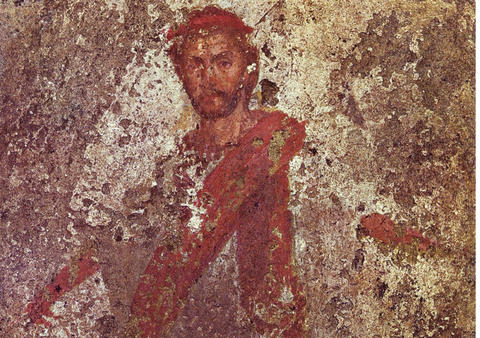
Figures in procession, each representing a different grade of Mithraic initiation, labeled with their respective titles.
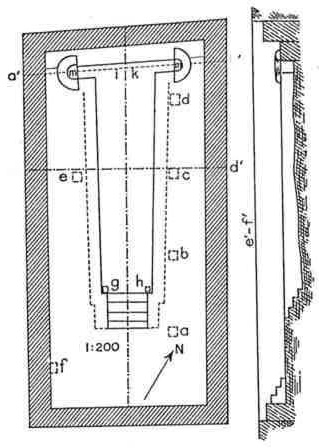
Mithraeum discovered in 1887–1888, located about 85 m north of the castellum at Ober-Florstadt, built on a hillside with a central aisle, benches, and an altar podium.
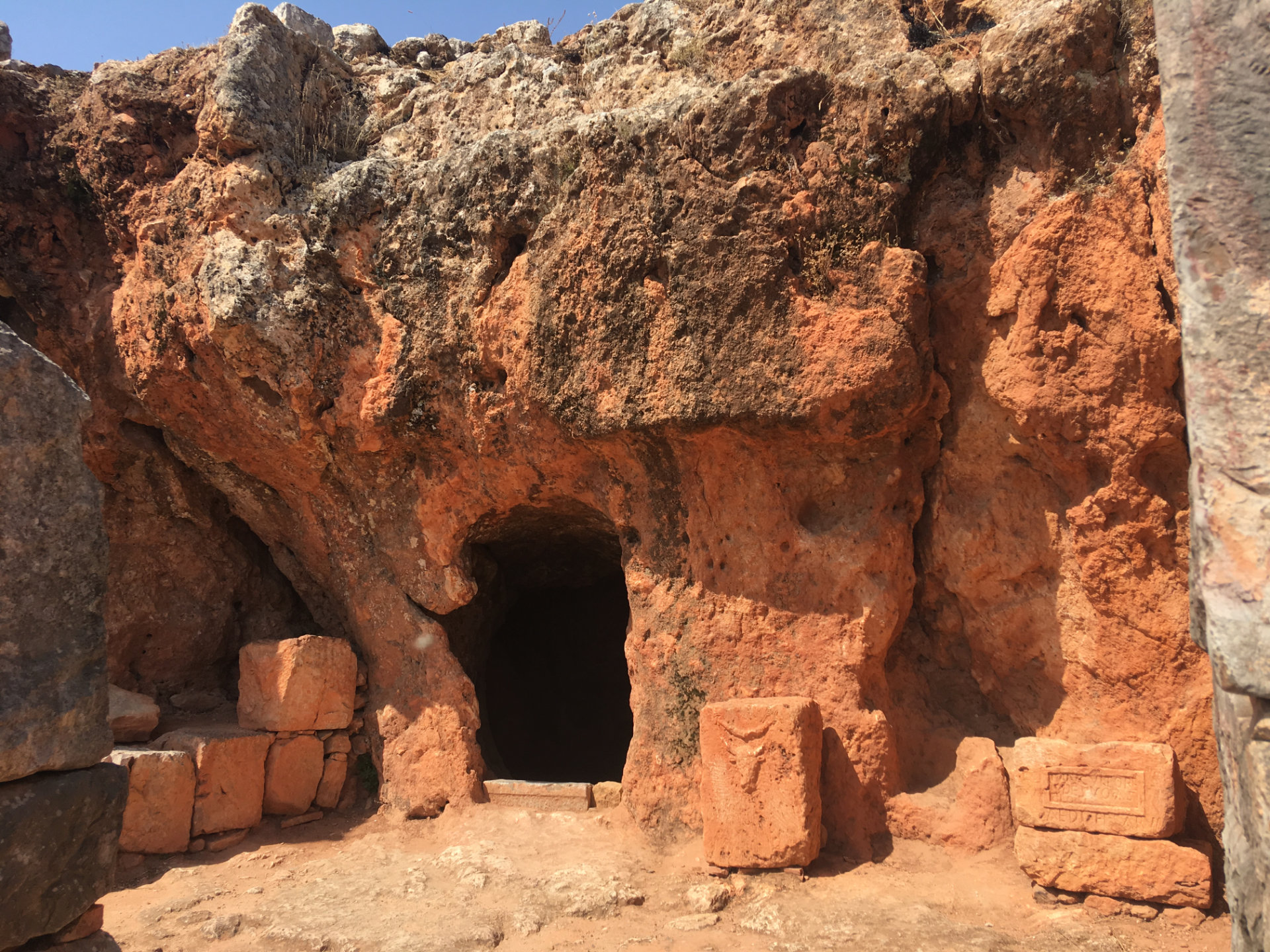
The Mithraeum was housed in a cave. The vault is almost dome-shaped and in front of the cave there is enough space for a possible adjacent temple.
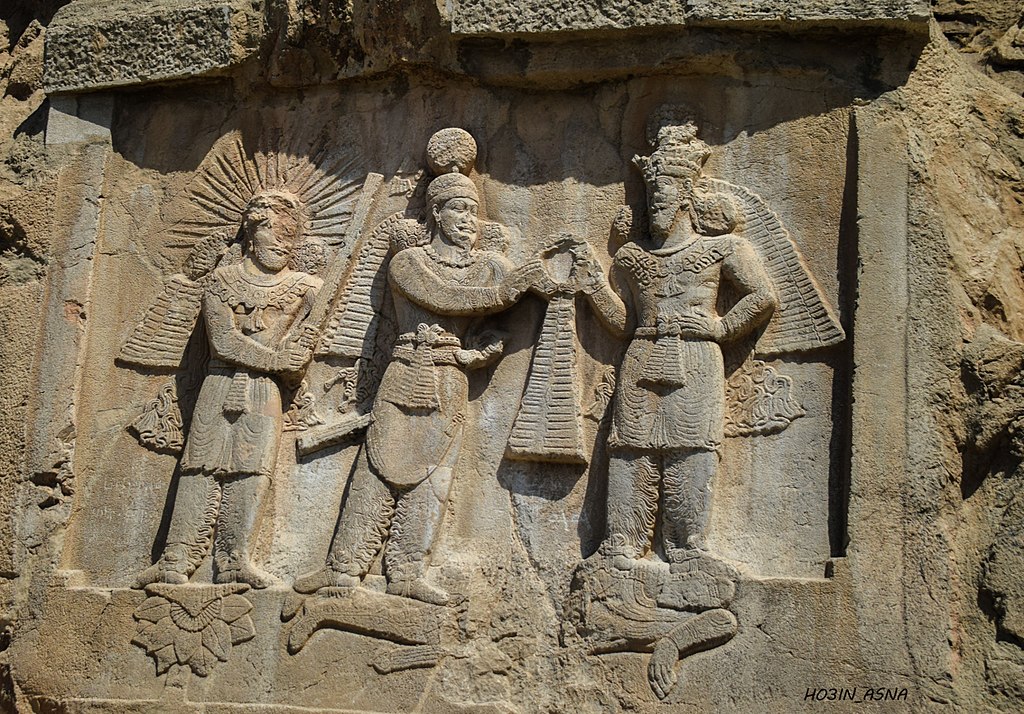
This monument depicts Mihr/Mithras watching over the transition of power from Shapur II to Ardashir II, which took place in 379.
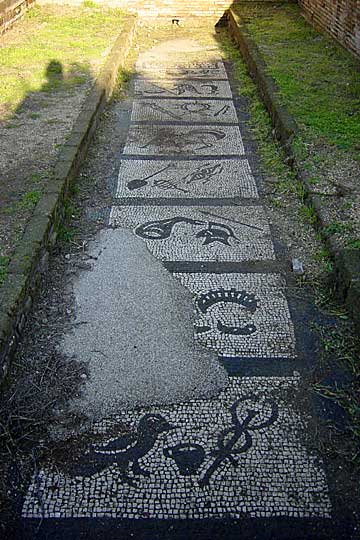
The Felicissimo Mithraeum has a floor mosaic depicting the seven mithraic grades.

I live in Portland Oregon and spend my time designing and crafting masks, fabrics and regalia for ritual spaces and seasonal processions.
Lenni is the author of The Rites of Hekate and has written and been published extensively on Hekatean practice exploring the goddess’s many faces. She also writes and works with what she calls “dark botanicals”, cultivating two distinct moon gardens

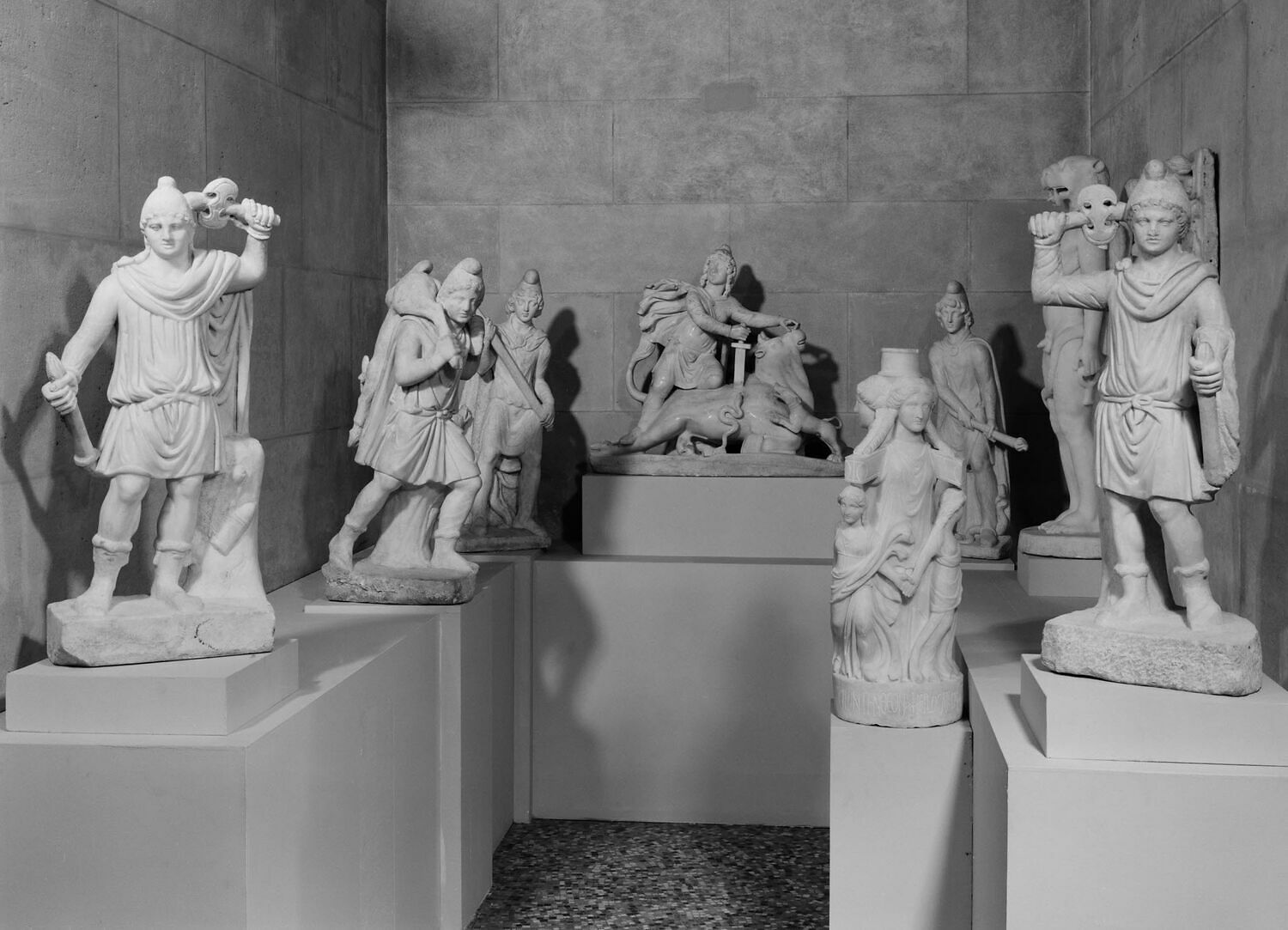
The Mithraeum of Sidon may have escaped destruction because the Mithras worshippers walled up the entrance to the underground sanctuary.
