Your search Al. N. Oikonomides gave 2993 results.
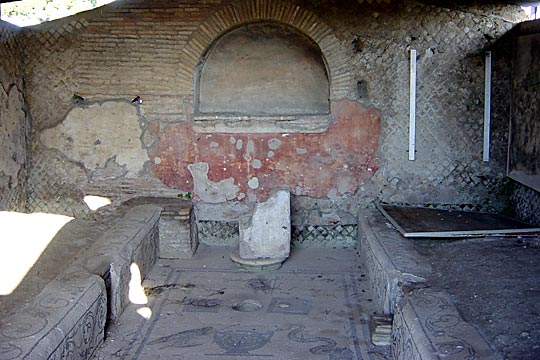
The name of the Mithraeum of the Seven Gates refers to the doors depicted in the mosaic that decorates the floor, symbolising the seven planets through which the souls of the initiates have to pass.

The Mithras temple of Prilep is in a small grotto under the castle of Markovi-Kuli.
The Mithraeum of Slaveni was discovered in 1837 on the right bank of the river Olt, in Romanati district.
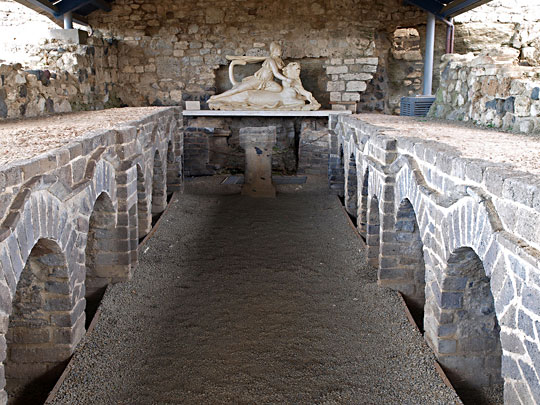
The Mithraeum of Vulci is remarkable because of his high benches and the arches below them.
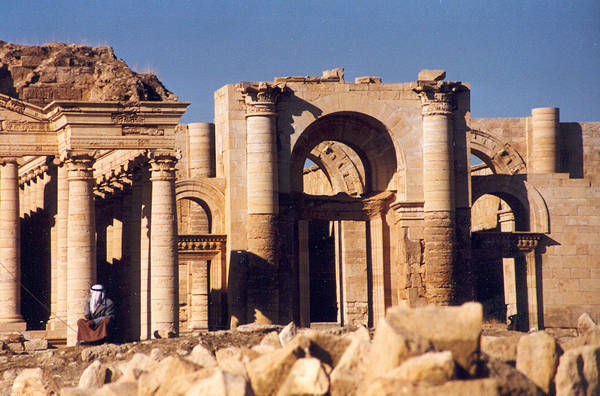
The city of Hatra was famed for its fusion of several civilization cults, which several temples devoted to gods from all Indo-European world.
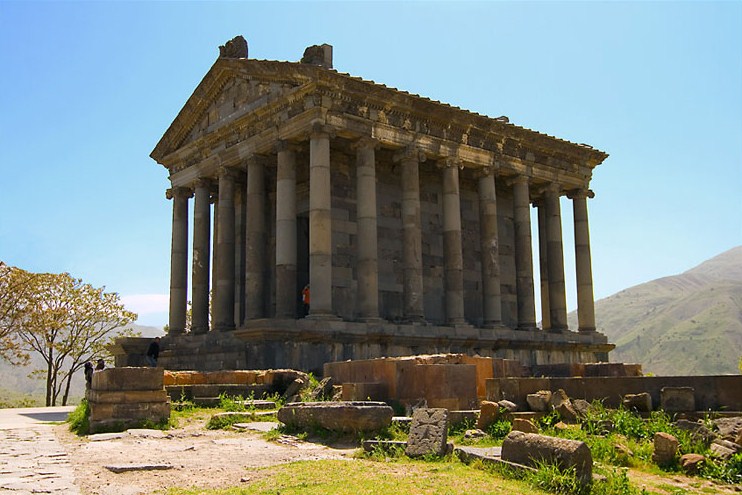
After Christianity was adopted, most pagan monuments were destroyed or abandoned. Garni, however, was preserved at the request of the sister of King Tiridates II and used as a summer residence for Armenian royalty.
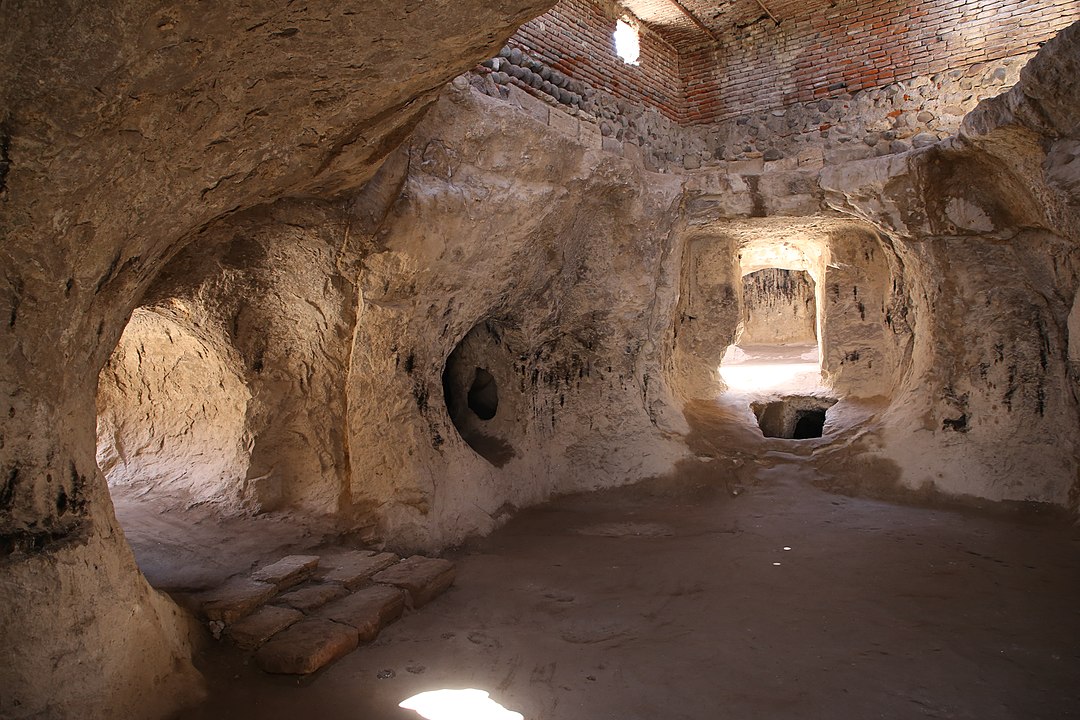
The Mithra Temple of Maragheh, also referred to as the Mithra Temple of Verjuy or simply Mehr Temple, is the oldest surviving Mithraic temple in Iran known to date.
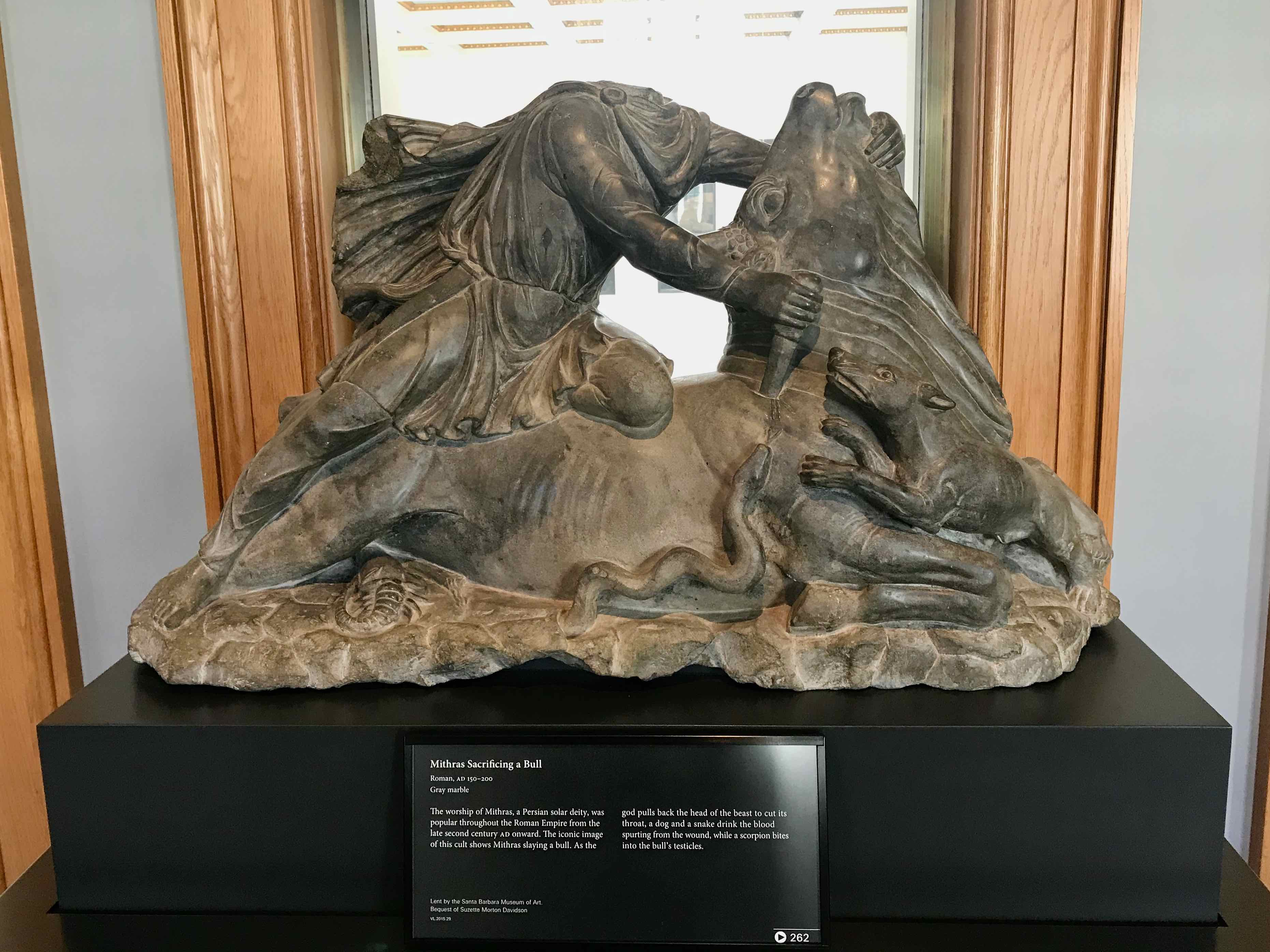
Tauroctony in black marble on display at the Santa Barbara Museum of Art, California.
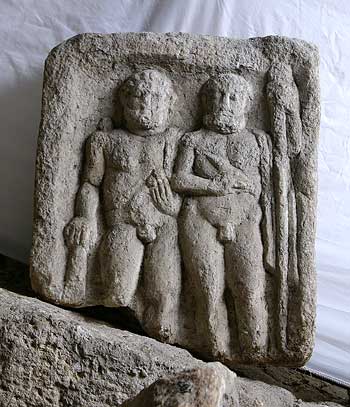
This marble relief was found in a Mithraeum in Ptuj.
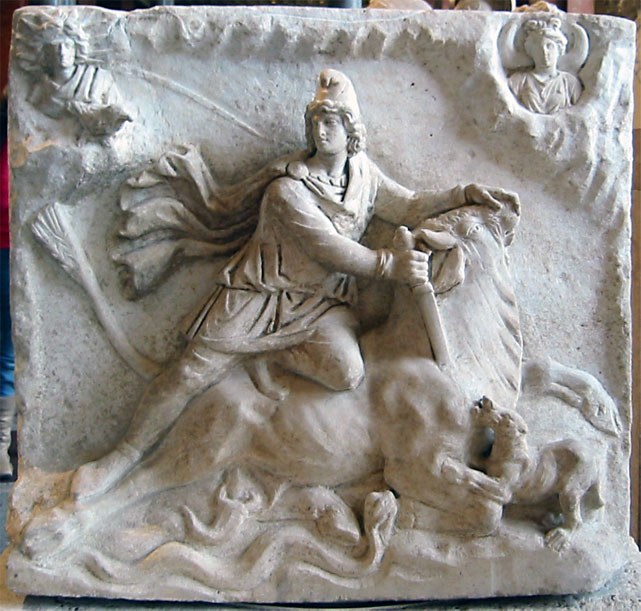
The marble shows Mithras slaying the bull, on one side, and Sol and Mithras feasting on a bull skin, on the other.

In Aquincum petrogenia, Mithras holds the usual dagger and torch as he emerges from the rock.
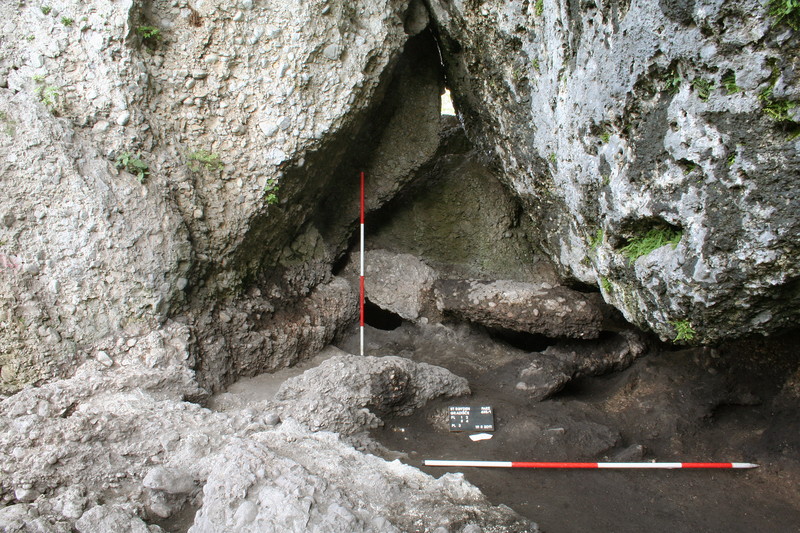
The 'Mithraic cave' in the Gradische/Gradišče massif near St. Egidio contained vessels decorated with snakes and the remains of chicken bones and other animals that were consumed during Mithraic ceremonies.
This temple of Mithras on the north side of the Capitoline Hill in Rome no longer exists.
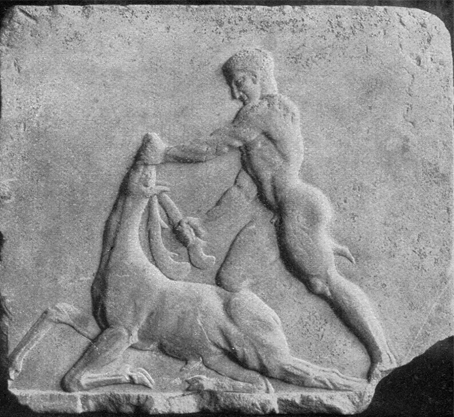
Relief of Heracles/Hercules capturing the Golden Hind of Artemis.
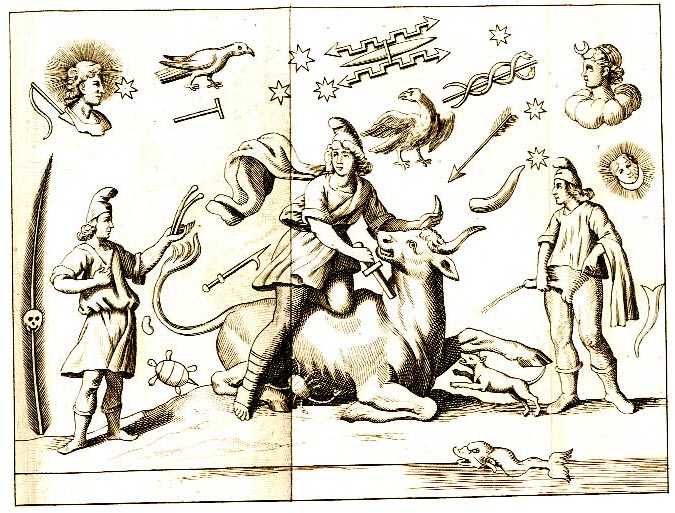
Engraving with cosmological and symbolic mithraic elements.
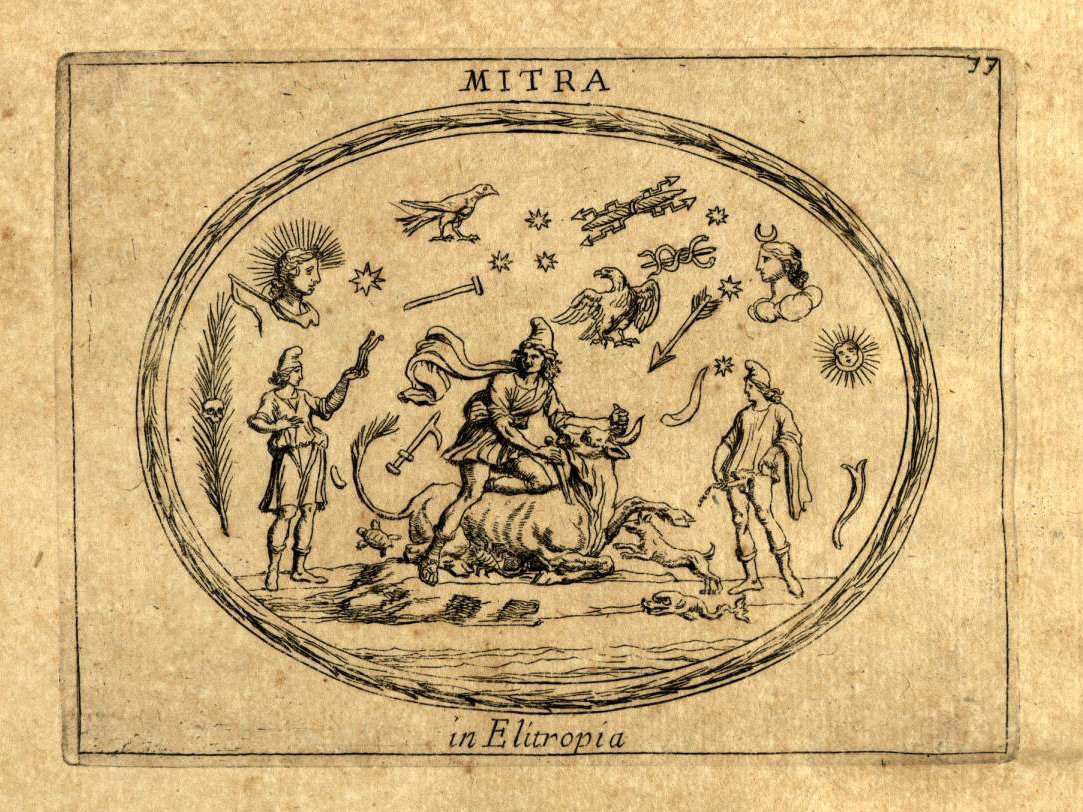
Tauroctony from a gemme, printed on Le gemme antiche figurate di Leonardo Agostini.
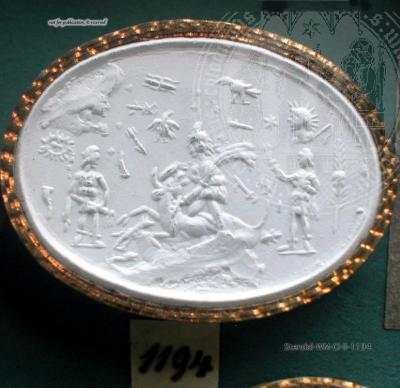
Glass paste imprint depicting the Tauroctony surrounded by symbolic figures.
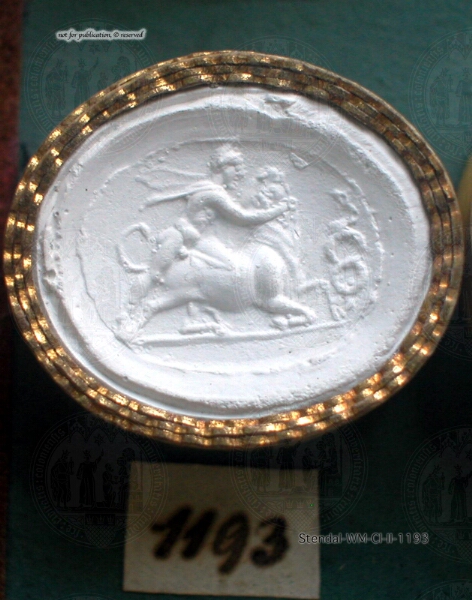
Imprint on glass of a Tauroctony exposed at Winckelmann Museum.
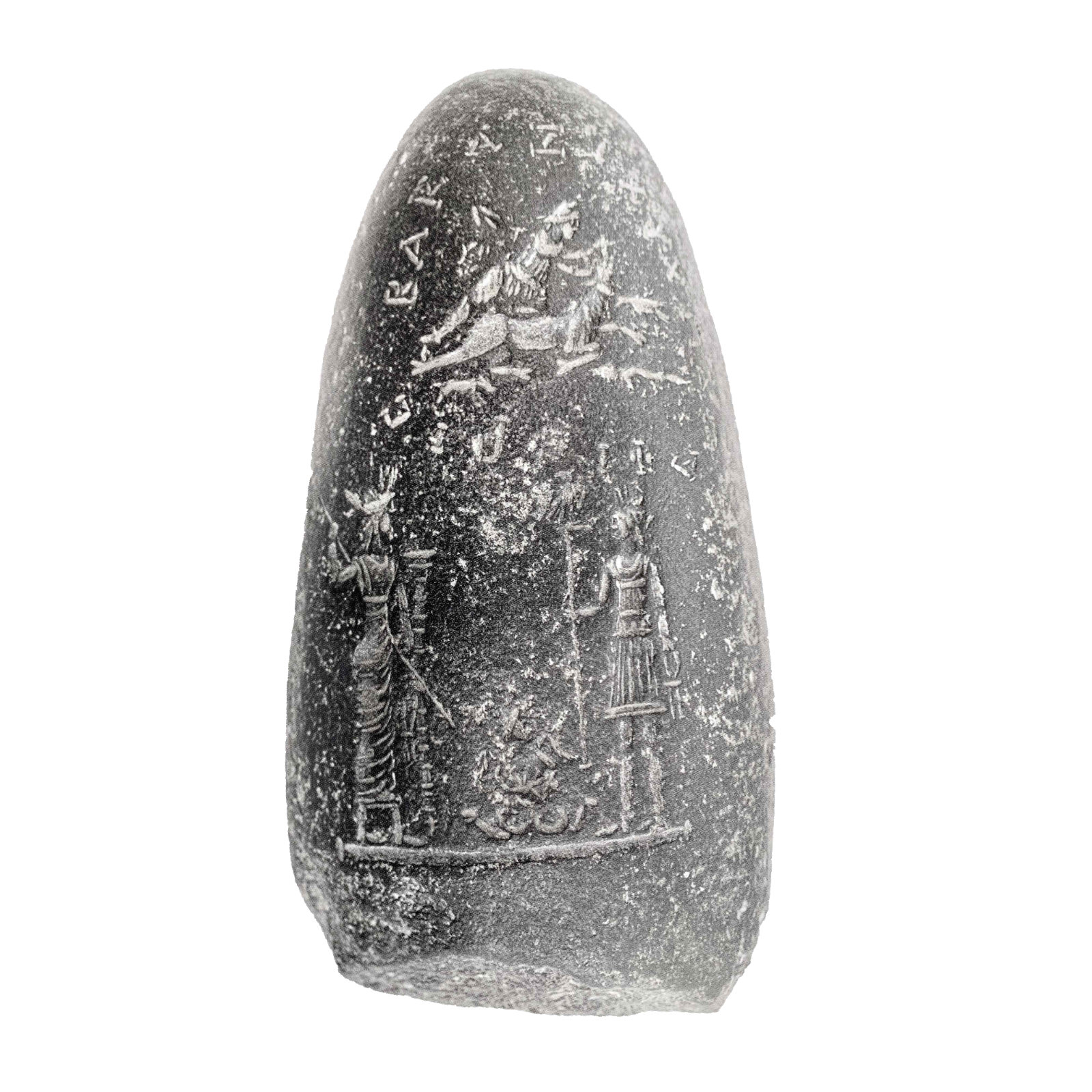
According to Christopher A. Faraone, the axe-head from Argos belong to a category of thunderstones reused as amulets.
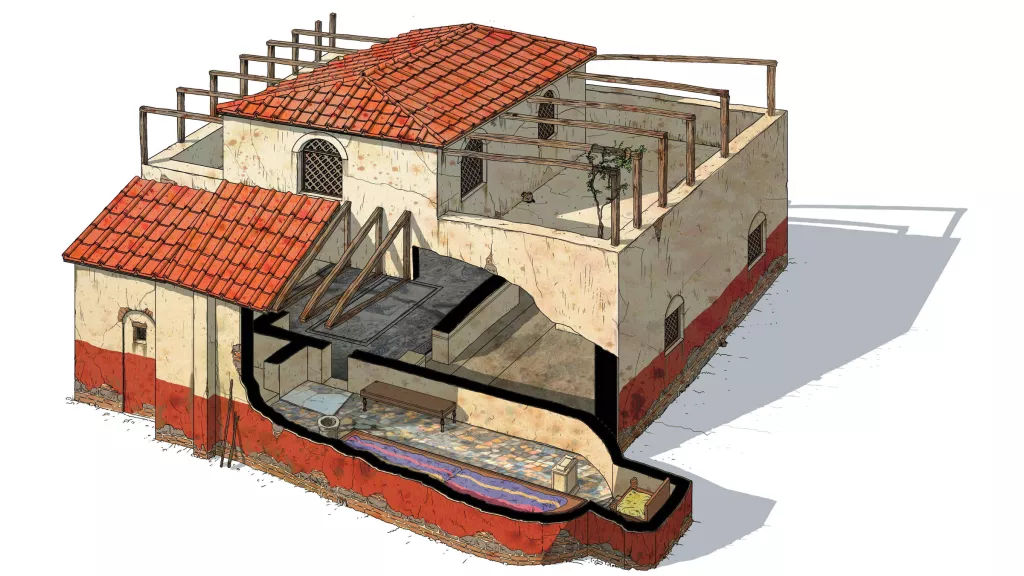
The Mitreo dei Marmi Colorati takes its name after the discovery of a black-and-white mosaic of Pan fighting with Eros.
