Your search Al. N. Oikonomides gave 3559 results.
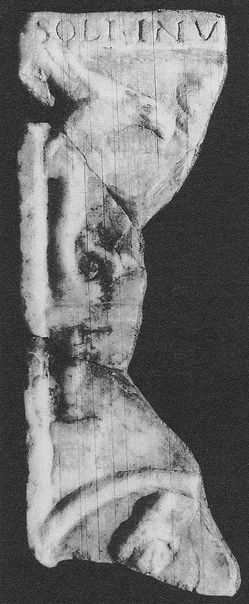
This marble fragment from Apulum preserves the head of Mithras beneath an arch together with a raven and the remains of Sol’s radiate crown.
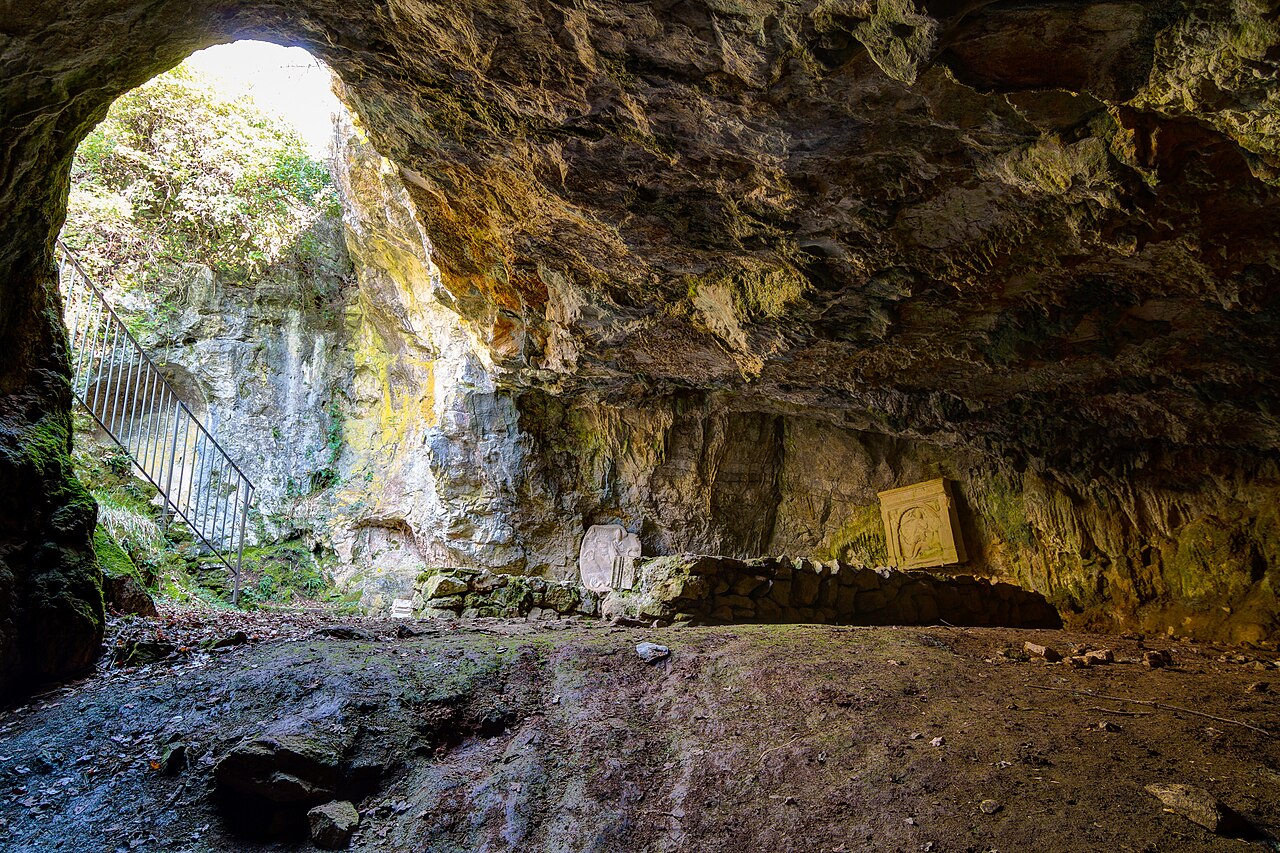
The site was destroyed in the 5th century but some elements, including the benches, can still been seen.

This relief of Mithras killing the bull includes various singular features specific to the Danubian area.
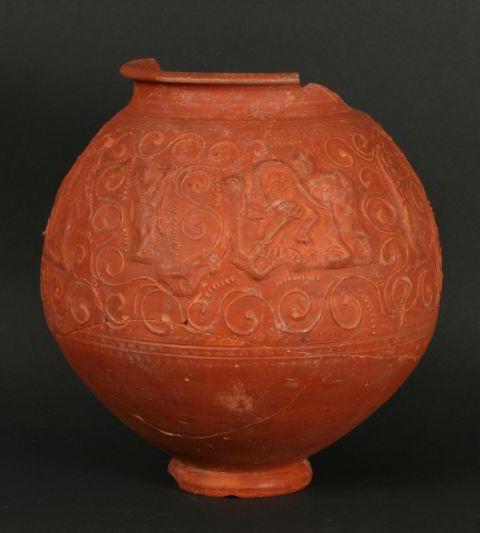
This terracotta vase features prolific decoration, including Mithras Tauroctonos, Fortuna, Cautes, a dog and Pan playing a syrinx.
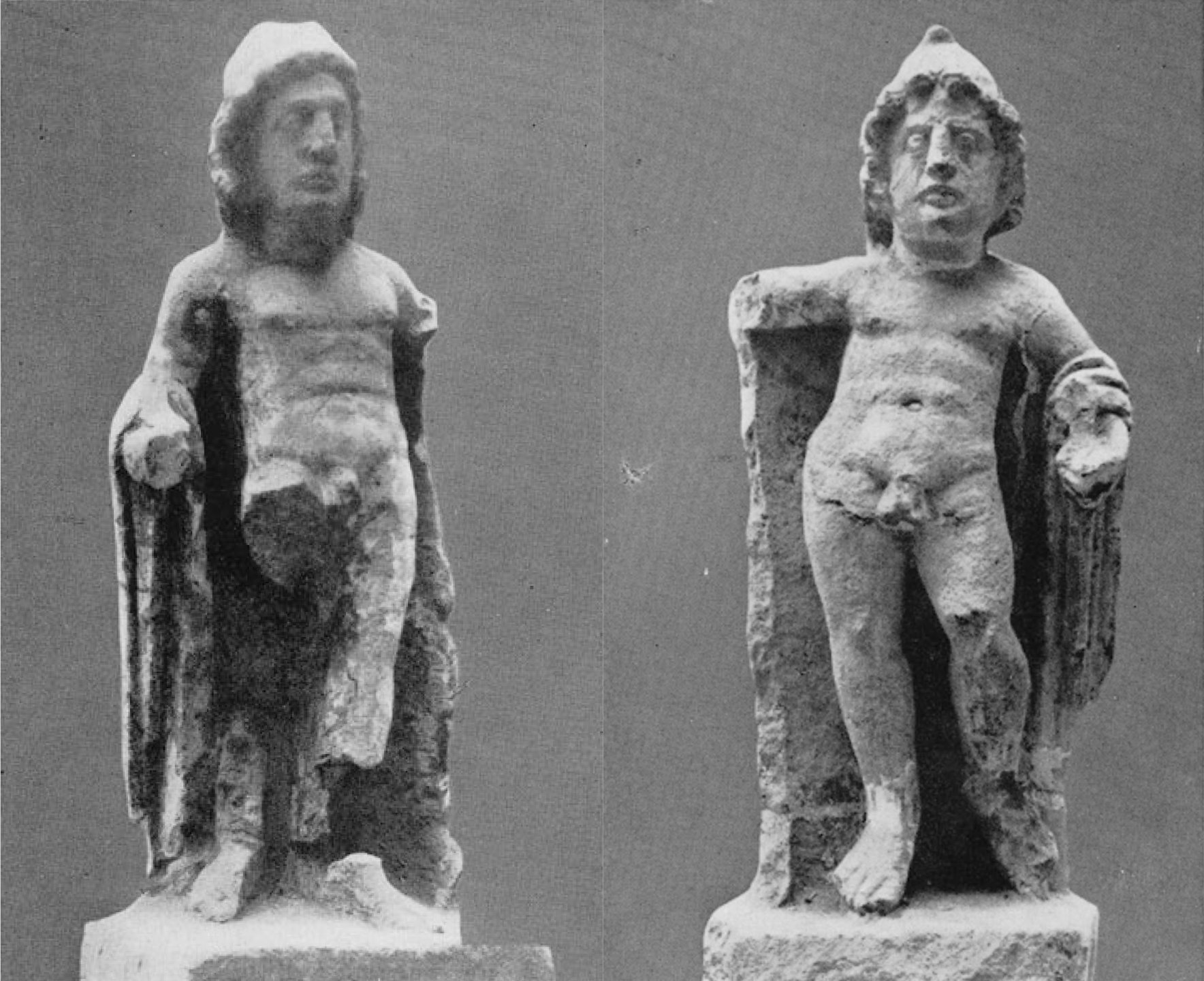
The two fellows of Mithras from Marquise, Boulogne-sur-Mer, are fully naked but for the cloak and the Phrygian cap.
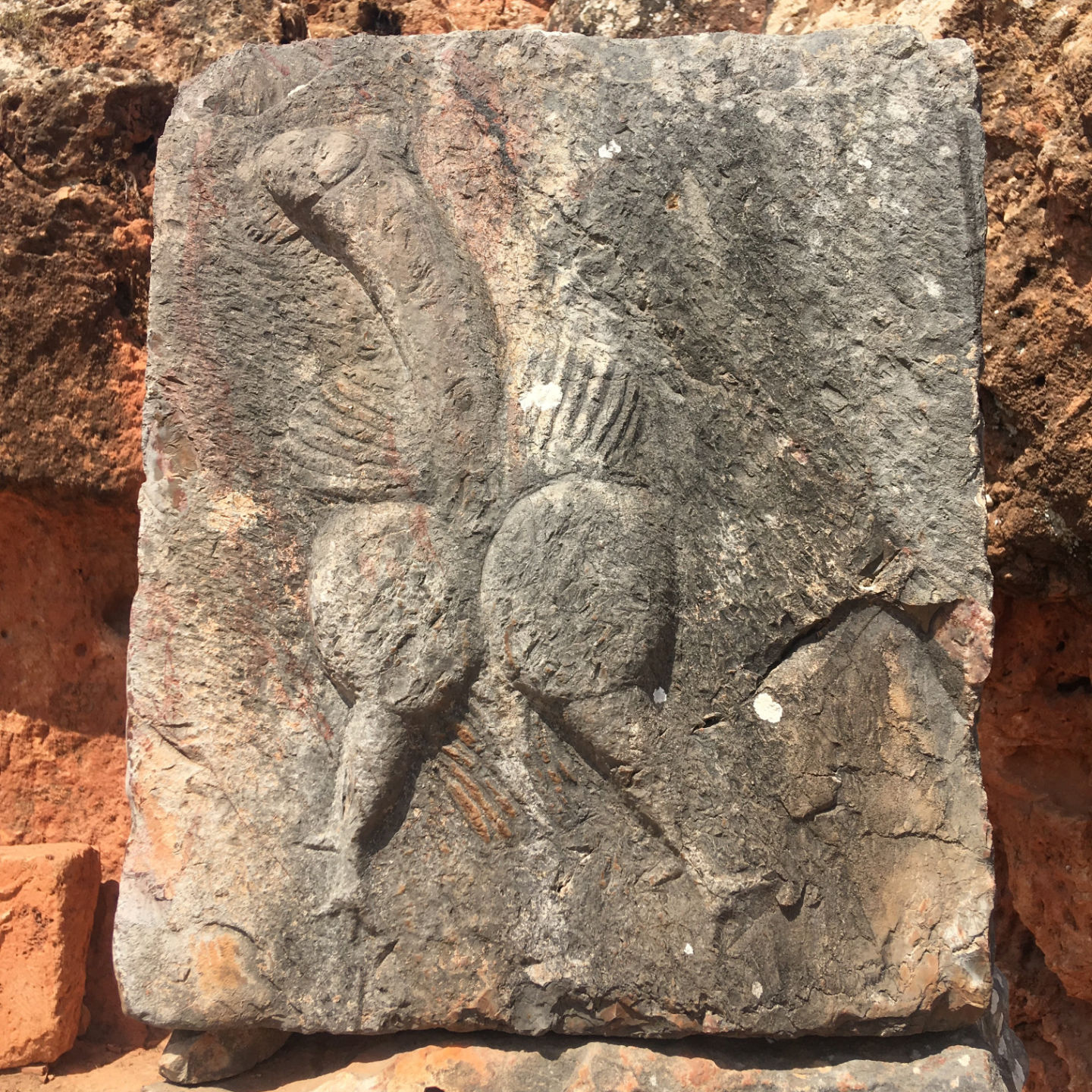
The phallus from Tiddis, Algeria, has been represented as a cock.

Benefactor of the Imperial Palace Mithraeum and possible member of Ostia’s African community.

Mithraic priest and dedicator of the leontocephalic deity from the Fagan Mithraeum at Ostia.

A votive altar dedicated to Deus Invictus Mithras by Paterna, among the few women explicitly associated with Mithraic worship.
Eight uninscribed sandstone altars from the rock sanctuary at Kreta, Moesia Inferior.
Sandstone altar with patera from the rock sanctuary at Kreta, Moesia Inferior, bearing a Greek inscription of uncertain reading, possibly a thanksgiving to Mithras.
Straton, son of Straton, consecrated an altar to Helios Mithras in Kreta, Moesia inferior.
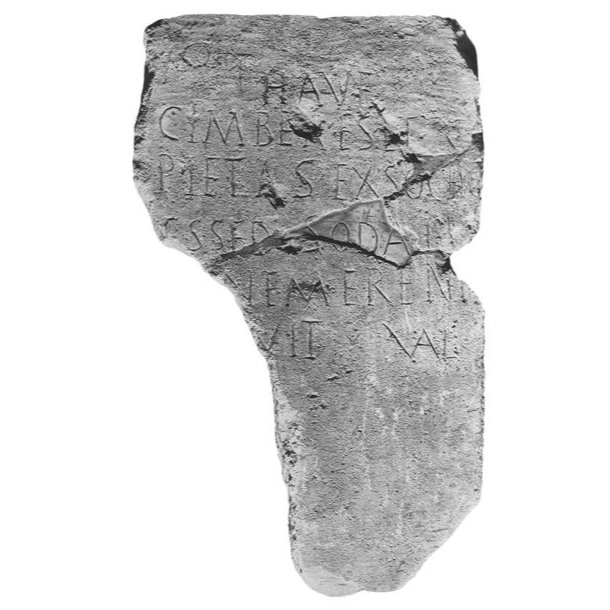
This monument with an inscription by two individuals was found in the first mithraeum of Cologne, Germany.
An altar found in the west corner of the sanctuary at Borcovicium (modern Housesteads) in 1898, recording a dedication to Jupiter Optimus Maximus, the god Cocidius and the genius of the place by soldiers of the Second Augustan Legion on garrison duty.
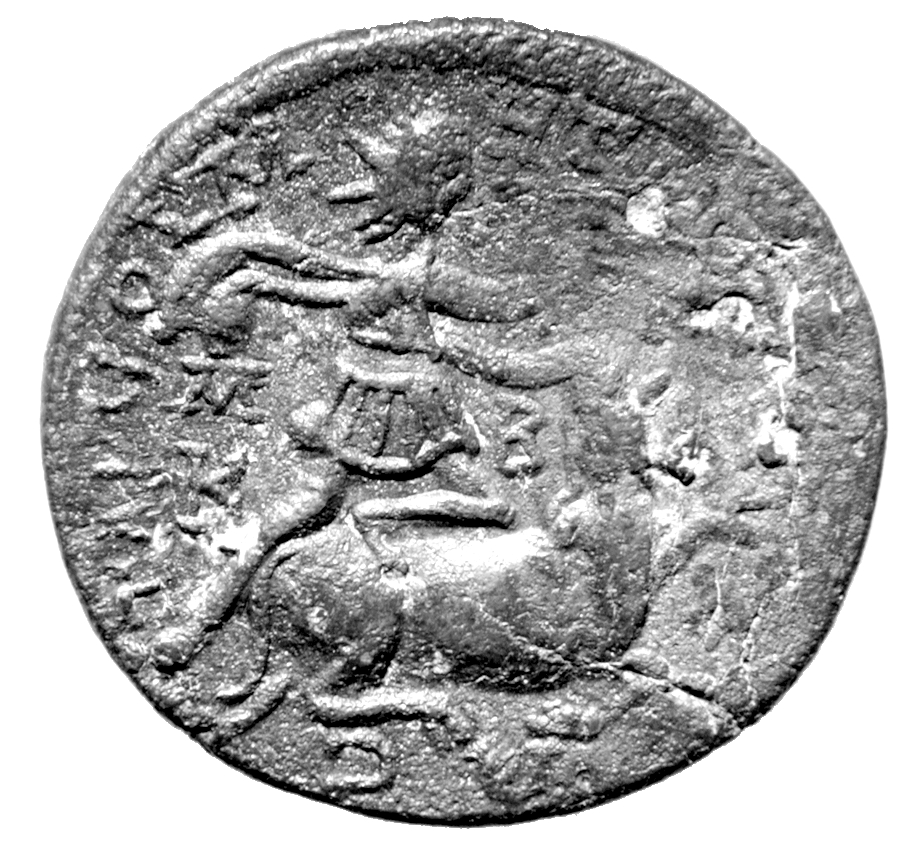
The bronze medallion, from Cilicia, shows Mithras Tauroctonus on the revers.

Late Roman senator and governor of Numidia whose inscriptions present him as a Mithraic pater and initiate in several mystery cults.
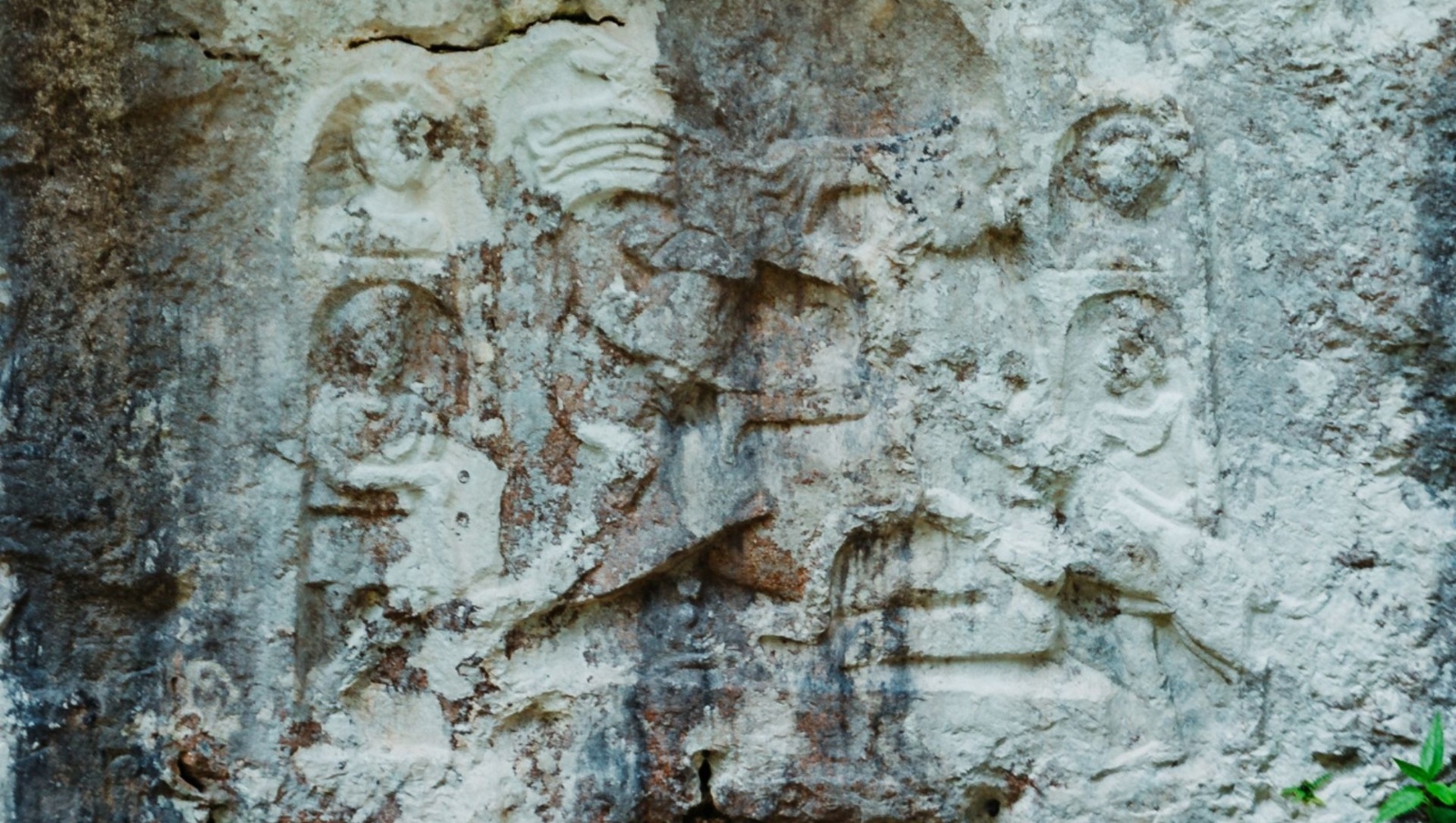
Carved directly into the rock of the Rožanec sanctuary, this tauroctony relief preserves an unusually complete composition.
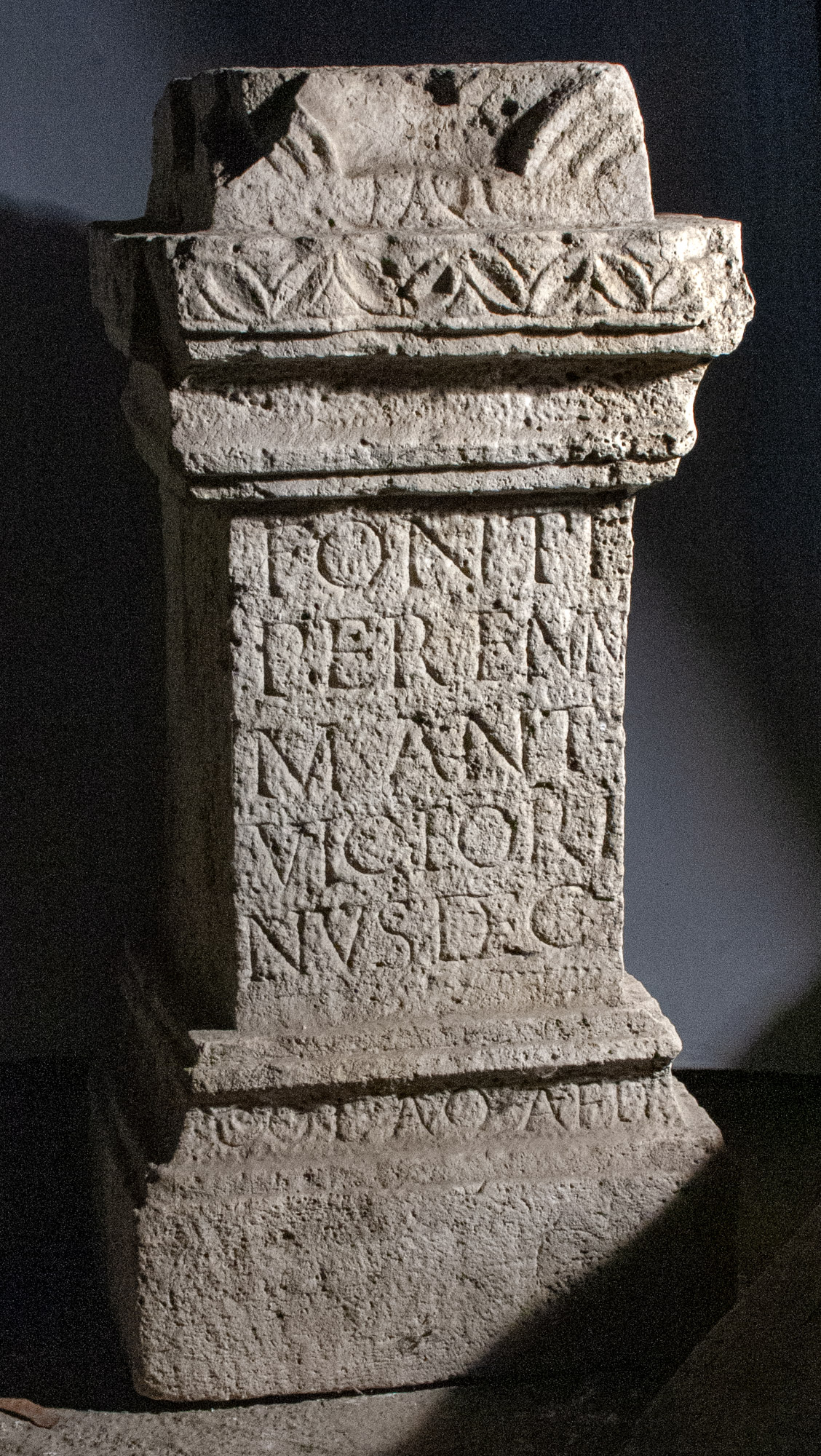
One of several dedications commissioned by the duumvir Marcus Antonius Victorinus in his Mithraeum of Aquincum, modern Budapest.

Black jasper gem from the Seyrig collection, depicting Mithras radiate slaying the bull, with the god grasping the muzzle with the left hand and driving a knife into the animal's neck with the right.
Fragment of yellowish chalcedony in the Cabinet des Médailles, Paris, formerly in the Millingen collection, depicting the standard tauroctony.
