Your search Al. N. Oikonomides gave 3559 results.
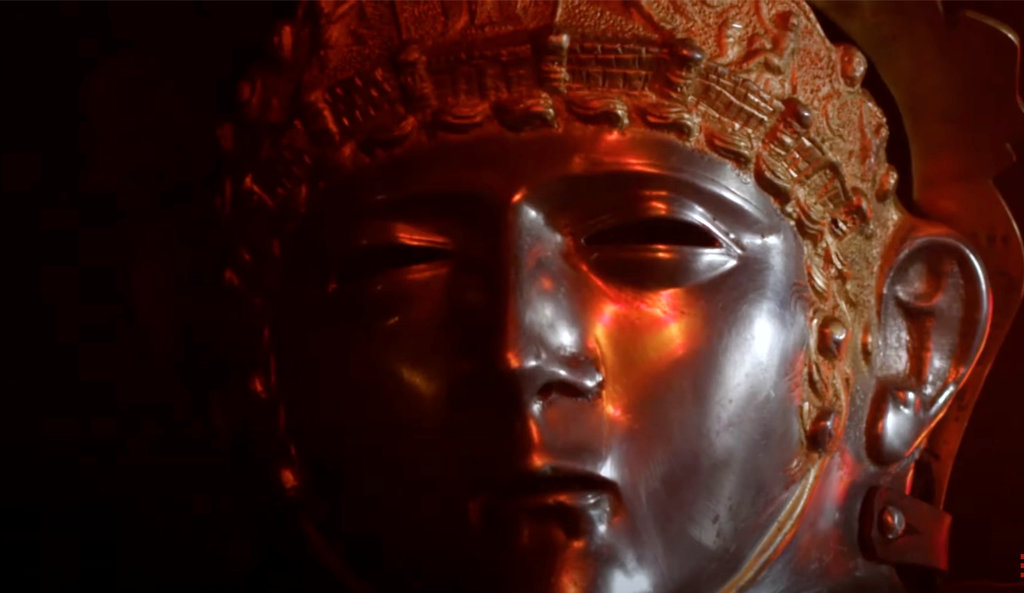
On Hadrian's Wall lies the ruin of a subterranean temple to a little-known god, at the centre of a secretive Roman cult.
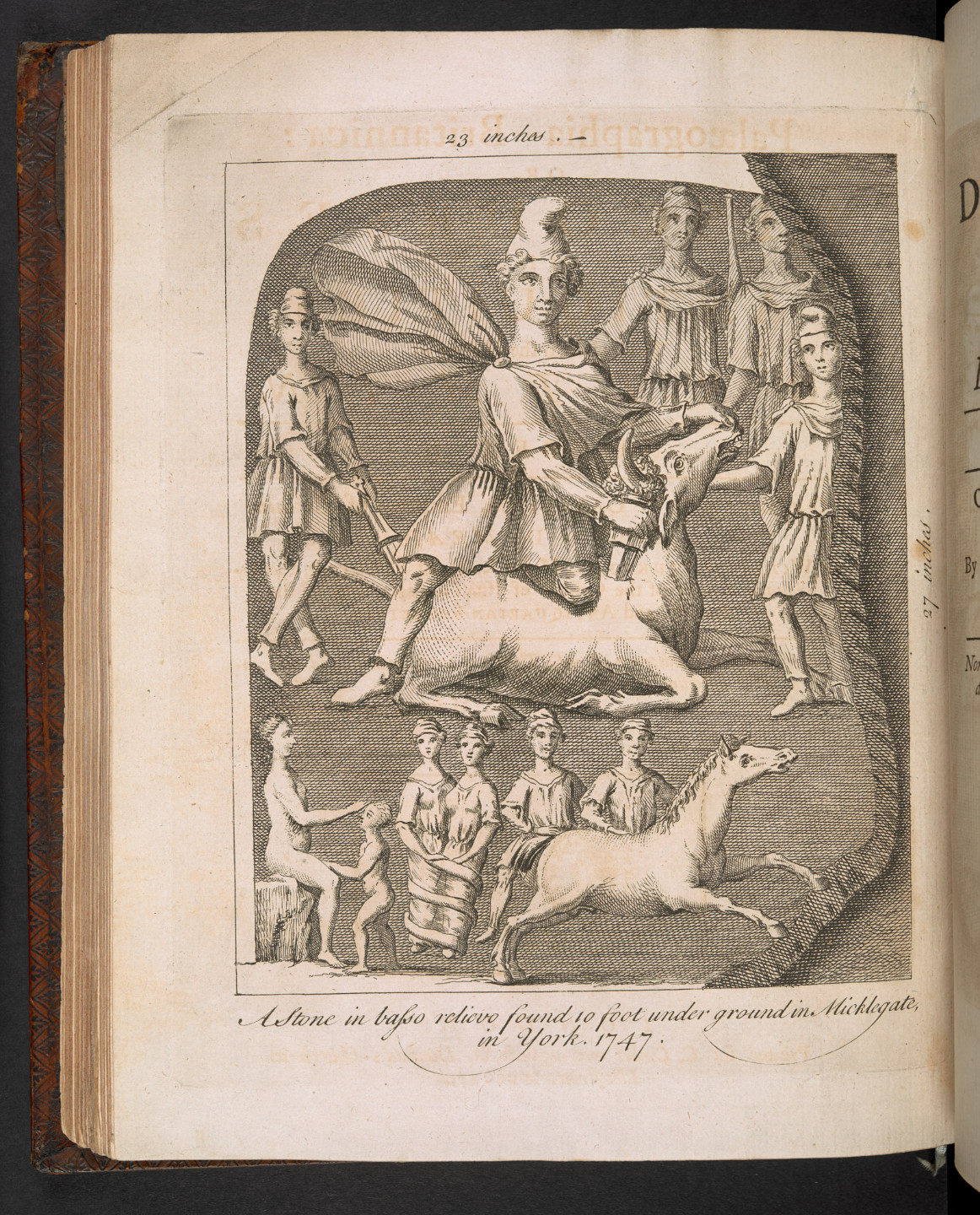
Palæographia Britannica: or, discourses on antiquities that relate to the history of Britain. Number III.
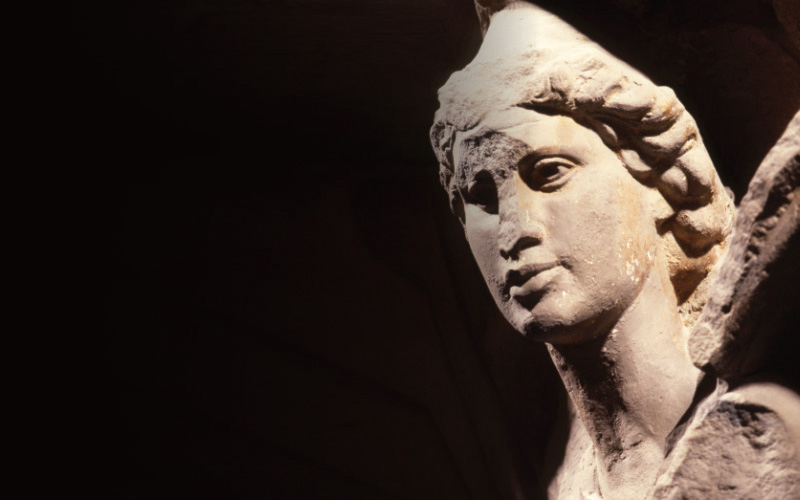
On the occasion of the exhibition, the Royal Museum of Mariemont invites five experts from Europe to emulate the research on the cult of Mithras.
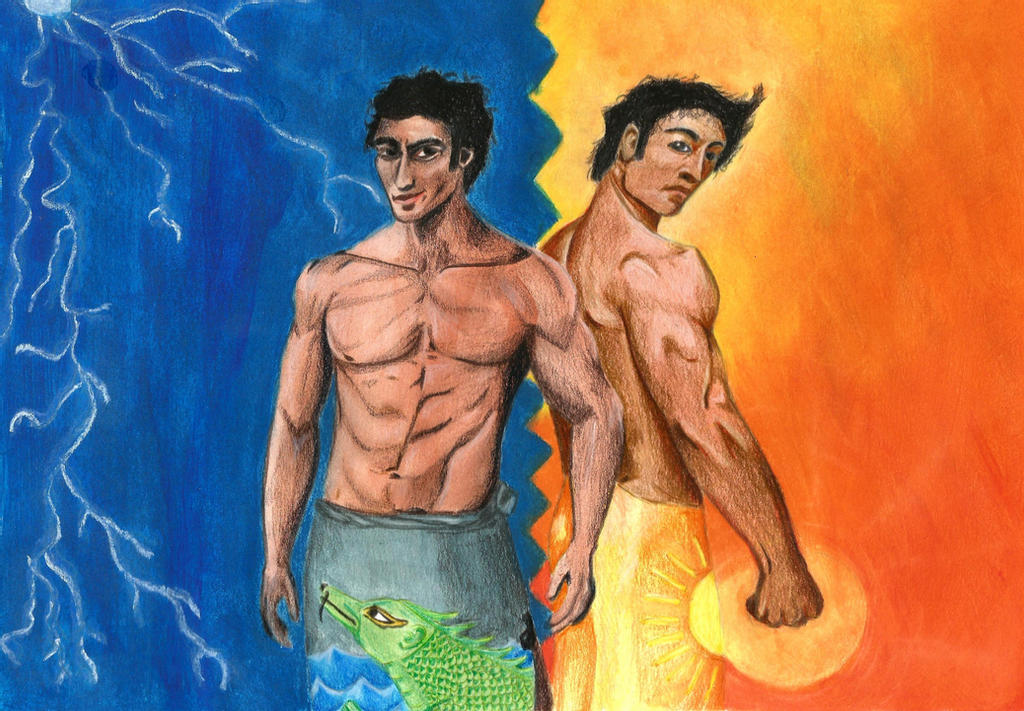
The Sanskrit and Hindi word for friend is “Mitra”. It is also the Nepali word for it. The Sinhala word is ‘mitura’. The word’s etymology has surprising, stark and vivid homosexual connotations.
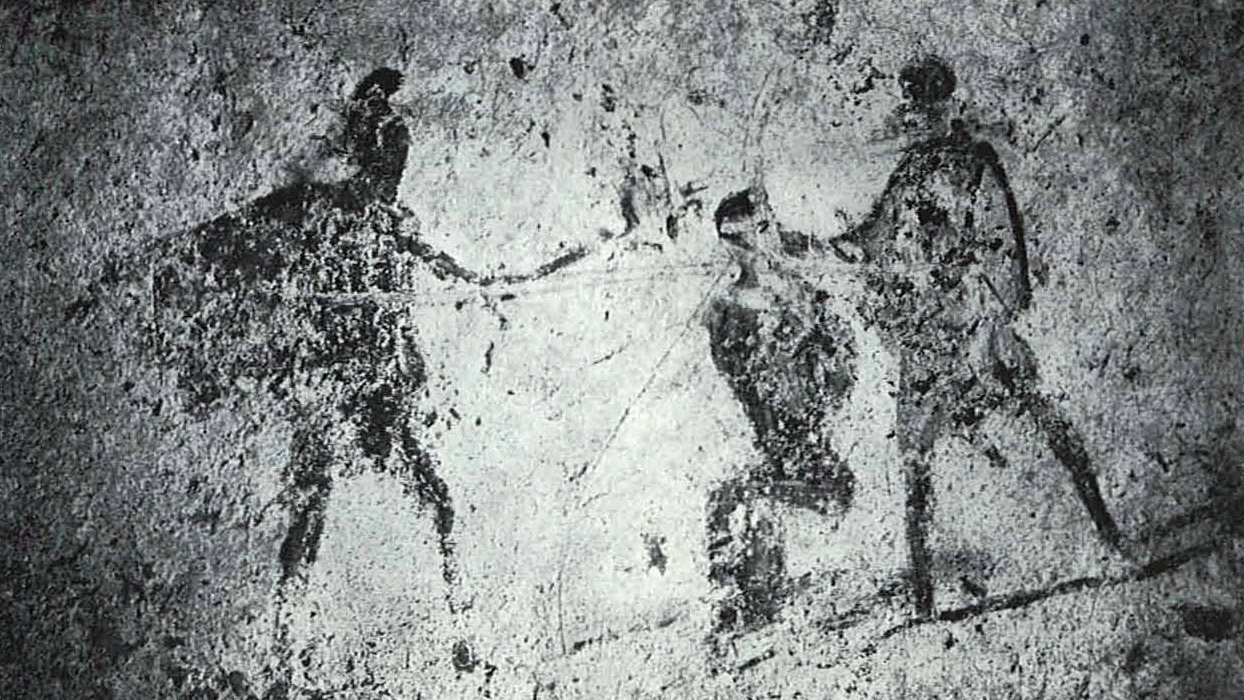
Recontextualizing the Initiation rituals of the Roman Mystery Cult of Mithras.
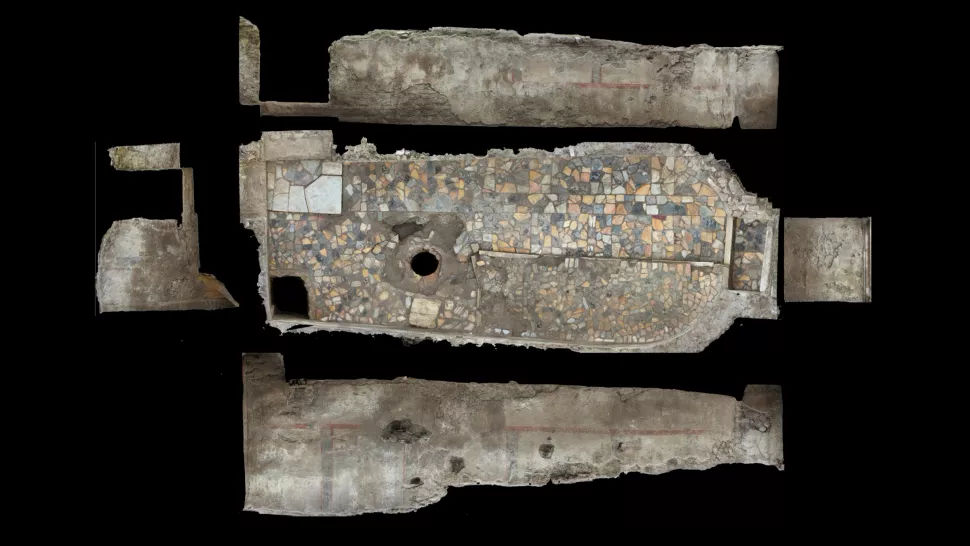
The ancient Roman worshippers were likely in altered states of consciousness.
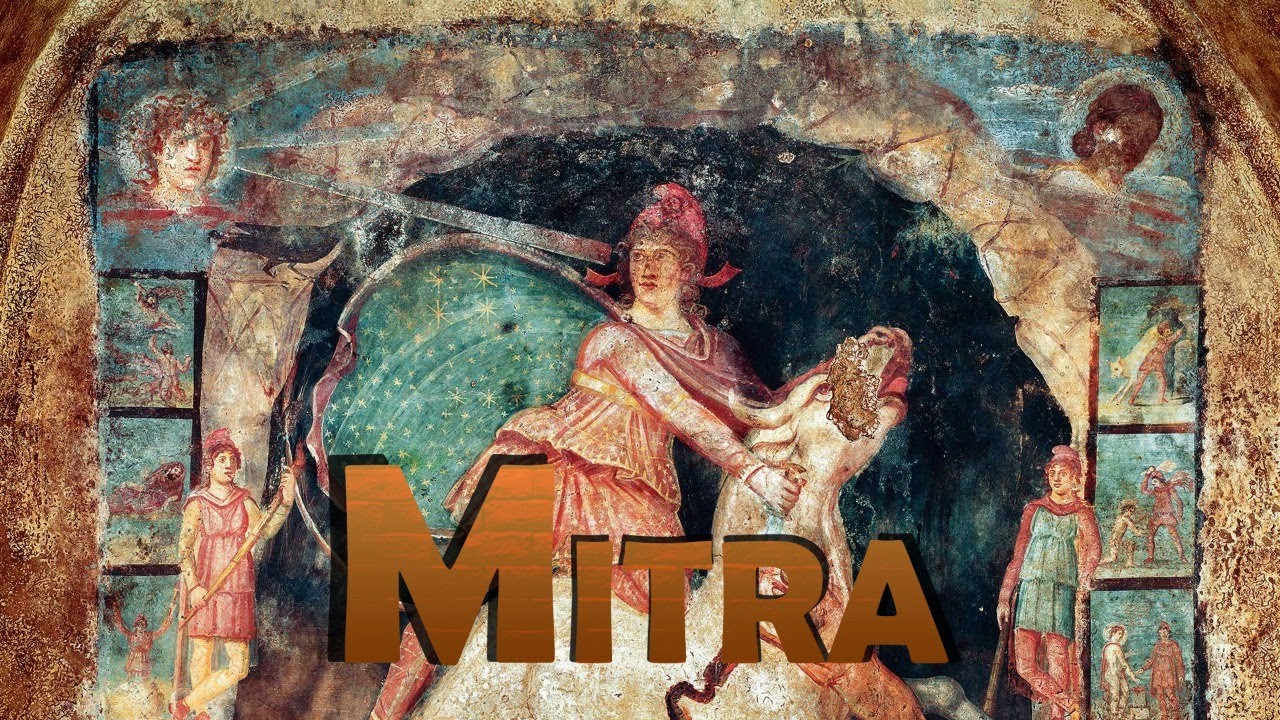
Jaime Alvar Ezquerra habla de 'La creación del mito de Mitra' en el tercer seminario online de Aglaya.

The Fagan Mithraeum, also known as the Mithraeum of Tor Boacciana, yielded remarkable sculptures of lion-headed deities, several of which are now preserved in the Vatican Museums.
Marble slab with a fragmentary Latin inscription, walled into the right-hand side of the cult-niche in the Mitreo delle Pareti Dipinte at Ostia.
This small white marble cippus bears an inscription of a certain Pater Antoninus to Cautes.
The Sacello delle Tre Navate near the Therms of the Sette Sapienti at Ostia, whose identification as a Mithraeum remains uncertain, with a decorated cult-niche but lacking typical Mithraic iconography.
Marble head of Helios-Mithras with curly hair and seven holes for fastening rays, from the Mitreo degli Animali at Ostia, Lateran Museum.
Mosaic-paved floor of the central aisle of the Mitreo delle Sette Porte at Ostia, with a krater flanked by serpent and eagle, standing Jupiter and Saturn, torchbearers at the podia, and planetary gods Mars, Luna, Venus, and Mercury.
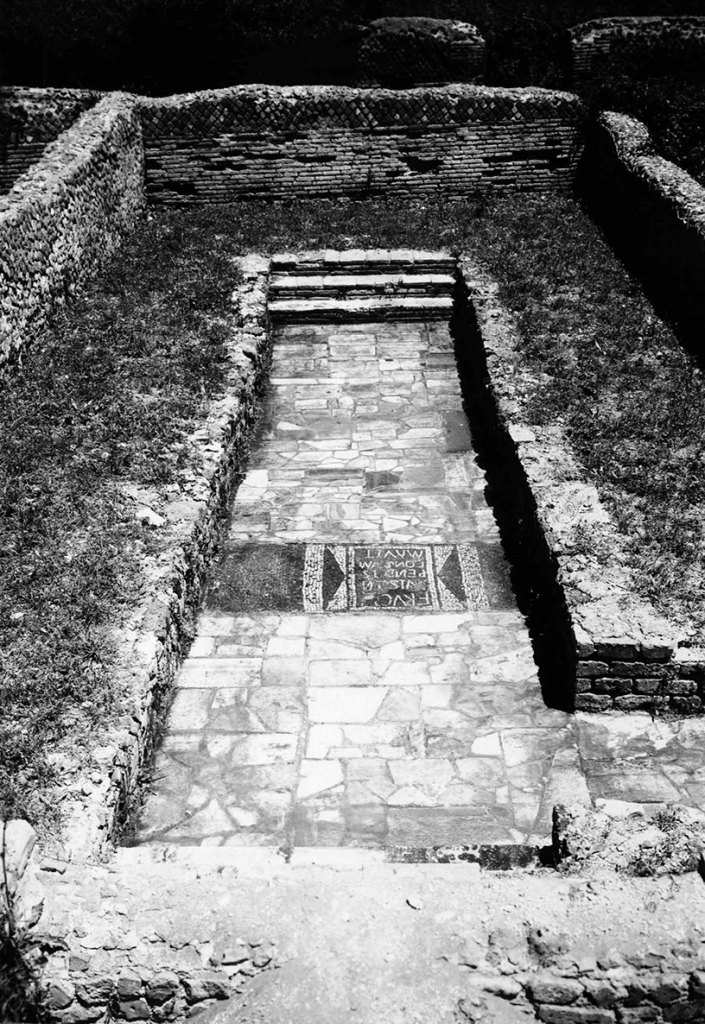
The Mithraeum of Sabazeus was found in one of the rooms of the Horrea built in the years 120 - 125 AD. The installation of the shrine may have taken place in the first half of the third century.
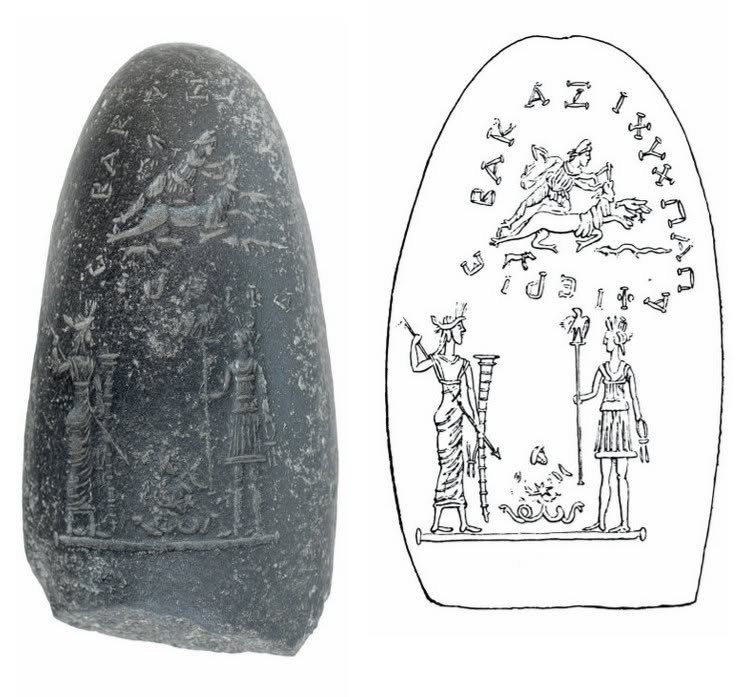
Black polished cone-shaped prehistoric axe from Argolis, now in the Athens National Museum, interpreted by some scholars as having Mithraic votive associations.
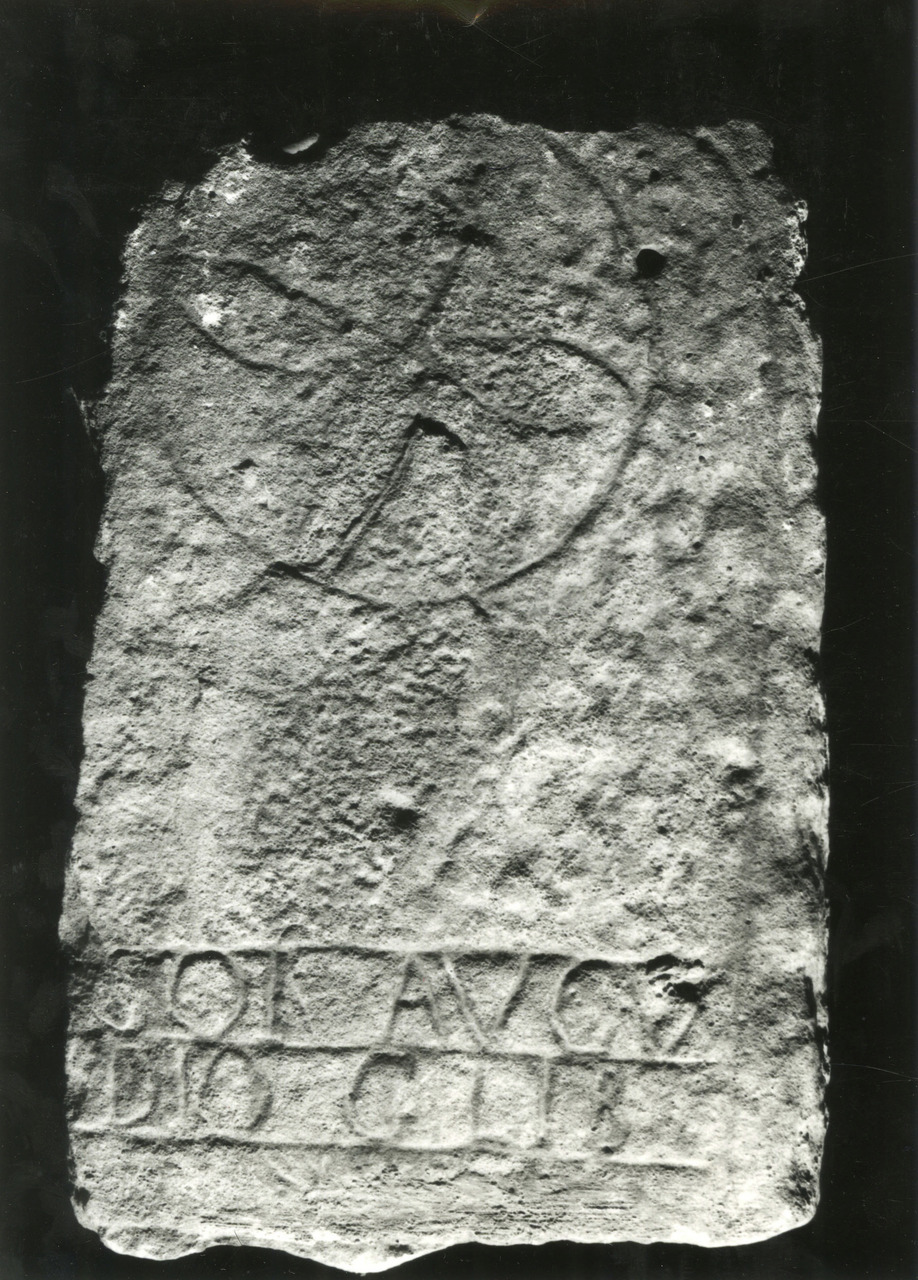
A sandstone slab found along the border of the Tagus river near Thirmarum (modern Trillo, near Cifuentes in Guadalajara), recording an inscriptoiin by a certain Cornelius, freedman of Gaius.
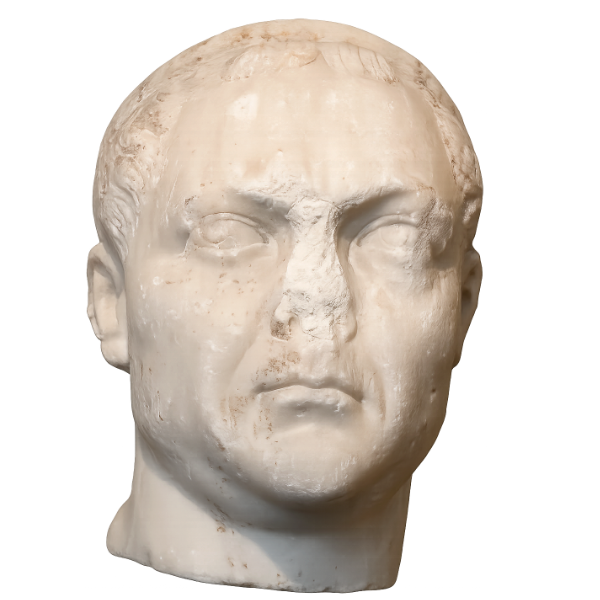
Roman emperor from 253 to 260, he was taken captive by Shapur I of Persia. He was thus the first emperor to be captured as a prisoner of war.
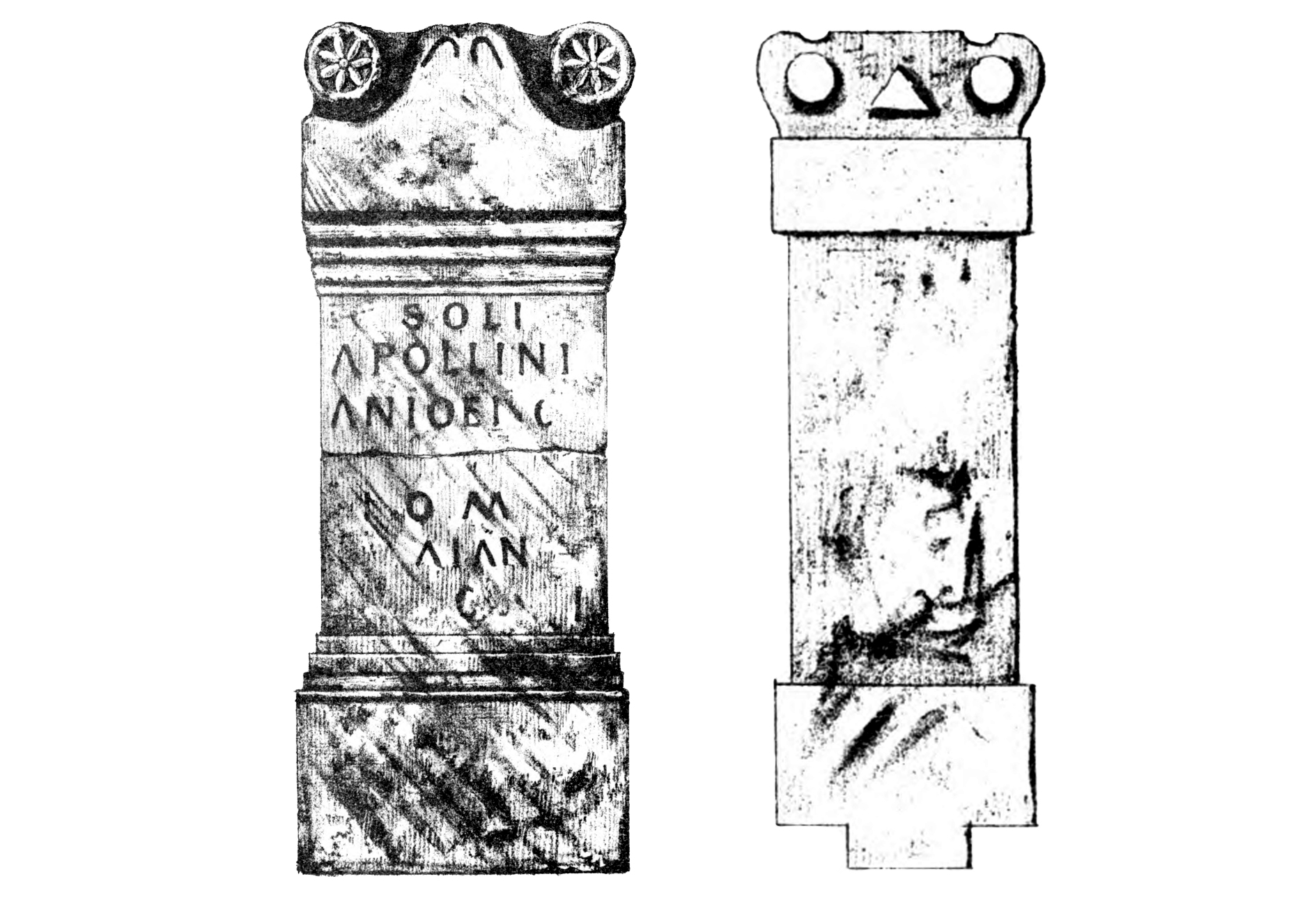
Fragmentary inscription from Vindobala preserving a rare dedication to “Sol Apollo Anicetus” within a Mithraic context on Hadrian’s Wall.
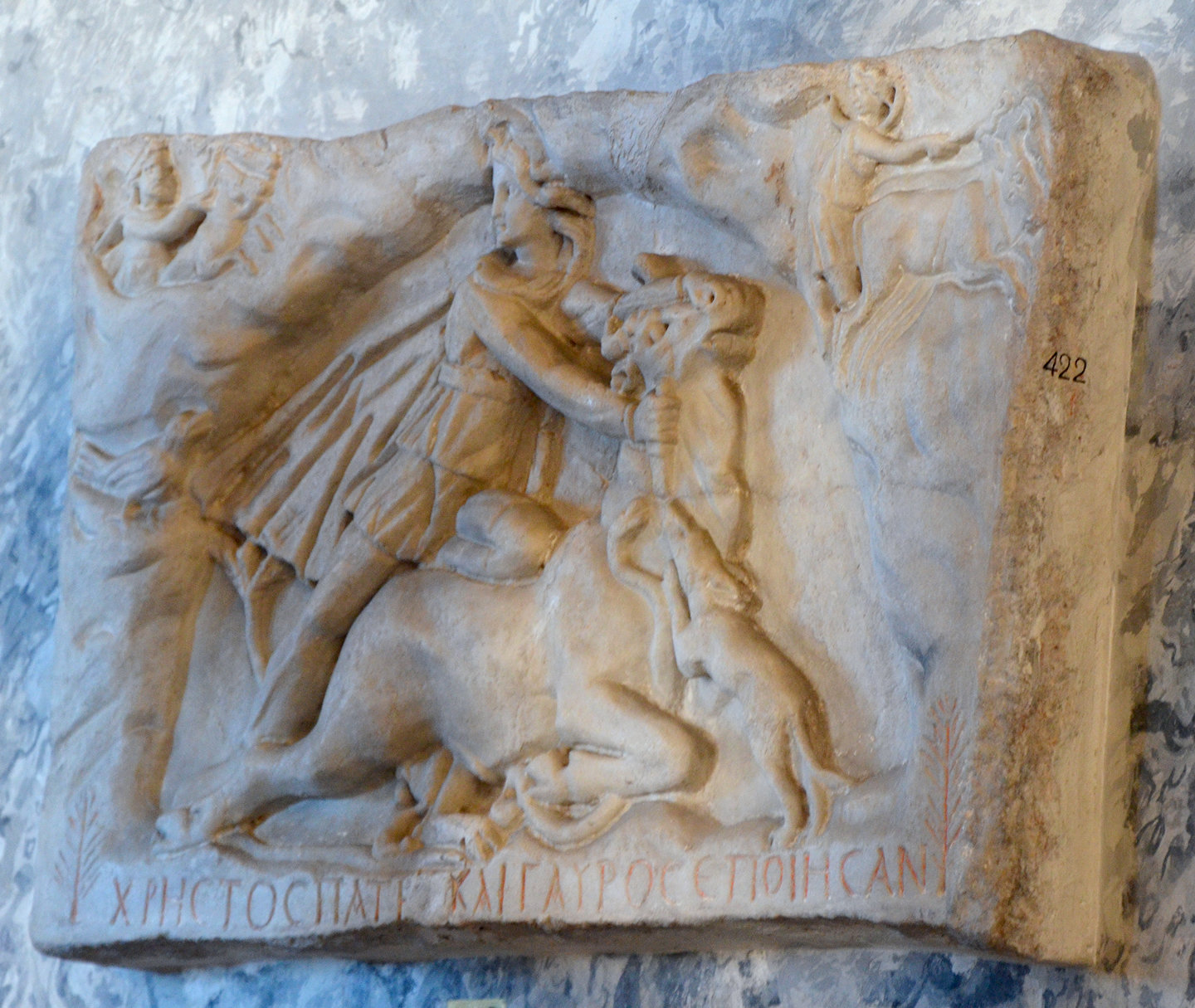
This relief of Mithras killing the bull, signed by a certain Χρῆστος, is on display in the Sala dei Animali of the Vatican Museum.
The inscription on the decorated altar No. 839 from the Mithraeum at Vindobala (modern Rudchester), recording a gift to the Deity by L. Sentius Castus, a soldier of the Sixth Legion.
