Your search Al. N. Oikonomides gave 3559 results.
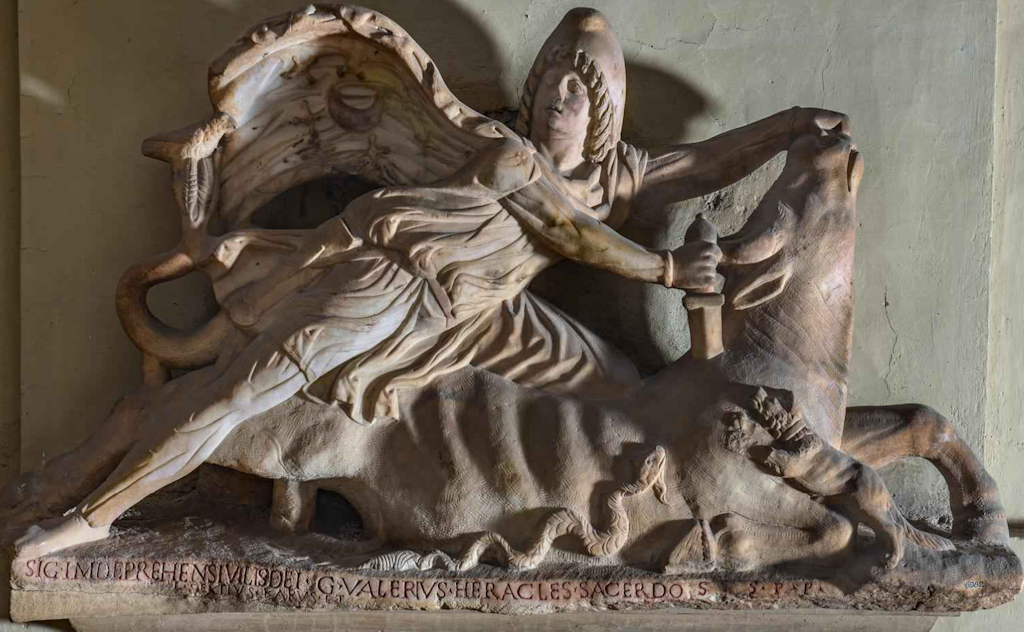
This sculpture of Mithras killing the bull was dedicated to the “incomprehensible god” by a certain priest called Gaius Valerius Heracles.
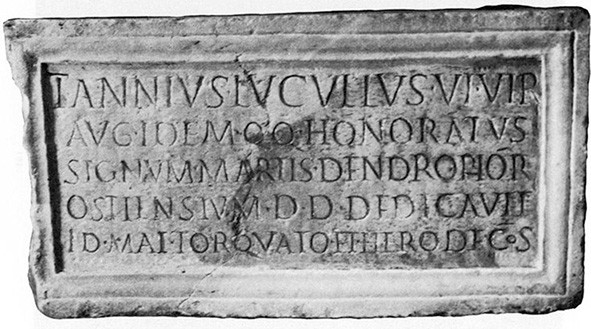
Small marble base with a dedication by T. Annius Lucullus, sevir and quinquennalis, to Martis Dendrophoris Ostiensium, from the Mitreo degli Animali at Ostia, dated to 143 A.D.
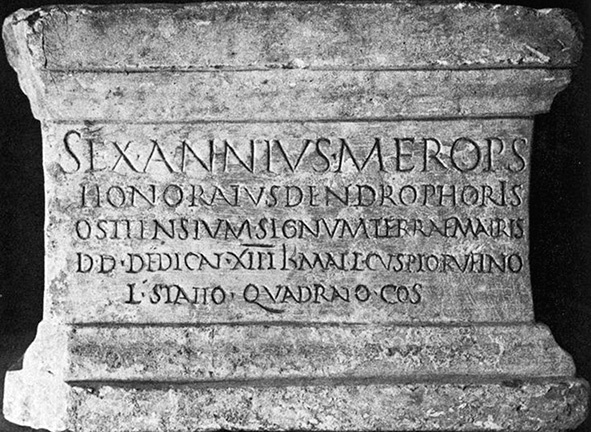
Small marble base dedicated by Sex. Annius Merops, honoured Dendrophoros, to the image of Terrae Matris, from the Mitreo degli Animali at Ostia, dated to 142 A.D.
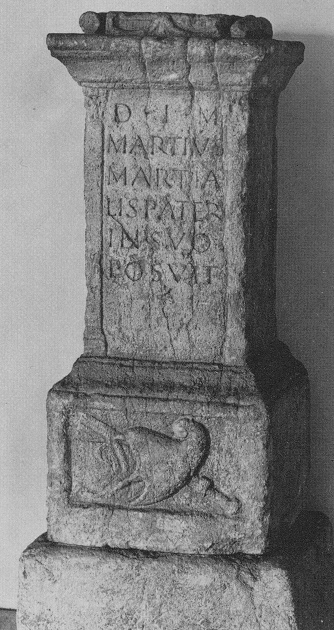
The altar with a Phrygian cap and a dagger from Trier was erected by a Pater called Martius Martialis.

Preliminary readings of the painted Mithraic texts later revised after additional research and restoration.
This monument was erected on the occasion of the elevation of a member to the Mithraic grade of Perses.
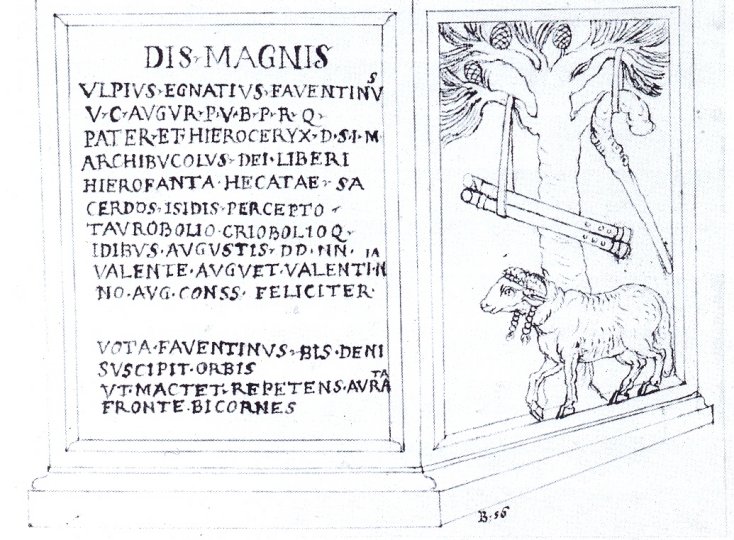
Both of them were discovered in 1609 in the foundations of the façade of the church of San Pietro, Rome.
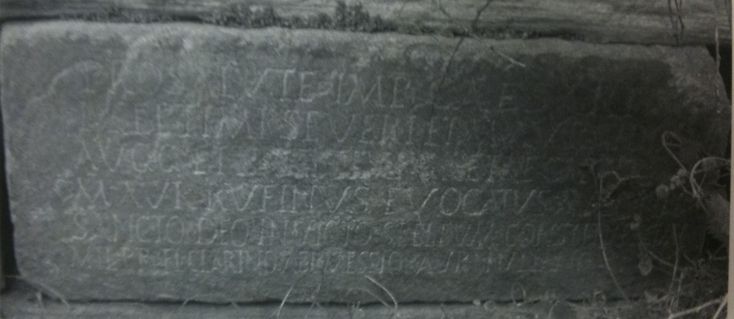
This inscription reveals the existence of a Mithraeum on the island of Andros, Greece, which has not yet been found.
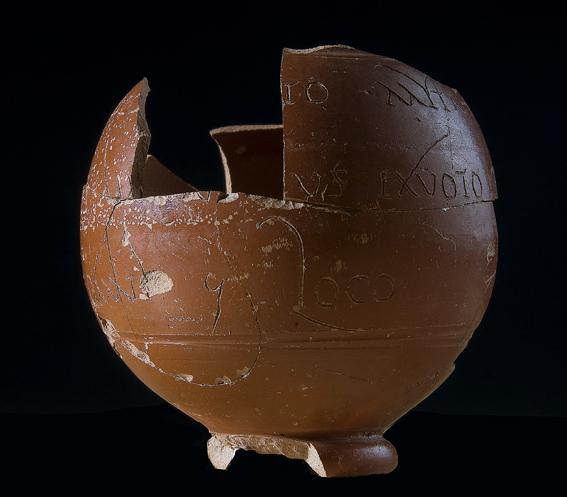
The spherical ceramic cup found at the Mithraeum in Angers bears an inscription to the unconquered god Mithras.
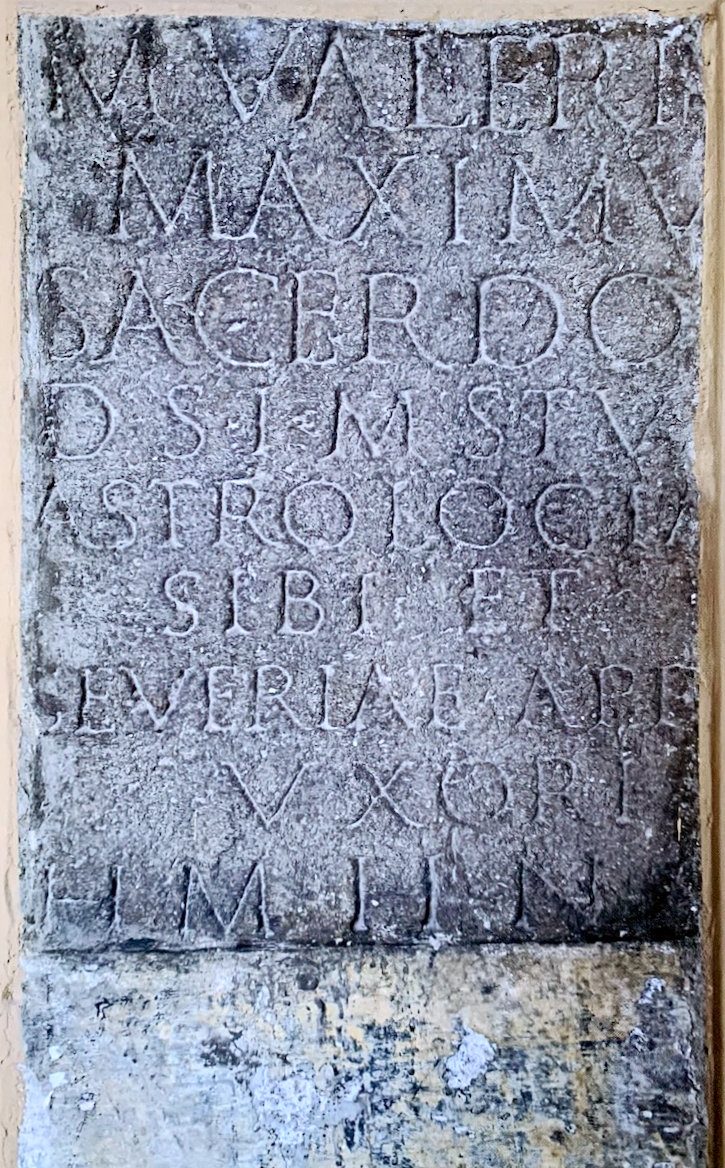
Marcus Valerius Maximus records in this inscription his knowledge of astrology as well as the name of his wife.
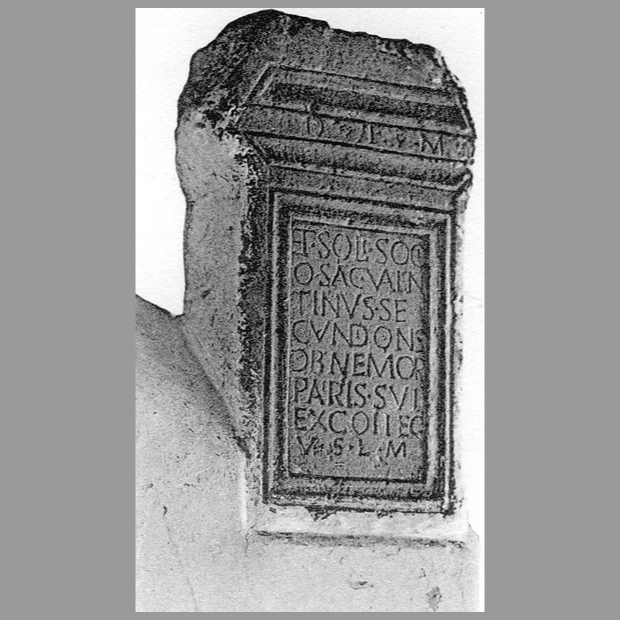
This monument, now lost, was discovered in the 16th century, probably on the site of Sublavio statio.
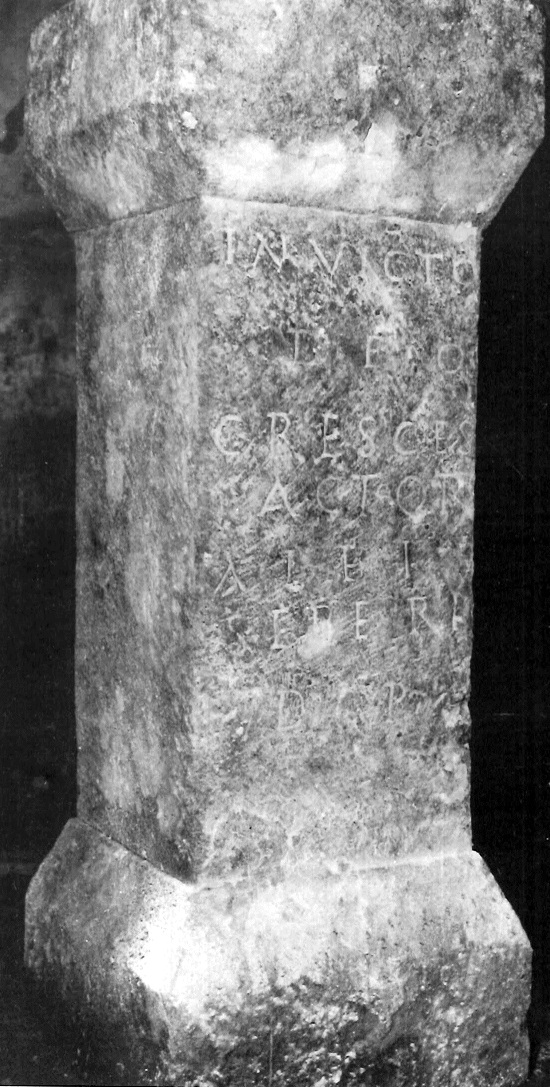
The monument is engraved with an inscription by Cresces, the donor.
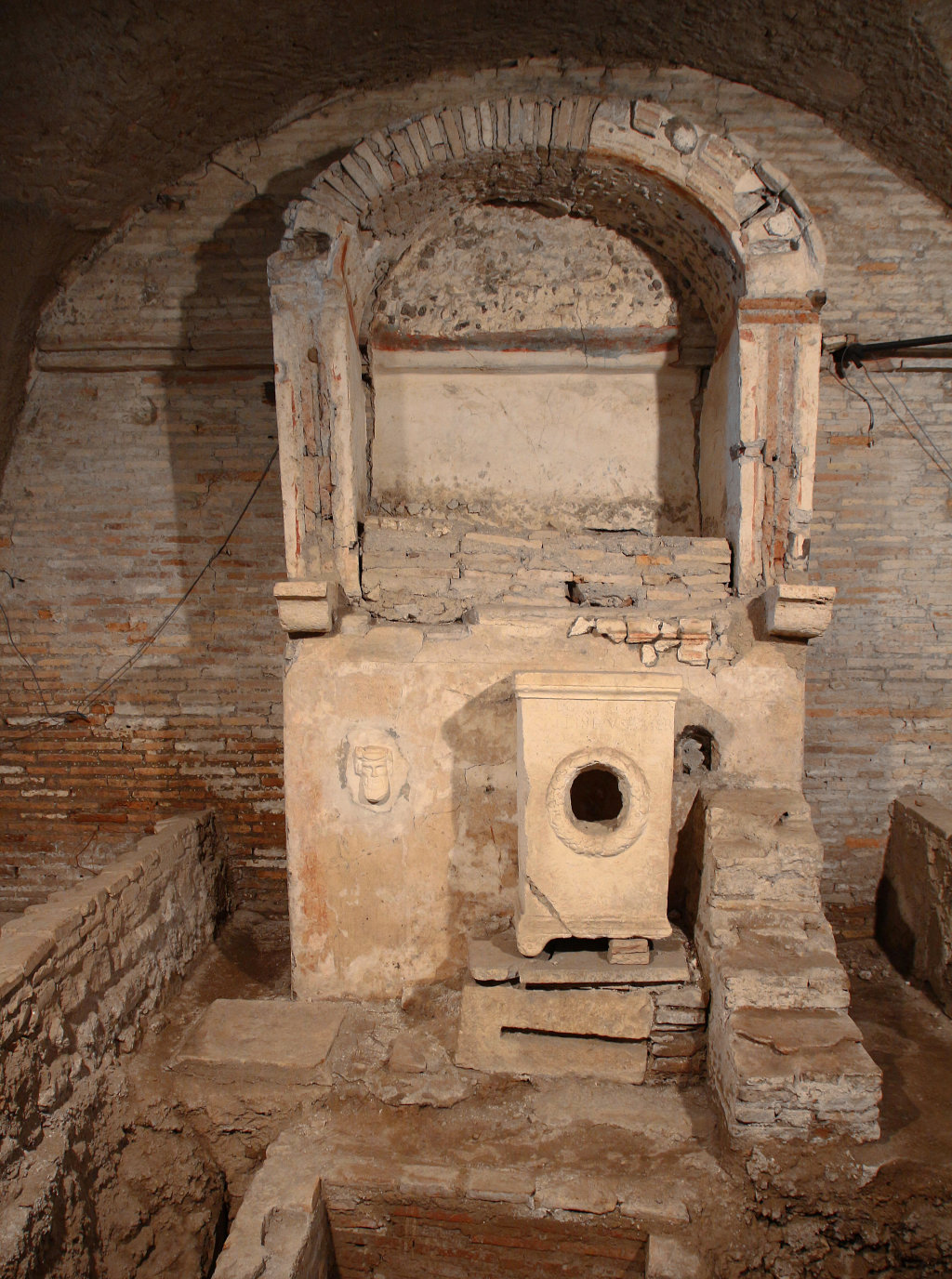
This altar was originally consecrated to Hercules and was rededicated to Mithras by Callinicus in the Mithraeum of the House of Diana.