Your search Alain Verse gave 32 results.
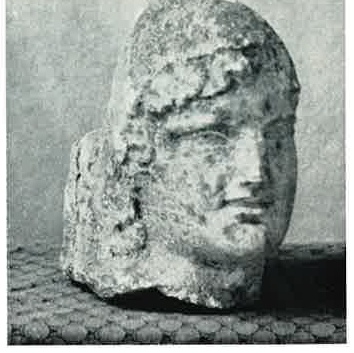
Small marble head from Mithraeum II at Ptuj, ancient Poetovio, depicting a smiling Mithras in Phrygian cap with a profiled reverse — one of the most expressive Mithraic heads from the Danubian provinces.

Marble torso from Mithraeum II at Ptuj, ancient Poetovio, probably representing a winged, reclining bull with two vertical attachment ligaments on the reverse.
Pair of sandstone bases with small columns on the front, carved with a staircase on the reverse, from Mithraeum I at Heddernheim, ancient Nida
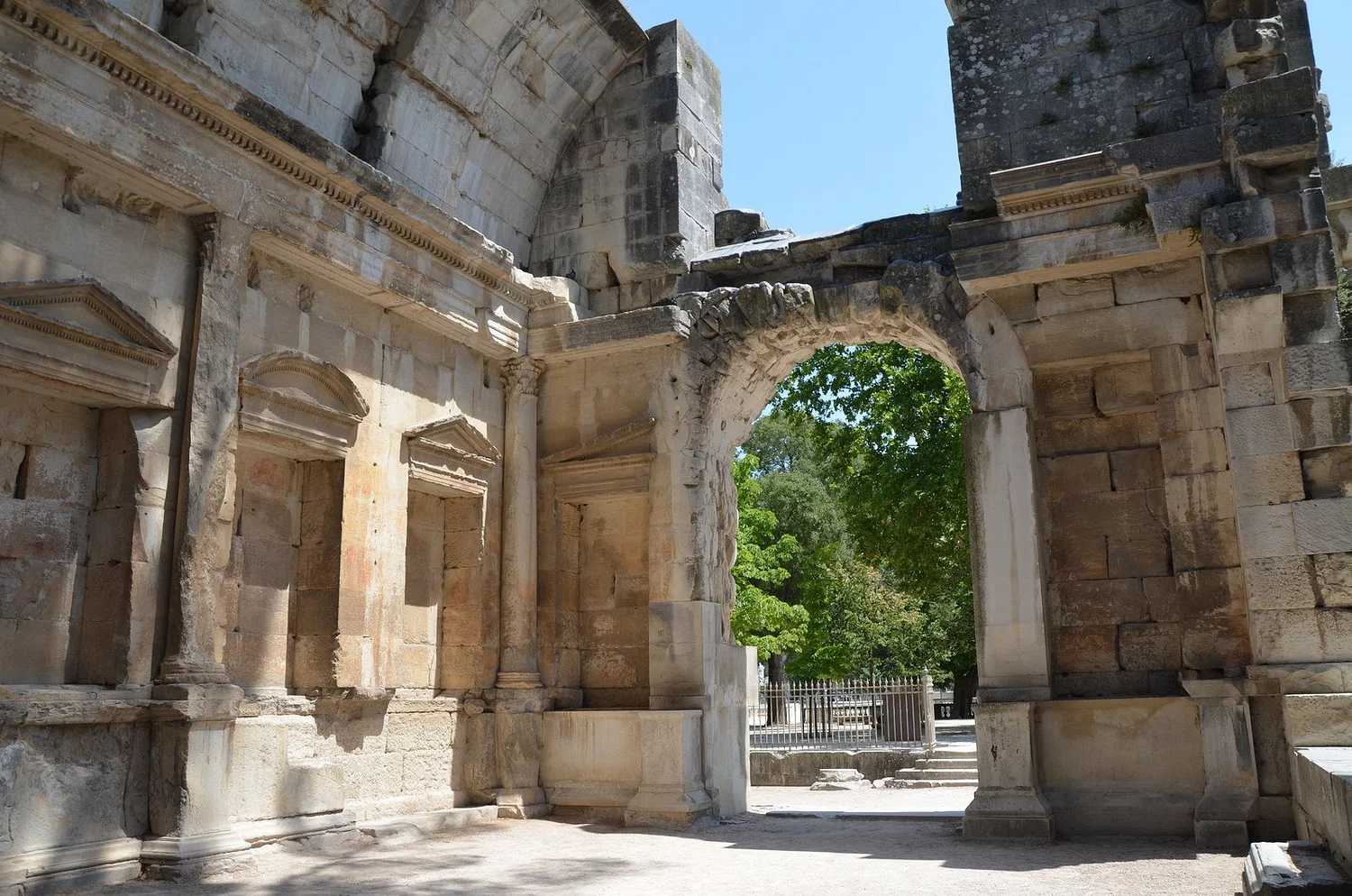
Roman Gallia preserves one of the largest and most geographically diverse corpora of Mithraic evidence in the western empire.
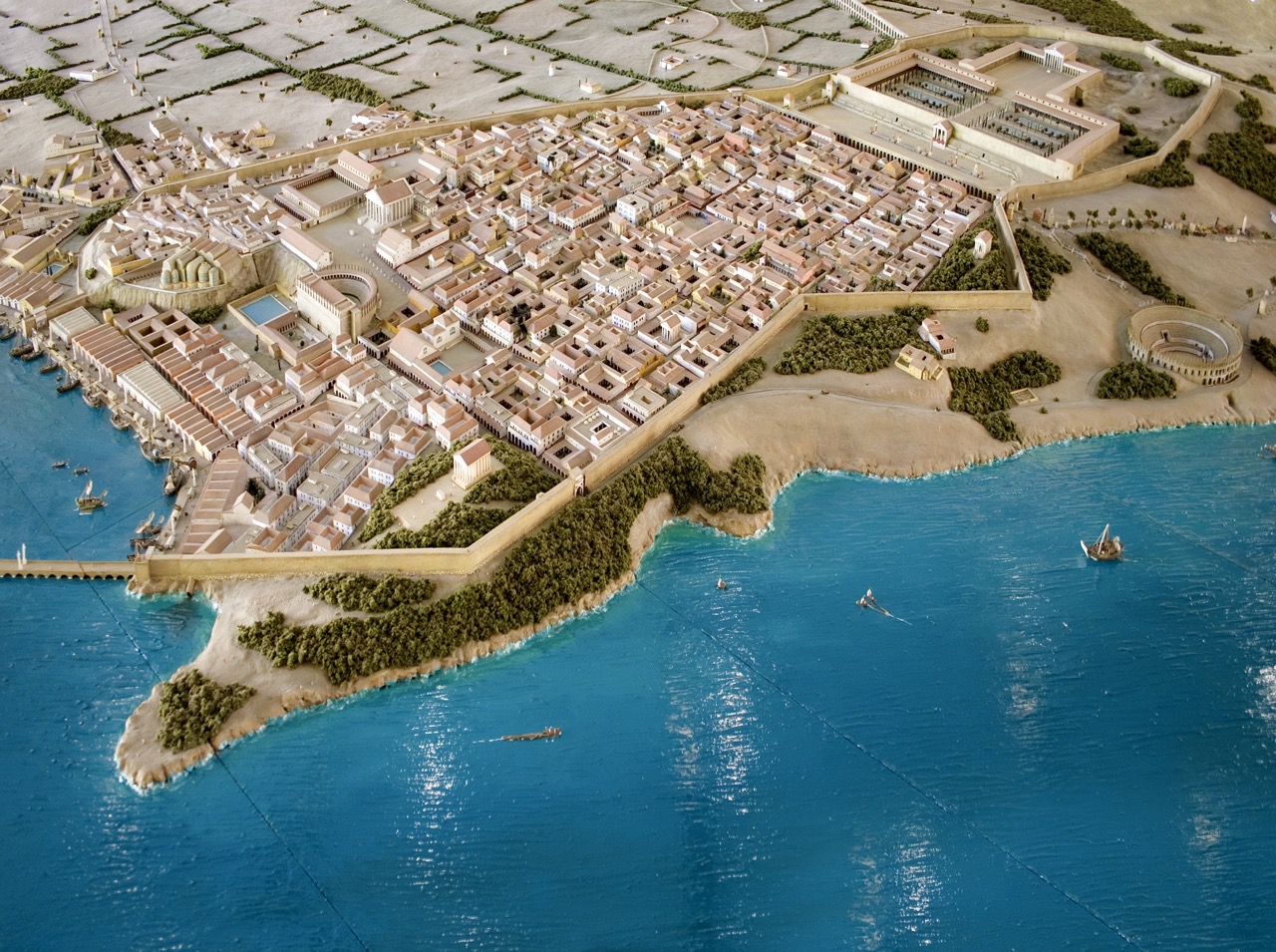
Across Tarraconensis, Mithraic evidence appears in diverse urban, military and Mediterranean environments of Roman Hispania.

Syria-Palestina occupied a complex religious landscape shaped by imperial administration, pilgrimage and eastern Mediterranean mobility.
Syria-Coele formed one of the principal urban and cultural centres of the Roman Near East where diverse religious traditions coexisted.
Roman Asia preserves a rich and diverse body of Mithraic evidence connected to the major cities of western Anatolia.
Pater Patrum and Senator. He was also the patriarch of the Olympian dynasty, overseeing a Mithraic community in the centre of Rome.

Imperial slave and an overseer of the Imperial estates who dedicated a Tauroctony to the Invincible god Sol.
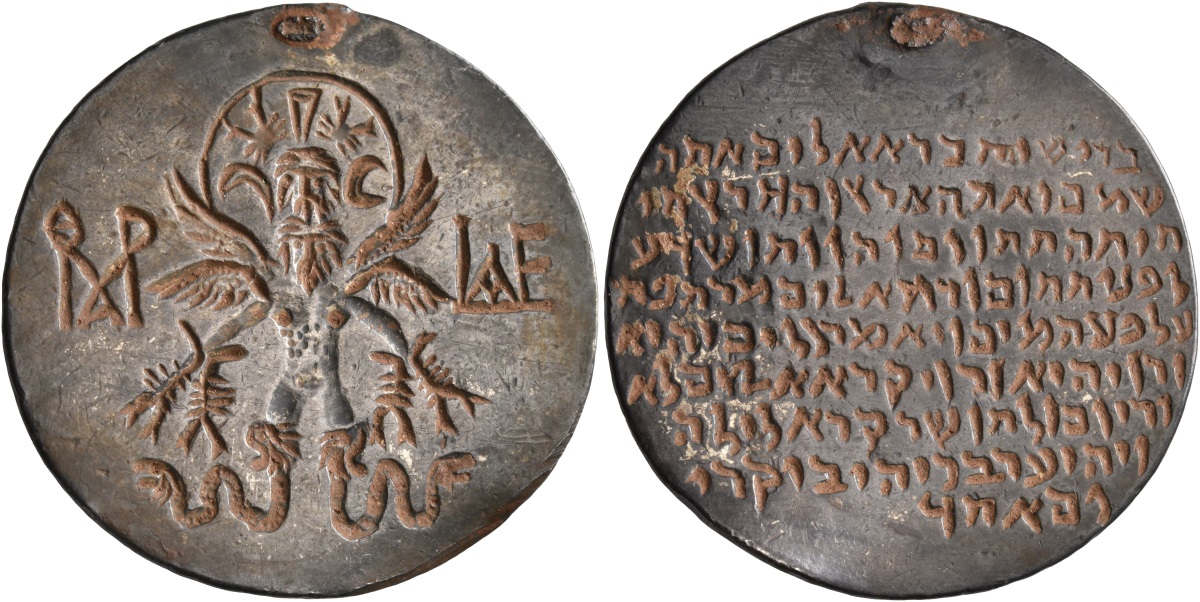
This silver amulet depicts Abraxas on one side and the first verses of the Book of Genesis in Hebrew on the other.

Interpreting the Bas-relief of Mithras Tauroctonos from Osterburken in the Light of Porphyry’s Treatise, The Cave of the Nymphs.
