Your search Alba Iulia gave 153 results.

Limestone capital reused as an altar at Apulum, Dacia, its top scraped off, bearing a dedication to Soli Mithrae by Aelius Gordianus.
Limestone altar from Apulum, Dacia, dedicated by Aelius Mestrius.
Top of a limestone altar from Apulum, Dacia, with a rosette in the pediment and palmettes on the sides, recording a dedication to the Numen invicti by a dedicant whose name may be Vallerius.
Limestone altar from Apulum, Dacia, dedicated to Soli invicto Mithrae by Caius Iulius Marcianus, signifer of Legio XIII Gemina.
Top of a limestone votive altar from Apulum, Dacia, preserving only the dedication to Invicto deo.
Limestone altar from Apulum, Dacia, dedicated to Deo invicto Mithrae as a gift by Titus Aurelius Marcus (tribu Fabia), veteran of Legio XIII Gemina.
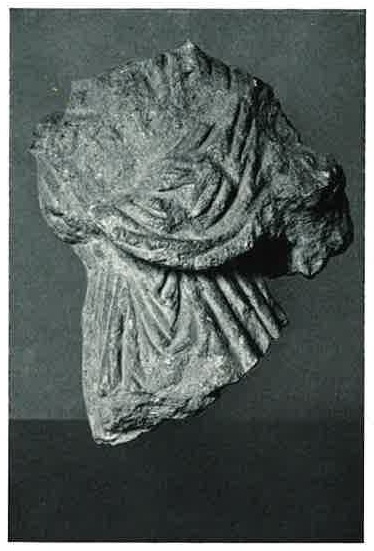
Limestone statue torso from the Mithraeum at Apulum, Dacia, found with the preceding piece, depicting a person in Oriental dress carrying a bull's head in his left hand; head, arms, and legs are lost.
Fragment of an open-work marble tauroctony from the Mithraeum at Apulum, Dacia, preserving Mithras's head with only the snout of the bull; the relief is framed by a border.
Altar from Apulum, Dacia, found in 1715, dedicated to Soli by Quintus Marcius Victor Felix Maximillianus, legatus Augusti of Legio XIII Gemina, together with his wife Pullaiena Caeliana and his son.
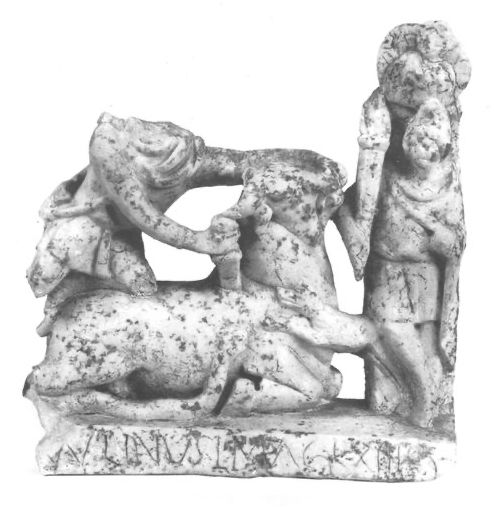
This relief of Mithras killing the bull was dedicated by the bearer of the imperial standard of Legio XIII Gemina, Marcus Ulpius Linus.

This altar to Invictus Mythra (sic) was found in 1867 in ancient Maros Portum, now Sighișoara, Romania.

This remarkable marble statue of Mithras killing the bull from Apulum includes a unique dedication by its donor, featuring the rare term signum, seldom found in Mithraic contexts.
This monument bears an inscription to Mithras by a well-known general of the Roman Empire.
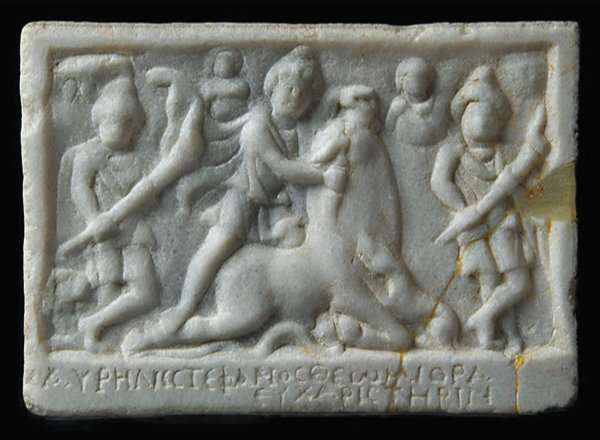
This relief of Mithras killing the bull is unique in the Apulum Mithraic repertoire because of its inscription in Greek.

White marble statue of Lion-head god of time, formerly in the Villa Albani, nowadays in the Musei Vaticani.
Inscription dedicated to Sol pro salute et reditu et victoria, with Tato as pater sacrorum, from the Ager Albanus.

Albano Laziale, sometimes known simply as Albano, is a comune in the Metropolitan City of Rome Capital, on the Alban Hills, in the Italian region of Lazio.
Wall-painting of Mithras tauroktonos in fresco, discovered in 1886 in an underground room of the house of the Nummi Albani on the Quirinal (Via Firenze); the god wears a red cap and tunic, the torchbearers wear yellow or orange tunic and cap with green or brown anaxyrides…
Limestone altar from Cioroiul Nou, Dacia, dedicated to Soli invicto Mithrae for the welfare of his family by Caius Antonius Iulianus.
