Your search Ancient Agora of Athens gave 661 results.

Limestone altar from the ruins of ancient Plevlje, Dalmatia, walled into the well of the local barracks, dedicated to Soli invicto sacrum by Sextus Baberius Ianoarius.
Limestone tauroctony relief fragment from Cavtat, ancient Epidaurum in Dalmatia, preserving the dog leaping up against the bull and part of a Cautes figure not cross-legged.
A brief inscription to Sol Invictus as companion of the emperor found among the ruins of ancient Interamna Lirinatis in the Umbrian territory of Terni.
A marble tauroctony relief fragment probably from Narni (ancient Narnia) in Umbria, now in the Museo Nazionale delle Terme in Rome, preserving Mithras in Eastern dress as a bullkiller with dog and Cautopates standing cross-legged before the bull; the exact find-spot is uncertain…
A white marble tauroctony statue found in 1925 at the ancient site of Lorium near the eleventh milestone on the Via Aurelia outside Rome, showing Mithras slaying the bull with dog, serpent and scorpion, accompanied by Cautes and Cautopates; now in the Palazzo Doria…
Ancient marble fragments walled into the staircase of the house at Via Boncompagni 101 (Boarding-house Cosmopolita), including a lower part of a Mithras bull-killing group and a fragment of a low-relief with the bullkilling; not traced by Vermaseren.

White marble tauroctony relief from Sofia, ancient Serdica in Thracia, found near the Church of St. Kral, depicting the standard bull-slaying with the full iconographic programme.
Latin dedication to the invincible Mithras reportedly discovered north of ancient Colophon in Lydia.

Ancient region of the Crimean Peninsula associated with the Greek colonies and Roman presence in Taurica.
Anazarbus was an ancient Cilician city. Under the late Roman Empire, it was the capital of Cilicia Secunda.
Chemtou or Chimtou was an ancient Roman-Berber town in northwestern Tunisia, located 20 km from the city of Jendouba near the Algerian frontier. It was known as Simitthu (or Simitthus in Roman period) in antiquity.
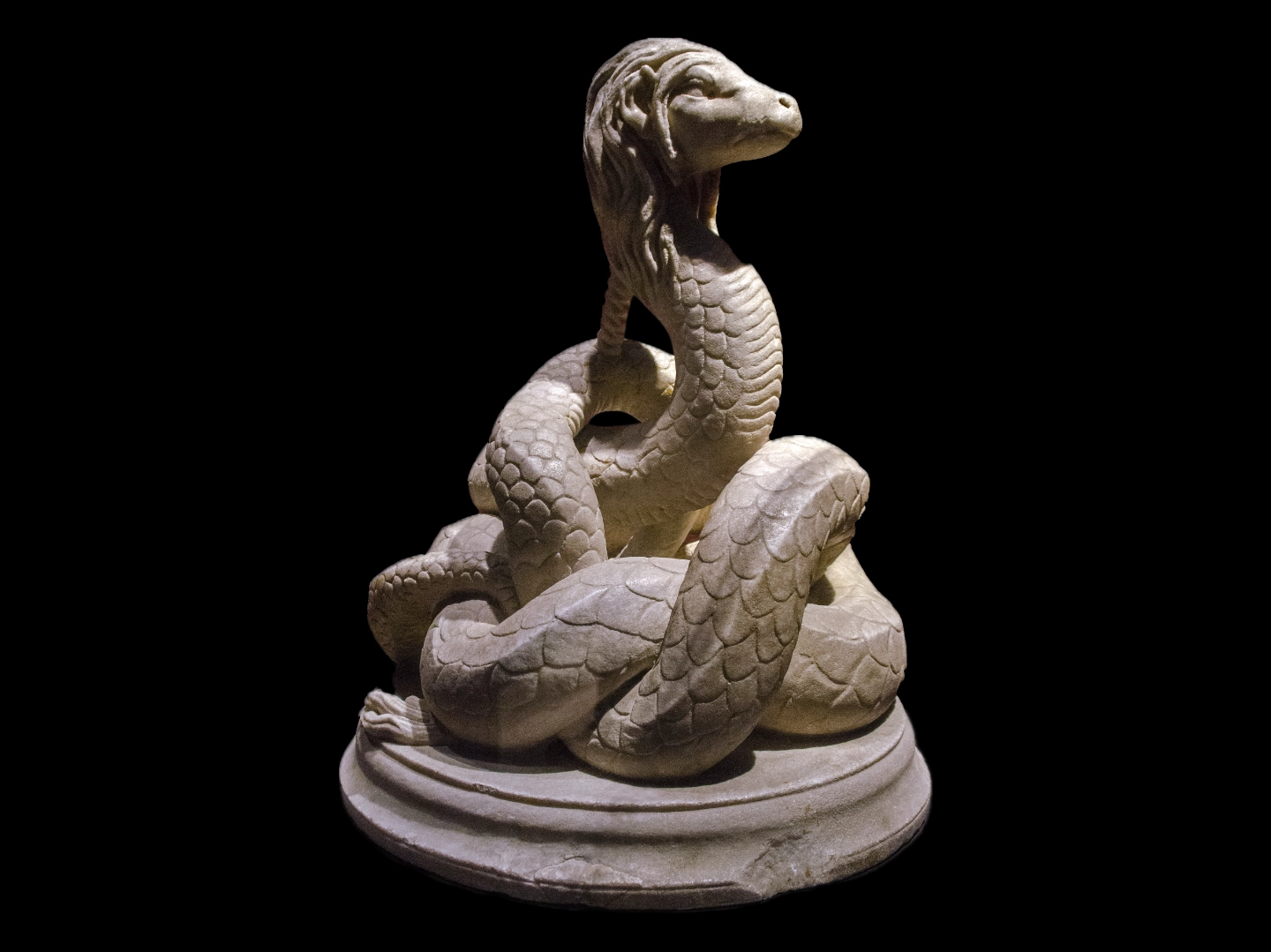
At Rome’s twilight, amid political upheaval and Christian ascendancy, Vettius Agorius Praetextatus embodied pagan intellect, virtue, and authority across senatorial, military, and mystical spheres.

Often neglected or considered too transgressive, the Priapeia, with its blend of Roman and Hellenistic influences, offers a complex view of ancient customs, especially homosexuality, combining literary tradition with sociological insight.

Mithras explores the history and practices of the ancient mystery religion Mithraism, looking at both literary and material evidence for the god Mithras and the reception and allure of his mysteries in the present.
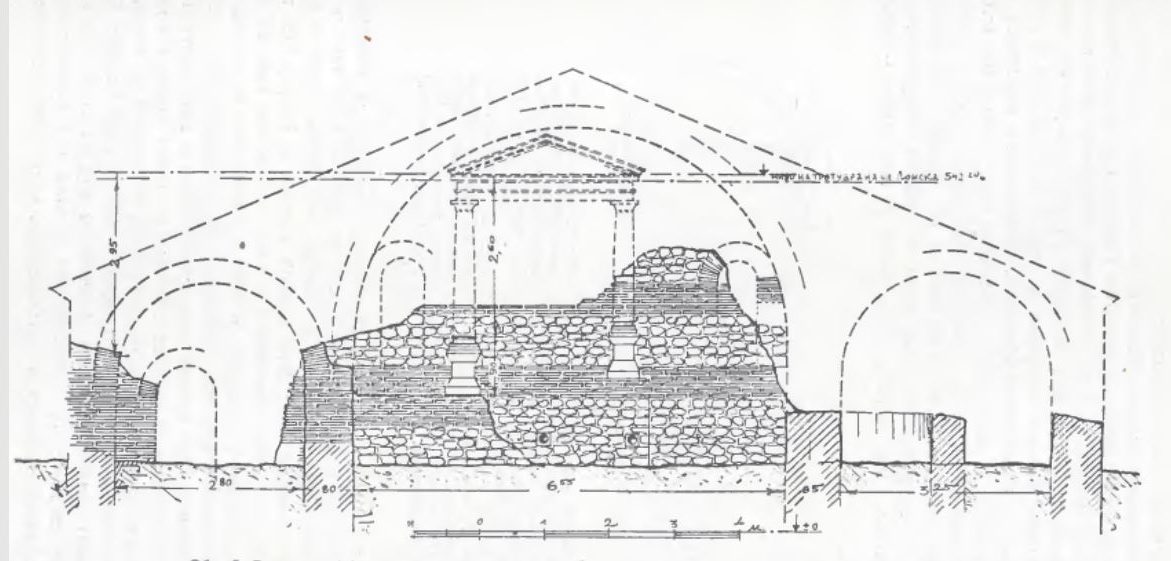
The Mithraeum of Serdica was found in the fortified area of the ancient city of Serdica, now Sofia, Bulgaria.

Of Isis and Osiris or Of the Ancient Religion and Philosophy of Egypt, Plutarch, The Moralia.
The Mysteries of Mithras is an independent Initiatic Order which is inspired by and uses the allegory of the lost and ancient Mithraic Mysteries also known as Mithraism a previously influential Roman Cult of the same name.

"The remaining figure on this monument, Herakles, was previously misidentified as Apollo on this remarkable black basalt tablet from Samsat, known in Roman times as Samosata.

Tracing the links between the cult of Mithras and the Proud Boys’ quest for identity, power, and belonging. How ancient rituals and brotherhood ideals resurface in radical modern movements.

The remains of the Mithraeum of Aosta, also known as the Mitreo di Augusta Praetoria, were discovered in 1953 in insula 59, in a commercial district of the ancient city.
