Your search As Salhiyah gave 2397 results.
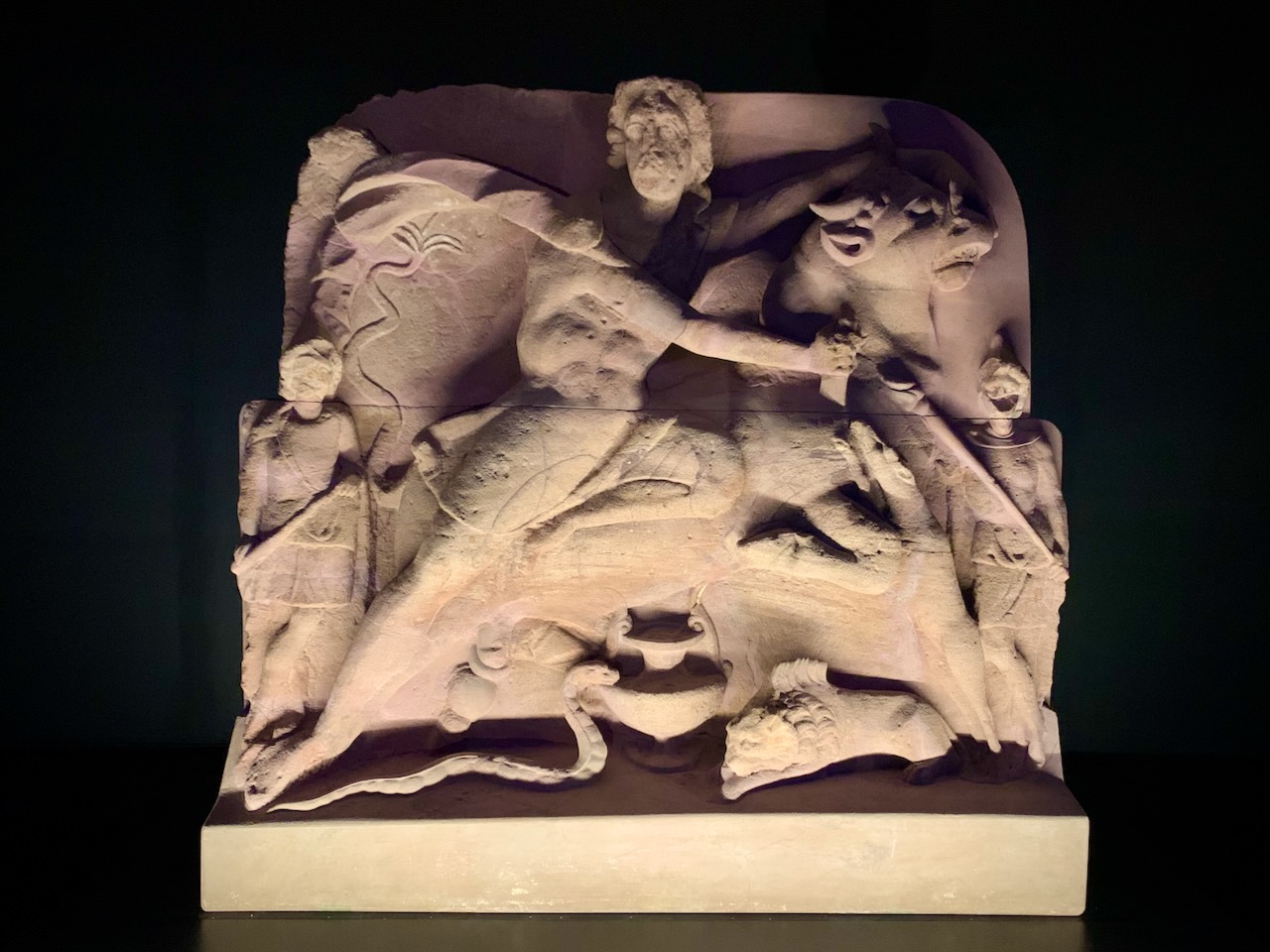
The relief of Mithras slaying the bull from Nida's Mithraeum III was found in two pieces in 1887, destroyed during an air raid on Frankfurt in 1944, and restored in 1986.
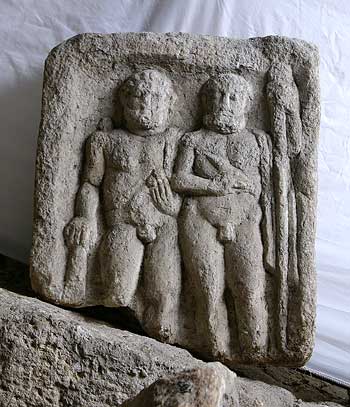
This marble relief was found in a Mithraeum in Ptuj.

The Mithraeum of Szony has the form of a grotto and the entrance is on the west side.
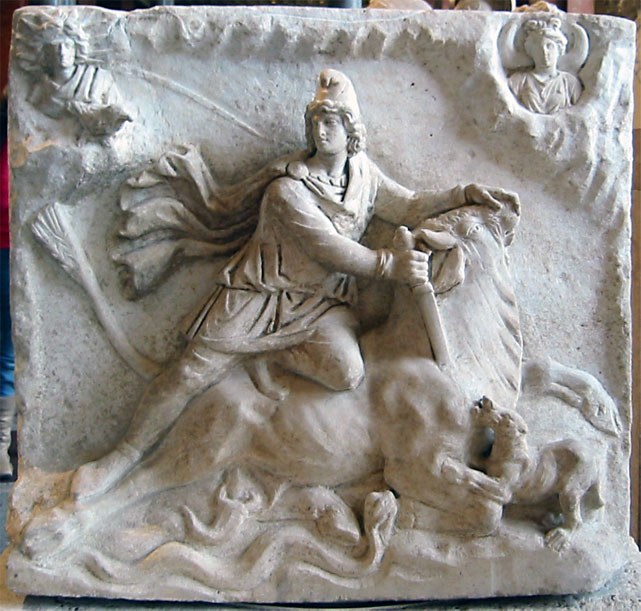
The marble shows Mithras slaying the bull, on one side, and Sol and Mithras feasting on a bull skin, on the other.
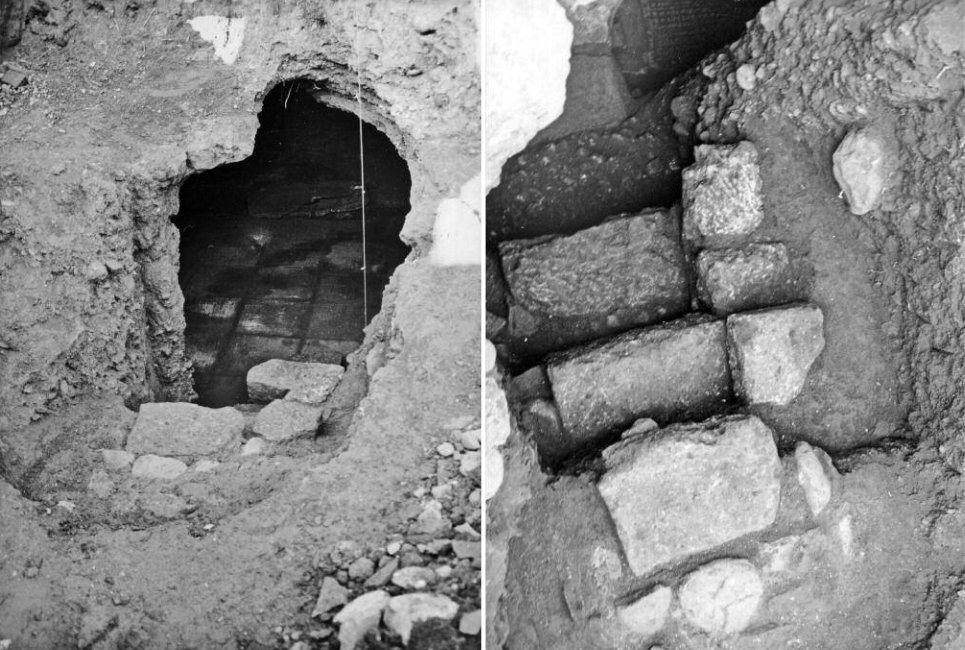
The underground cave which served as temple was cut into the conglomerate rock of the area, and a flight of eight steps of stone slabs led to it.

In Aquincum petrogenia, Mithras holds the usual dagger and torch as he emerges from the rock.
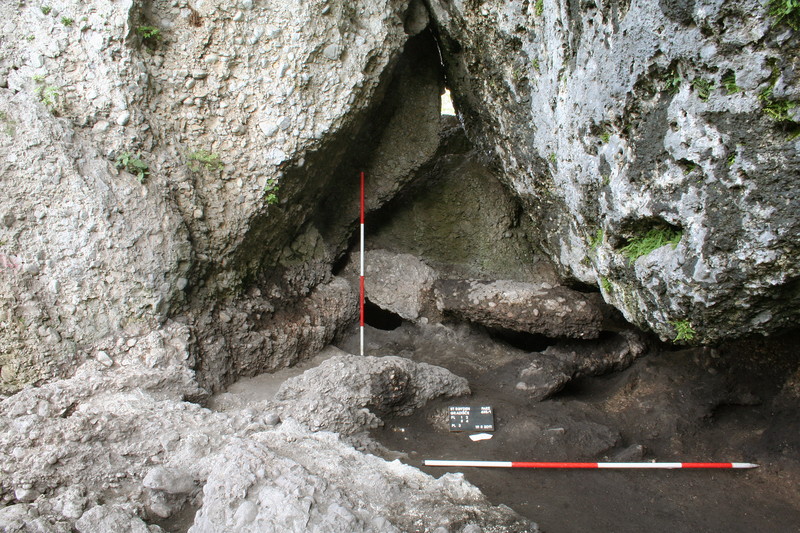
The 'Mithraic cave' in the Gradische/Gradišče massif near St. Egidio contained vessels decorated with snakes and the remains of chicken bones and other animals that were consumed during Mithraic ceremonies.
This temple of Mithras on the north side of the Capitoline Hill in Rome no longer exists.
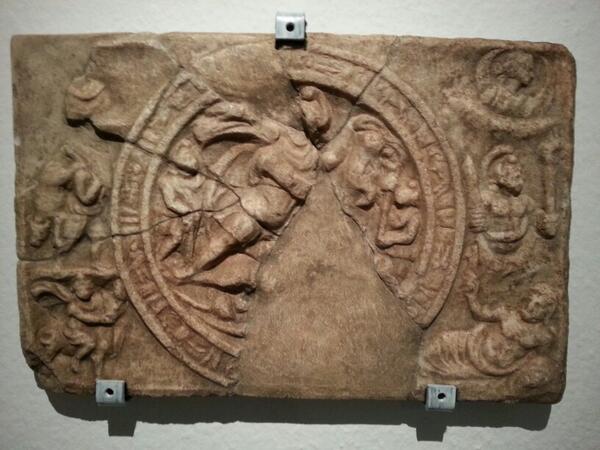
The relief of Mithras slaying the bull of Sisak includes the zodiac and multiple scenes from the myth of Mithras.
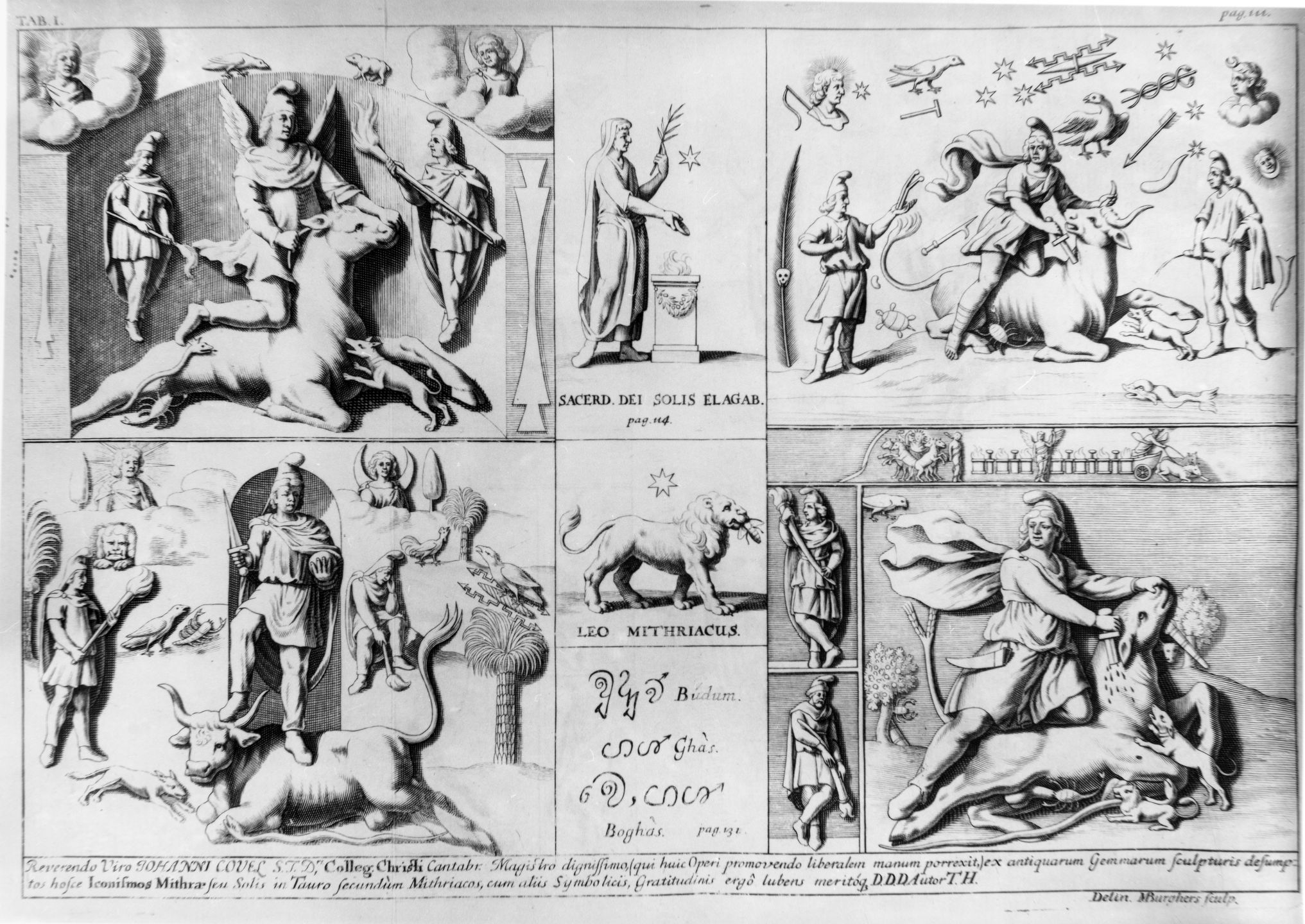
The folio depicts three tauroctonies and a Mithras Triumphantes standing on a bull with the globe in one hand and the dagger in the other.
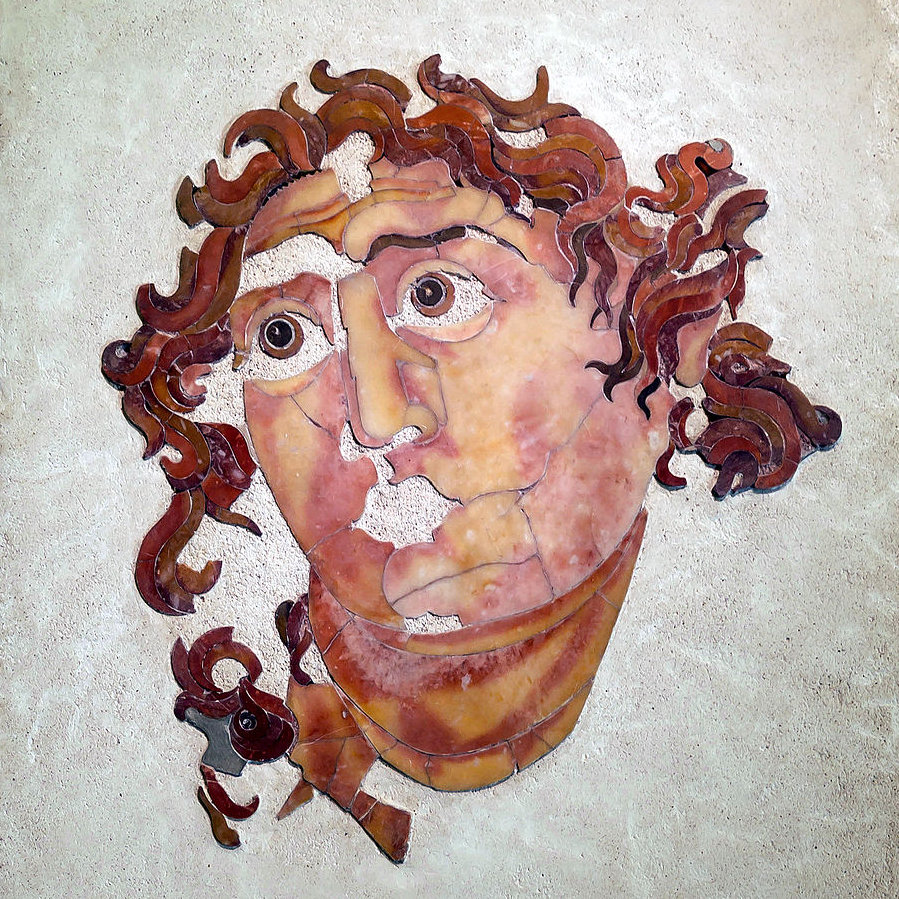
The intarsium of Sol found in the Mithraeum of Santa Prisca is composed of several varieties of marble.
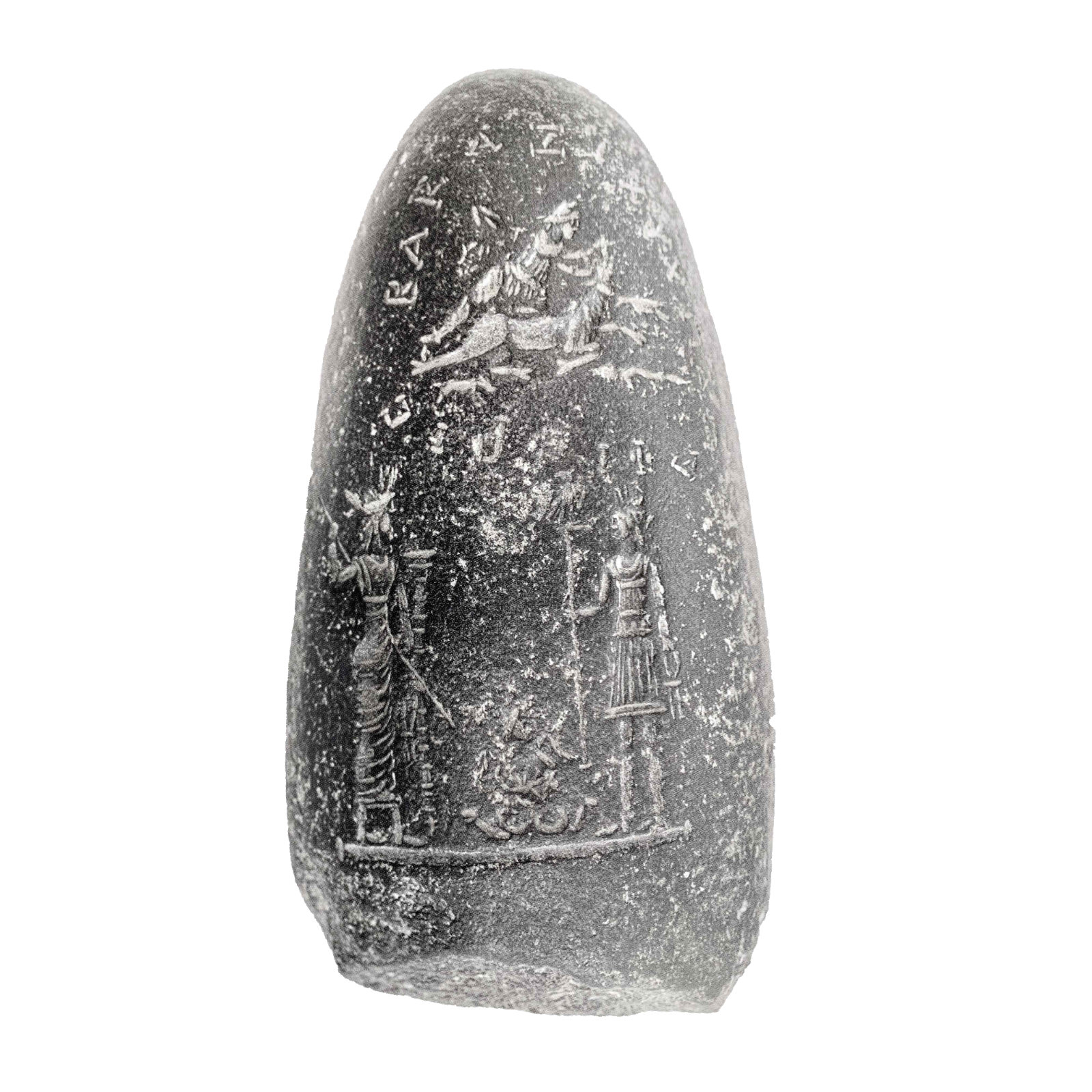
According to Christopher A. Faraone, the axe-head from Argos belong to a category of thunderstones reused as amulets.
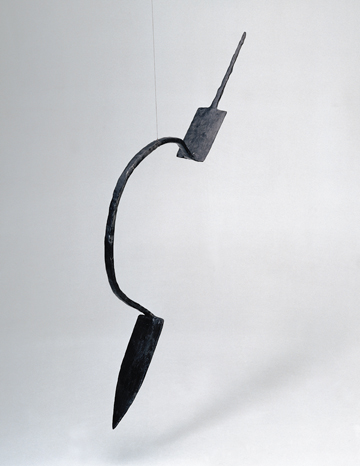
The Mithraic sword found in the Riegel Mithraeum may have been used as a prop during rituals.
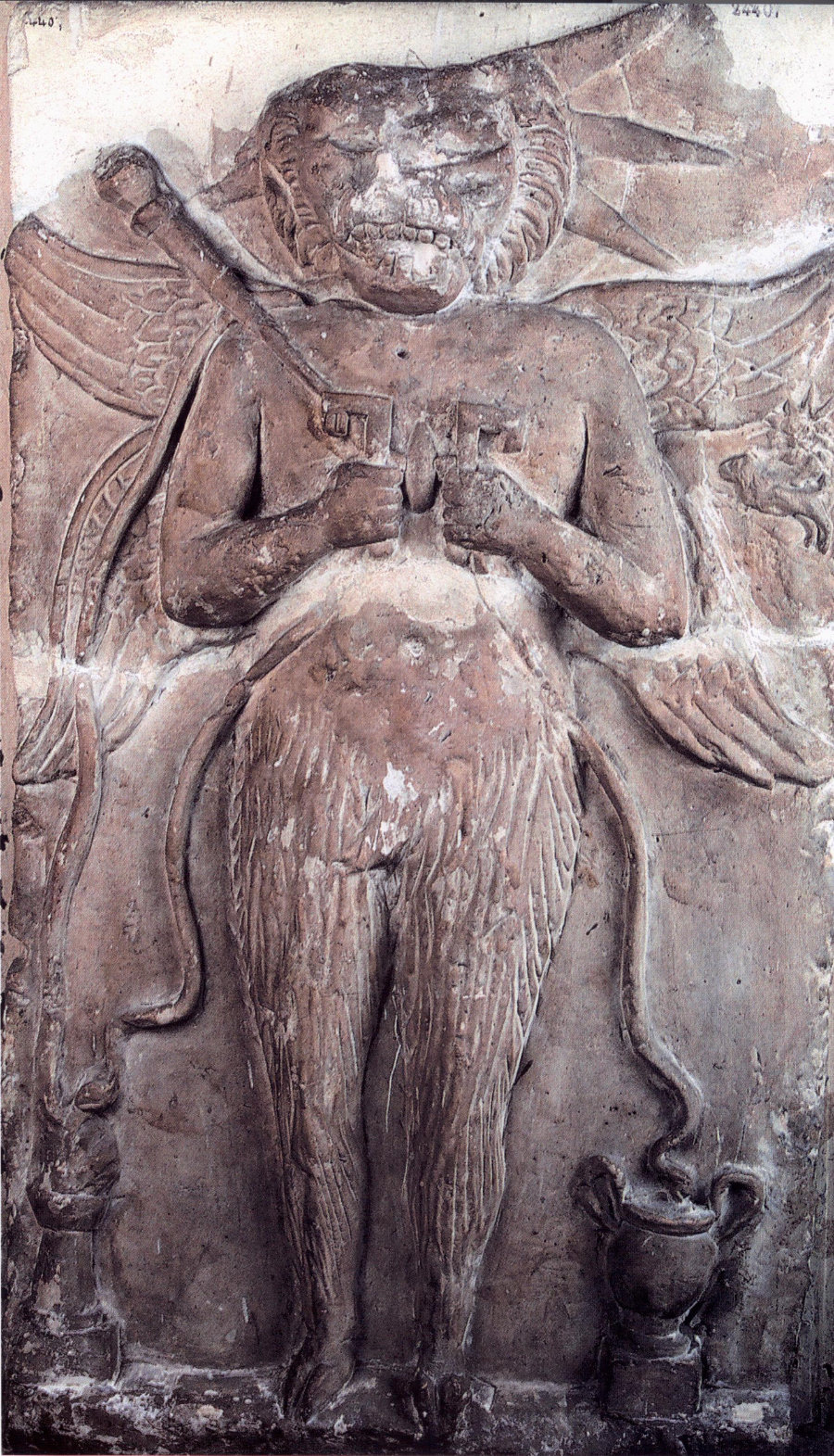
According to Pettazzoni Aion in general finds its iconographical origin in Egypt. Mithras must have been worshipped in Egypt in the third century B.C.
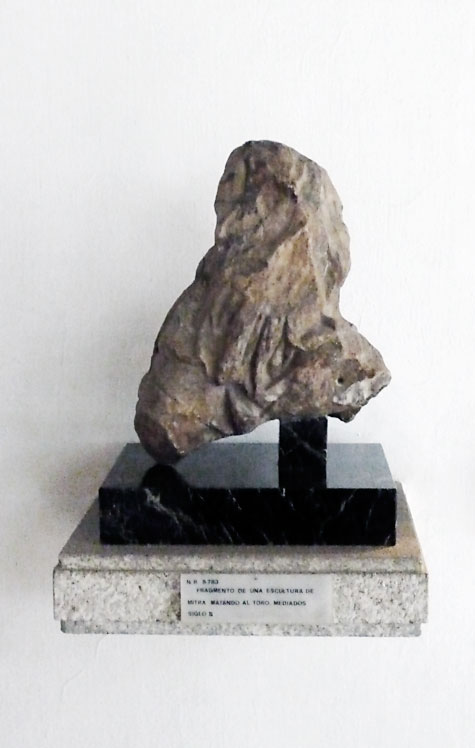
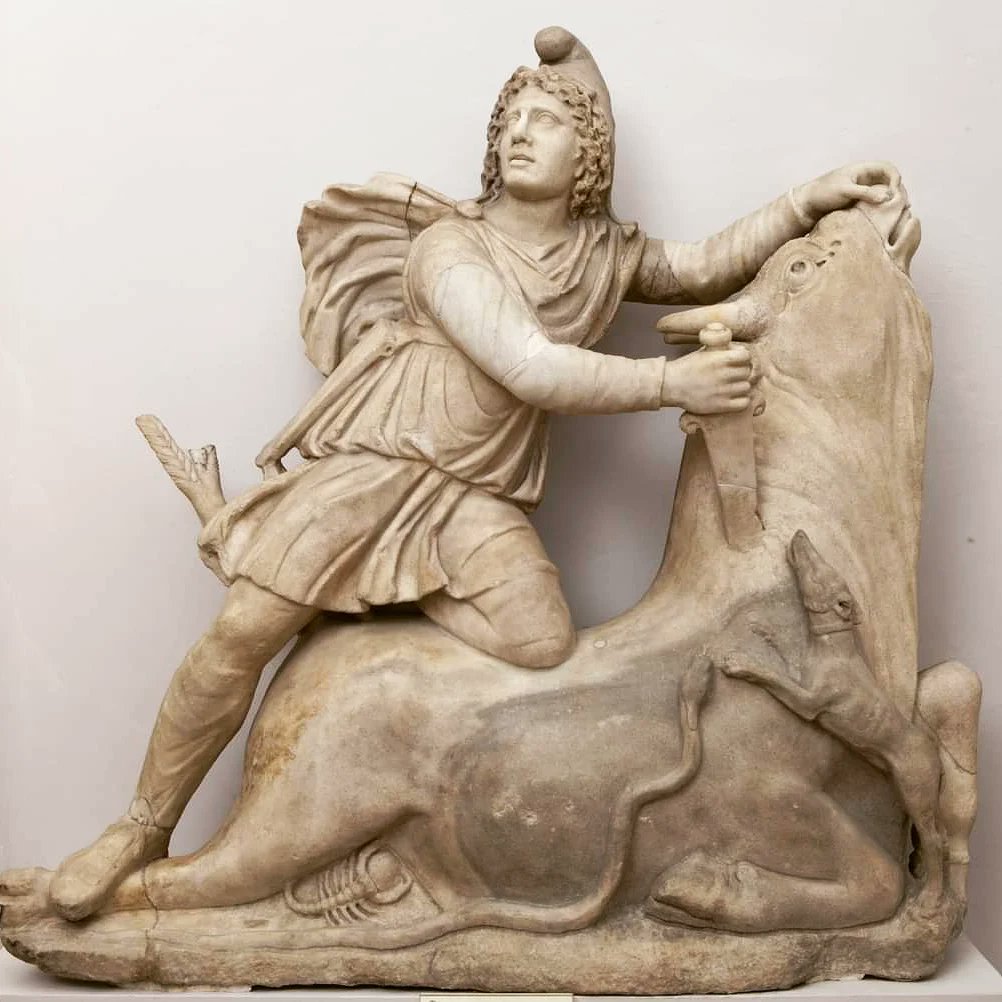
This sculpture of Mithras slaying the bull was bequeathed to the Republic of Venice in 1793 by Ambassador Girolamo Zulian.
At about a mile's distance from the village of Mit-Rahine near Memphis a Mithraeum has been discovered, which itself has not yet been described.
García y Bellido proposed the existence of a mithraeum in a narrow, elongated room where the Troia mithraic relief was found.
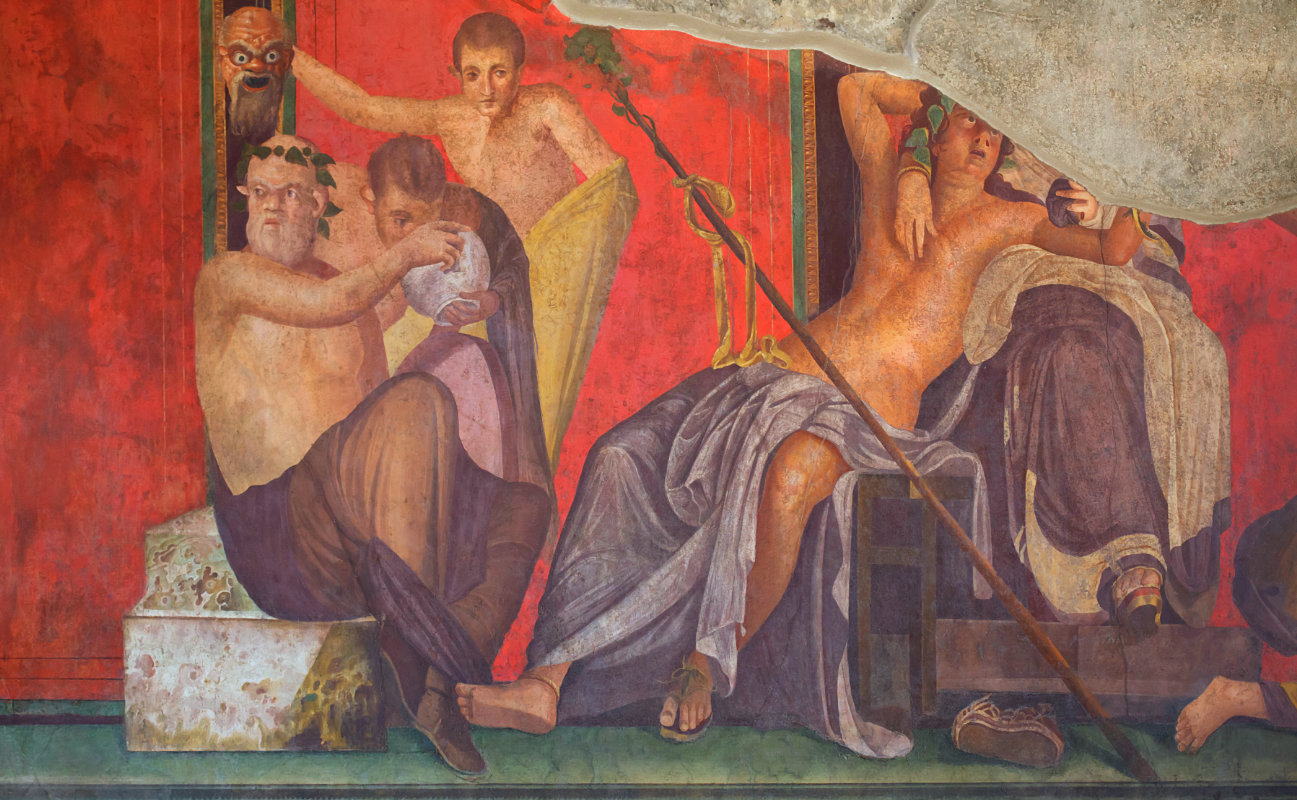
Peter Mark Adams: ‘The initiation was a frightening experience that caused some people to panic as a flood of otherworldly entities swept through the ritual space.’.
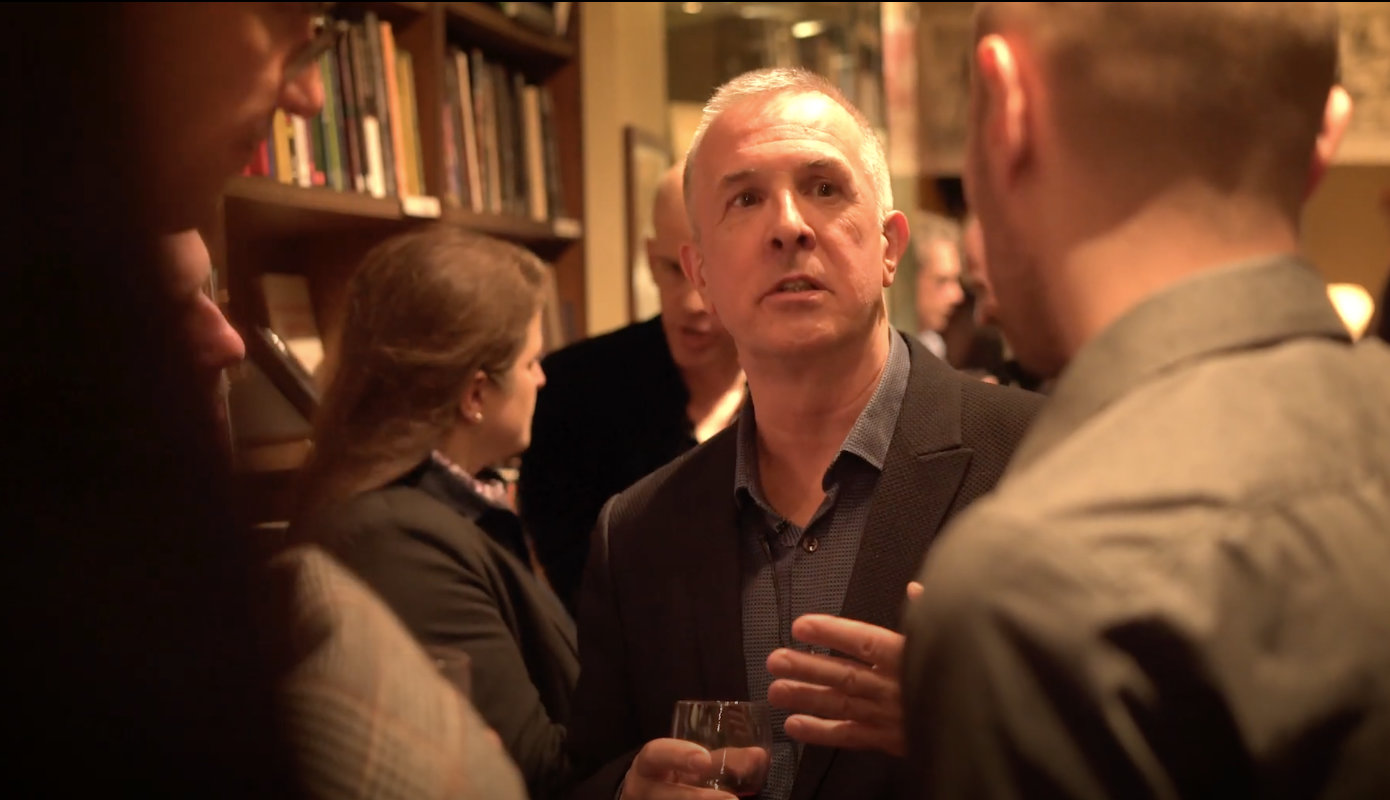
Presentation on the Dionysian-themed frescoes of the Villa of the Mysteries by Peter Mark Adams on the occasion of the presentation of his book.
