Your search As Salhiyah gave 2397 results.

Colonia Ulpia Traiana Augusta Dacica Sarmizegetusa was the capital and the largest city of Roman Dacia, later named Ulpia Traiana Sarmizegetusa after the former Dacian capital, located some 40 km away. The city was destroyed by the Goths.
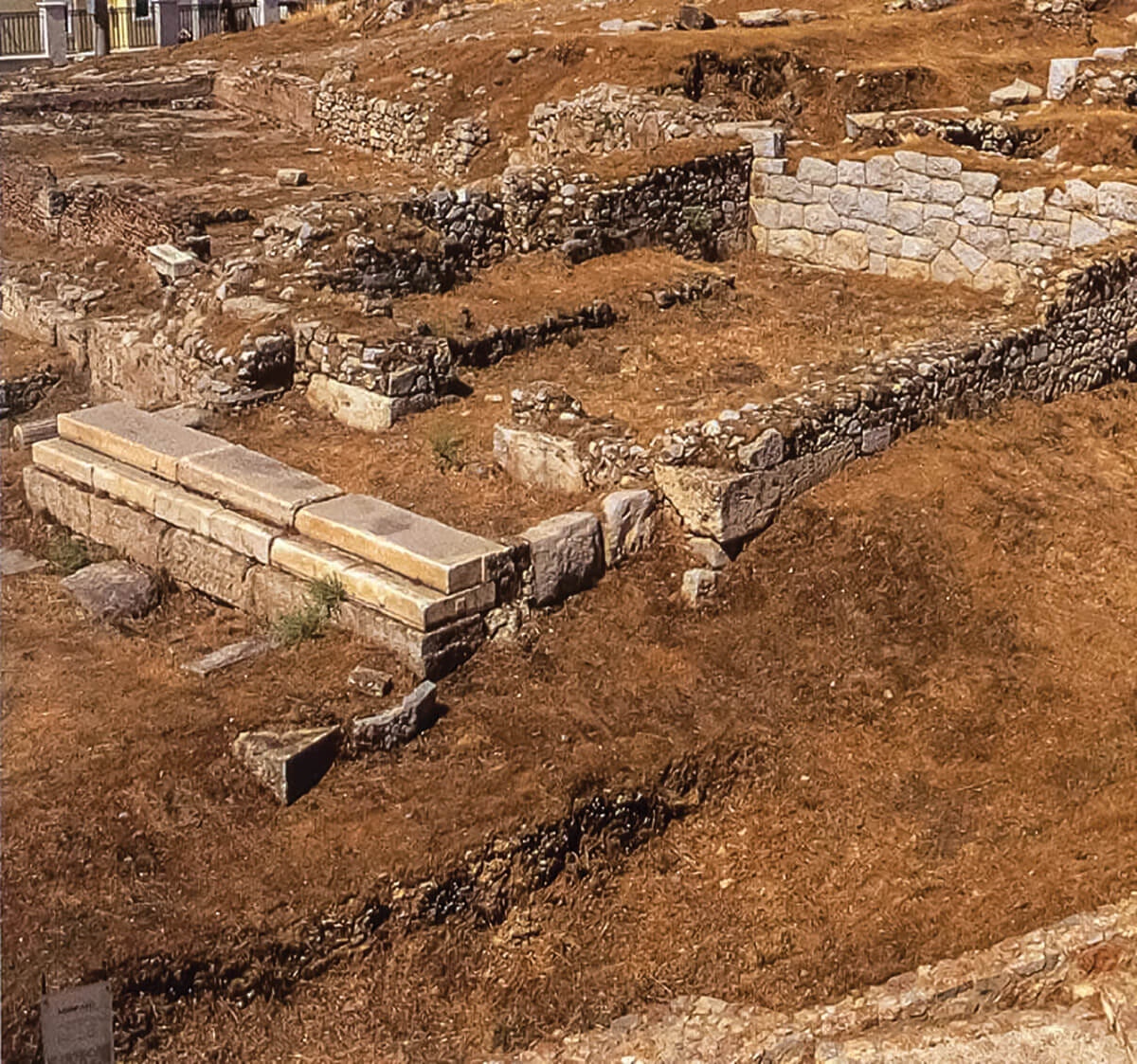
A Mithraeum has been identified in Eleusis where the last Hierophant form thespia had the rank of Father in the Mithraic Mysteries.

Commagenean sanctuary preserving relief fragments of Mithras greeting royal figures at the hierothesion of Mithridates Kallinikos.
Subterranean sanctuary at ancient Atchana tentatively interpreted by Woolley as an early precursor to later Mithraic temples.
Antioch was the capital of Roman Syria and gateway between the Mediterranean and the eastern provinces.
Altar inscription from Sahin invoking the most high heavenly god and Mithras in the Alawite Mountains.
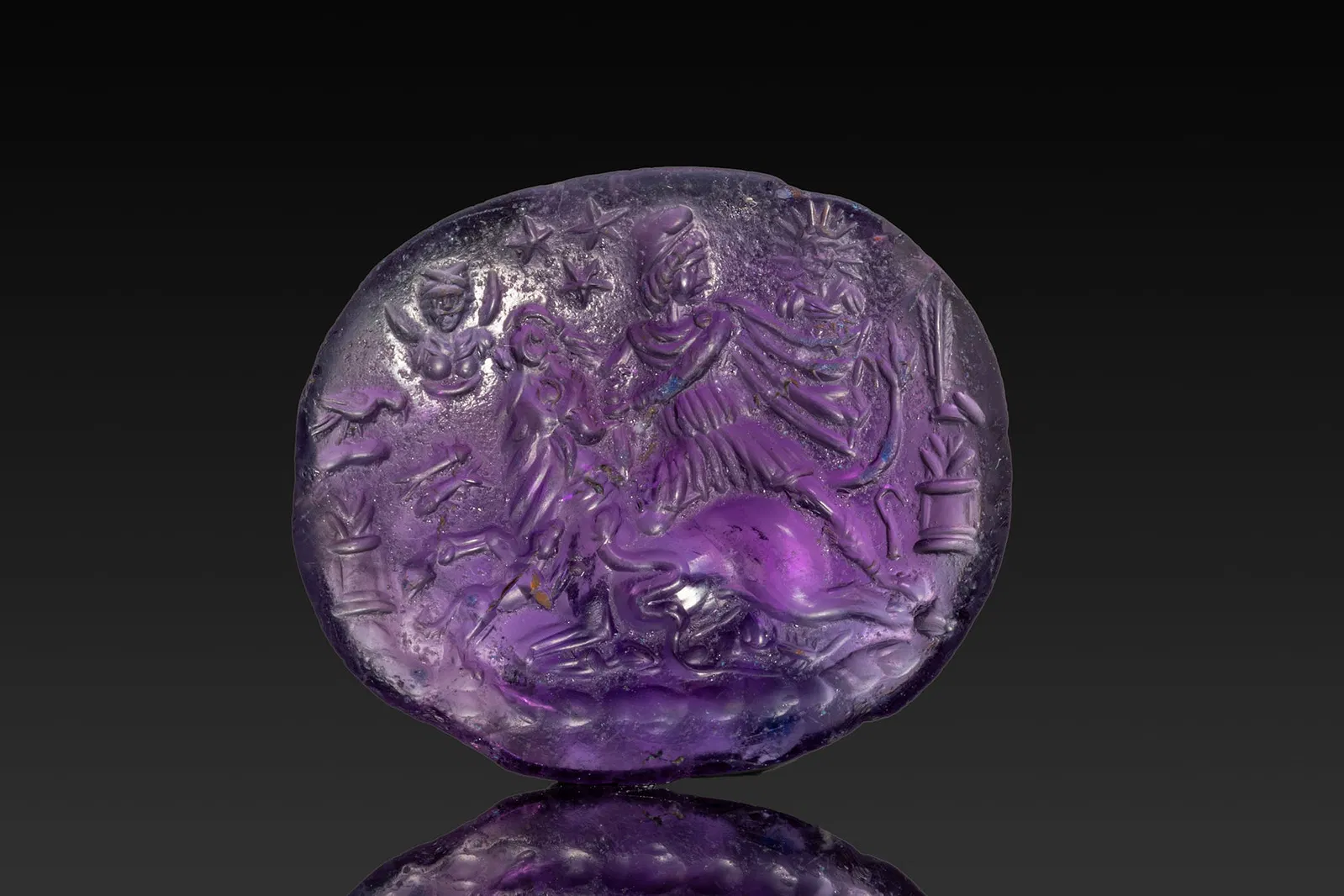
Amethyst intaglio engraved with Mithras slaying the bull, accompanied by Sol, Luna and other canonical Mithraic symbols.
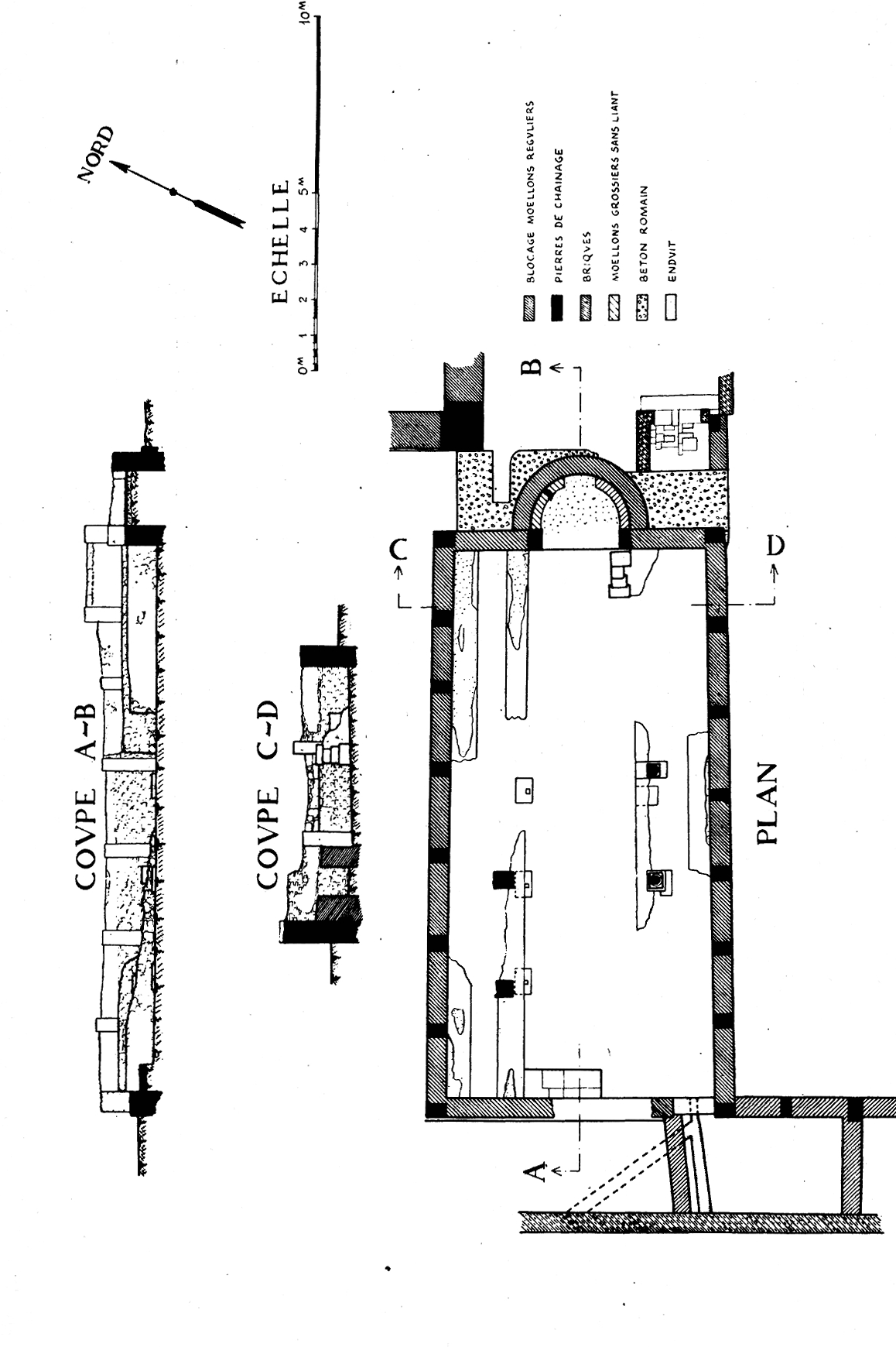
The Mithraeum of Tazoult / Lambèse is one of the best preserved Mithras’s temples in Africa.
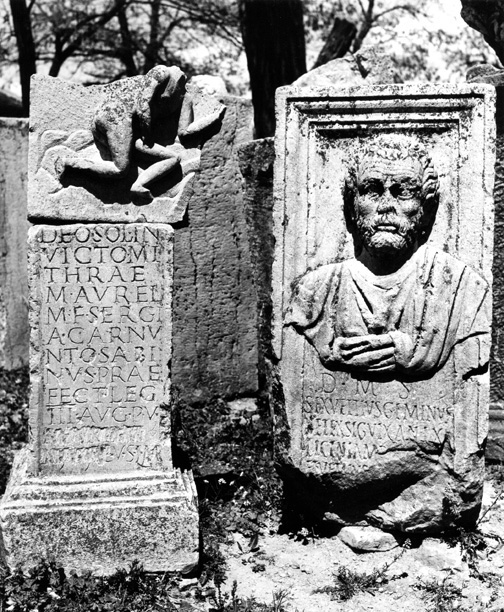
This altar to the god Sol invicto Mithra was erected by a legate during Maximin’s reign in Lambaesis, Numidia.
Many of the inscriptions and sculptures of the site were kept in a museum which has been destroyed.
Corner fragment preserving the feet and lowered torch of the Mithraic torchbearer Cautopates.
Only the left section survives, showing Sol above the torchbearer Cautopates beside the cave border.
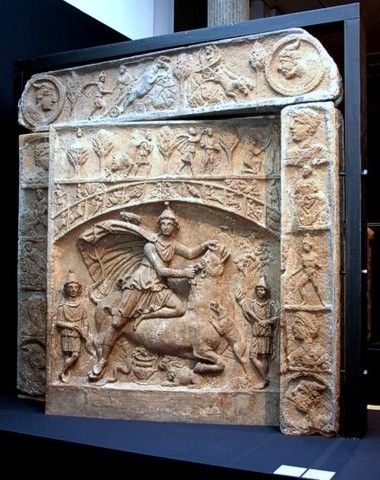
This relief is so well-known that it has been reproduced in nearly every handbook of archaeology and of history of religions.
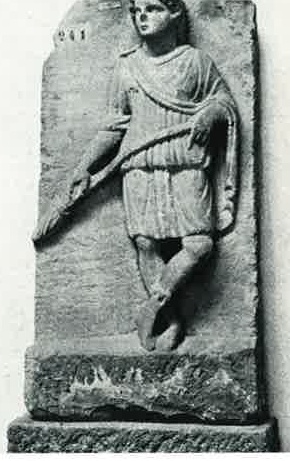
Relief in red sandstone originally standing on a base in Mithraeum I at Heddernheim, ancient Nida, featuring the bull-slaying scene.
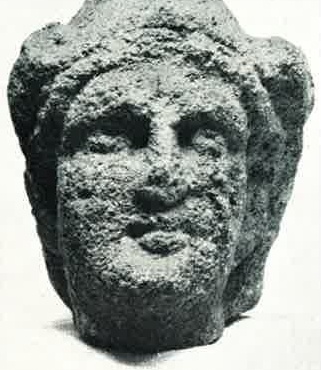
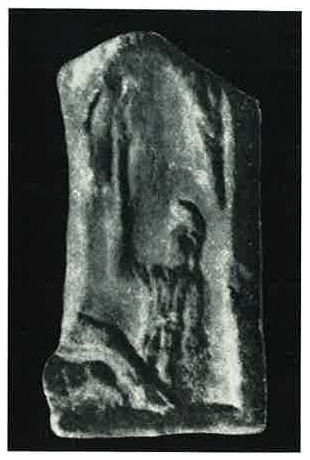
Sandstone fragment from Mithraeum I at Heddernheim, ancient Nida, probably the damaged head of a torchbearer, often misidentified as Mercury.
Nida was an ancient Roman town in the area today occupied by the northwestern suburbs of Frankfurt am Main, Germany, specifically Frankfurt-Heddernheim, on the edge of the Wetterau region.
This inscription by a certain Numidius Decens was found in the Forum of Lambaesis, now Tazoult تازولت in Algeria.
Uruk, the archeological site known today as Warka, was an ancient city in the Near-East or West-Asia, located east of the current bed of the Euphrates River, on an ancient, now-dried channel of the river in Muthanna Governorate, Iraq.
The site of Ay-Todor in Crimea revealed a Roman camp, a temple with votive offerings, and a Mithraeum.
Gold coin from Bactria depicting ΜΙΙΡΟ (Mithras) with radiate crown and military attributes.
