Your search Bad Ischl im Salzkammergut gave 2084 results.
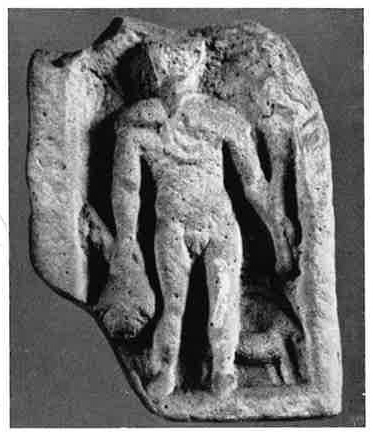
Sandstone relief from the Mithraeum at Gimmeldingen depicting a standing Mercury with caduceus and purse, accompanied by a ram and a cock; the head and upper caduceus are damaged.

Statue of Cautopates from Neuenheim, holding a downward torch with both hands, now in the Kurpfälzisches Museum at Heidelberg
Altar from the Mithraeum at Neuenheim dedicated to Iovi optimo maximo by Candidius Quartus

The Mithraeum of Visentium, near Capodimonte in Viterbo, was carved grotto-style into a tuff cliff overlooking the waters of Lake Bolsena, just a few dozen metres away.
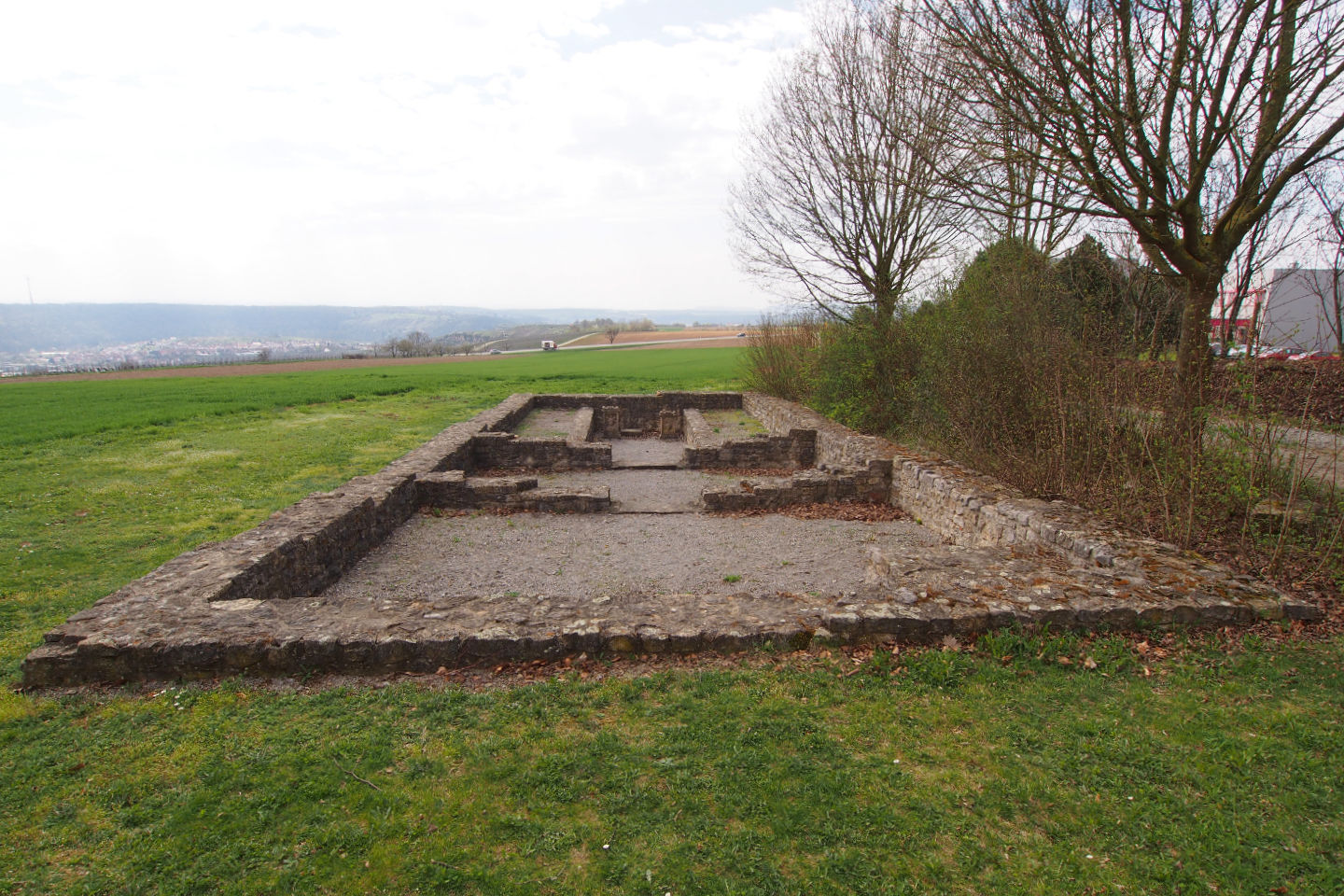
The two altars found in the Mithraeum of Mundelsheim one of Sol and the other of Luna, are exposed in situ.
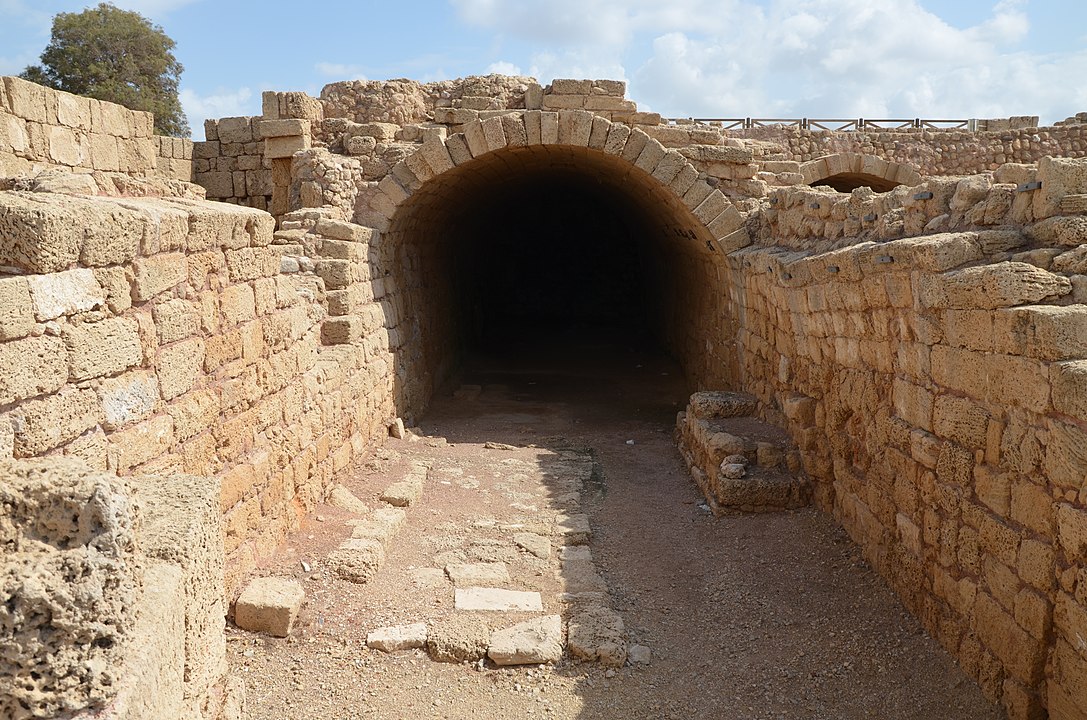
This shrine developed towards the end of 2nd century and remained active until beginning 4th.
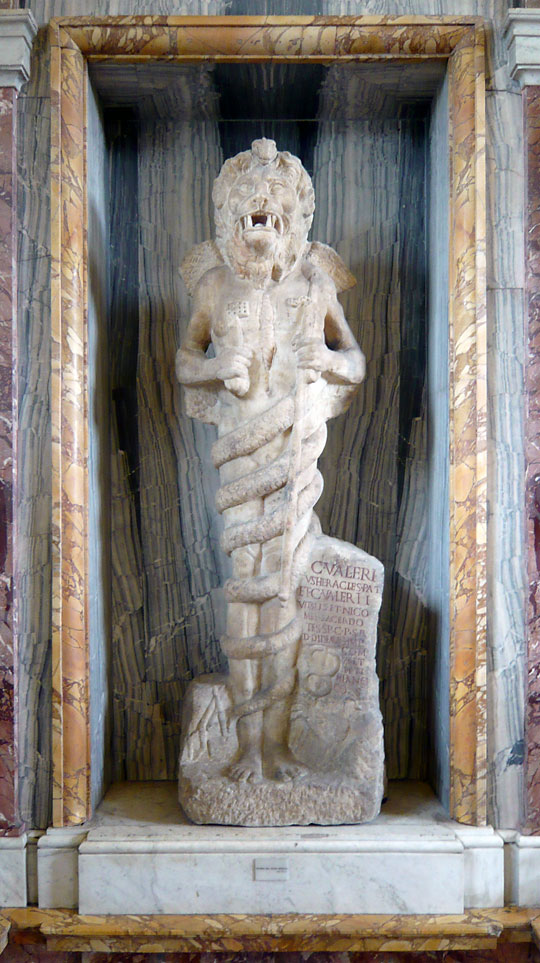
Marble leontocephalic Aion/Arimanus from the now-lost Fagan Mithraeum at Ostia, dedicated in AD 190 by three members of the local Mithraic priesthood.
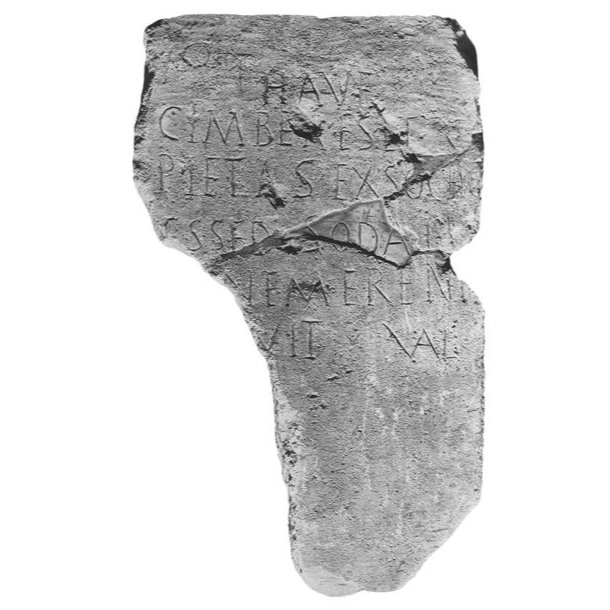
This monument with an inscription by two individuals was found in the first mithraeum of Cologne, Germany.
Limestone slab dedicated to the invincible Sun by the governor Marcus Aurelius Decimus near the temple of Aesculapius.
Dedication from the Mithraeum of Rudchester recording the restoration of a temple dedicated to Sol Invictus.
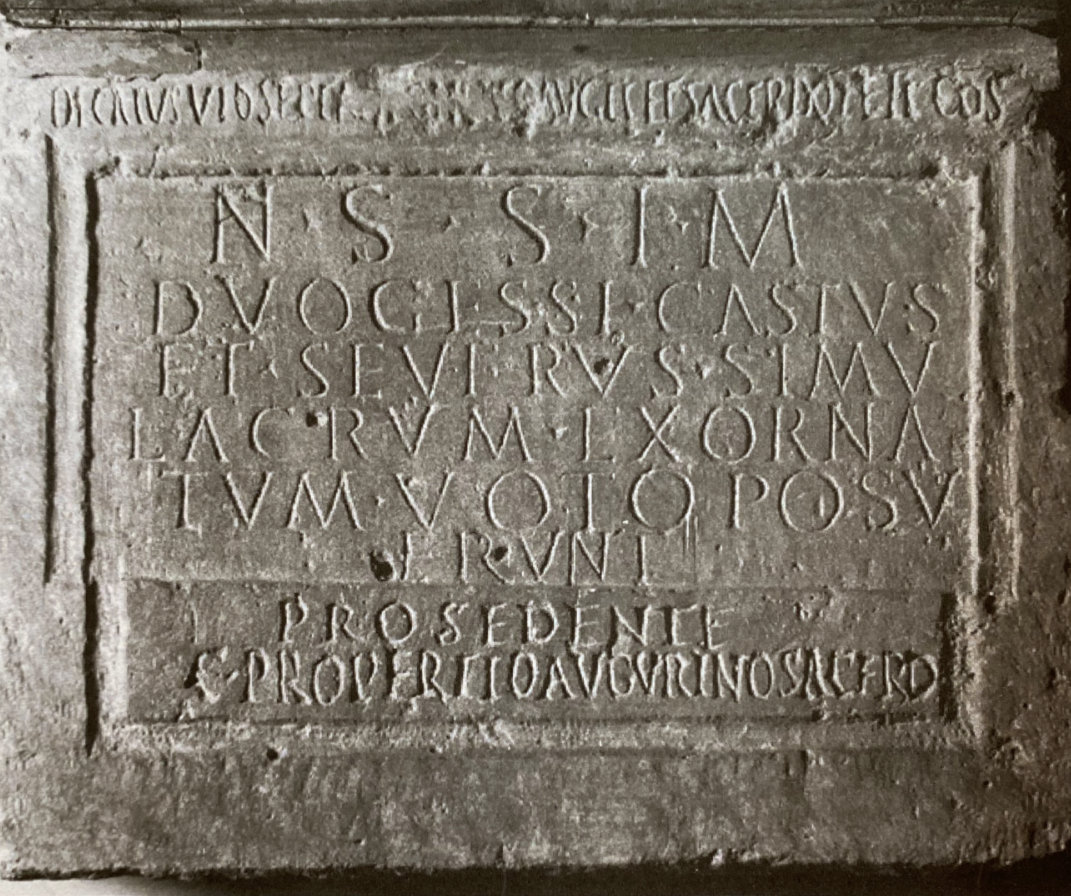
Gessius Castus and Gessius Severus have placed a decorated stutue and left testimony on this inscription below.
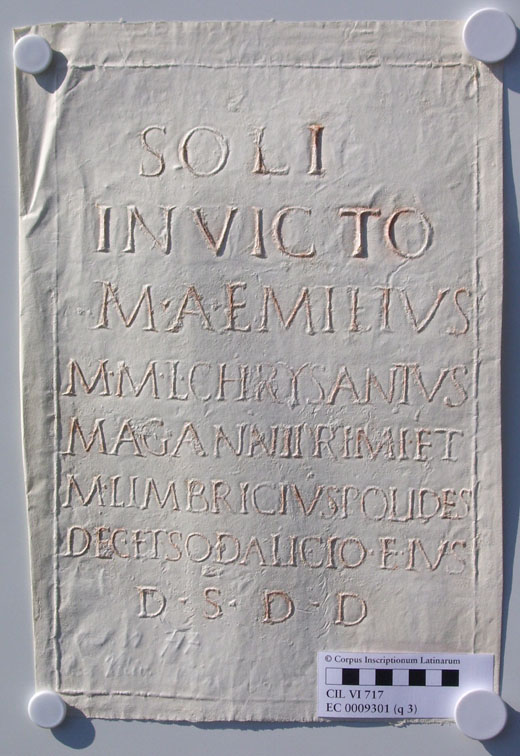
Aemilius Chrysanthus shares the expenses of this monument with a decurio named Limbricius Polides.
Epigraphic testimony catalogued in the Année Épigraphique and Lugli’s Fontes for ancient Rome.
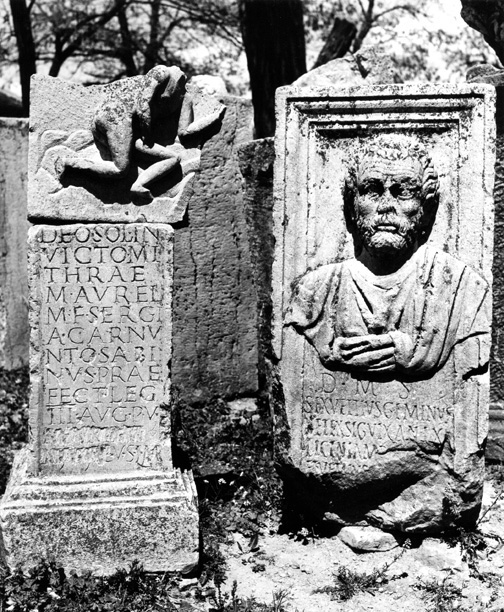
This altar to the god Sol invicto Mithra was erected by a legate during Maximin’s reign in Lambaesis, Numidia.
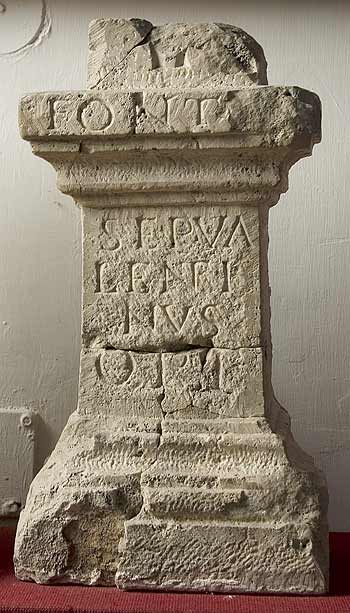
Fragmentary limestone altar dedicated by Septimius Valentinus, an optio, probably discovered in Mithraeum IV at Aquincum.
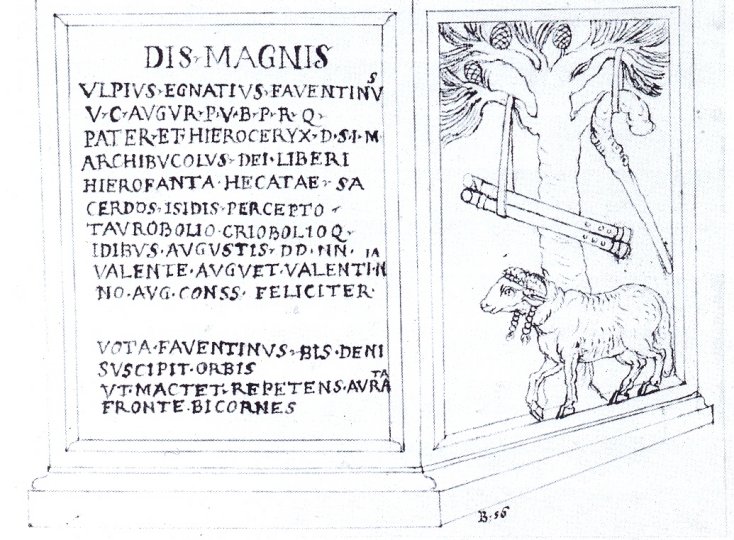
Both of them were discovered in 1609 in the foundations of the façade of the church of San Pietro, Rome.
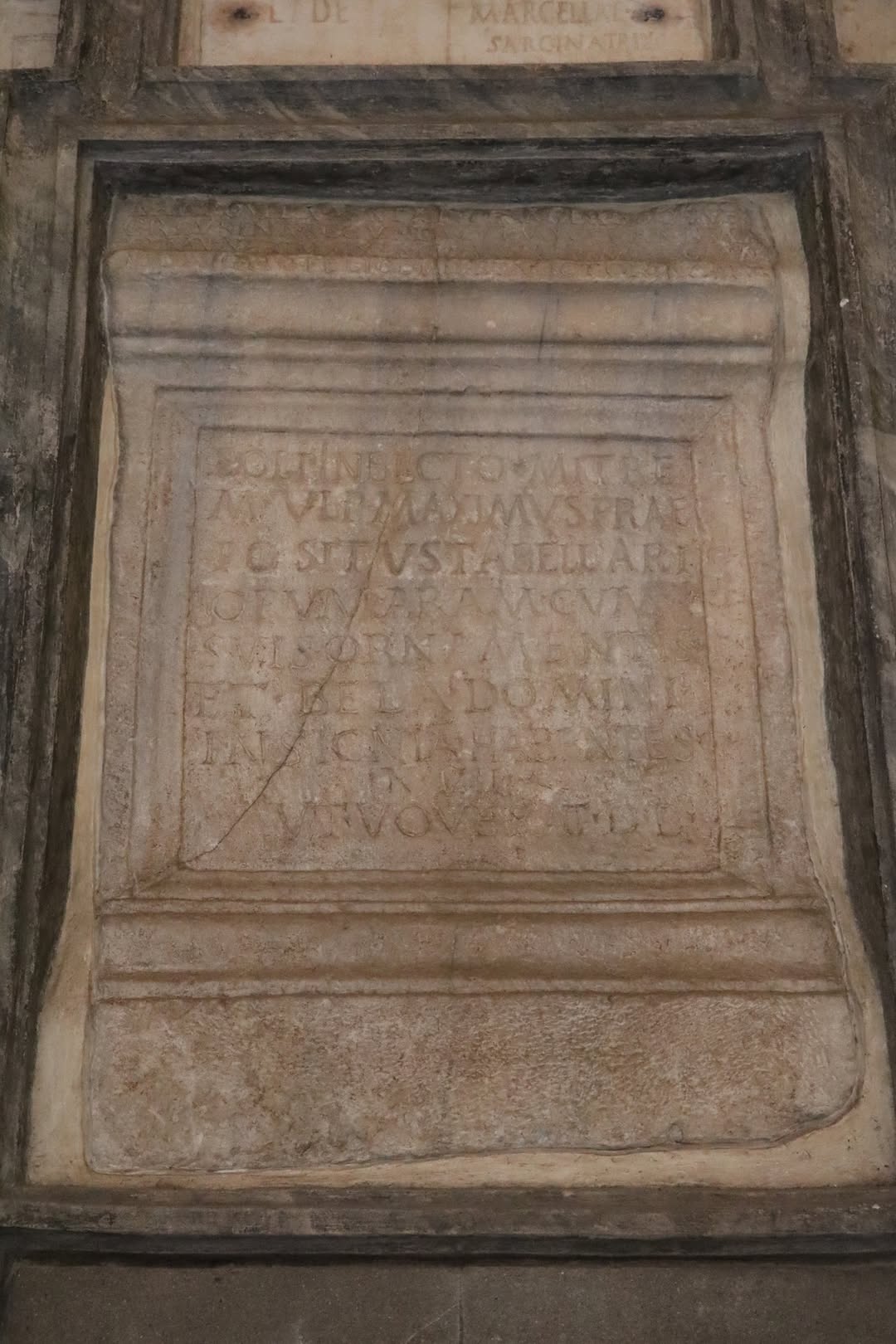
Marble altar dedicated to Sol Invictus Mithras, found in Rome (in aedibus Maffaeiorum), set up in 183 A.D. by M. Ulpius Maximus, praepositus tabellariorum, together with its ornaments and Mithraic insignia, in fulfilment of a vow.
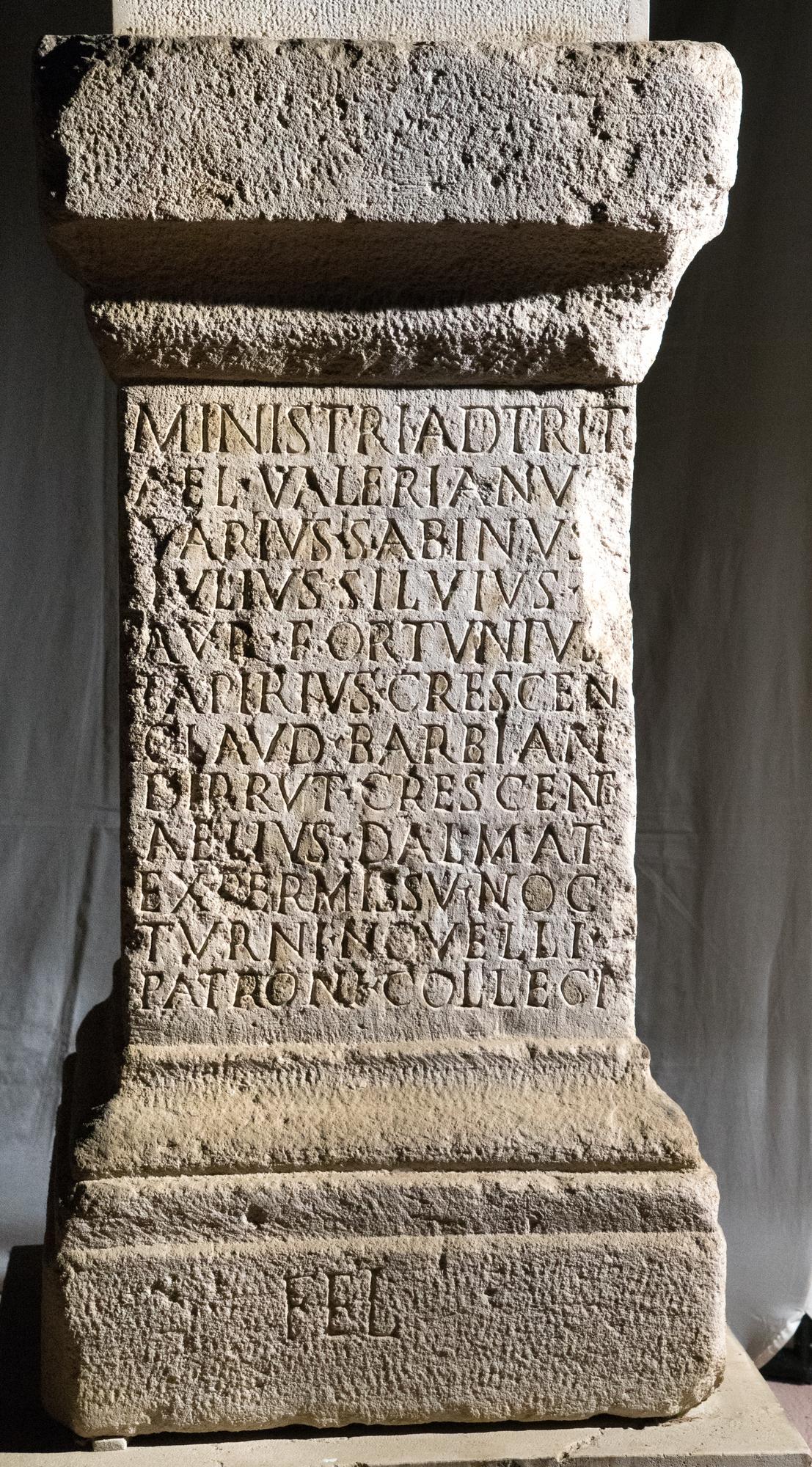
This inscribed limestone altar from Roman Salona preserves several lists of ministers associated with the Tritones collegium during the Tetrarchic period.
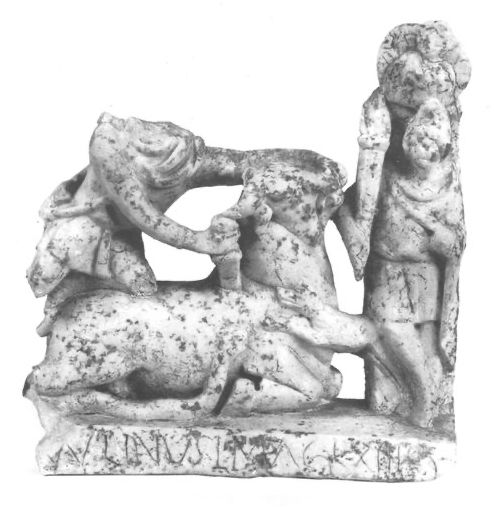
This relief of Mithras killing the bull was dedicated by the bearer of the imperial standard of Legio XIII Gemina, Marcus Ulpius Linus.
