Your search Bad Ischl im Salzkammergut gave 2084 results.

This altar was dedicated by a certain Marcus Aurelius Decimus to Sol Mithras and other gods in Diana, Numibia, present Argelia.
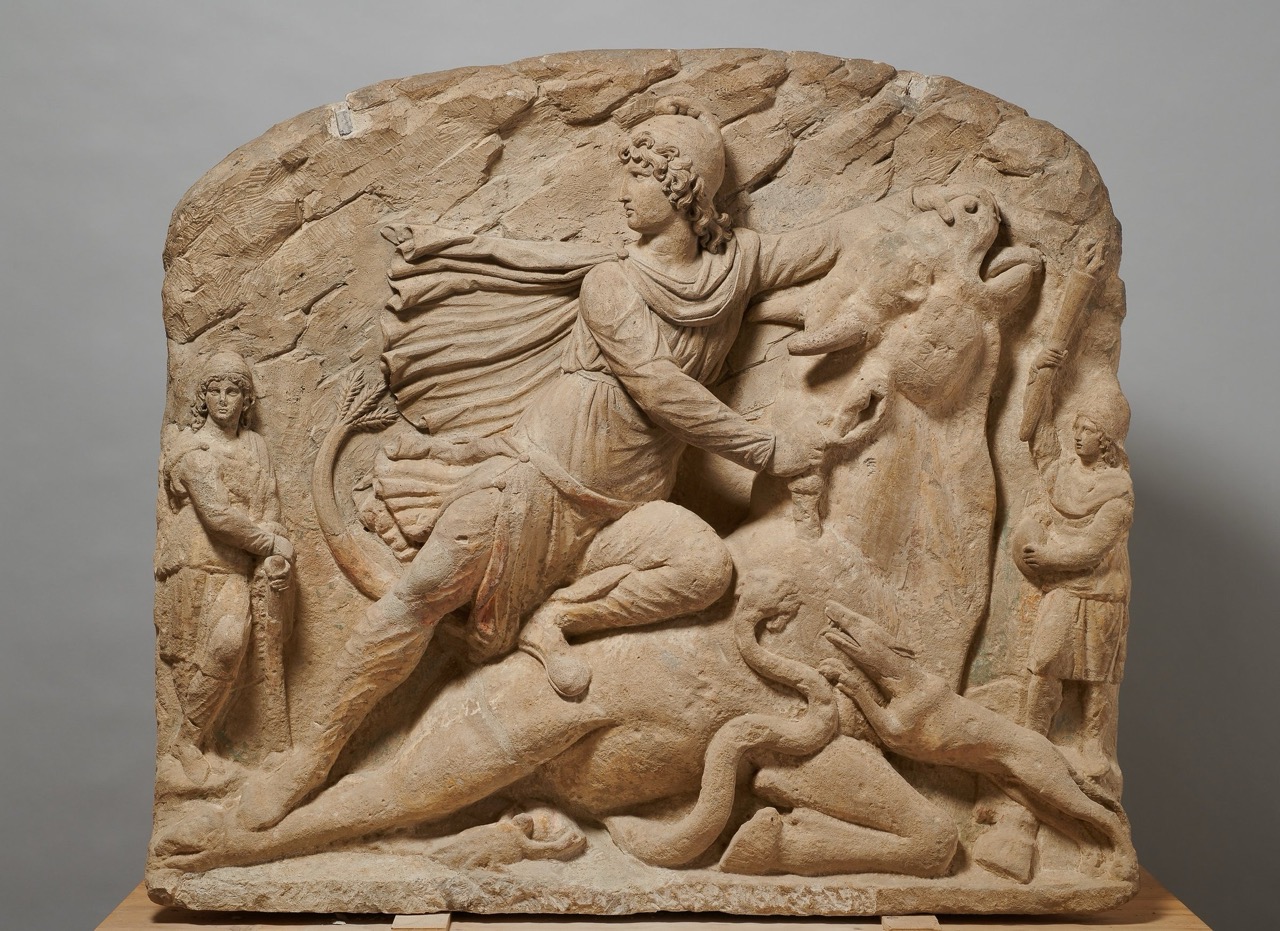
Limestone tauroctony relief from Carnuntum with traces of polychromy and a graffito on the bull’s neck. The inscribed base was carved separately.

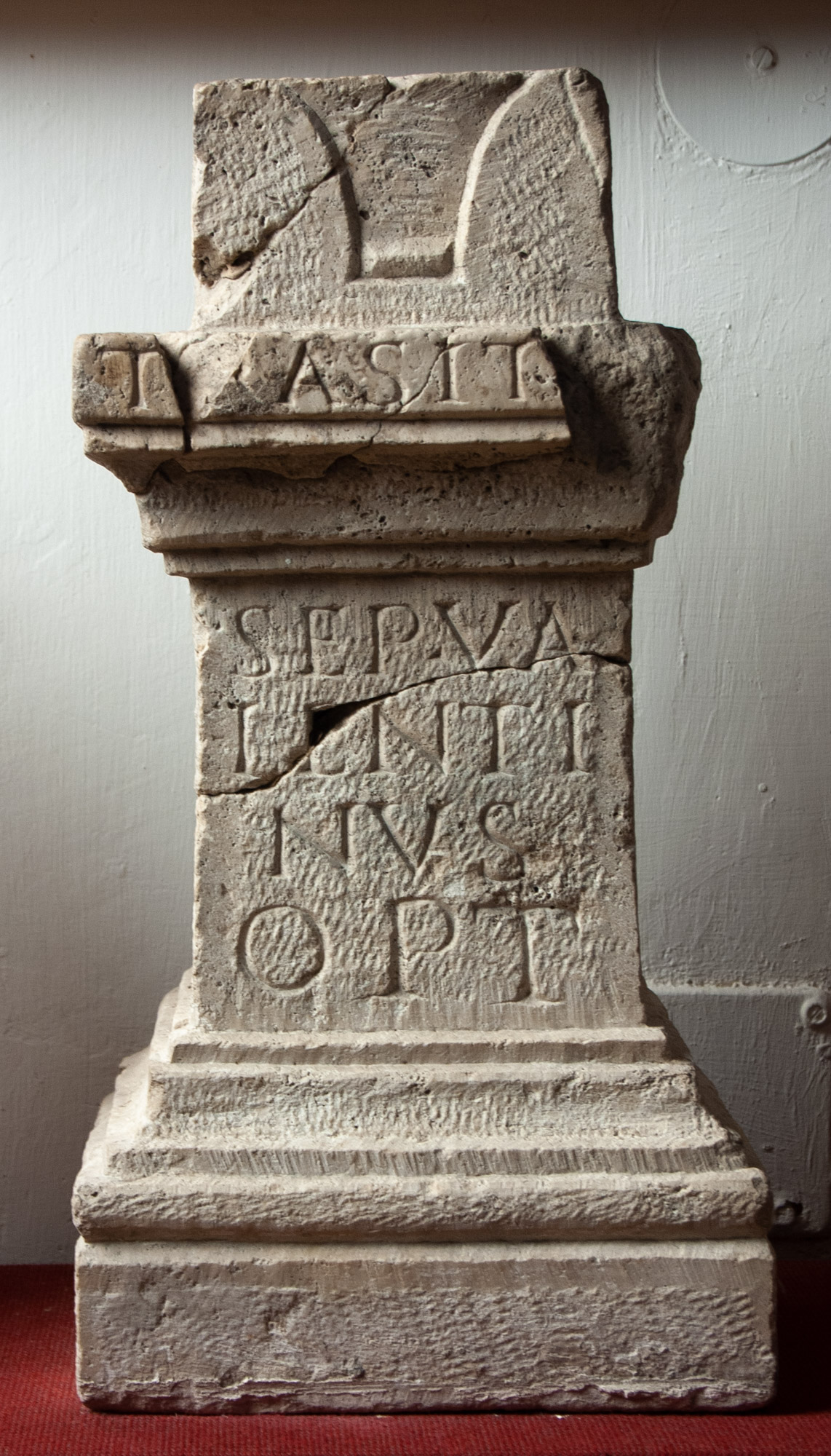
This is one of the altars erected by Septimius Valentinus, in this case, to the transitus of Mithras.
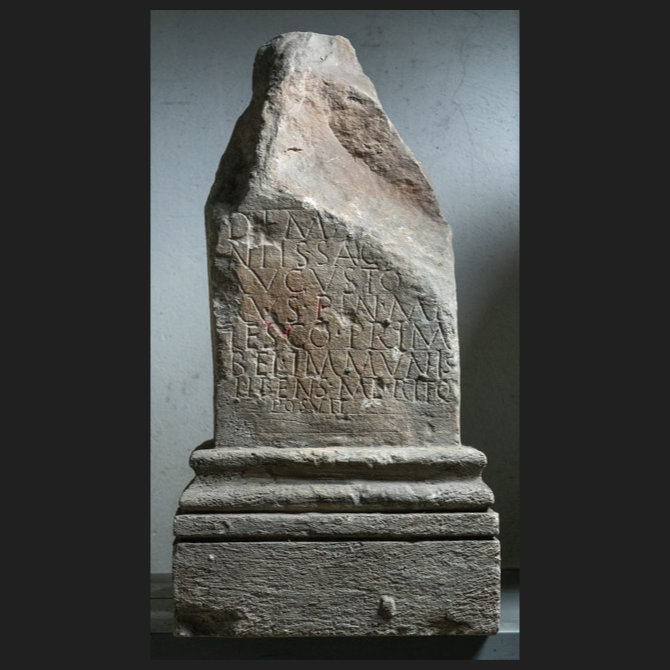
This altar, discovered in Grude, near Tihaljina, Bosnia and Herzegovina, bears an inscription by Pinnes, a soldier of the Cohors Prima Belgica.
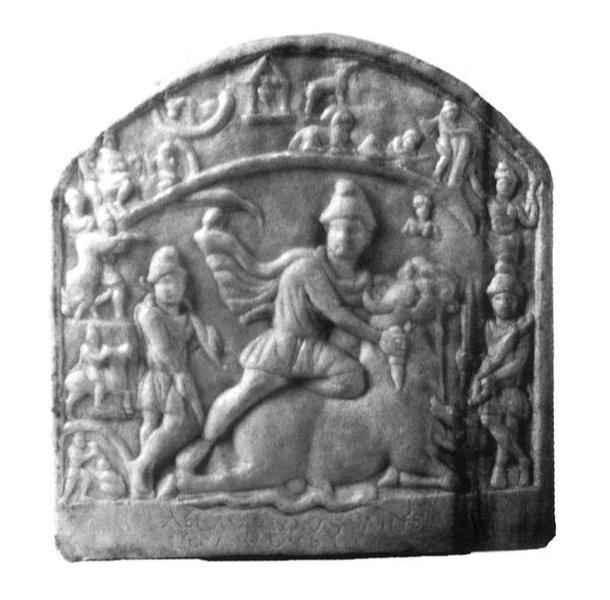
This small relief of Mithras killing the bull was found in 1859 in Turda, in the Cluj region of Romania.
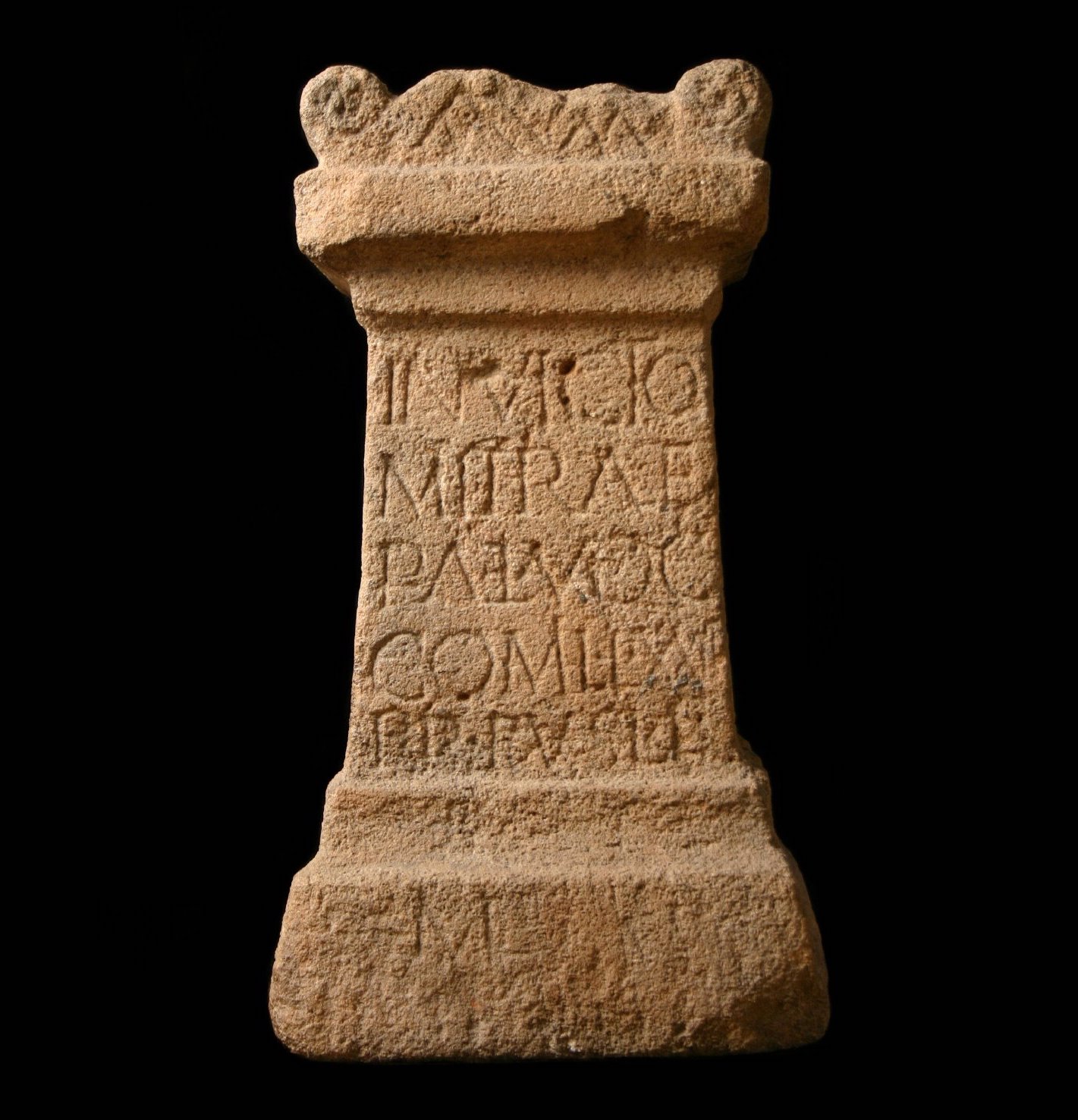
This monument was erected by a certain Publius Aelius Vocco, a solider of the Legio XXII Primigenia Pia Fidelis stationed in Mainz.
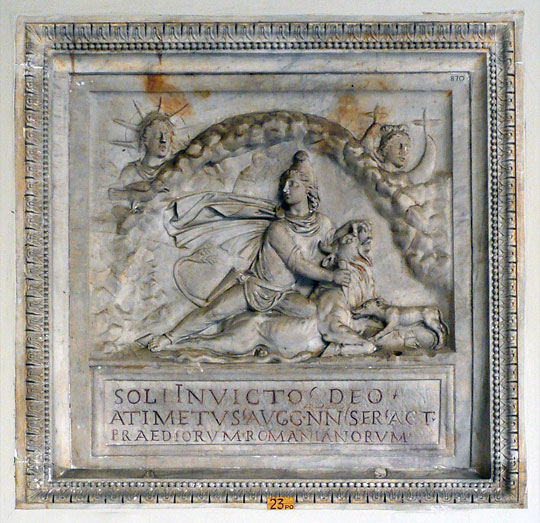
White marble relief depicting Mithras slaying the bull, dedicated by Atimetus.

This altar, which has now disappeared, was dedicated by the slave Quintio for the health of a certain Coutius Lupus.
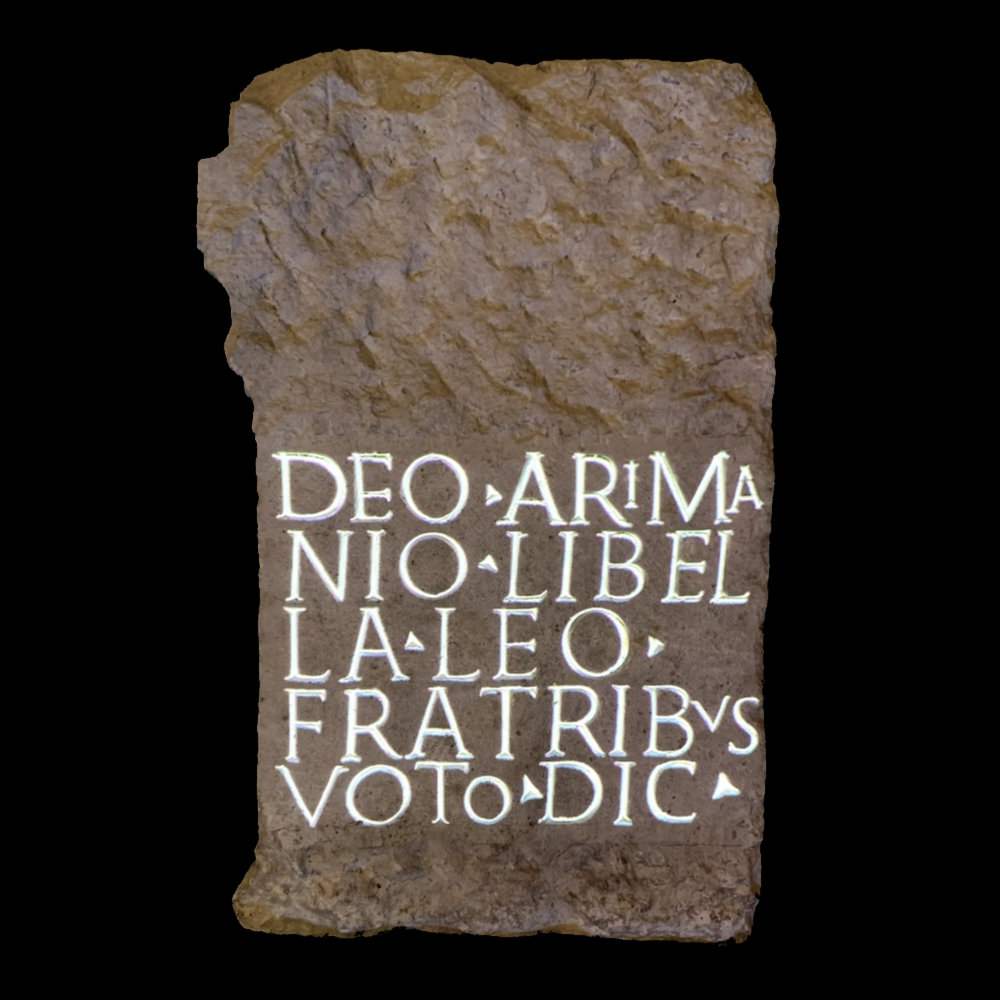
The dedicant of this altar to the god Arimanius was probably a slave who held the grade of Leo.
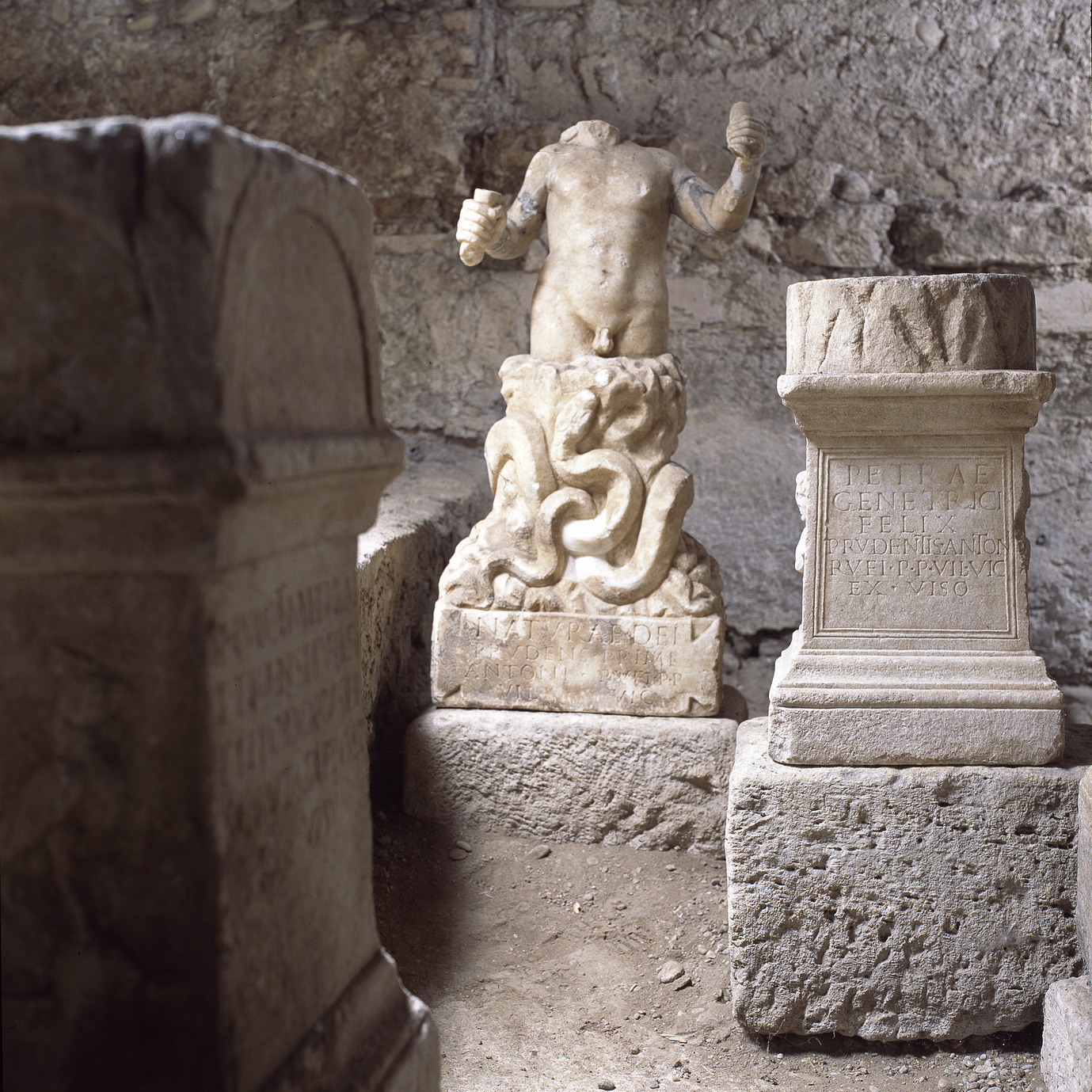
The sculpture includes a serpent climbing the rock from which Mithras is born.
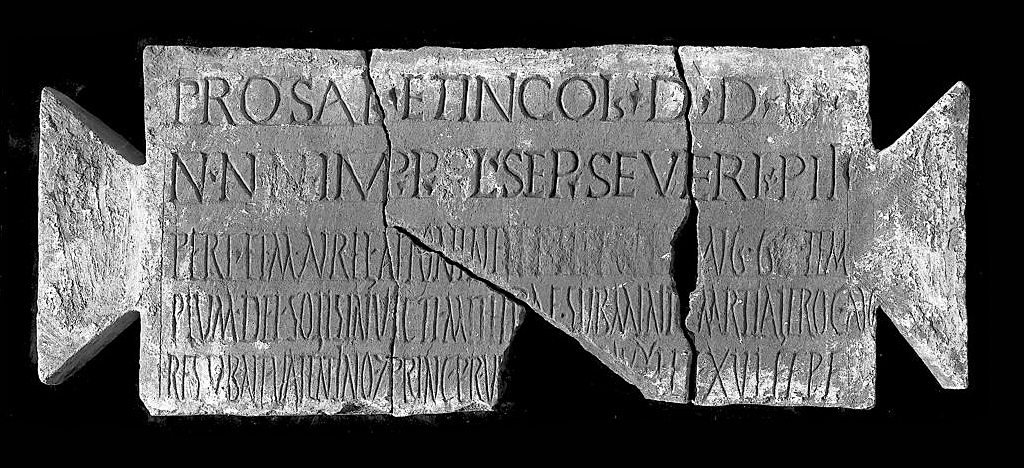
Antonius Valentinus, centurio, made this plaque for the salut des empereurs Septimus Severus and Marcus Aurelius.
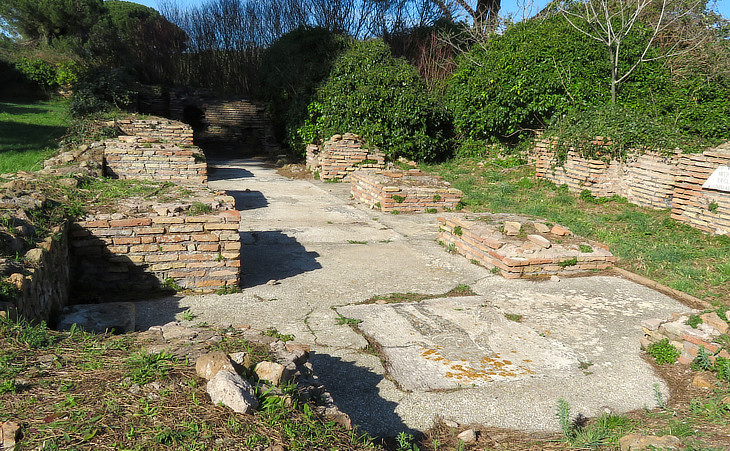
The Mithraeum of the Animals was decorated with a mosaic depicting a naked man, a cock, a raven, an scorpion, a snake and the head of the bull.

Wahlheim lies within the Upper Germanic frontier zone and has produced material from the Roman period.
The Hasloch area near Rüsselsheim has yielded archaeological material linked to the Rhine frontier region.
Rohr im Kremstal belongs to the Alpine hinterland associated with Roman Noricum.
Kindenheim lies within the Rhine frontier region of Germania Superior.
Besigheim stands at the confluence of the Enz and Neckar rivers in the frontier region of southwestern Germania.
Aquae Helveticae developed around important thermal springs in the territory of modern Baden in Switzerland.
An altar from Baetulo (modern Badalona) in Hispania Citerior, carved in a rock on a hill facing east opposite the town, recording a dedication to Sol Deus by A. Pompeius Abascantus.
