Your search Boulogne-sur-Mer gave 706 results.

A fragment of a stone relief from Interanum (modern Entrains-sur-Nohain) in Lugdunensis, showing the arched end of Mithras's flying cloak and an ear emerging from the bull's tail, possibly belonging to CIMRM 946.
An inscription found in the ruins of an old stone wall at Cambeck, near Petrianae, recording a vow willingly and with merit fulfilled to Deus Sol Invictus by Sextus Severius Salvator, prefect.
An inscription found in the old monastery of San Giulia in Brescia (ancient Brixia), in the arch supporting the crypt of Santa Maria in Solario, recording a dedication to Deus Sol by the res publica.
A small pottery fragment of uncertain find-spot, probably from Augusta Treverorum (modern Trier) in Belgica, showing a lion walking to the right before a bull's head, with palm-like foliage, tentatively interpreted as Mithraic by Loeschcke but considered too doubtful by Vermaseren…
A small round bronze slab bearing a Medusa head, with serpents knotted below her chin and serpent heads emerging between two wings attached to the temples, with two hooks on the reverse, from the Mithraic sanctuary at Angleur near Liège in Belgica.
The inscription on the altar No. 858 from the Mithraeum at Borcovicium (modern Housesteads), recording a vow willingly and with merit fulfilled by Herion to Sol.
A brief inscription reading D(eo) M(ithrae), found inside a fullonica at Pola (modern Pula) in a room that had once served as a vestibule.

First Roman emperor of African origin and founder of the Severan dynasty, which ruled the empire for over four decades.

The last pagan emperor of Rome, closely associated with Mithras and Neoplatonic interpretations of the Sun God.
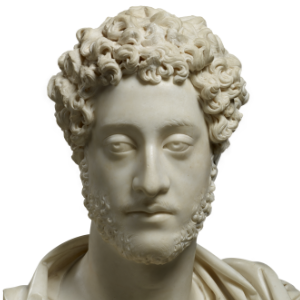
Roman emperor traditionally regarded as the first ruler initiated into the Mysteries of Mithras.
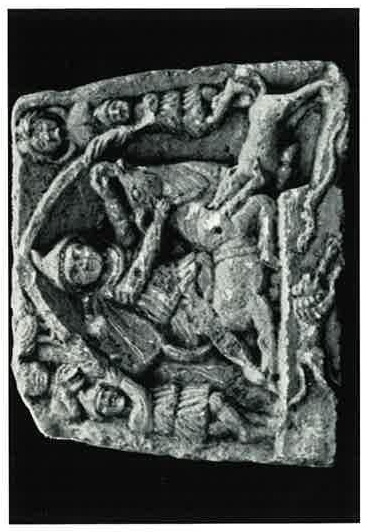
Limestone tauroctony relief from Oltenia, Dacia, of unknown exact provenance, depicting the standard bull-slaying with the full iconographic programme.
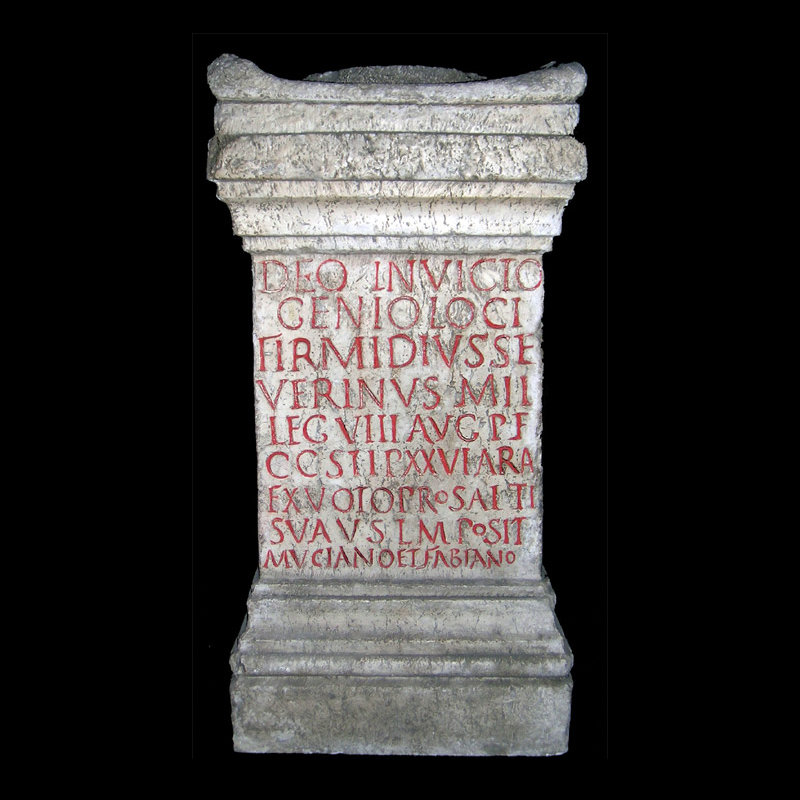
This limestone altar bears an inscription from its donor, Firmidius Severinus, in honour of Mithras after 26 years of service in the Legio VIII Augusta.
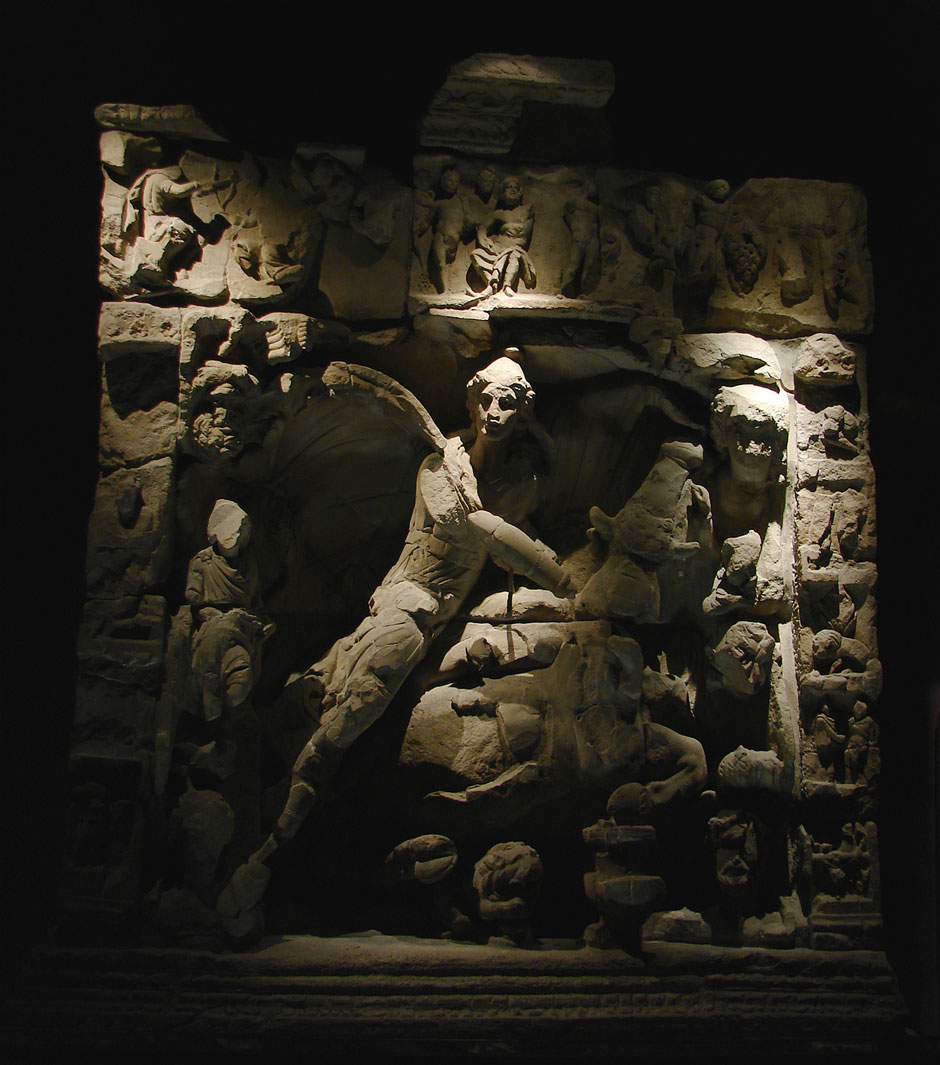
The Tauroctony of Saarbourg (Sarrebourg, ancient Pons Sarravi), France, contains most of Mithras deeds known in a single relief.
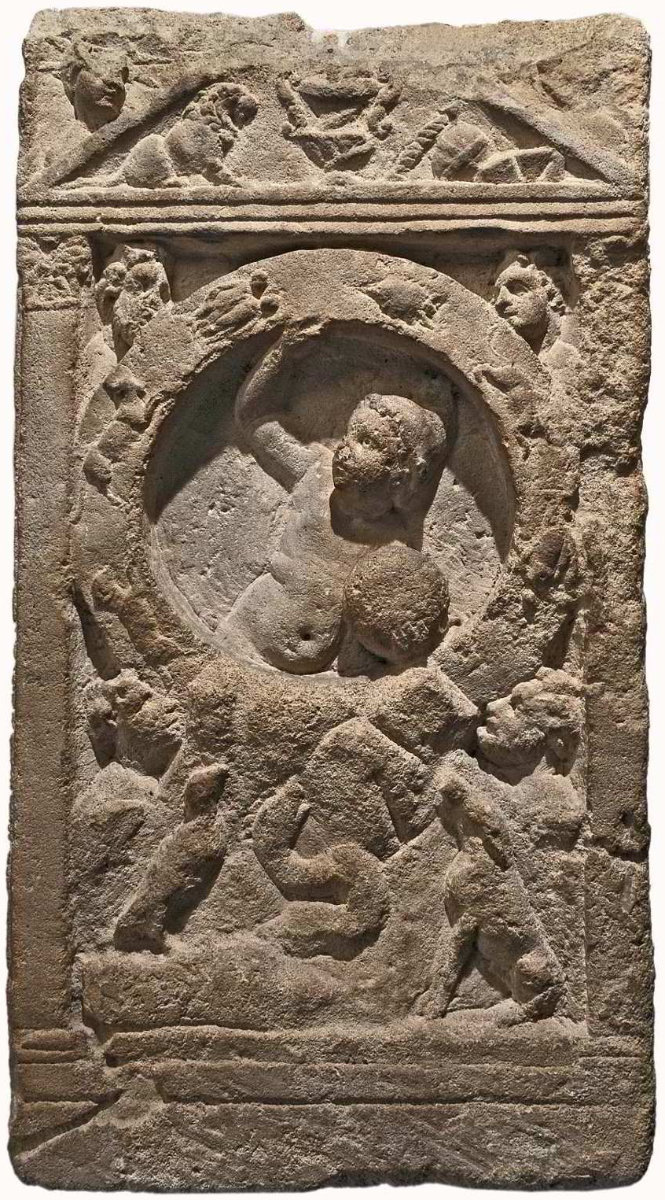
The relief depicts the birth of Mithras, holding a globe, surrounded by the zodiac.
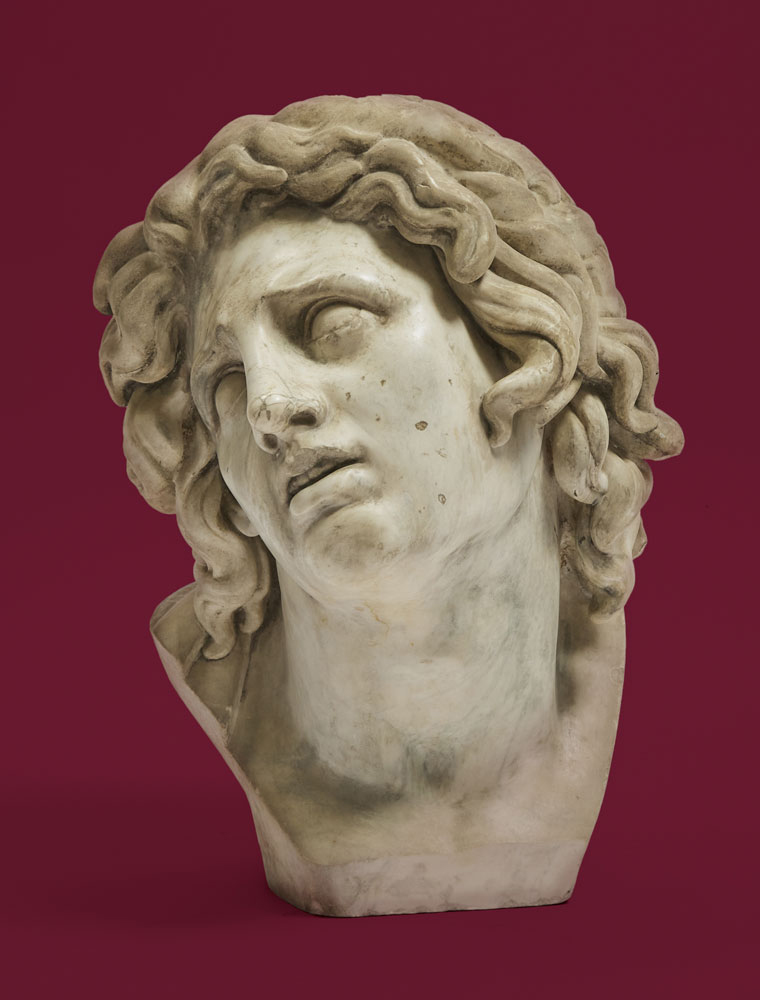
Head formerly associated with Mithraic material but interpreted by Margarete Bieber as a dying Giant.
A marble funerary cippus from the Vigna Dionigi at Torre Pignatara outside Rome, dedicated to Sextineius Restitutus as most indulgent pater sacrorum by his children and mother, with a crown carved to the left of the final line.
A tauroctony relief from Rome, formerly in the Hoffmann Collection, showing Mithras slaying the bull with dog, serpent and scorpion, with the god's pupils fashioned from white enamel and the whole piece heavily restored.
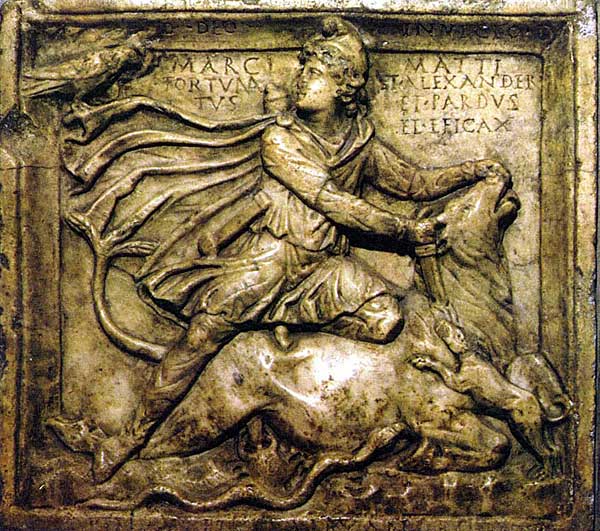
The relief marble of Mithras sacrifying the bull, exposed on the Hermitage Museum comes from Rome.
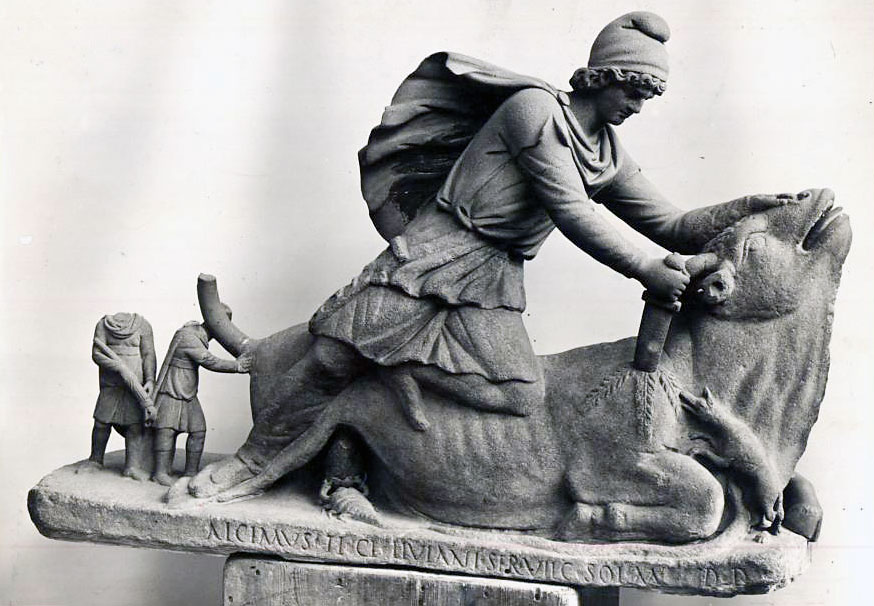
Marble relief formerly in the Palazzo Alberoni and then the Palazzo Vaccari on Via del Tritone, showing Mithras slaying the bull with the raven on the god's cloak, the serpent, dog and scorpion, and the busts of Sol and Luna in the upper corners.
