Your search Boulogne-sur-Mer gave 706 results.

Inscribed altar from Mithraeum II at Stockstadt dedicated jointly to Deo invicto Mithrae and Mercury by Quintus Publius Gemellus
Red sandstone relief fragment from Mithraeum I at Stockstadt preserving the lower part of Vulcanus with an anvil, hammer, and tongs
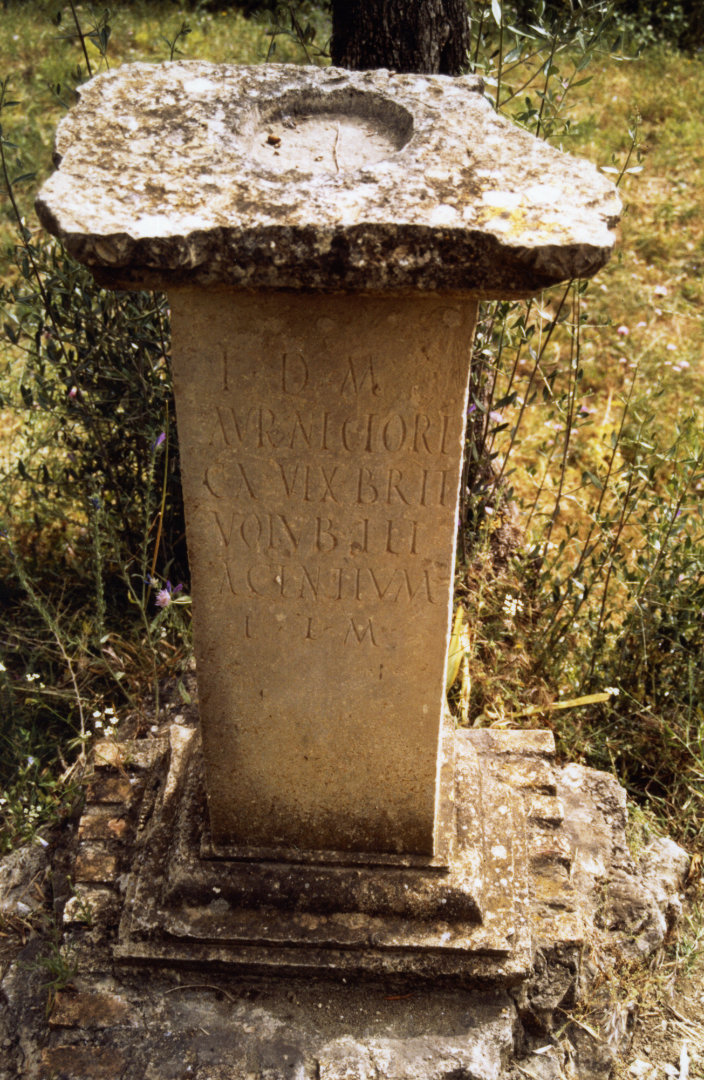
Two inscriptions by Aurelius Nectoreca, a follower of Mithras, have been found in Meknès, Morocco.
Bronze handle of a knife or dagger reportedly originating from Narbo and formerly preserved in major private collections.
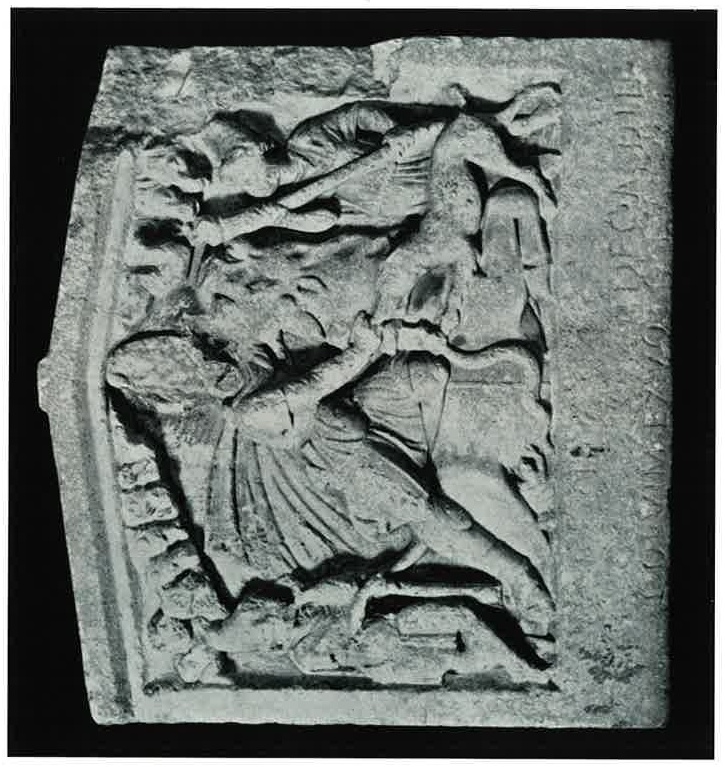
White marble tauroctony relief from Kostolac, ancient Viminacium in Moesia Superior, formerly walled into the Castle of George Branković at Smederevo, depicting the standard bull-slaying.
Lost tauroctony relief from Apulum, Dacia, formerly at the Palace of the Prince at Alba Julia, recorded only in early modern sources.
White marble tauroctony relief from Apulum, Dacia, depicting Mithras killing the bull in a grotto with dog and serpent; formerly in a private collection in Budapest.
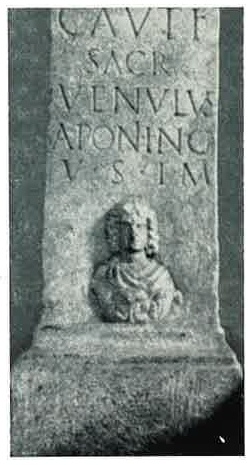
White marble votive altar from Mithraeum I at Ptuj, ancient Poetovio, distinguished by a dressed bust of Cautes emerging from foliage below the inscription — an unusual iconographic feature for an altar.
Conglomerate statue from a layer of fire debris in the Mithraeum at Schachadorf, Noricum, depicting a naked Mithras without Phrygian cap being born from the rock with upraised hands; a coiling serpent is visible below.
Assemblage of cult refuse from shaft M at Mithraeum I, Heddernheim, ancient Nida, including pottery, bones, a boar's tooth, and a bronze ring with Mercury
Small inscribed plaque invoking Mithras and Mercury attached to a sandstone column inside the sanctuary.
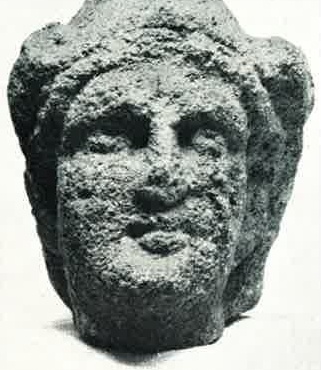
Sandstone fragment from Mithraeum I at Heddernheim, ancient Nida, probably the damaged head of a torchbearer, often misidentified as Mercury.
A probable Mithraic sanctuary near Santa Maria in Domnica on the Caelian Hill, known from a group of dispersed reliefs formerly owned by Ottaviano Zeno.
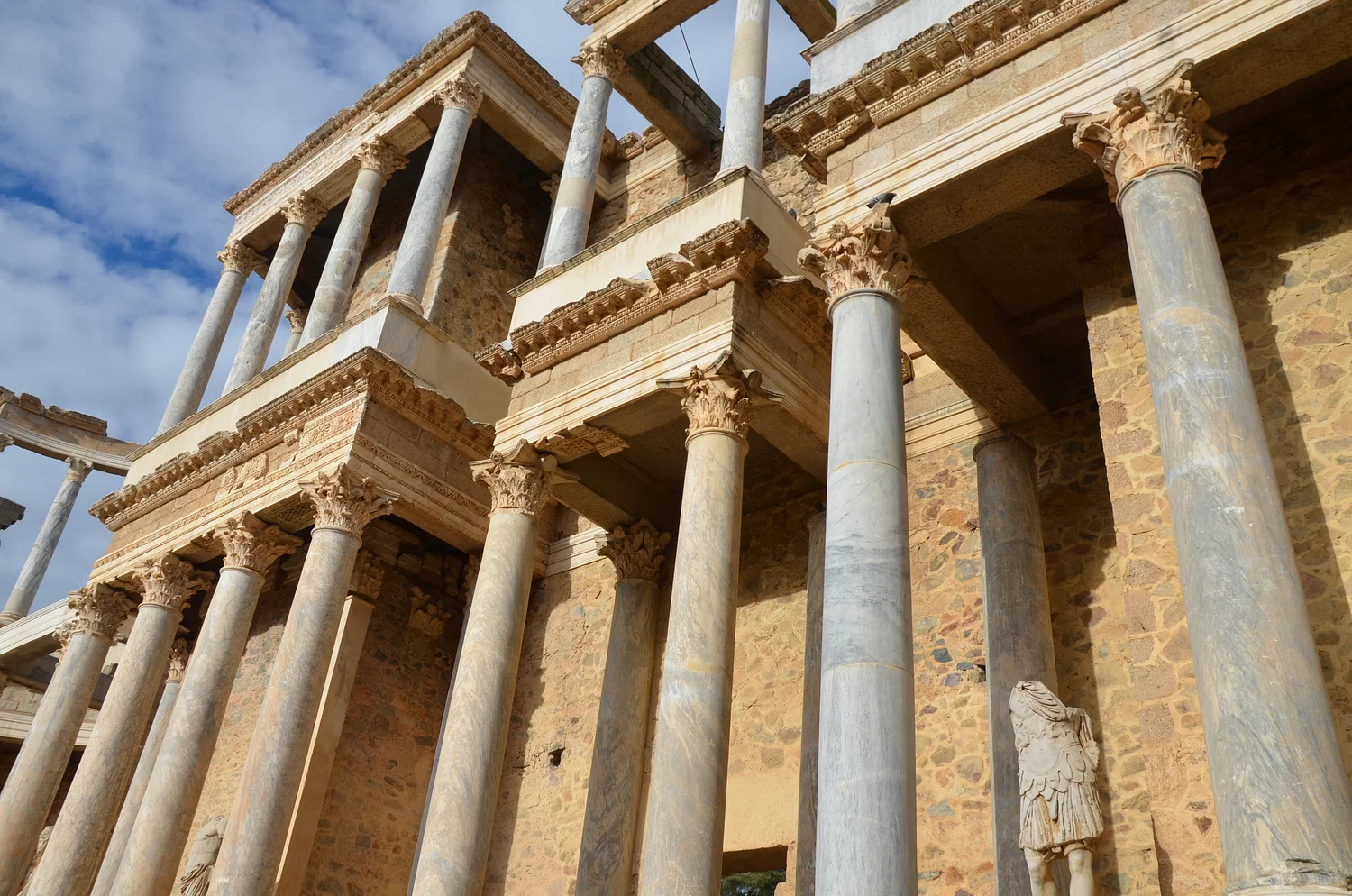
Roman Hispania preserves a relatively modest but strongly urban body of Mithraic evidence, centred above all on Mérida.
Lusitania preserves one of the most important bodies of Mithraic evidence in Roman Hispania, centred above all on Augusta Emerita and its urban religious landscape.

Garlic merchant, probably from Lusitania, who dedicated an altar to Cautes in Tarraconensis.
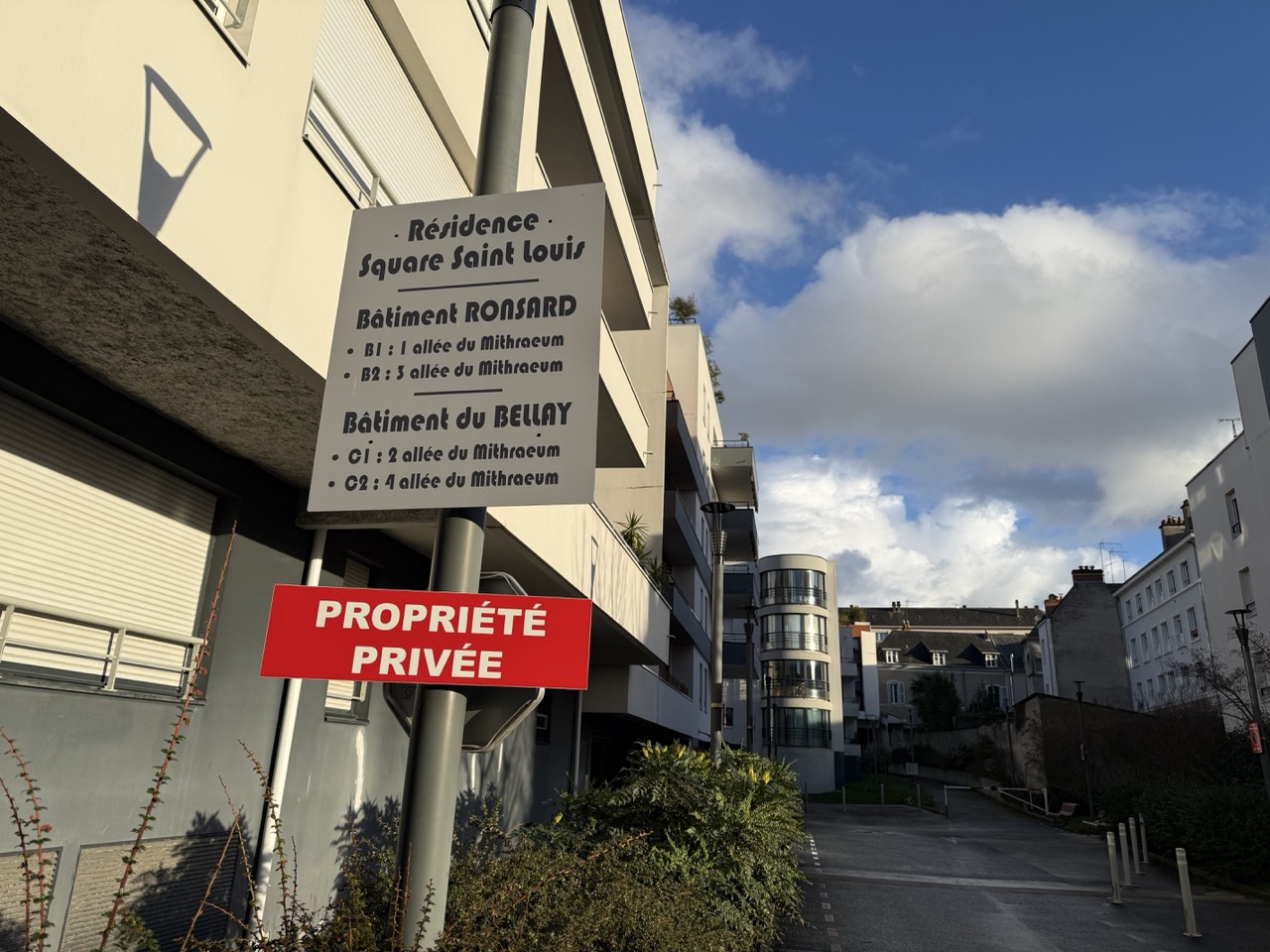
The Mithraeum of Angers, excavated during a preventive operation and subsequently dismantled in 2010, yielded numerous objects, including coins, oil lamps, and a ceramic vessel bearing a votive inscription to the invincible god Mithras.
This lost Mithraic relief, formerly kept near the church of the Santissima Annunziata in Naples, was probably a large tauroctony associated with the area of Puteoli or Pausilypon.
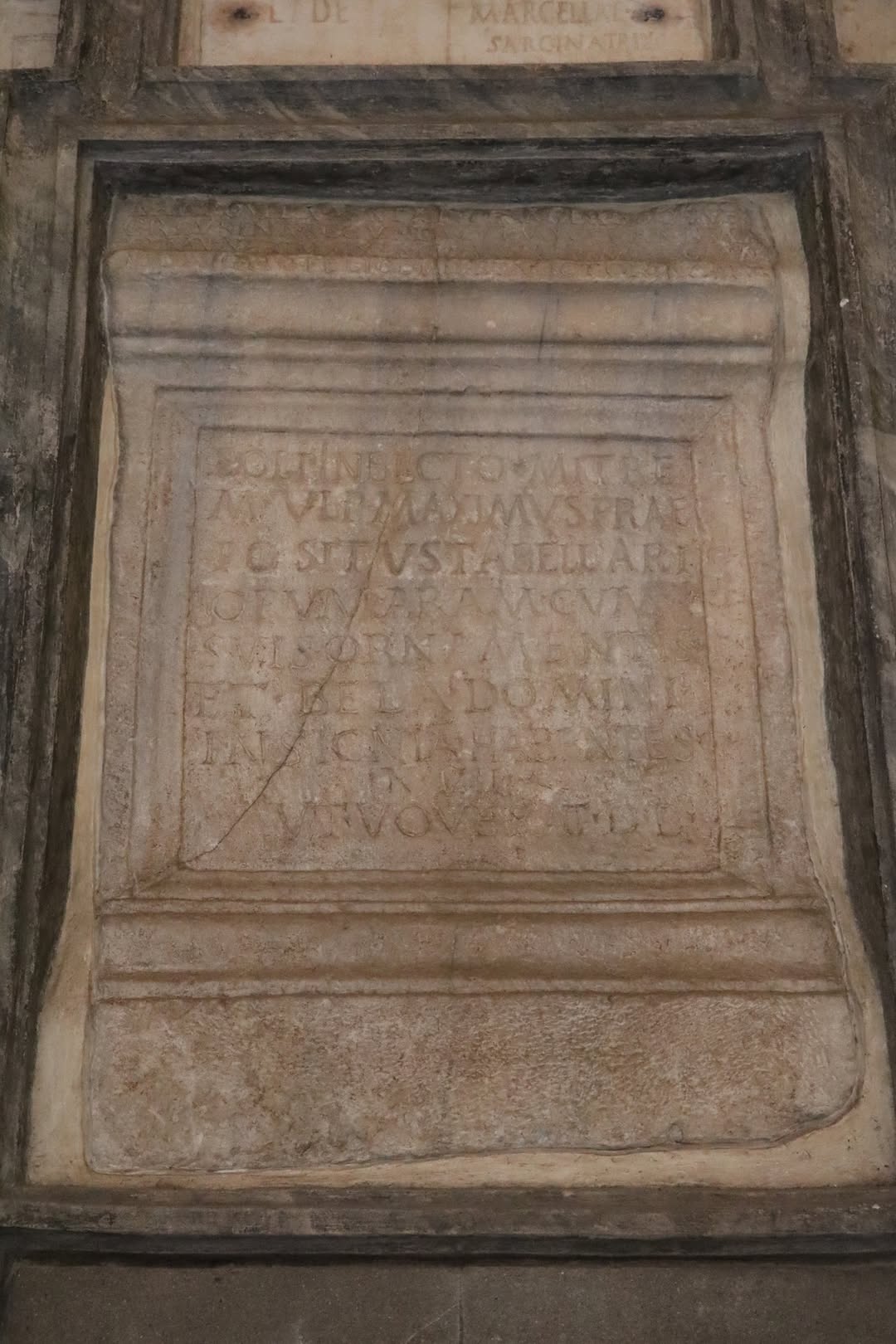
Marble altar dedicated to Sol Invictus Mithras, found in Rome (in aedibus Maffaeiorum), set up in 183 A.D. by M. Ulpius Maximus, praepositus tabellariorum, together with its ornaments and Mithraic insignia, in fulfilment of a vow.
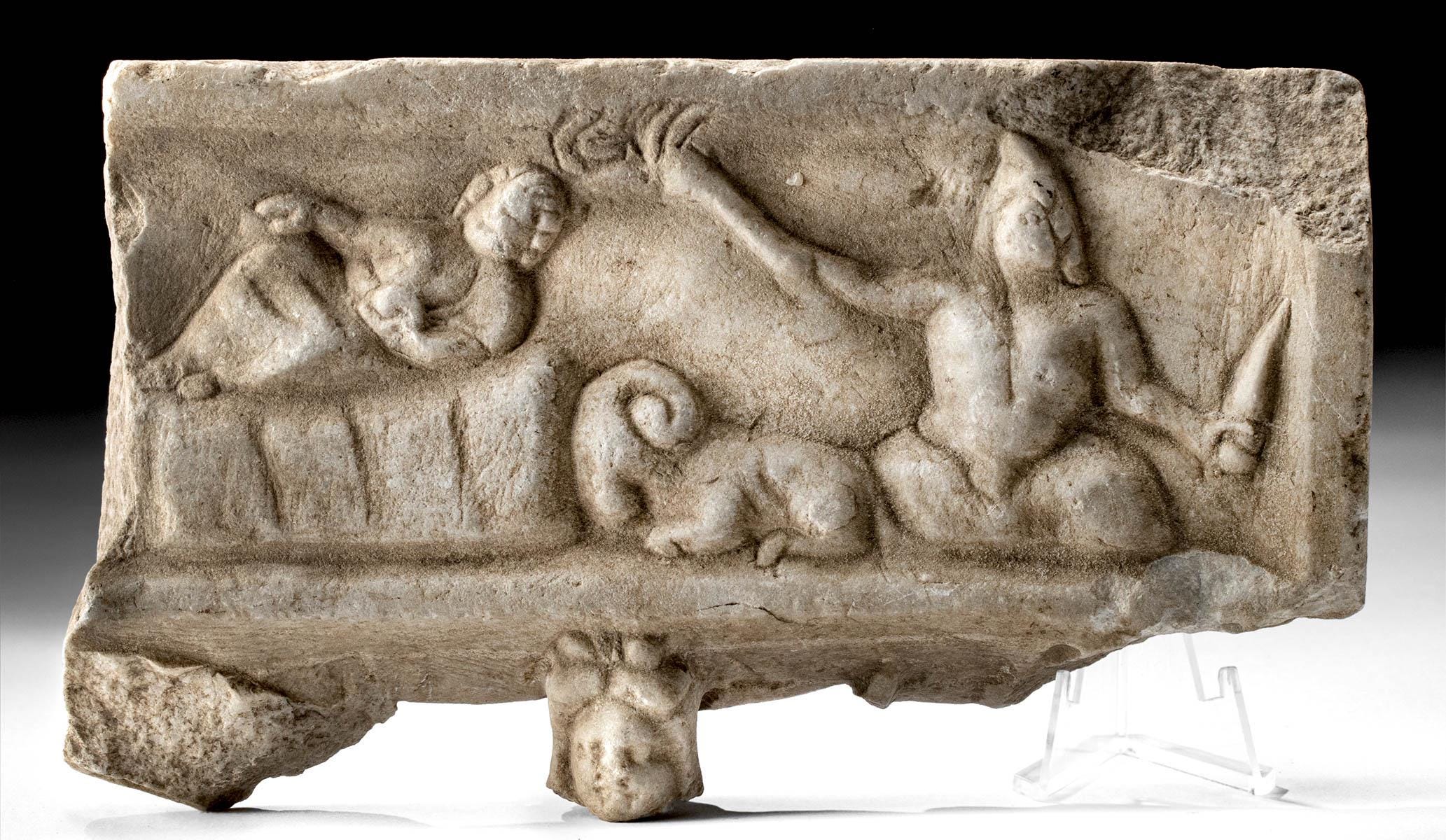
Mithras emerging from the rock with torch and dagger beside a reclining Oceanus or Saturn.
