Your search Boulogne-sur-mer gave 339 results.

The remains of the Mithraeum of Aosta, also known as the Mitreo di Augusta Praetoria, were discovered in 1953 in insula 59, in a commercial district of the ancient city.
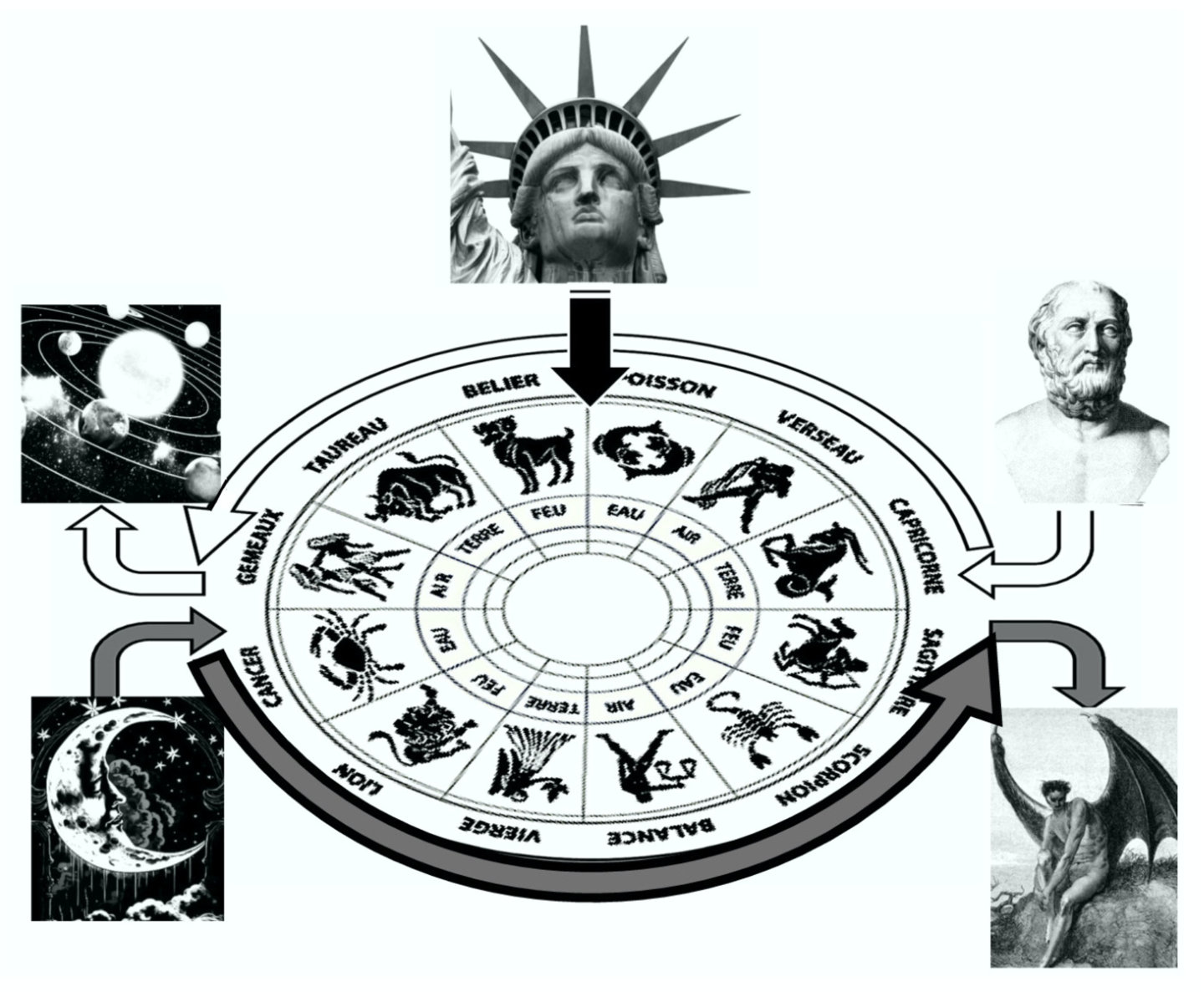
Mithras Dualism. What are the Philosophical Consequences? Summary of Mithraic philosophy on a drawing of an ornate temple. It is possible to draw the organisation of a Mithraeum, and also his philosophical consequences…

Found in Illmitz, Austria, in 1959, this altar was dedicated to the unconquered god Mithras by a certain Aelius Valerianus.

One of the three known inscriptions of Dioscorus, servant of Marci, found in Alba Iulia, Romania.
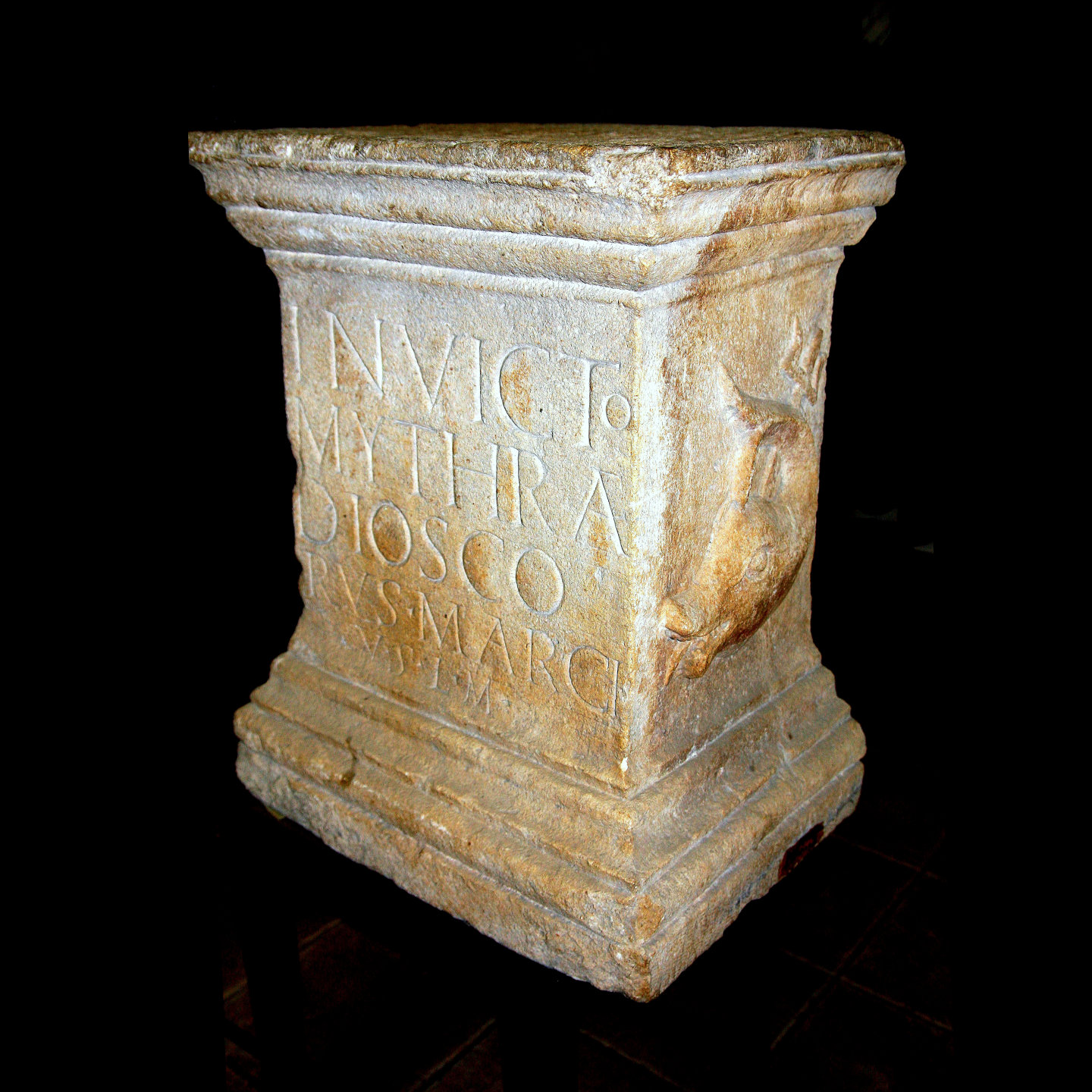
In 1852, Károly Pap, a naval captain, unearthed several Mithraic monuments in his garden at Marospartos, including this altar.

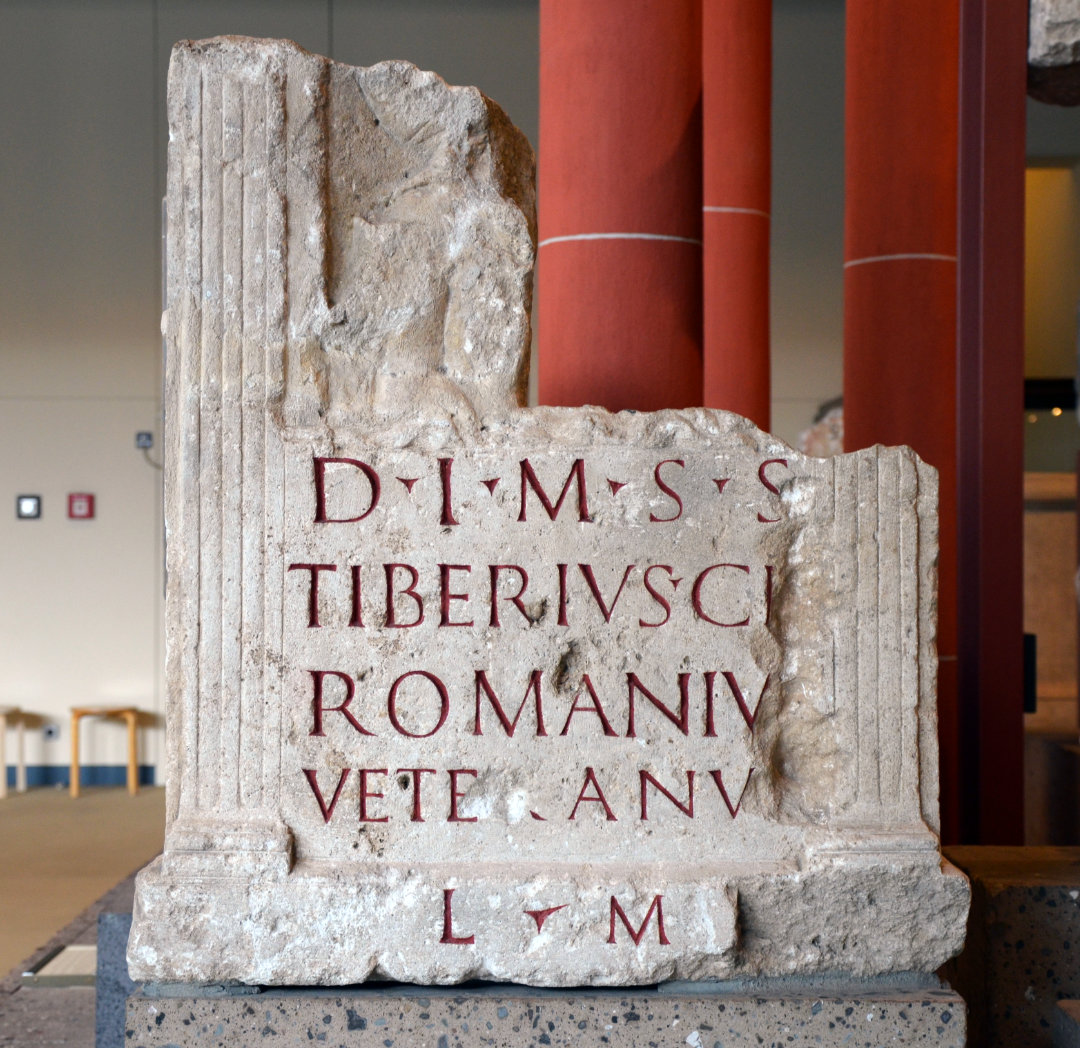
Votive inscription dedicated to Mithras by the veteran soldier Tiberius Claudius Romanius, from the Mithraeum II Köln, 3rd century.
Ancient noble family from Spain, currently having long vacations in Chile, South America

Are you a Fluent English Speaker? Are you interested in joining a bourgeoning community centred around camaraderie, knowledge and community building? If so, we invite you to join the Anglo-Mithraic Society! We offer a welcoming community…
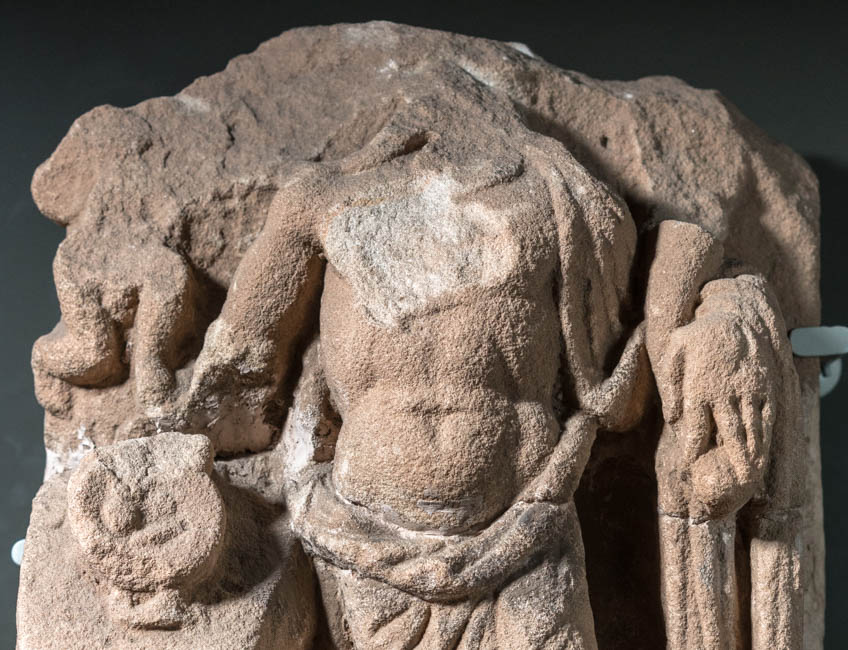
A standing half naked man makes offerings to an altar while holding a cornucopia in his other hand.
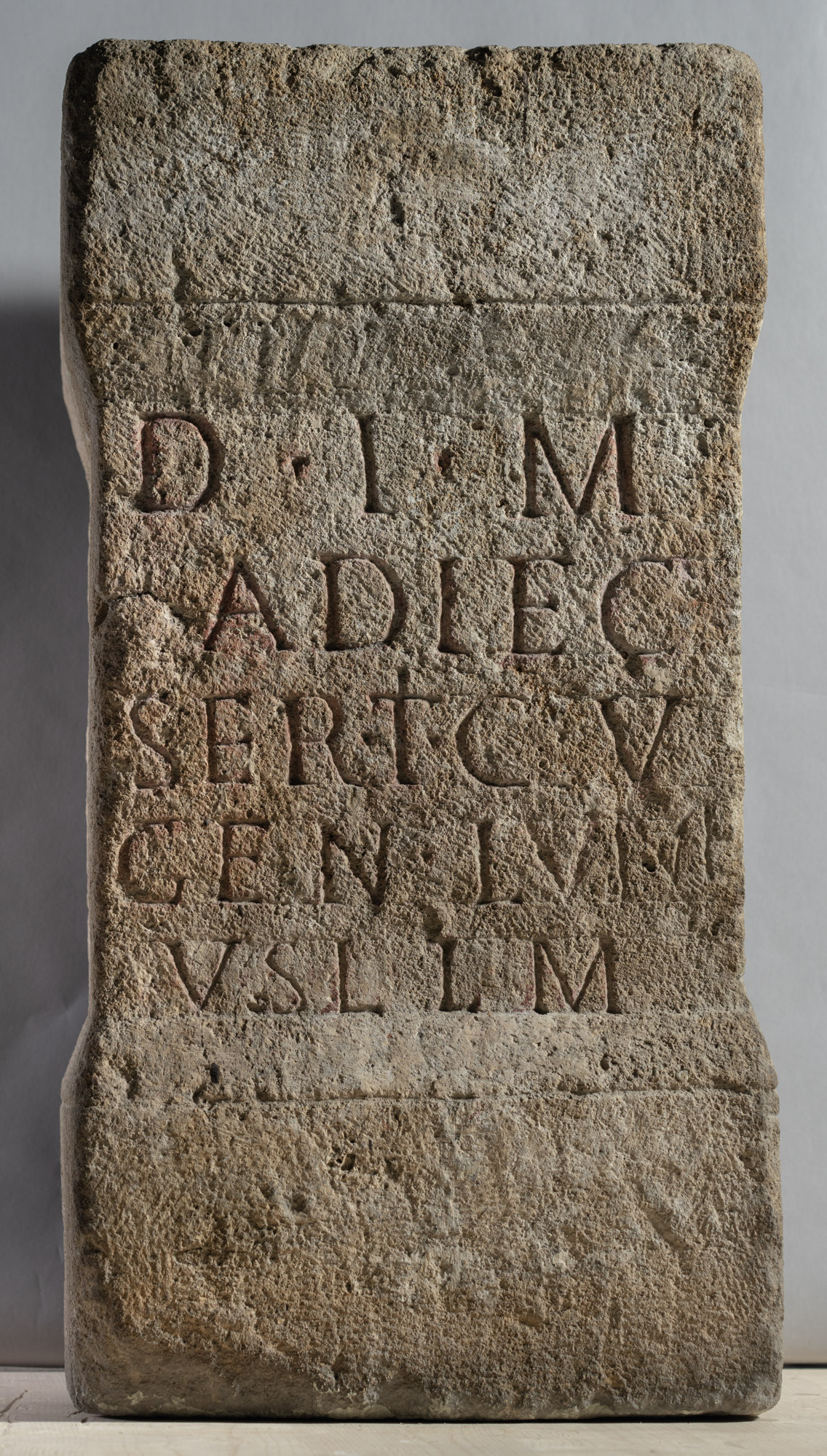
There is no consensus as to whether the altar of the slave Adiectus from Carnuntum is dedicated to a Mithras genitor of light.
This limestone altar dedicated to Mithras by a certain Veturius Dubitatus was found in Dalj, Croatia, in 1910.
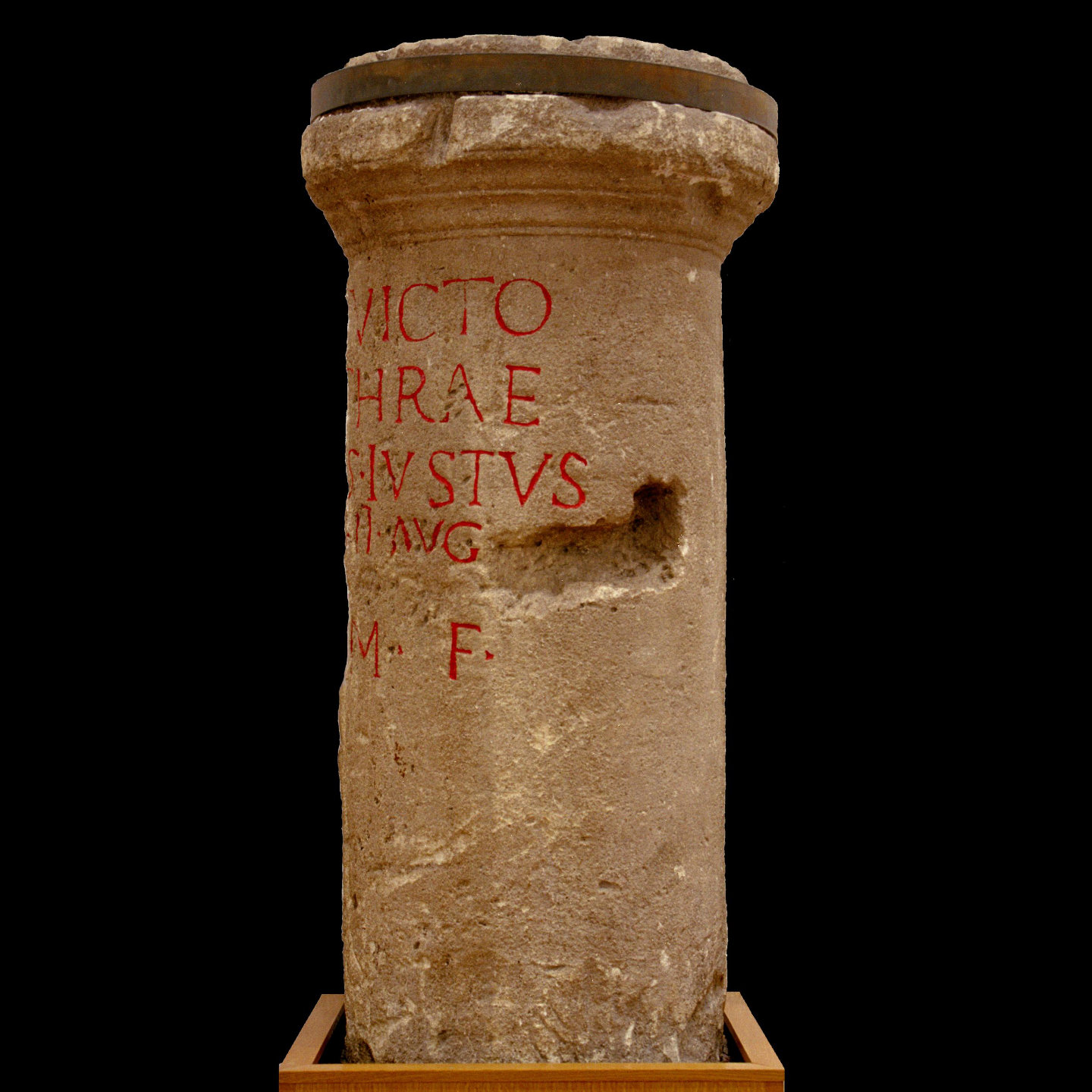
This oolite base, dedicated to the invincible Mithras, was found in the baths of the Villa de Caerleon, Walles.
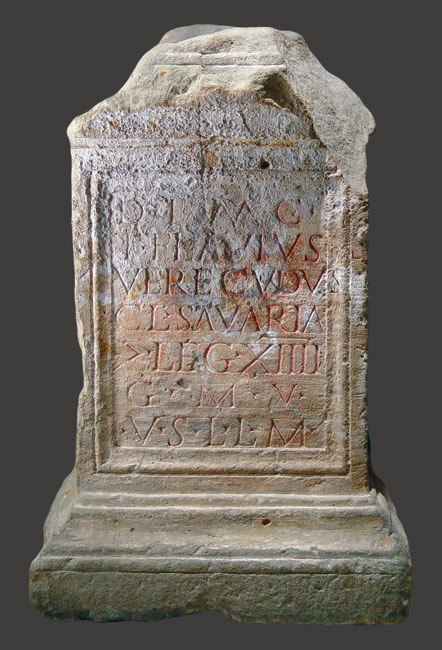
This monument to Mithras and Cautes (or Cautopates) was erected in Carnuntum by the centurion Flavius Verecundus of Savaria.
This marble slab, found in the Mithraeum of San Clemente, bears an inscription by a certain Aelius Sabinus for the health of the Emperor Antoninus Pius and his sons.
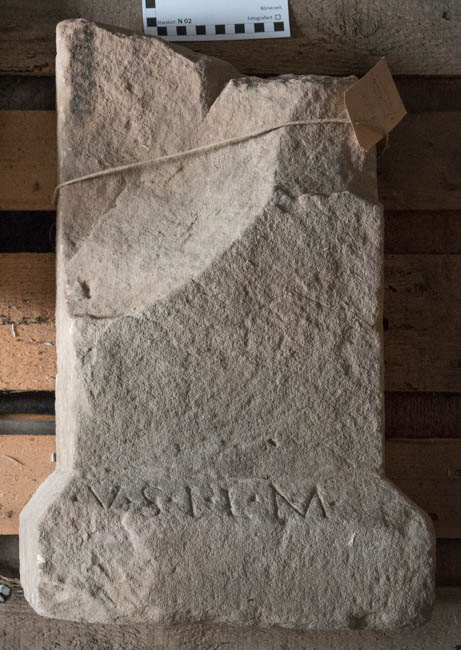
These fragmentary monuments, one with an inscription, were found in the Gimmeldingen mithraeum.
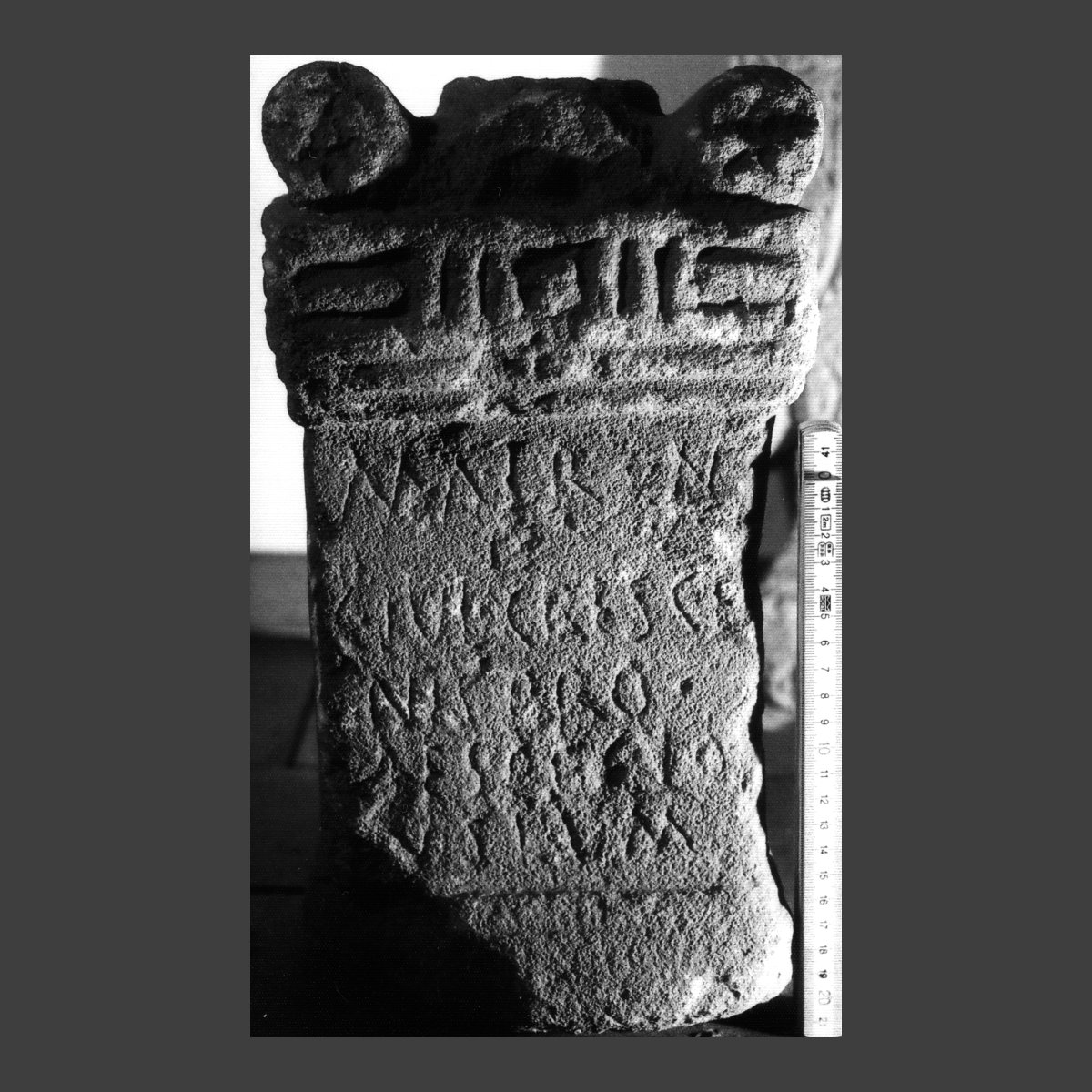
This fragmented altar of a certain Caius Iulius Crescens, found in the Mithraeum of Friedberg, bears an inscription to the Mother Goddesses.
In the altar that Titus Tettius Plotus dedicated to the invincible God, he called himself pater sacrorum.
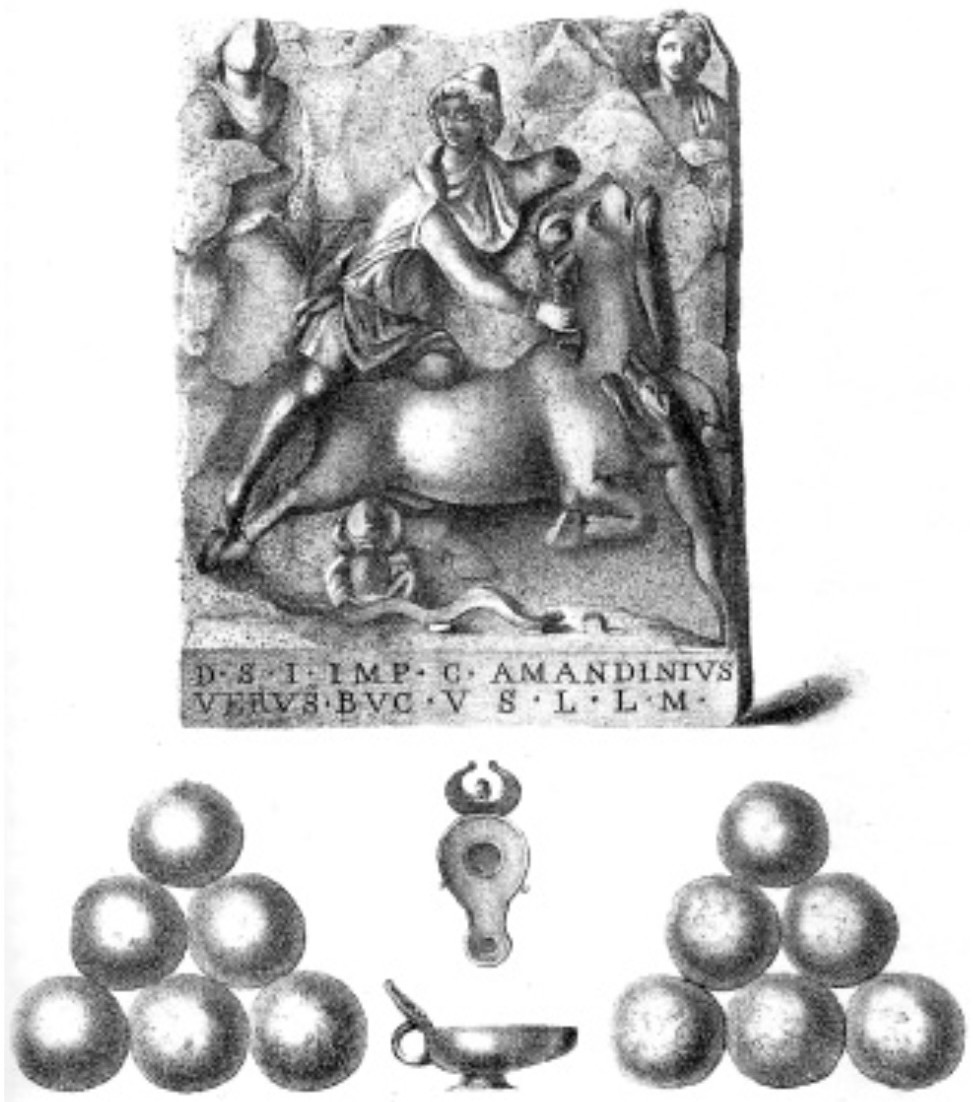
Workman digging in a field near Dormagen found a vault. Against one of the walls were found two monuments related to Mithras.
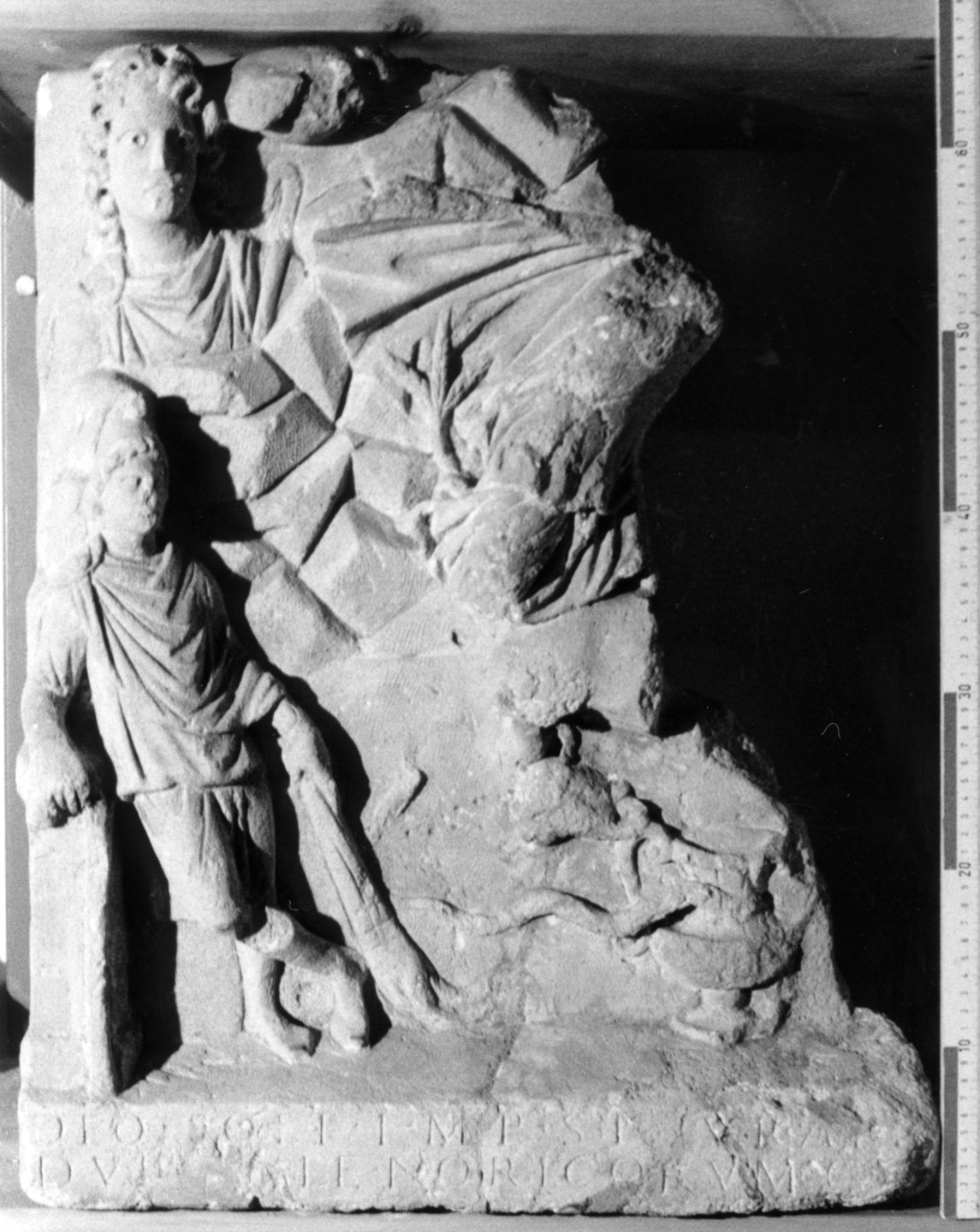
This second tauroctony, found in the Mithraeum of Dormagen, was consecrated by a man of Thracian origin.
