Your search Bourg-Saint-Andéol gave 169 results.
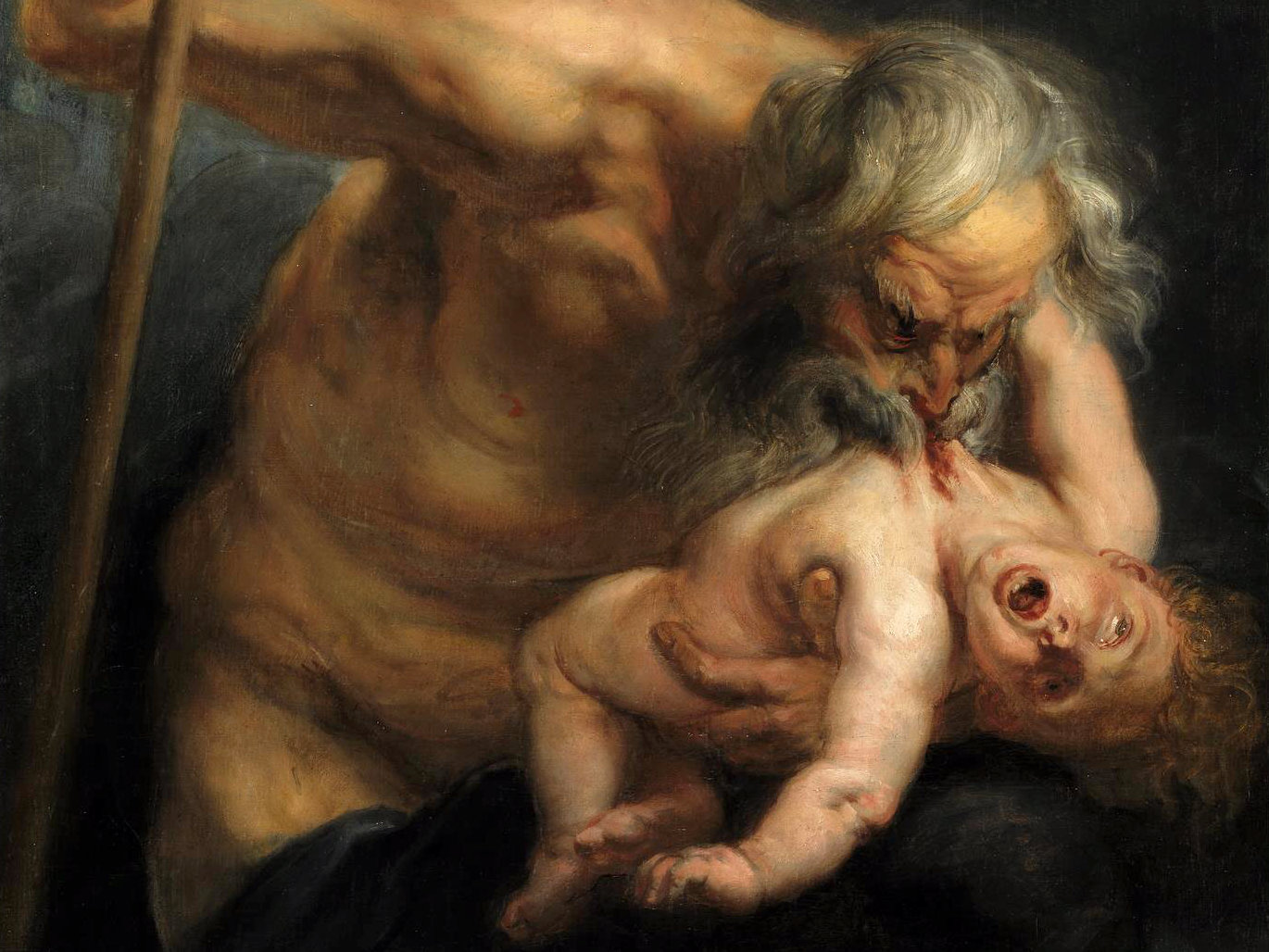
It is well known that Mithras was born from a rock. However, less has been written about the father of the solar god, and especially about how he conceived him.
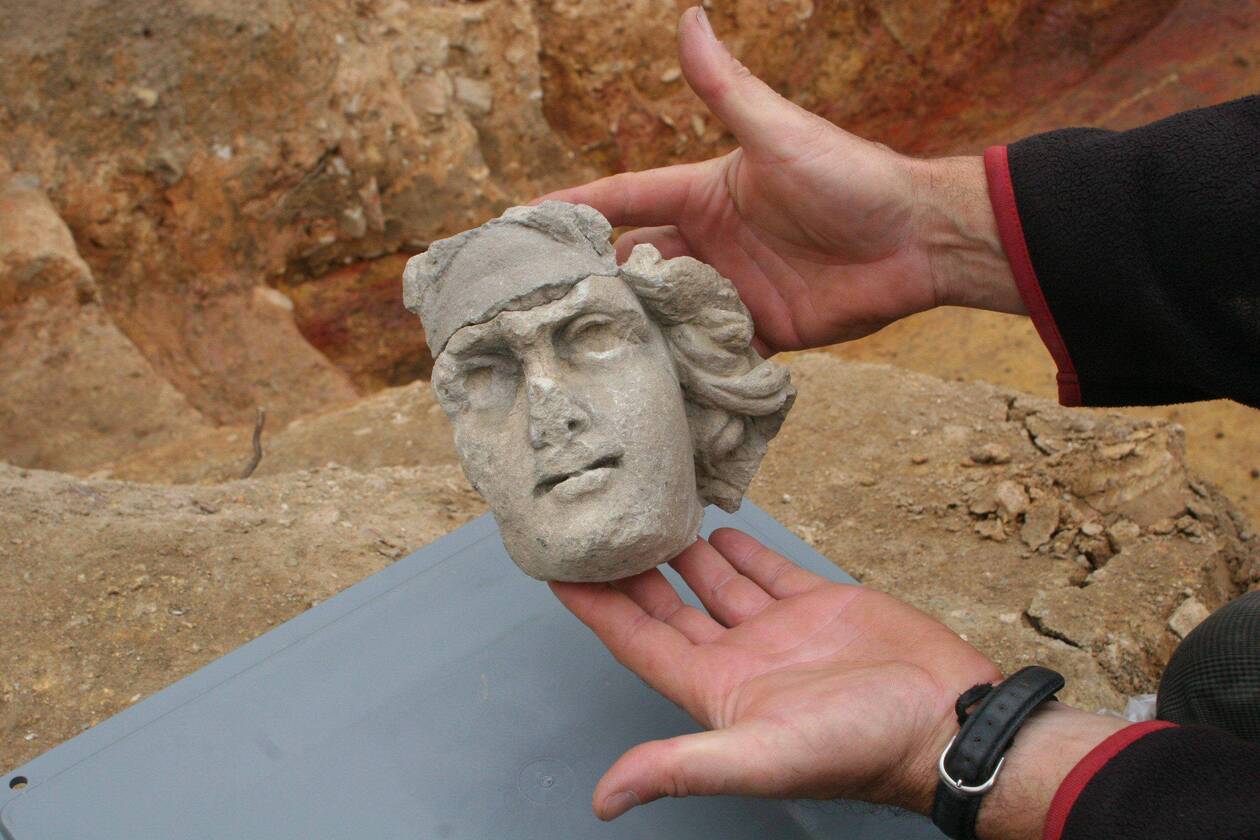
The head of Mithras of Angers has been found a four months after the main relief.

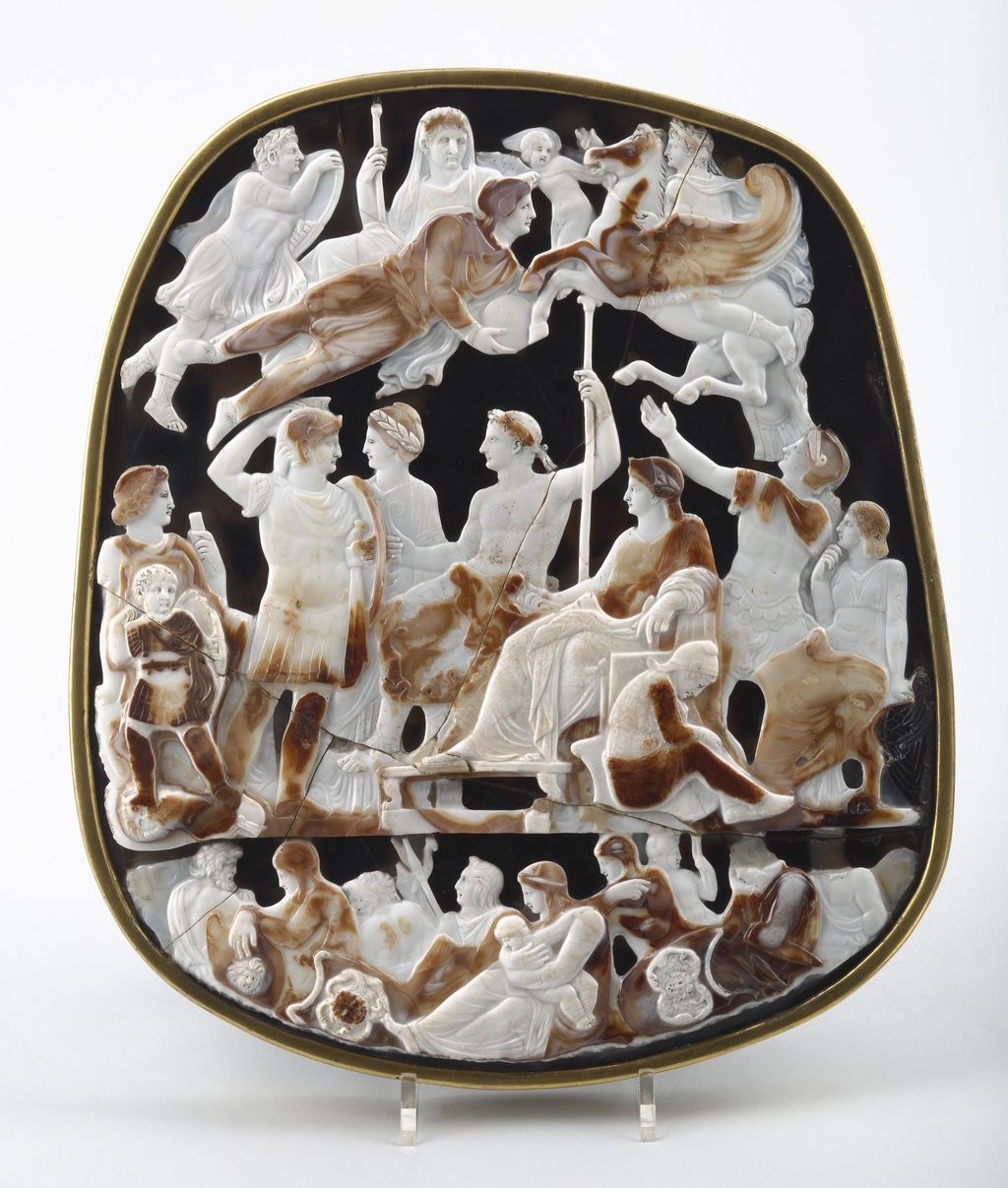
Some authors have speculated that the flying figure dressed in oriental style and holding a globe could be Mithras.
Découvrez les coulisses de la réalisation et du montage de l’exposition « Le mystère Mithra. Plongée au cœur d’un culte romain ».
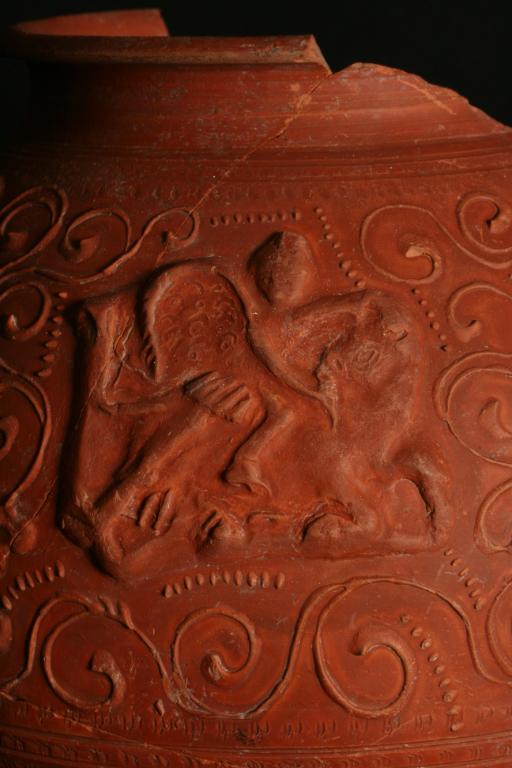
Musée Saint-Raymond, musée d'Archéologie de Toulouse, associate curator of the exhibition Le mystère Mithra, plongée au cœur d'un culte romain.
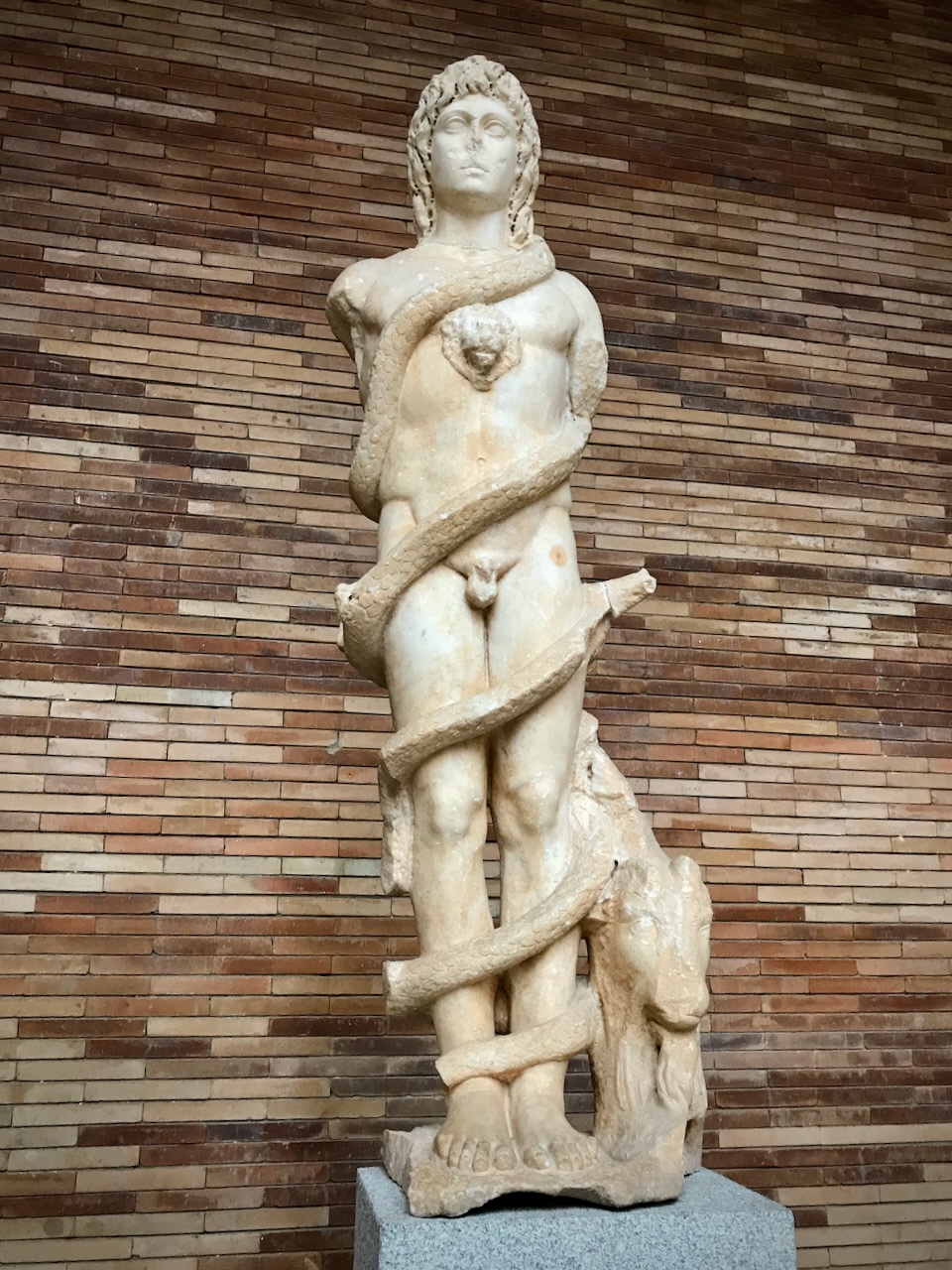
The Aion-Chronos of Mérida was found near the bullring of the current city, once capital of the Roman province Hispania Ulterior.
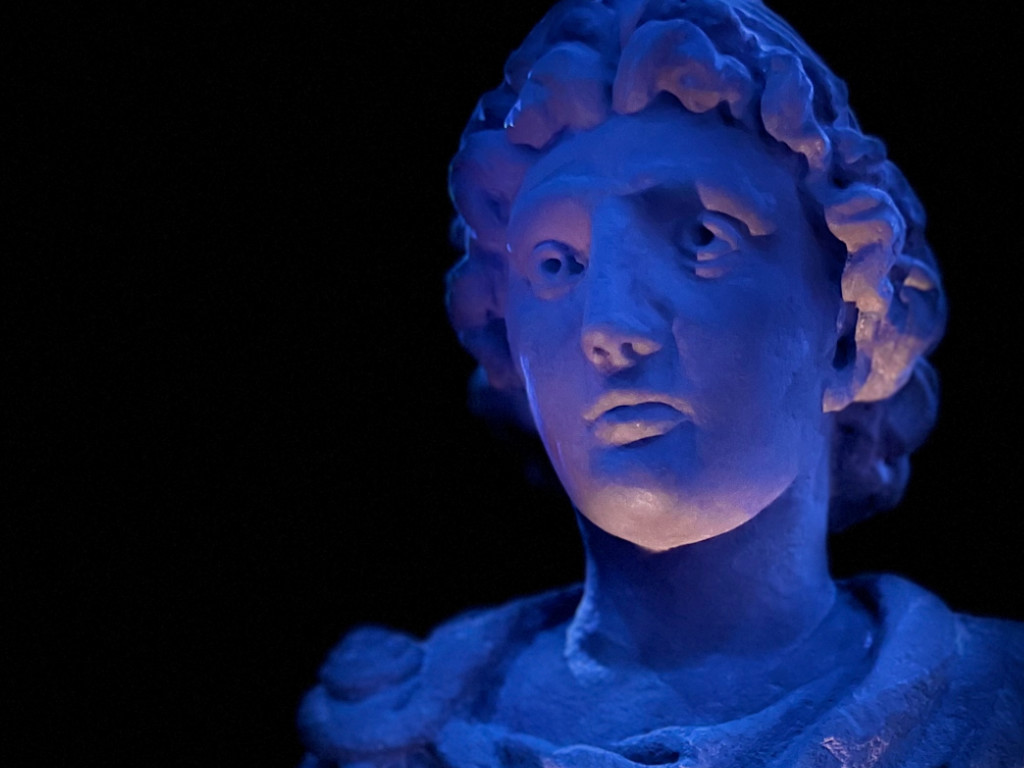
The exhibition The Mystery of Mithras opens at the Mariemont Museum in Belgium, home of Franz Cumont, the father of studies on the solar god.
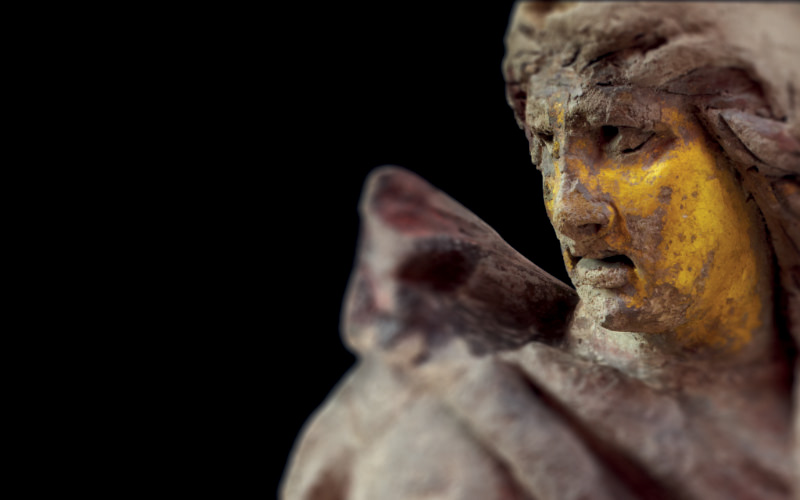
Three European museums celebrate Mithras with a continental exhibition featuring more than 200 works of art from Roman times to the present day.

A collection of 284 coins, spanning from 254 to 395 AD and mostly of the fourth century, found in the Mithraeum at Pons Saravi (modern Saarburg) in Belgica, indicating that the sanctuary was founded under the Severan dynasty and destroyed in the fourth century…
A skeleton of a man aged approximately thirty to forty years, with arms tied behind his back and wrists bound with an iron chain, found lying on a fragment of the main relief at the back of the Mithraeum at Pons Saravi (modern Saarburg) in Belgica…
A small terracotta lamp from the Mithraeum at Pons Saravi (modern Saarburg) in Belgica, bearing a beardless head on its upper surface and the inscription SOLI on its underside, found among numerous lamp fragments.
Numerous animal bones including birds, beasts of prey, and the muzzle of a wild boar, found as ritual deposits in the Mithraeum at Pons Saravi (modern Saarburg) in Belgica.
A collection of ritual vessels from the Mithraeum at Pons Saravi (modern Saarburg) in Belgica, including a stone vase, a plate with a lion's head in relief, a terra-sigillata plate with a hunting scene, and an urn filled with ash, bird bones, and rings…
A fragmentary inscription from the Mithraeum at Pons Saravi (modern Saarburg) in Belgica, recording a dedicant's gift made a second time.
Several fragmentary stone bases and altars without identifying marks, one of which has a semicircular hole in one of its sides, found in the Mithraeum at Pons Saravi (modern Saarburg) in Belgica.
A stone hand of more than natural size from the Mithraeum at Pons Saravi (modern Saarburg) in Belgica, with the thumb touching the index finger and a rectangular projection in the palm on which an object was probably fastened.
Two female stone heads of varying sizes, found in the Mithraeum at Pons Saravi (modern Saarburg) in Belgica.
A naked torso of a robust figure, preserved as far as the navel with head and arms lost, from the Mithraeum at Pons Saravi (modern Saarburg) in Belgica, possibly representing the rock-birth of Mithras.
A fragment from the Mithraeum at Pons Saravi (modern Saarburg) in Belgica, showing a standing naked man with a bird, possibly a cock, on his left arm, tentatively identified as Mercury, with the head, hands, and parts of the legs lost.
