Your search Bu Njem gave 1882 results.
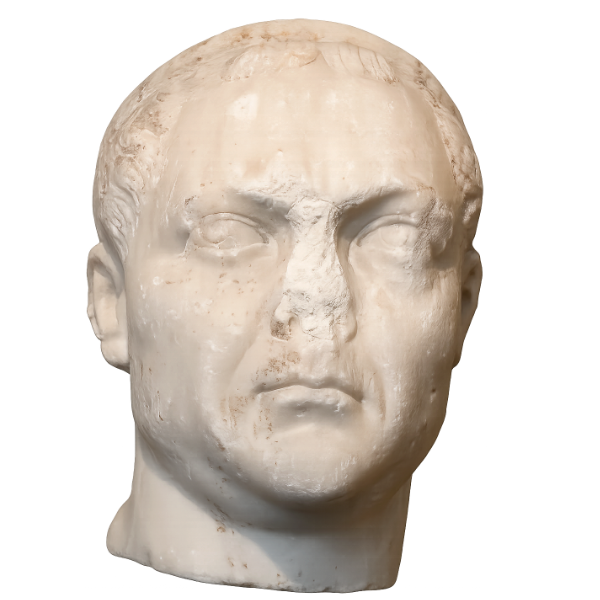
Roman emperor from 253 to 260, he was taken captive by Shapur I of Persia. He was thus the first emperor to be captured as a prisoner of war.

Early Mithraic Leo from Novae whose name has been associated with the honey symbolism of the leonine grade.
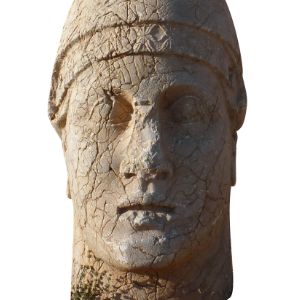

Roman prefect commemorated in a rare dedication to Sol Apollo Anicetus Mithras at Rudchester.

This altar from Grumentum in Lucania was dedicated to Sol Invictus Mithras by Titus Flavius Saturninus, an evocatus in imperial service.

Pater sacrorum attested in a funerary inscription from Murviel-lès-Montpellier, probably connected with the Mithraic community of Nemausus.
Fragment of a sandstone relief from Nida-Heddernheim depicting the torchbearer Cautopates.
Fragment of yellowish chalcedony in the Cabinet des Médailles, Paris, formerly in the Millingen collection, depicting the standard tauroctony.
Gem formerly published as Mithraic by Cumont but subsequently identified as depicting the Egyptian deity Besa.
Yellow jasper fragment of unknown provenance, formerly in the Museo Borgiano, with a tauroctony on the obverse and a Mithraic figure on the reverse.

Yellow lenticular carnelian gem probably from Aquileia, now in Udine, depicting a Mithraic scene nearly identical to the Florence jasper.
An altar in the shape of a mystic chest found at Aquileia in 1828, inscribed with a brief dedication to the Deity Mithras Sol.
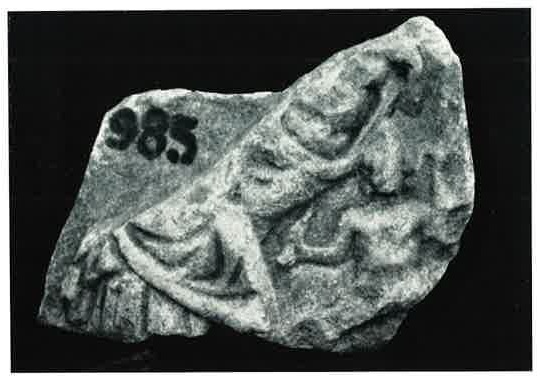
Limestone tauroctony relief fragment of unknown provenance, preserving the upper part of the right torchbearer of a bull-slaying scene.
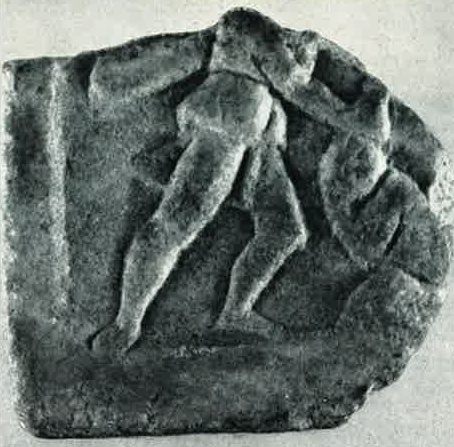
Marble relief fragment from Dacia, depicting Mithras placing a Phrygian cap on the kneeling Sol — one of the more unusual variants of the Mithraic iconographic programme.

The locality of Alsóbajom is associated with archaeological material attributed to the Roman province of Dacia.
Sinitovo occupies part of the inland Thracian settlement landscape of southern Bulgaria.
Iarlovtsi lies within the western Bulgarian region historically associated with Roman Thrace.
Civitas Montanensium developed around the important Roman settlement at modern Montana in Bulgaria.
Campona occupied a strategic position south of Aquincum along the Danube frontier.
