Your search Cabrera de Mar gave 1568 results.

The image of the god Arimanius to which this monument refers has not yet been found.
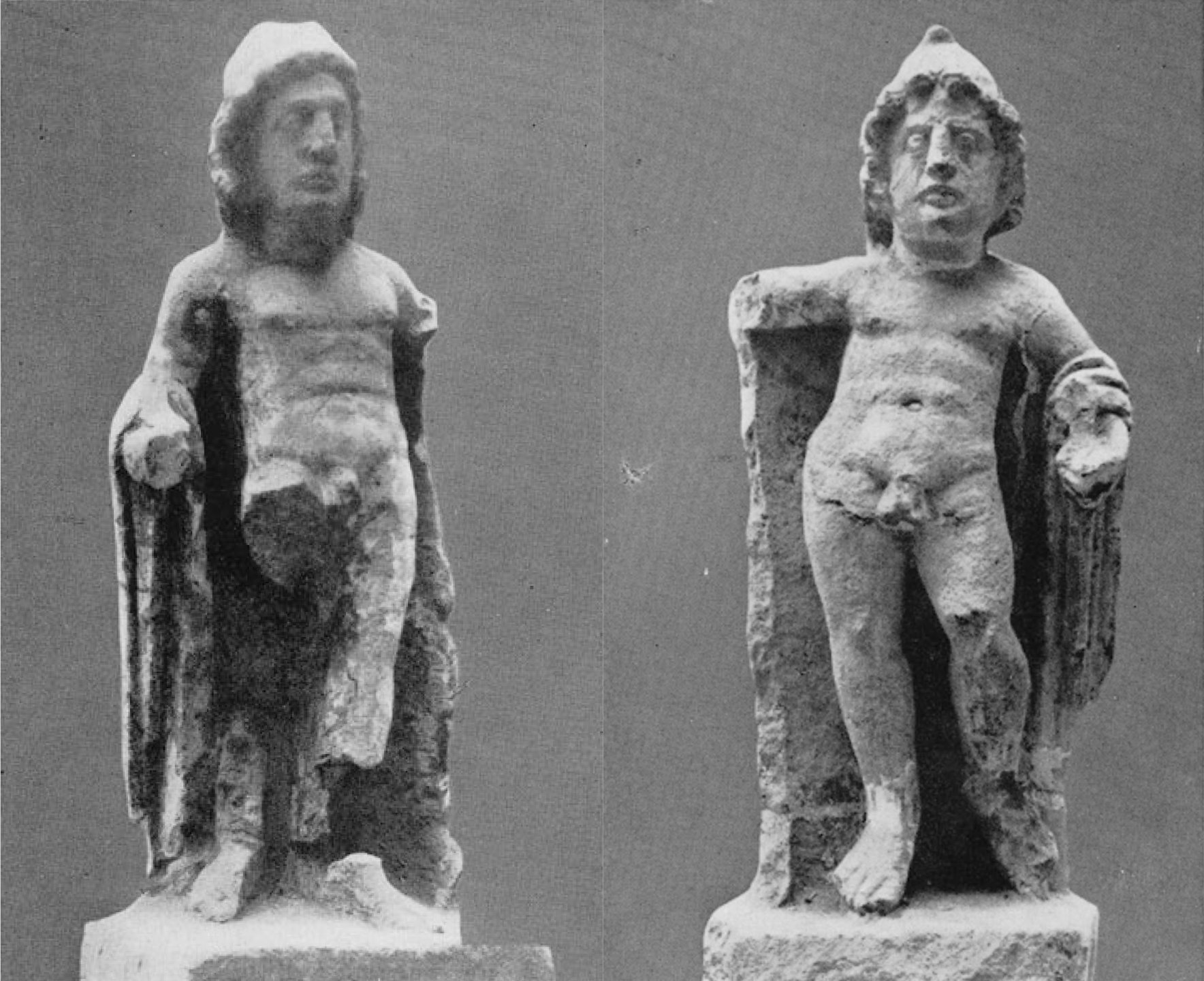
The two fellows of Mithras from Marquise, Boulogne-sur-Mer, are fully naked but for the cloak and the Phrygian cap.
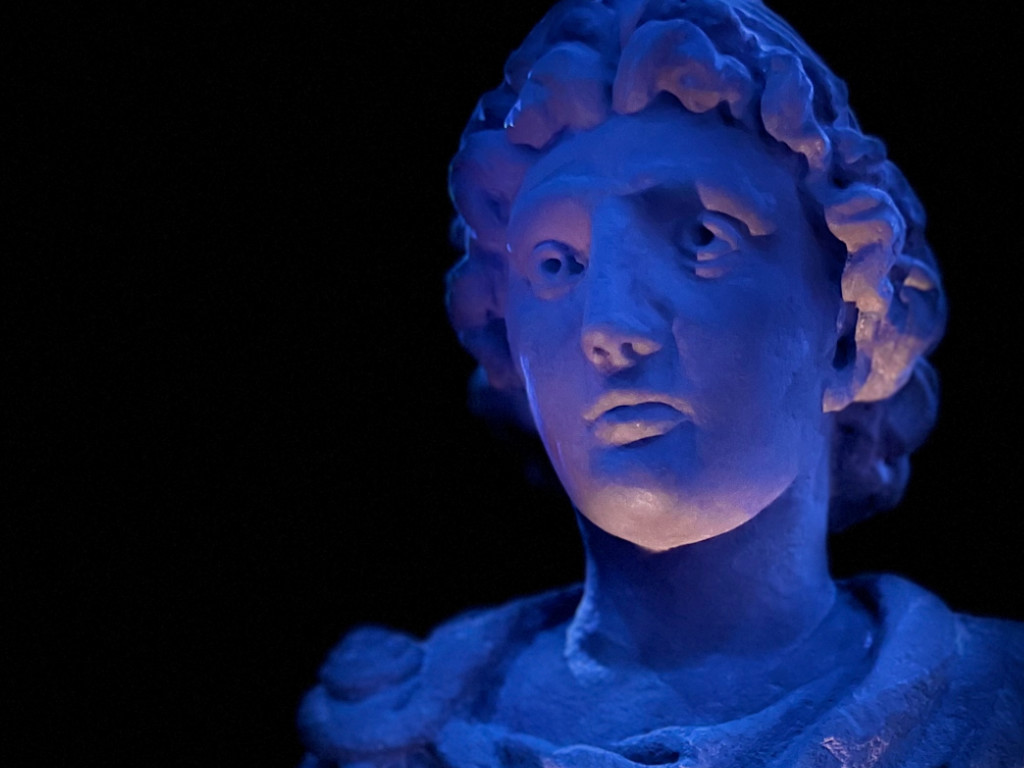
The exhibition The Mystery of Mithras opens at the Mariemont Museum in Belgium, home of Franz Cumont, the father of studies on the solar god.
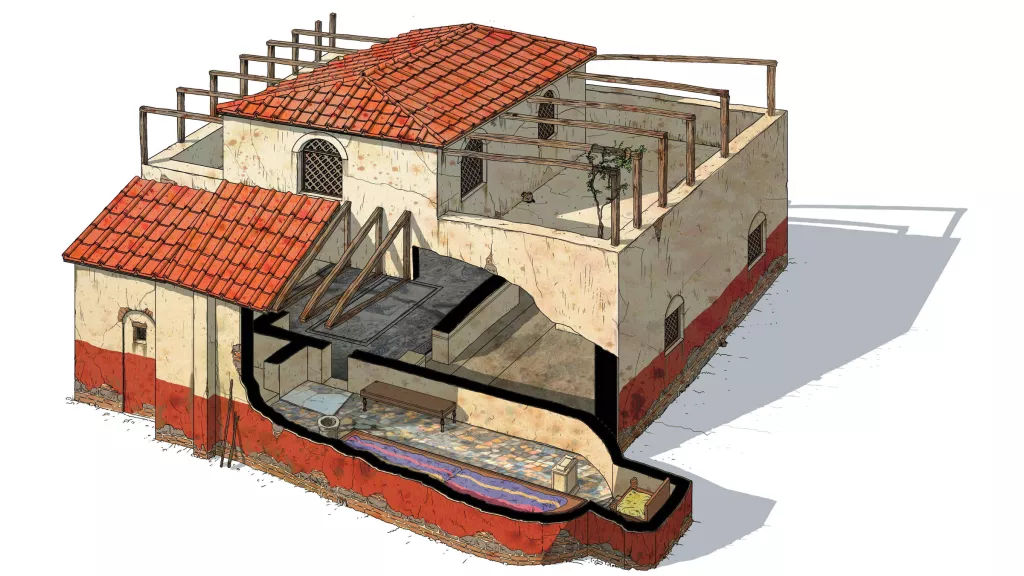
The Mitreo dei Marmi Colorati takes its name after the discovery of a black-and-white mosaic of Pan fighting with Eros.
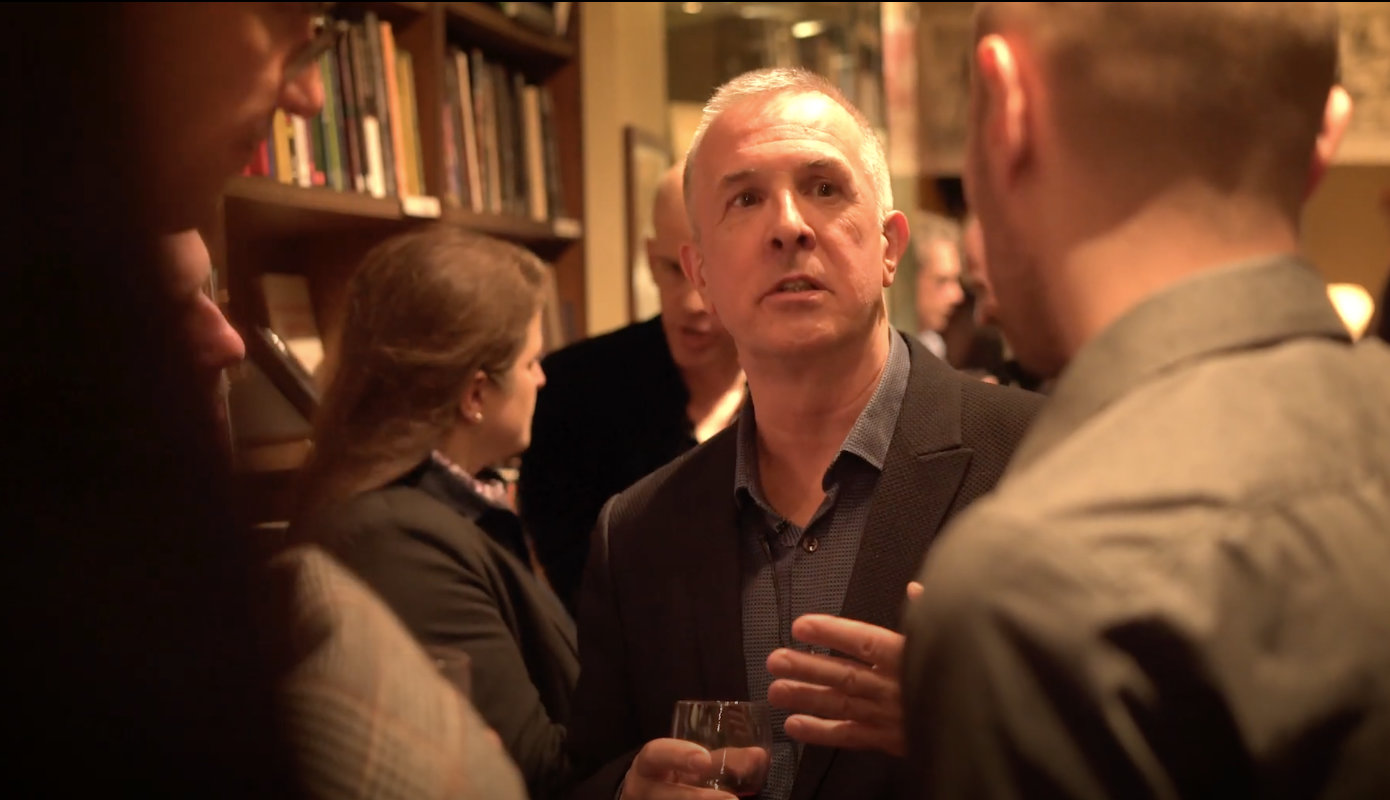
Presentation on the Dionysian-themed frescoes of the Villa of the Mysteries by Peter Mark Adams on the occasion of the presentation of his book.
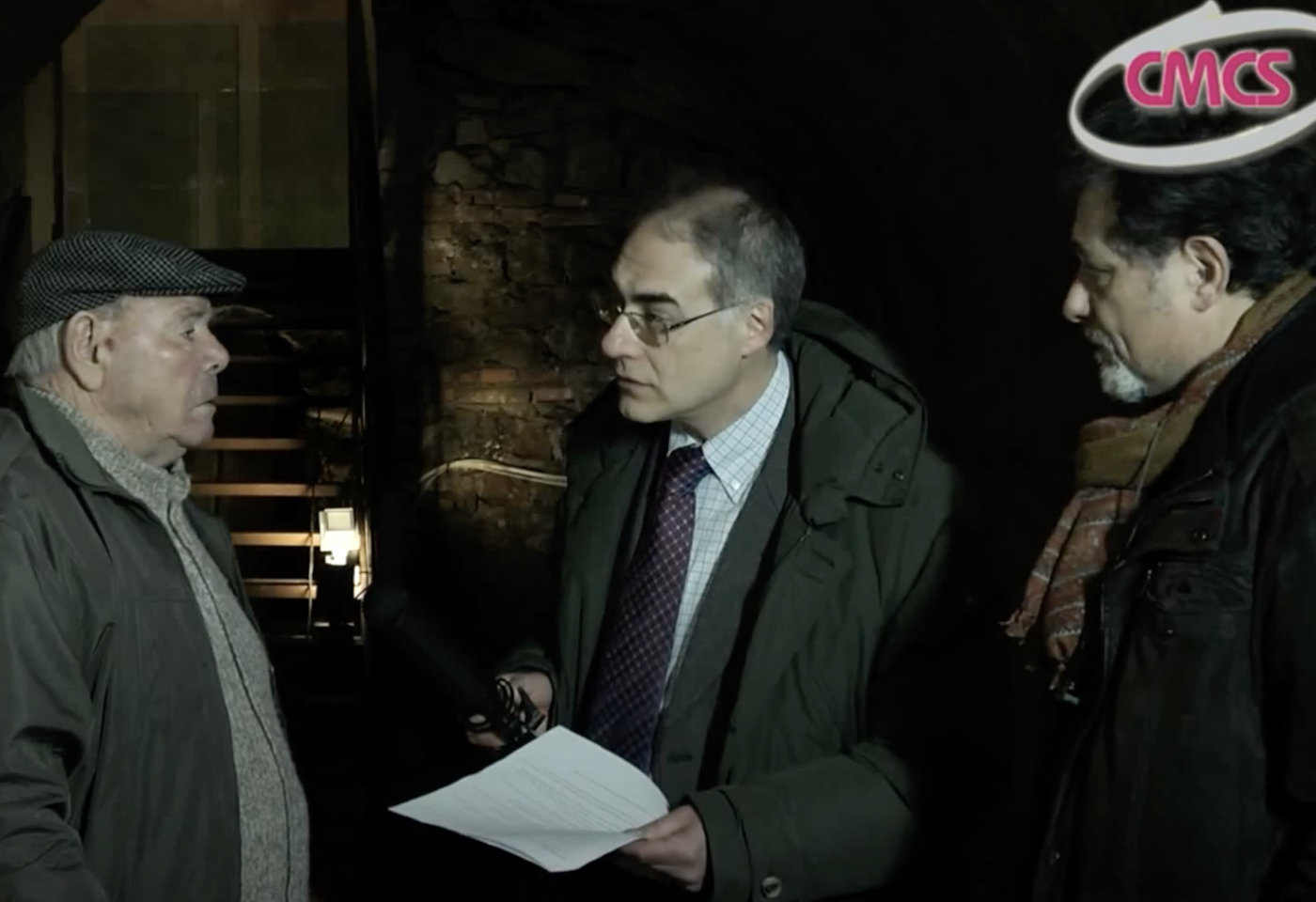
Interview to one of the workers who participated in the discovery of the temple of Mithras of Marino, Rome.
Patronus of the corpus lenunculariorum tabulariorum auxiliariorum Ostiensium.
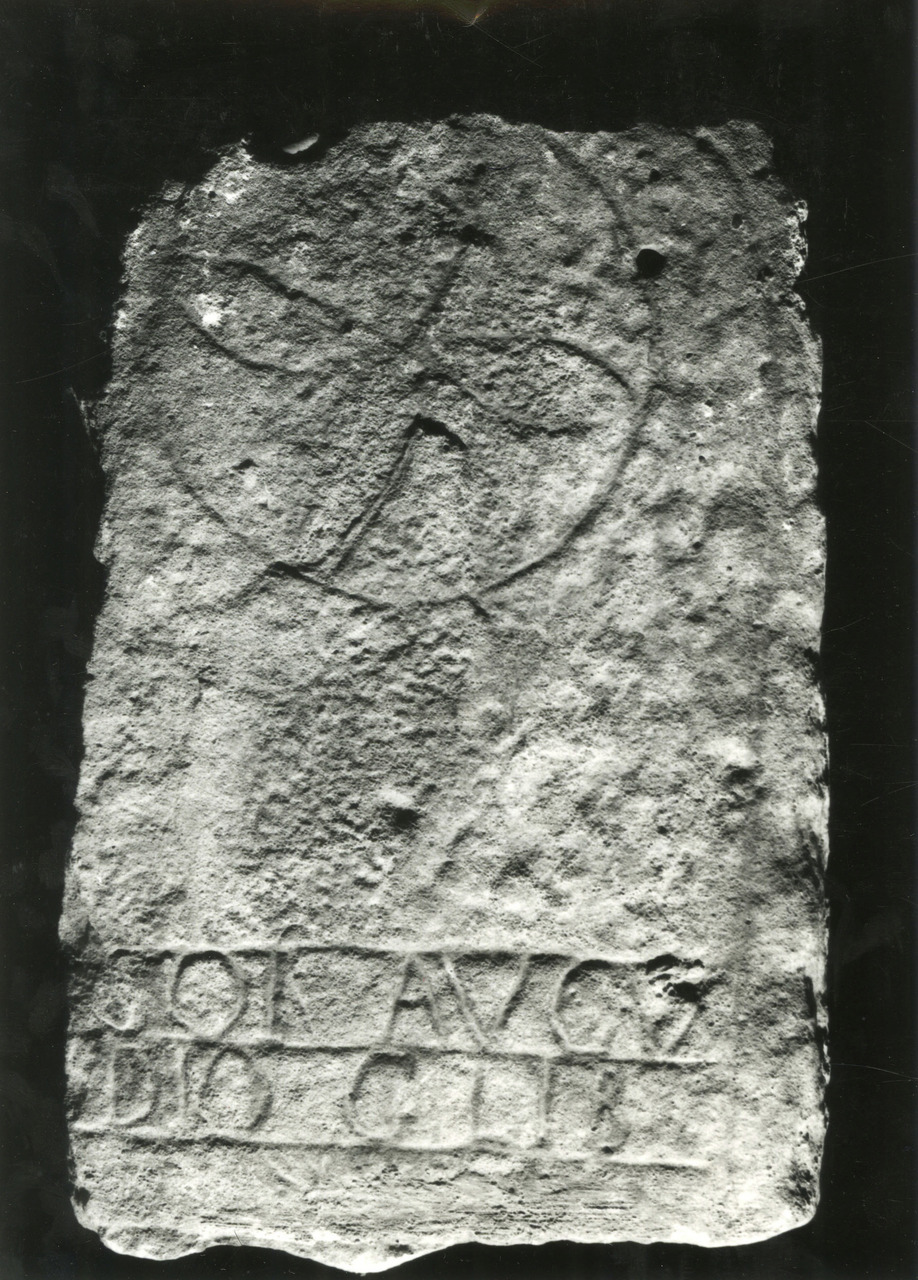
A sandstone slab found along the border of the Tagus river near Thirmarum (modern Trillo, near Cifuentes in Guadalajara), recording an inscriptoiin by a certain Cornelius, freedman of Gaius.

The locality known as Kral-Marko belongs to the mountainous interior of the central Balkans.
Alfius Severus was a prominent figure associated with the Mithraeum of Marino, probably acting as pater of a small Mithraic community connected with the nearby peperino stone quarries.
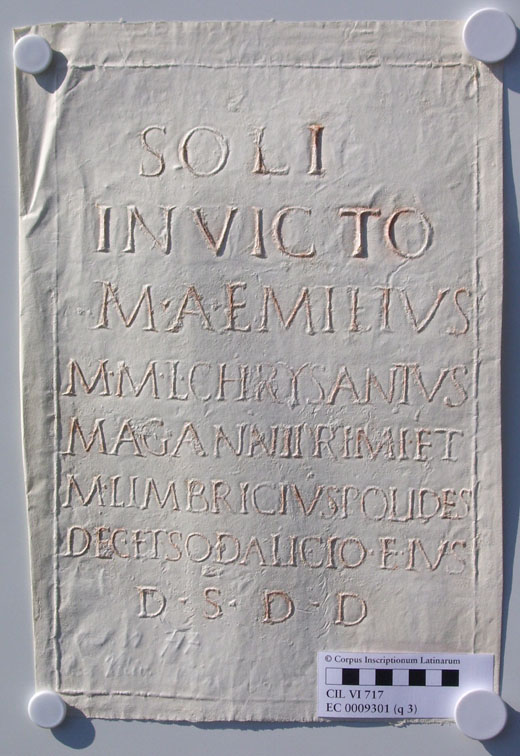
Aemilius Chrysanthus shares the expenses of this monument with a decurio named Limbricius Polides.

Finds discovered near the crossing of the criptoporticus of the Mithraeum at Capua, including marble plate fragments, a tuff base, red lamps, and animal bones.
Miscellaneous finds from the middle of the Mithraeum of Capua, including a terracotta antefix with centaurs, basins, marble bases, lamps with a Sol head, and coins of M. Aurelius and Constantine.
Lost base from the Mithraeum at Brigetio, Pannonia Superior, dedicated jointly to Cautopates and Invicto deo by Marcus Ulpius Castrensis, veteran of Legio I Adiutrix; a companion piece to the preceding Cautes dedication.
Lost base from the Mithraeum at Brigetio, Pannonia Superior, dedicated to Cautes by Marcus Ulpius Castrensis, veteran of Legio I Adiutrix; dated to the early third century.
Administrator, probably a slave of Pater Alfius Severus, who dedicated the main altar of the Mitreo di Marino.
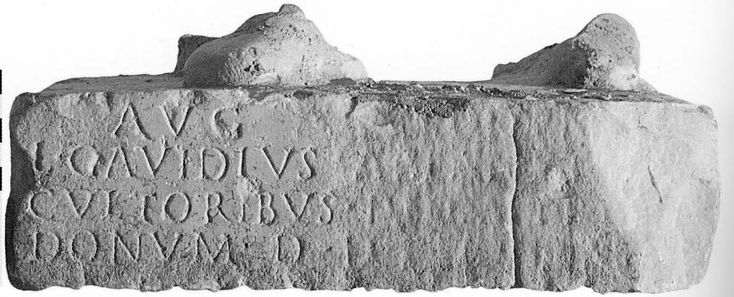
This inscription on white marble by Lucius Gavidius uses the term ther cultores to refer to his Mithraic community in Stabiae, Italy.
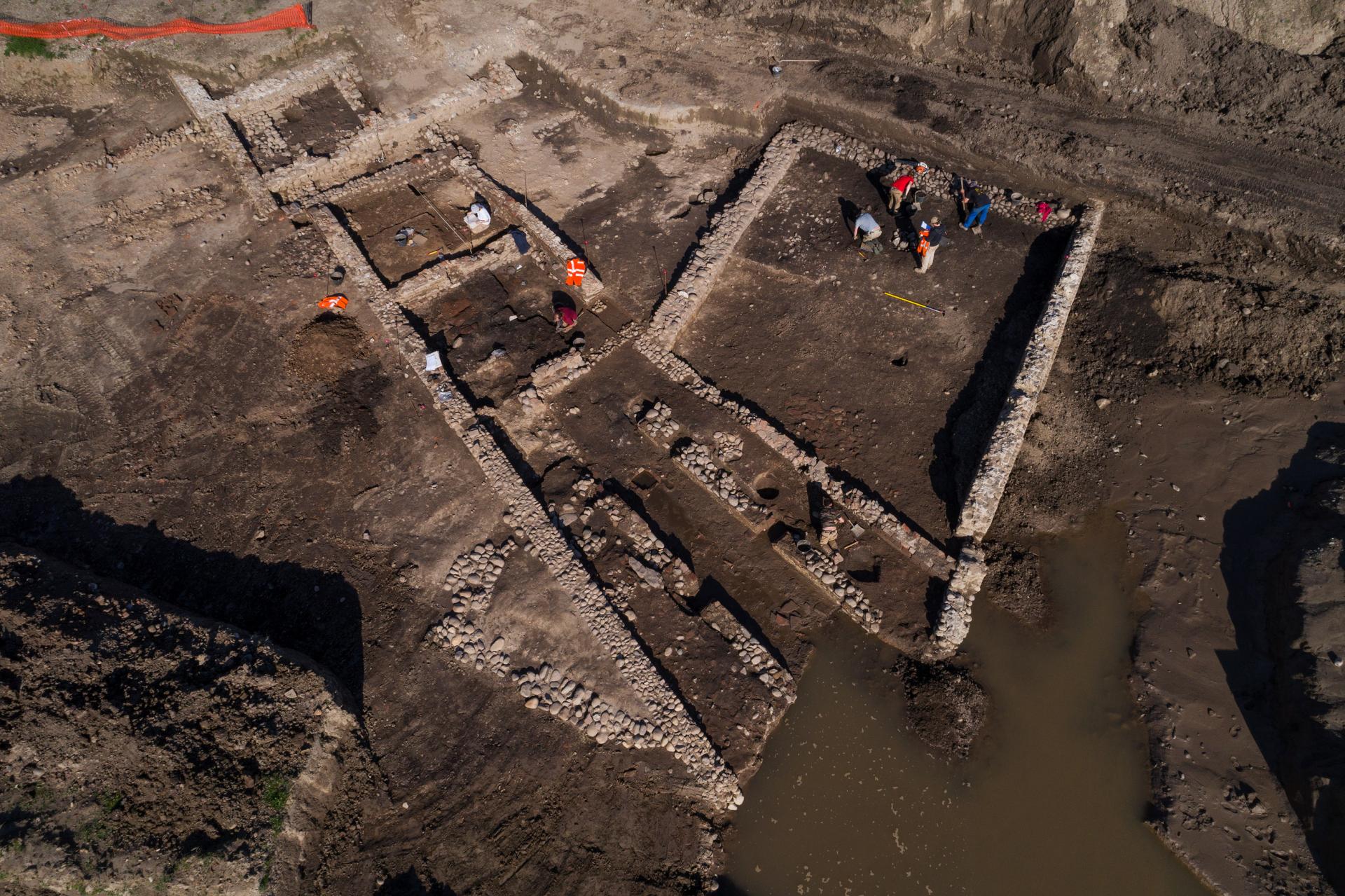
For the first time, a Mithraeum has been discovered in Corsica, at the site of Mariana, Lucciana (Haute-Corse).

Professional author with a special interest in Greco-Roman ritual and sacred landscapes, art and philosophy.