Your search Carel Claudius van Essen gave 131 results.
The pater Artemidorus seems to be an Augustan freedman of the Claudians, of Eastern origin.
Procurator of Tarraconensis, he dedicated a monument to the Invincible God, Isis and Serapis in Asturica Augusta.

Dedication from the Mithraeum of Rudchester recording the restoration of a temple dedicated to Sol Invictus.

Neapolitan senator who dedicated a tauroctonic relief to Mithras tauroctonus to the Almighty God Mithras.
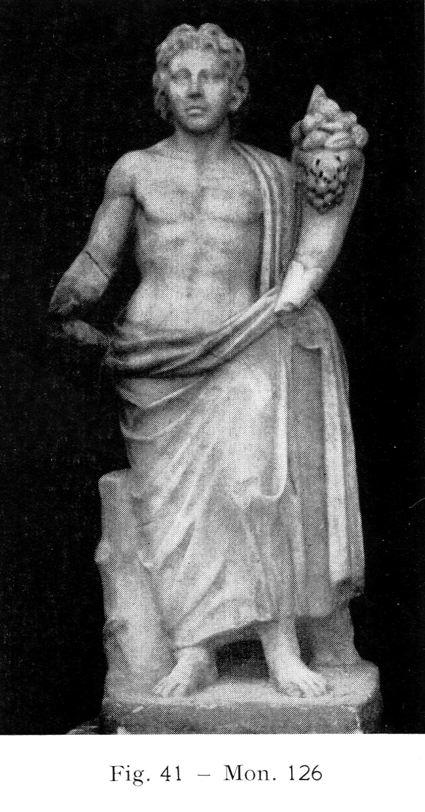
The statue of Skikda has seven holes in his hair for fastening rays.


He commissioned the main cult relief found in the Mithraeum of Circo Massimo.

Pater from Nersae, Italia, known by an inscription of his mithraic Apronianus.



Dedicated multiple monuments to Mithras, Fortuna Primigenia and Diana in Etruria.

Veteran from Colonia Claudia Ara Agrippinensium (Köln) who erected an inscritiption to Mithras and his ally Sol.
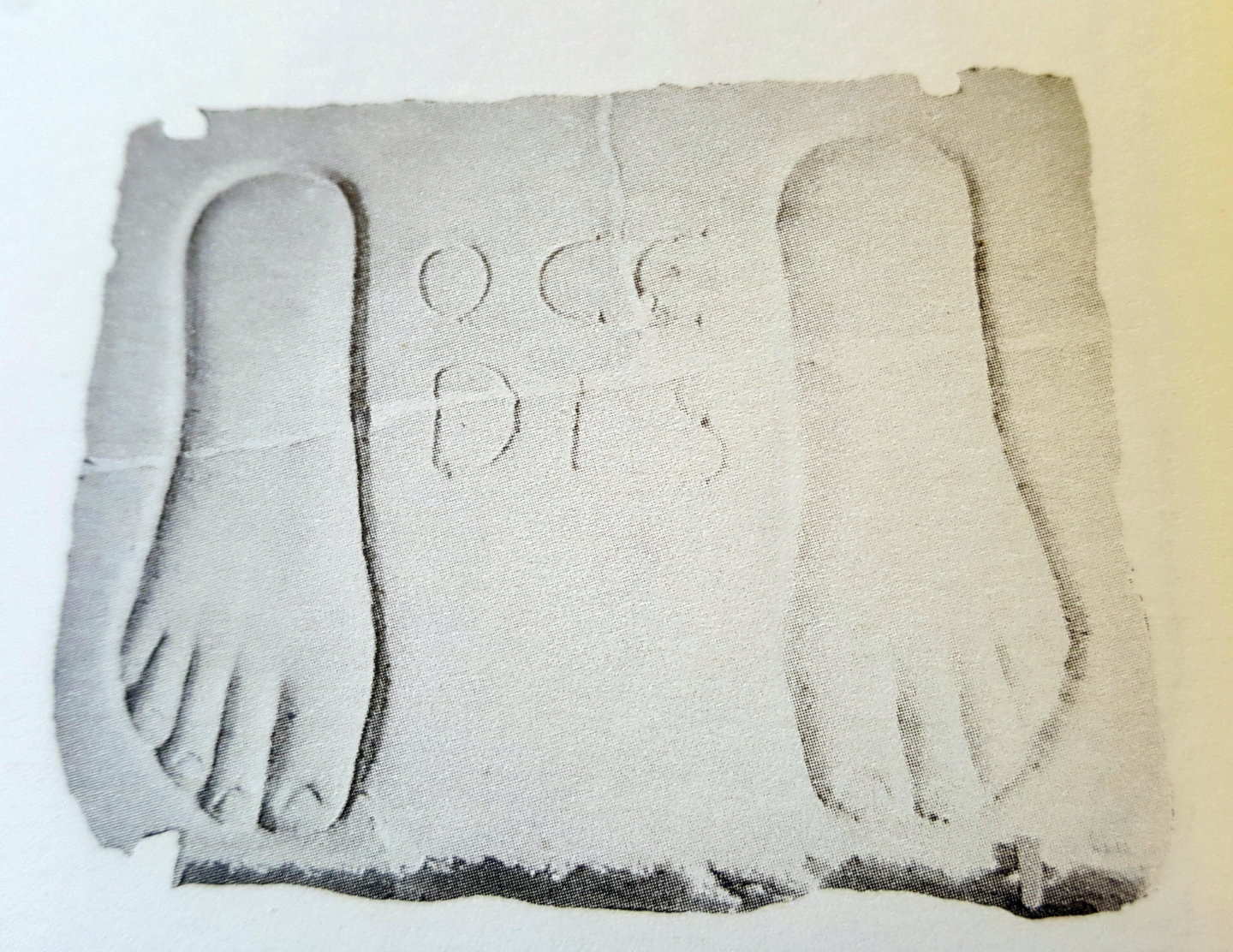
Recent interpretations link this marble inscription to the cult of the goddess Nemesis.
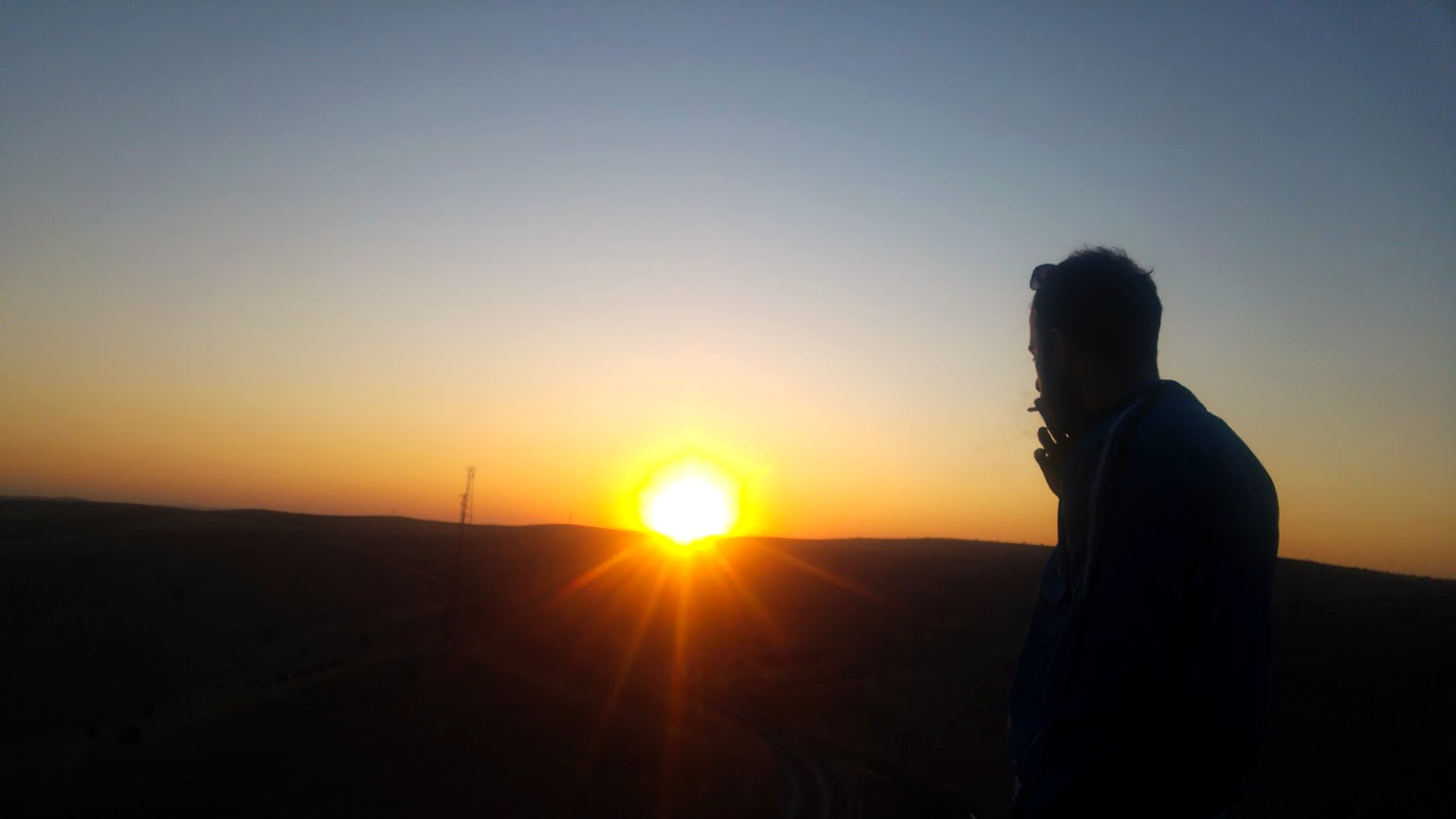
The Temple of Mithras, inside an ancient military settlement, is situated on the eastern border of the Roman Empire.

Small marble base dedicated by C. Atilius Bassus, freedman and apparator of a priest of the Great Mother, to Silvanus dendrophoris, from the Mitreo degli Animali at Ostia.
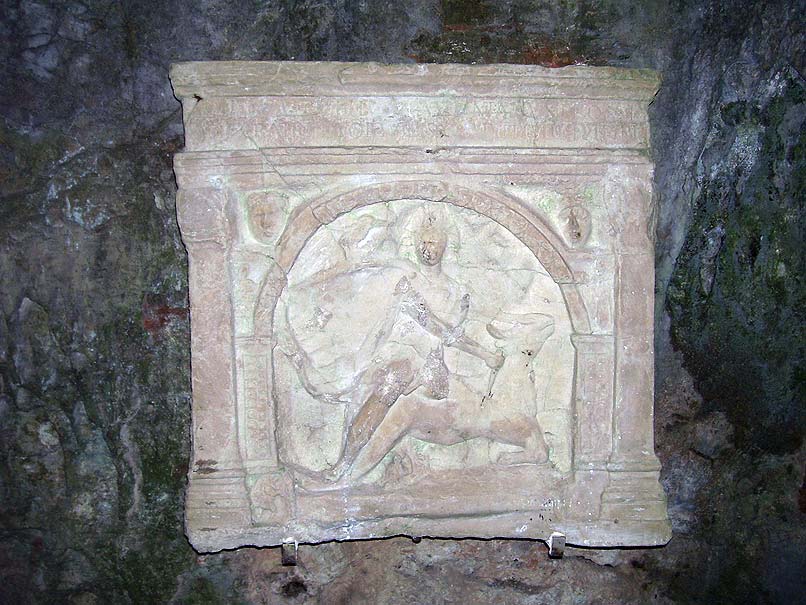
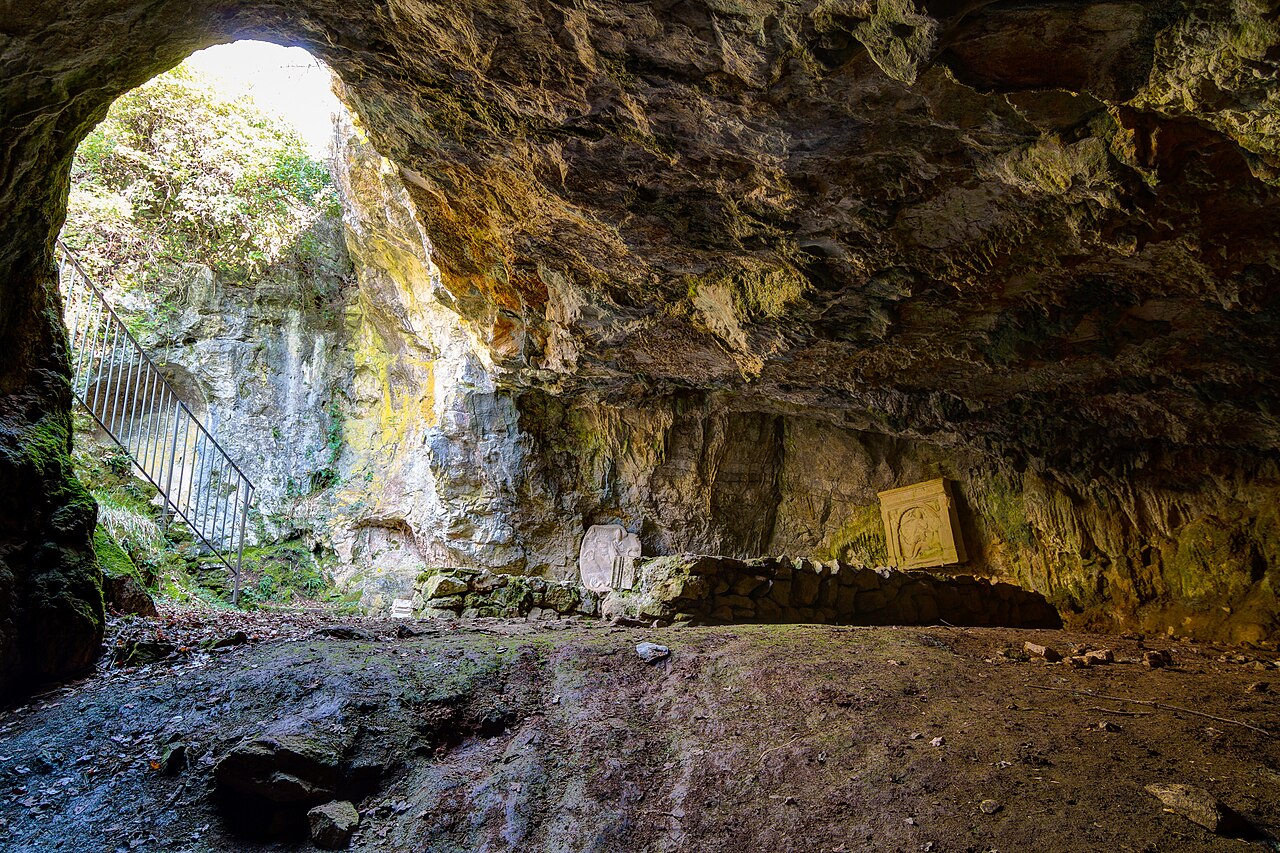
The site was destroyed in the 5th century but some elements, including the benches, can still been seen.

Dedicator of a rare altar jointly honouring Mithras and Silvanus at Emona, whose ambiguous name has fuelled debate over whether the dedicant was a man or a woman.

Slave of a certain Macus Iulius Eunicus, Hermes dedicated a monument to Silvanus found in the Mitreo della Planta Pedis.